Employee Whereas Assistance With Employees In California
Description

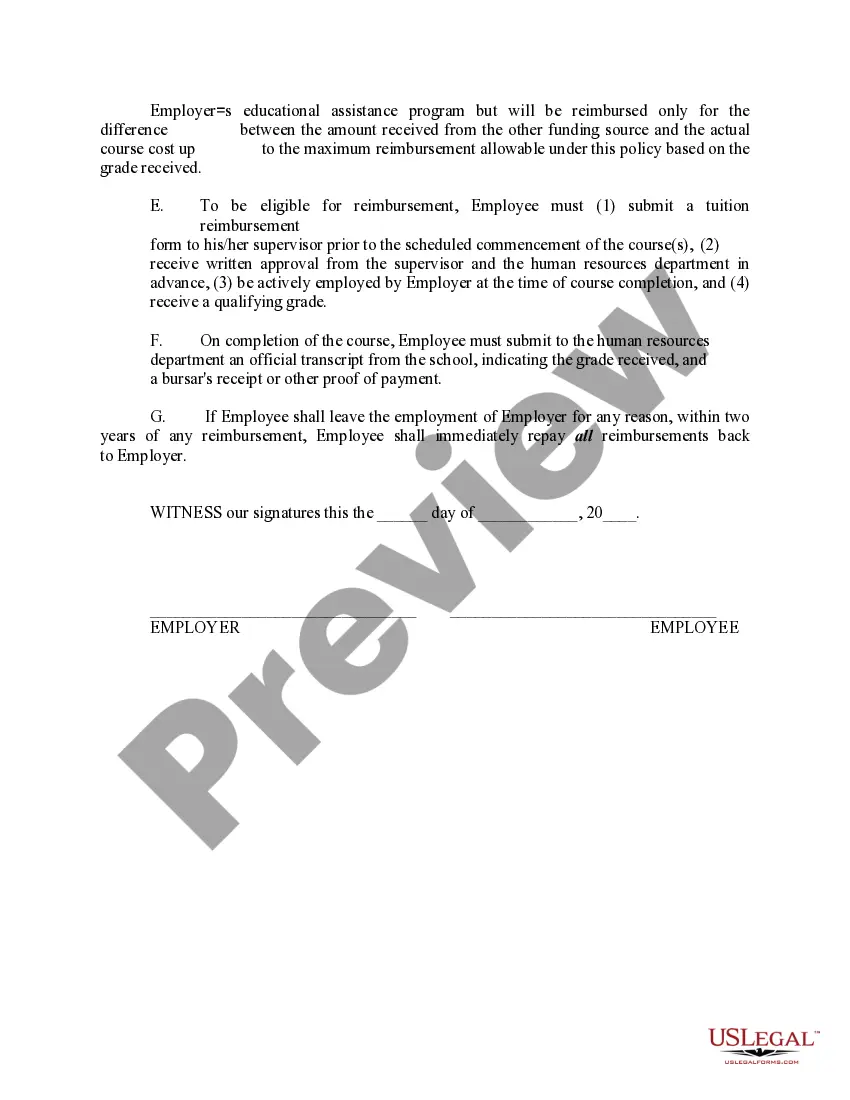
Get your form ready online
Our built-in tools help you complete, sign, share, and store your documents in one place.
Make edits, fill in missing information, and update formatting in US Legal Forms—just like you would in MS Word.
Download a copy, print it, send it by email, or mail it via USPS—whatever works best for your next step.
Sign and collect signatures with our SignNow integration. Send to multiple recipients, set reminders, and more. Go Premium to unlock E-Sign.
If this form requires notarization, complete it online through a secure video call—no need to meet a notary in person or wait for an appointment.
We protect your documents and personal data by following strict security and privacy standards.

Make edits, fill in missing information, and update formatting in US Legal Forms—just like you would in MS Word.

Download a copy, print it, send it by email, or mail it via USPS—whatever works best for your next step.

Sign and collect signatures with our SignNow integration. Send to multiple recipients, set reminders, and more. Go Premium to unlock E-Sign.

If this form requires notarization, complete it online through a secure video call—no need to meet a notary in person or wait for an appointment.

We protect your documents and personal data by following strict security and privacy standards.
Looking for another form?






Form popularity
FAQ
The CPRA requires employers to inform individuals who reside in California about the employment-related personal information (PI) collected by the employer and how that data is used. Covered individuals can include applicants, employees, dependents and independent contractors.
Under the FLSA, employees may not volunteer services to for-profit private sector employers. On the other hand, in the vast majority of circumstances, individuals can volunteer services to public sector employers.
Requirements for a WVPP Coordinating and training the plan with other employers and all employees. Reporting incidents of workplace violence and maintaining a Violent Incident Log. Responding to and investigating incidents of workplace violence. Identifying, evaluating, and correcting hazards.
AB 5 requires the application of the “ABC test” to determine if workers in California are employees or independent contractors for purposes of the Labor Code, the Unemployment Insurance Code, and the Industrial Welfare Commission (IWC) wage orders.
Be clear. Tell the employee that you're firing them and why, without using a lot of extra words or small talk. Make it clear that the working relationship is over, explain next steps, and provide the necessary paperwork. Be firm.
The California Department of Industrial Relations has stated that “personnel records” include employment applications, payroll authorization forms, warnings, disciplinary and termination notices, layoff and leave documents, wage attachments, education and training records, performance reviews, and attendance records.
Written notice must be given immediately to employees of their discharge, layoff, leave of absence, or change in employment status. This sample notice (PDF) meets the minimum requirements.
You only need to tell them the reason for your decision, not offload grievances. It may be helpful to briefly mention the policy their infractions broke. Remember, it is a business decision, not personal. Let the employee know from the beginning of the meeting they are being let go.
In California, due to at-will employment, no specific notice period is required before terminating an employee. Exceptions include situations under the Worker Adjustment and Retraining Notification (WARN) Act for mass layoffs, necessitating a 60-day notice.
Independent contractors use 1099 forms. In California, if you report your income on a Form 1099, you are an independent contractor, while if you report it on a W-2 form, you are an employee.
