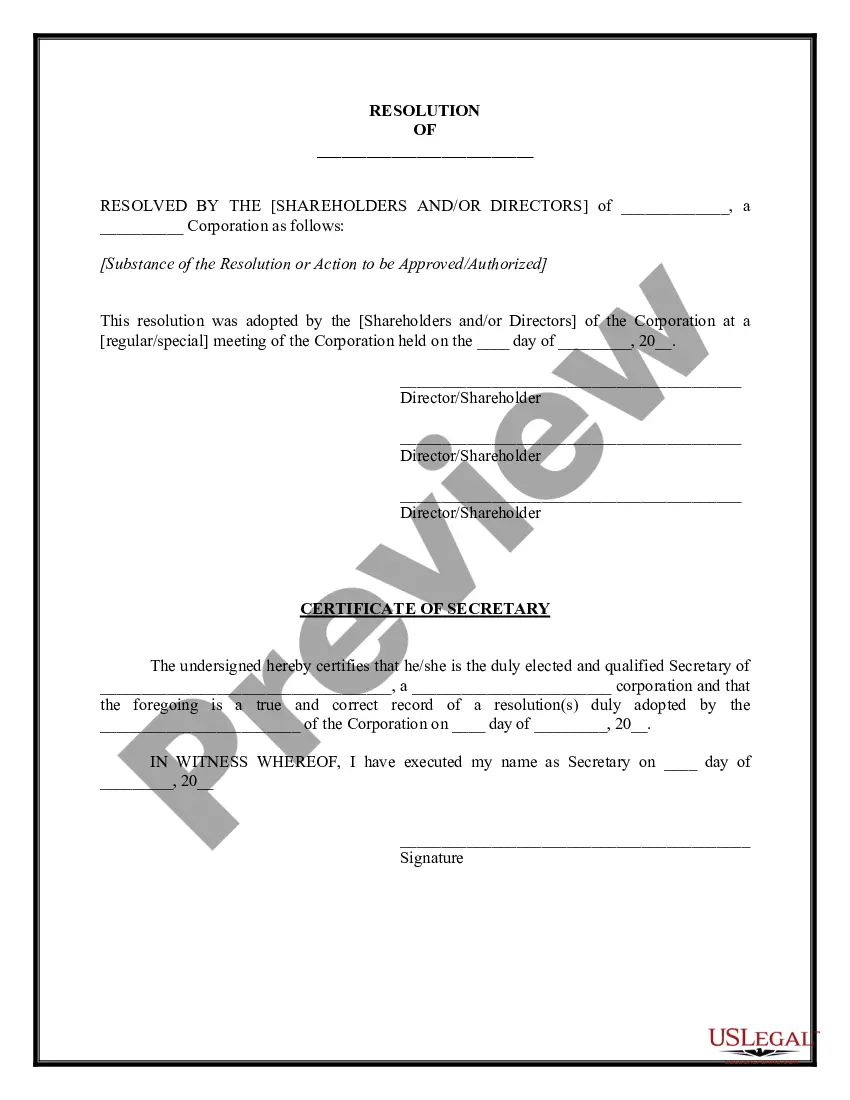
Credit Card Form Statement For Payment In Nassau
Description
Get your form ready online
Our built-in tools help you complete, sign, share, and store your documents in one place.
Make edits, fill in missing information, and update formatting in US Legal Forms—just like you would in MS Word.
Download a copy, print it, send it by email, or mail it via USPS—whatever works best for your next step.
Sign and collect signatures with our SignNow integration. Send to multiple recipients, set reminders, and more. Go Premium to unlock E-Sign.
If this form requires notarization, complete it online through a secure video call—no need to meet a notary in person or wait for an appointment.
We protect your documents and personal data by following strict security and privacy standards.

Make edits, fill in missing information, and update formatting in US Legal Forms—just like you would in MS Word.

Download a copy, print it, send it by email, or mail it via USPS—whatever works best for your next step.

Sign and collect signatures with our SignNow integration. Send to multiple recipients, set reminders, and more. Go Premium to unlock E-Sign.

If this form requires notarization, complete it online through a secure video call—no need to meet a notary in person or wait for an appointment.

We protect your documents and personal data by following strict security and privacy standards.
Looking for another form?



Form popularity
FAQ
How do I get a bank or credit card statement? You can obtain both bank and credit card statements either electronically through online banking or mobile apps, or in paper form via mail. Most financial institutions allow you to access your statements by logging into your account online.
Online: Card issuers usually send credit card statement to your registered email ID on the same date every month, which is known as the billing date. Another way to access your credit card statement online is by logging into your bank's net banking portal.
Key points about credit card statements Statements are issued every month, while there's a balance or there's been activity on your credit card account. Depending on your preferences, you'll receive your statement by post, or online.
Credit card statements are issued by post, or online, depending on your preferences. If you need communications in another format, such as large print, Braille or audio CD, please contact us. Obviously, you need to be registered for Internet Banking to access statements online.
If you use a Credit Card, you will receive a statement every month, which records all the transactions you have made during the previous one month. Depending on how you have opted to receive it, you will get the Credit Card statement via courier at your correspondence address or as an email statement or both.
Log in to Online Banking and navigate to your credit card Account details page, then select the Statements & Documents tab. You'll have access to your credit card statements and also be able to request paper statements.
You can get your credit card statement both online and offline. Online: Typically, the credit card issuer sends the credit card statement to the customer's registered email ID every month, also known as the billing date. You can also access it by logging into your net banking portal.
You can obtain both bank and credit card statements either electronically through online banking or mobile apps, or in paper form via mail. Most financial institutions allow you to access your statements by logging into your account online.
Key points about credit card statements Depending on your preferences, you'll receive your statement by post, or online. It includes your statement balance, the minimum payment amount and due date, a list of transactions since your last statement, a breakdown of your balance and useful account information.