Credit Card Form Statement With Zero Balance In Clark
Description
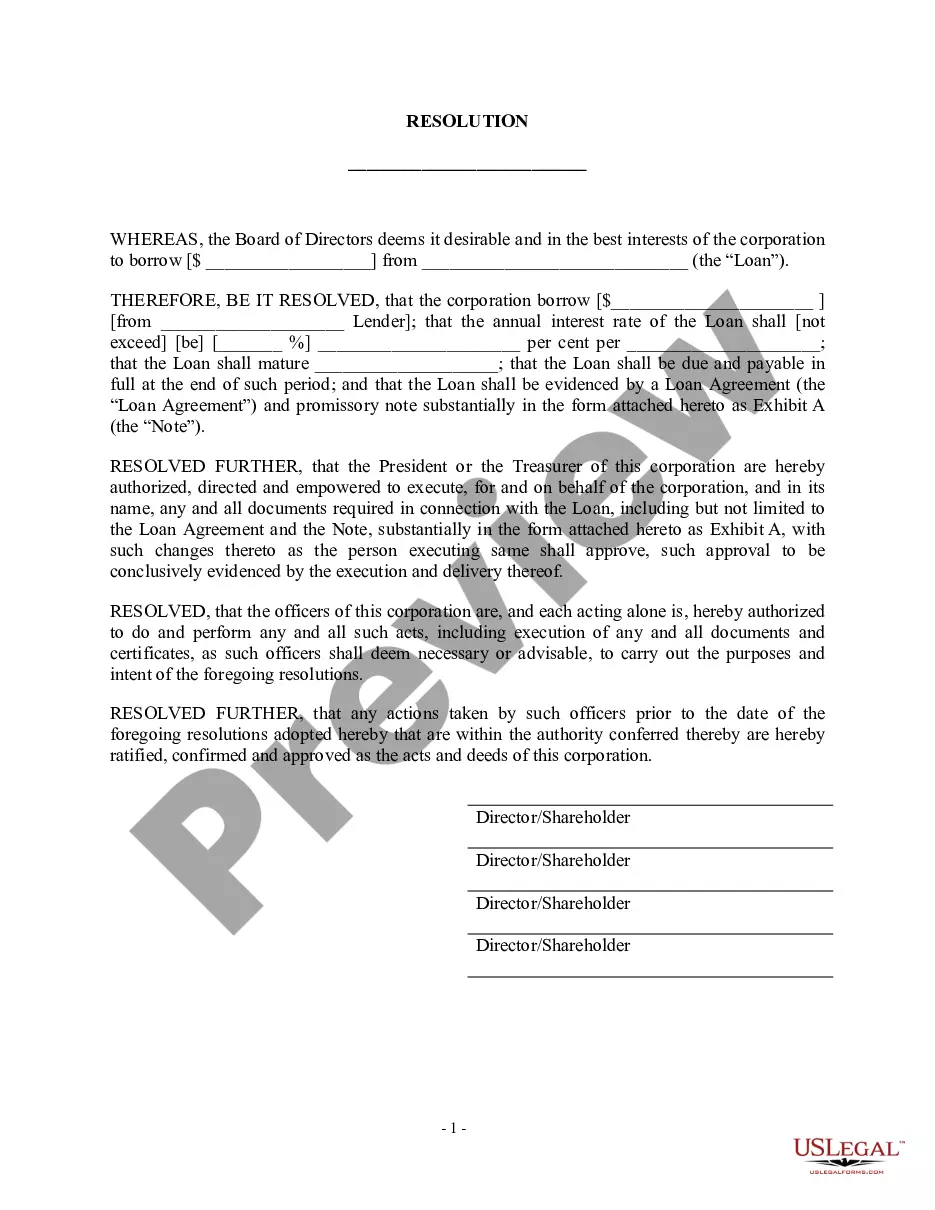
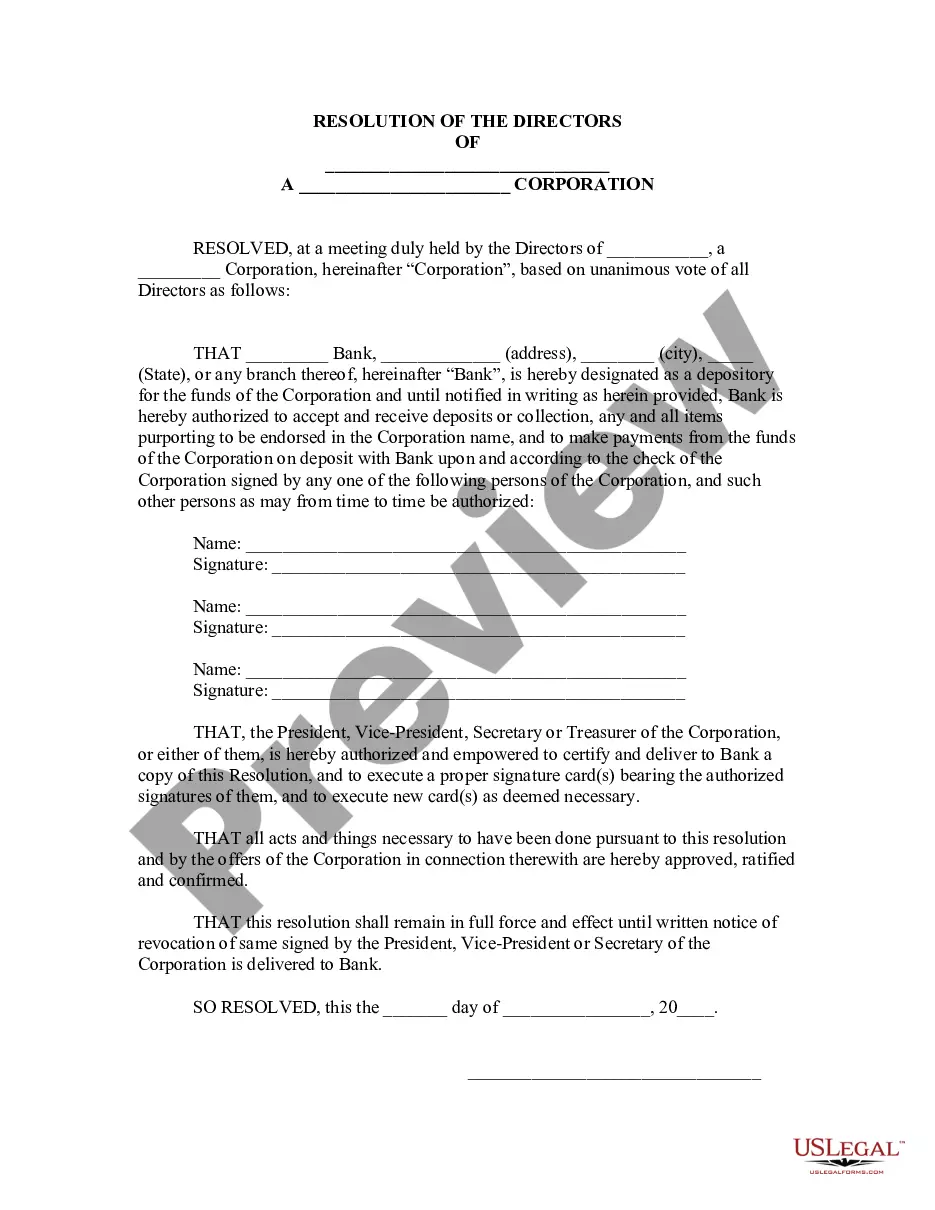
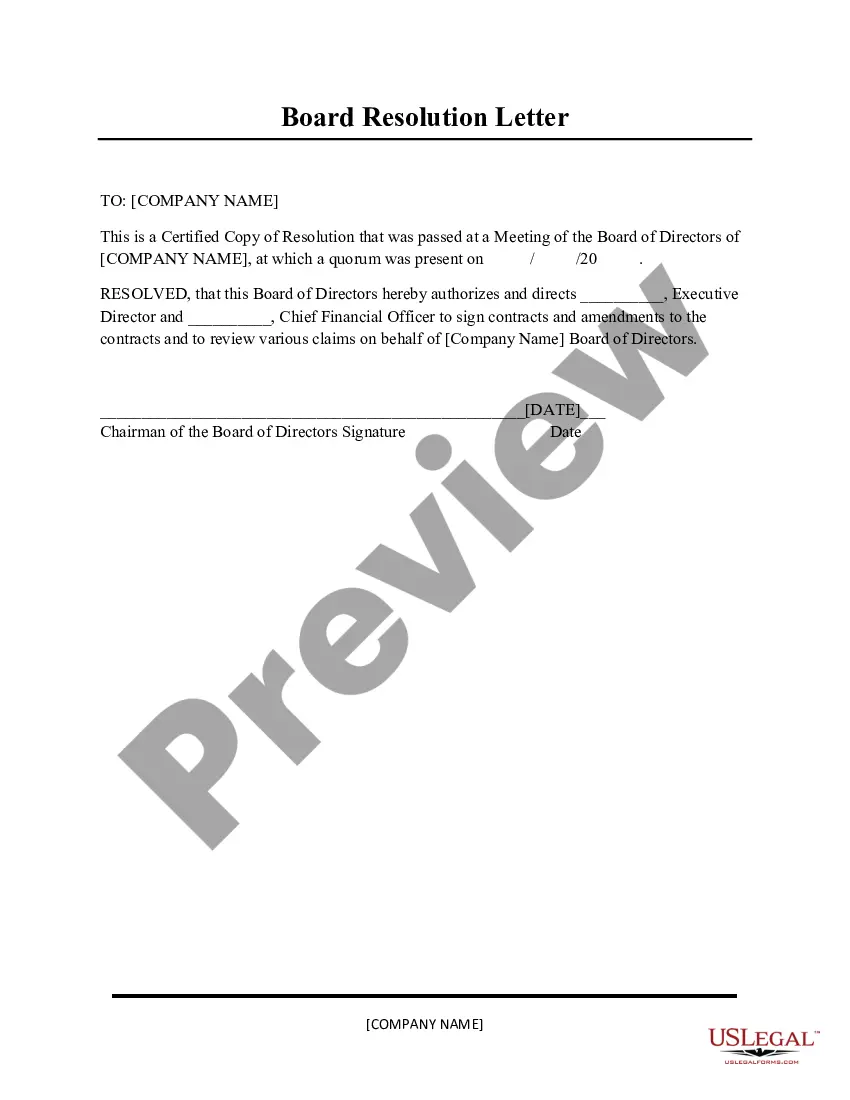
Get your form ready online
Our built-in tools help you complete, sign, share, and store your documents in one place.
Make edits, fill in missing information, and update formatting in US Legal Forms—just like you would in MS Word.
Download a copy, print it, send it by email, or mail it via USPS—whatever works best for your next step.
Sign and collect signatures with our SignNow integration. Send to multiple recipients, set reminders, and more. Go Premium to unlock E-Sign.
If this form requires notarization, complete it online through a secure video call—no need to meet a notary in person or wait for an appointment.
We protect your documents and personal data by following strict security and privacy standards.

Make edits, fill in missing information, and update formatting in US Legal Forms—just like you would in MS Word.

Download a copy, print it, send it by email, or mail it via USPS—whatever works best for your next step.

Sign and collect signatures with our SignNow integration. Send to multiple recipients, set reminders, and more. Go Premium to unlock E-Sign.

If this form requires notarization, complete it online through a secure video call—no need to meet a notary in person or wait for an appointment.

We protect your documents and personal data by following strict security and privacy standards.
Looking for another form?


Form popularity
FAQ
Getting a copy of your bank statement is easy. Your online banking page will list out all of your statements. From there, you can download a PDF or request a paper version by mail. You can also call your bank's customer service line for help.
Keeping credit card statements in a nutshell When you no longer need the information, you can dispose of your statements by shredding them or deleting them from your computer.
Credit card and bank account statements: Save those with no tax return usefulness for about a year, but those with tax significance should be saved for seven years.
Credit card and bank account statements: Save those with no tax return usefulness for about a year, but those with tax significance should be saved for seven years.
Tax-related expenses are an important reason to keep credit card statements for longer than 60 days. This might be especially helpful for those using business credit cards. The IRS retains the right to audit anyone's financial history for up to six years.
Yes, lenders ask for bank statements to assess your financial standing via: Your monthly income. Your spending patterns. Payments towards loans and credit cards.
You will need to provide us with: Your most recent bank statement (with your name as account owner) showing your income credits over a consecutive 3 month period, with your most recent credit made within 30 days of your credit card application.
Potential tenants are also within their rights to decline to provide them. However, this refusal can influence the landlord's decision regarding the person's application. If a tenant refuses to provide the relevant documentation, a landlord is allowed to close their potential tenancy application.
Your bank or credit card provider issues statements at the end of each billing cycle, usually once a month. You may receive your statements as a physical bill or as a paperless, online document.
Yes, lenders ask for bank statements to assess your financial standing via: Your monthly income. Your spending patterns. Payments towards loans and credit cards.

