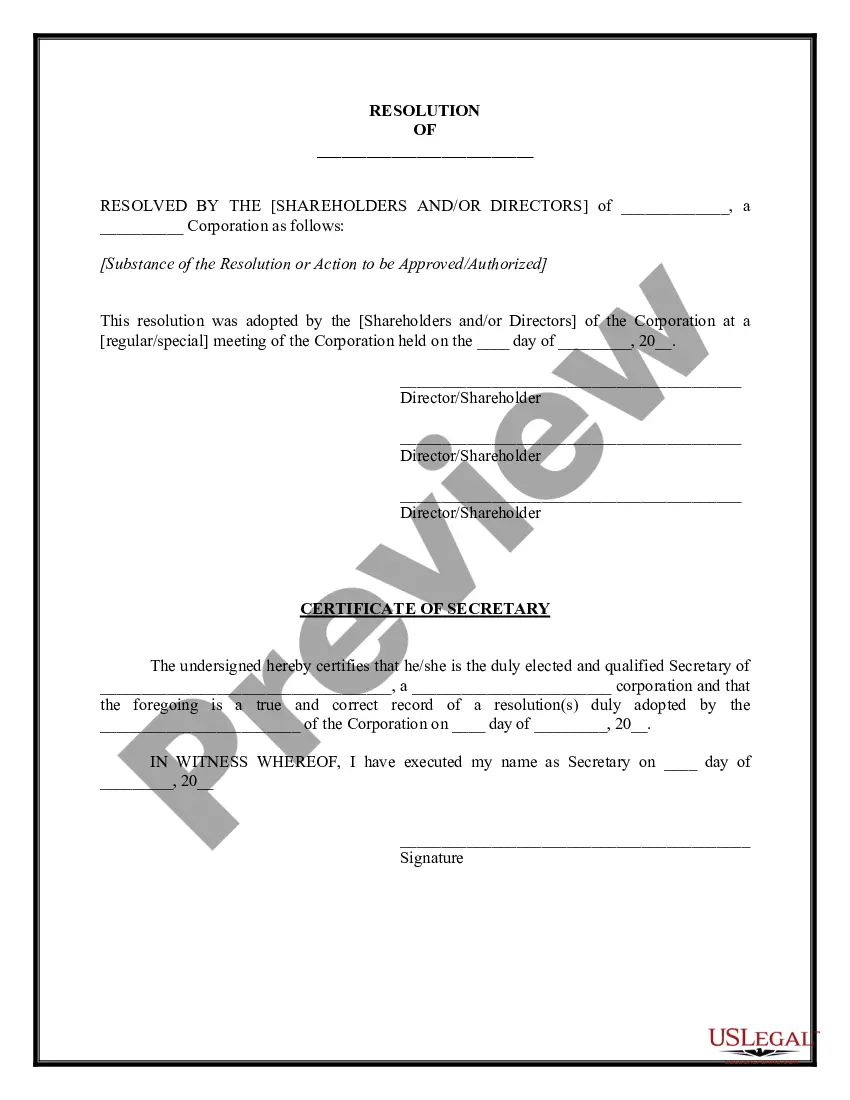
Credit Card Form Statement For Payment In Bronx
Description
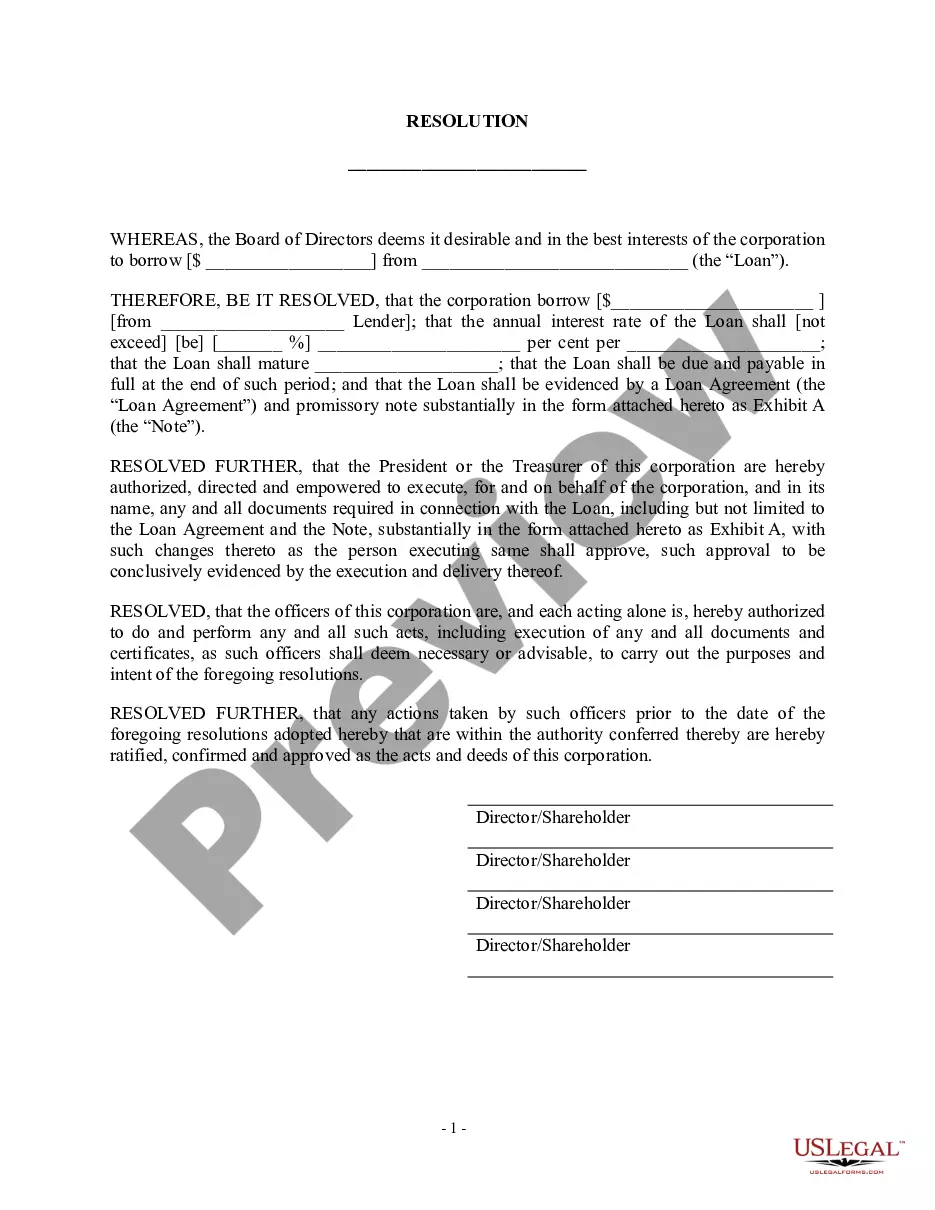
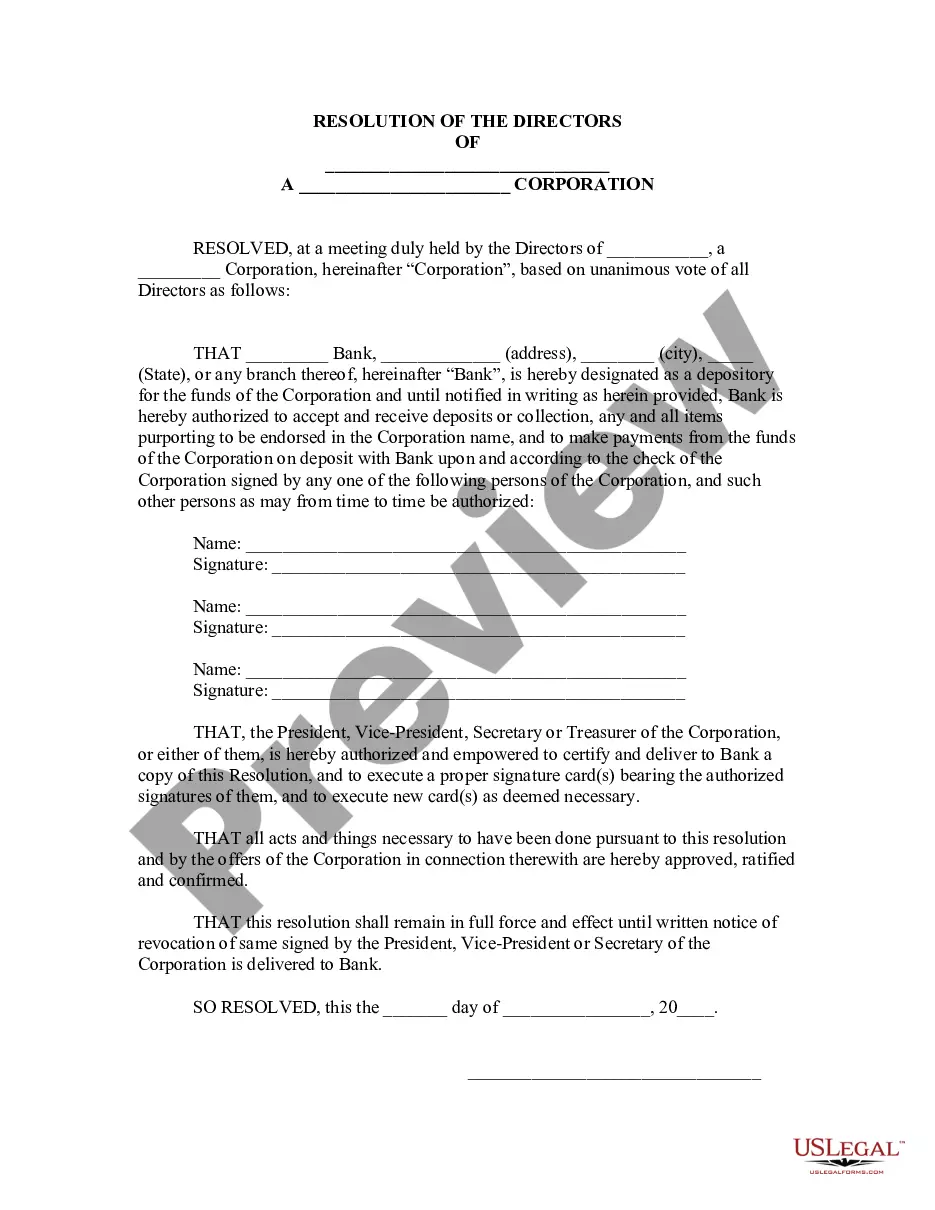
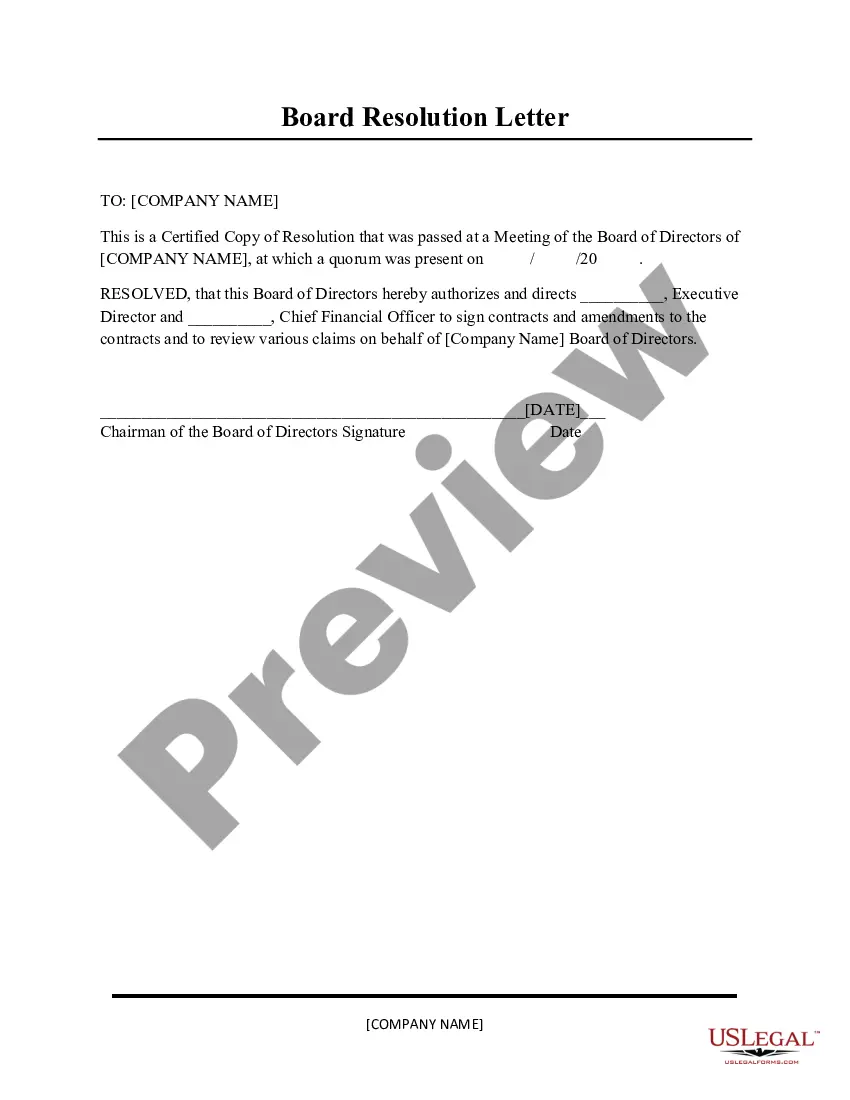
Get your form ready online
Our built-in tools help you complete, sign, share, and store your documents in one place.
Make edits, fill in missing information, and update formatting in US Legal Forms—just like you would in MS Word.
Download a copy, print it, send it by email, or mail it via USPS—whatever works best for your next step.
Sign and collect signatures with our SignNow integration. Send to multiple recipients, set reminders, and more. Go Premium to unlock E-Sign.
If this form requires notarization, complete it online through a secure video call—no need to meet a notary in person or wait for an appointment.
We protect your documents and personal data by following strict security and privacy standards.

Make edits, fill in missing information, and update formatting in US Legal Forms—just like you would in MS Word.

Download a copy, print it, send it by email, or mail it via USPS—whatever works best for your next step.

Sign and collect signatures with our SignNow integration. Send to multiple recipients, set reminders, and more. Go Premium to unlock E-Sign.

If this form requires notarization, complete it online through a secure video call—no need to meet a notary in person or wait for an appointment.

We protect your documents and personal data by following strict security and privacy standards.
Looking for another form?








Form popularity
FAQ
“UCC” stands for Uniform Commercial Code. The Uniform Commercial Code is a uniform law that governs commercial transactions, including sales of goods, secured transactions and negotiable instruments.
In all cases, you should file a UCC-1 with the secretary of state's office in the state where the debtor is incorporated or organized (if a business), or lives (if an individual).
Authorizing and Filing UCC Terminations Prepare and complete a UCC-3 amendment form to include: The filing number of the initial financing statement to which amendment relates. Review and review again for any mistakes or incorrect information. Submit the filing to Secretary of State's office in the appropriate state.
A. The UCC-1 form is used to establish a creditor's claim on personal property as collateral. By filing this form, creditors notify the public and other potential creditors of their interest in specific assets. It creates a public record that determines the priority of competing claims.
Yes. By filing an amendment to the original UCC document, you may add an assignee to the collateral associated with the UCC filing.
Upon the expiration of the five-year period, the financing statement lapses in the same manner as provided in subsection (c), unless, before the lapse, another continuation statement is filed pursuant to subsection (d).
New York State's Uniform Commercial Code (“UCC”) guides the sale of commercial business transactions, including the sale of goods between parties. Article 9 of the UCC governs transactions that combine a debt with a creditor's interest in a debtor's personal property.
3 (Uniform Commercial Code3 statement) is a legal filing used to make any changes to a current UCC1 filing. In short, a UCC3 is considered an amendment filing. With Fast Track Filing, you can amend a UCC1 filing in a few ways: 1. Termination: This filing extinguishes the UCC1 before its fiveyear term ends.
The mailing address is: DC Office of the Recorder of Deeds 1101 4th Street, SW, Suite 500 Washington, DC 20024. Where can I record UCC documents? UCC documents can be recorded with the DC Office of the Recorder of Deeds.
By Mail, Fax, or E-mail: Written requests containing up to five entity names may be submitted by mail directed to the Department of State, Division of Corporations, One Commerce Plaza, 99 Washington Avenue, Albany, NY 12231; by fax to (518) 473-1654; or by e-mail (corporations@dos.ny).