Completion Report For Construction Project In Montgomery
Description
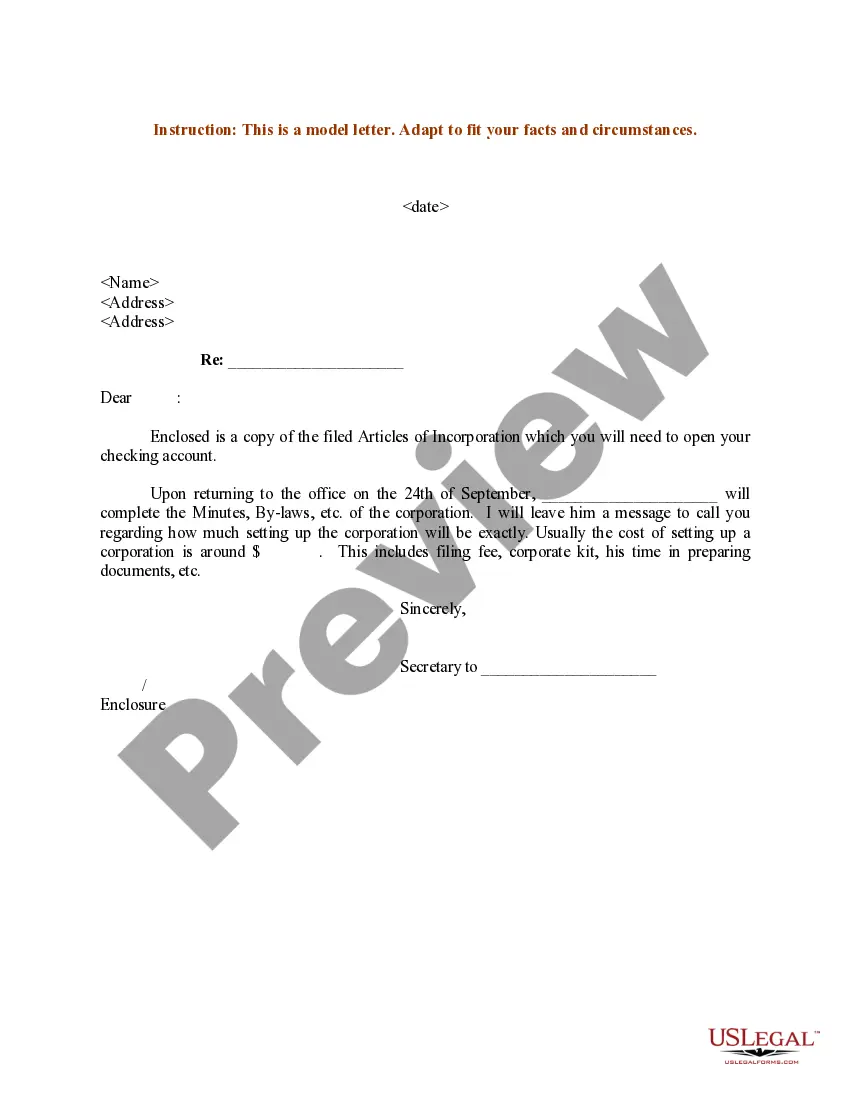
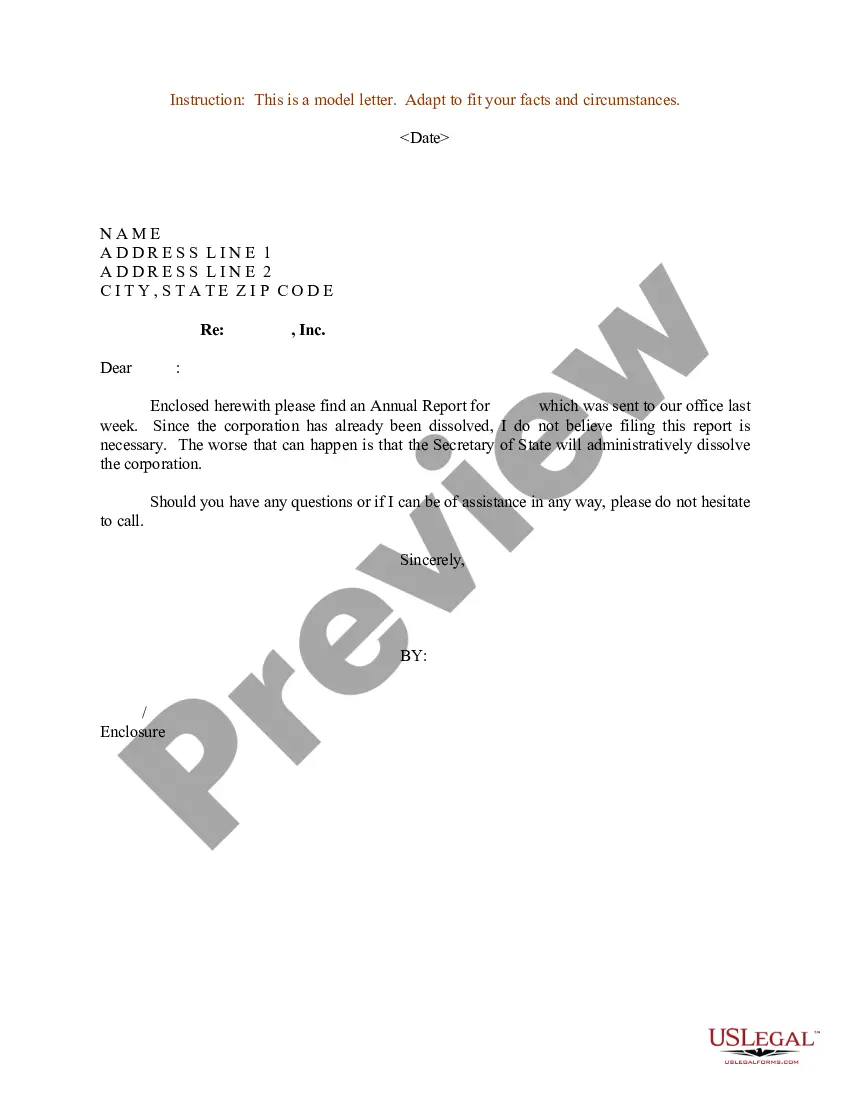
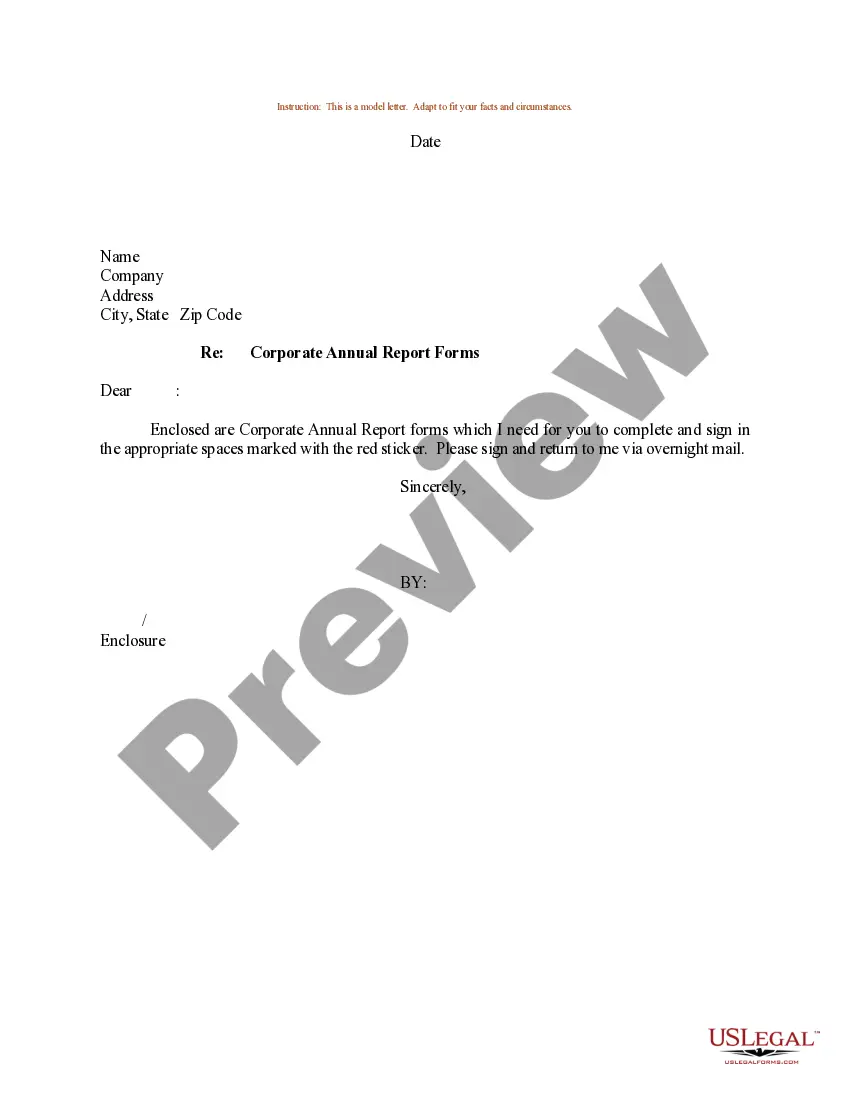
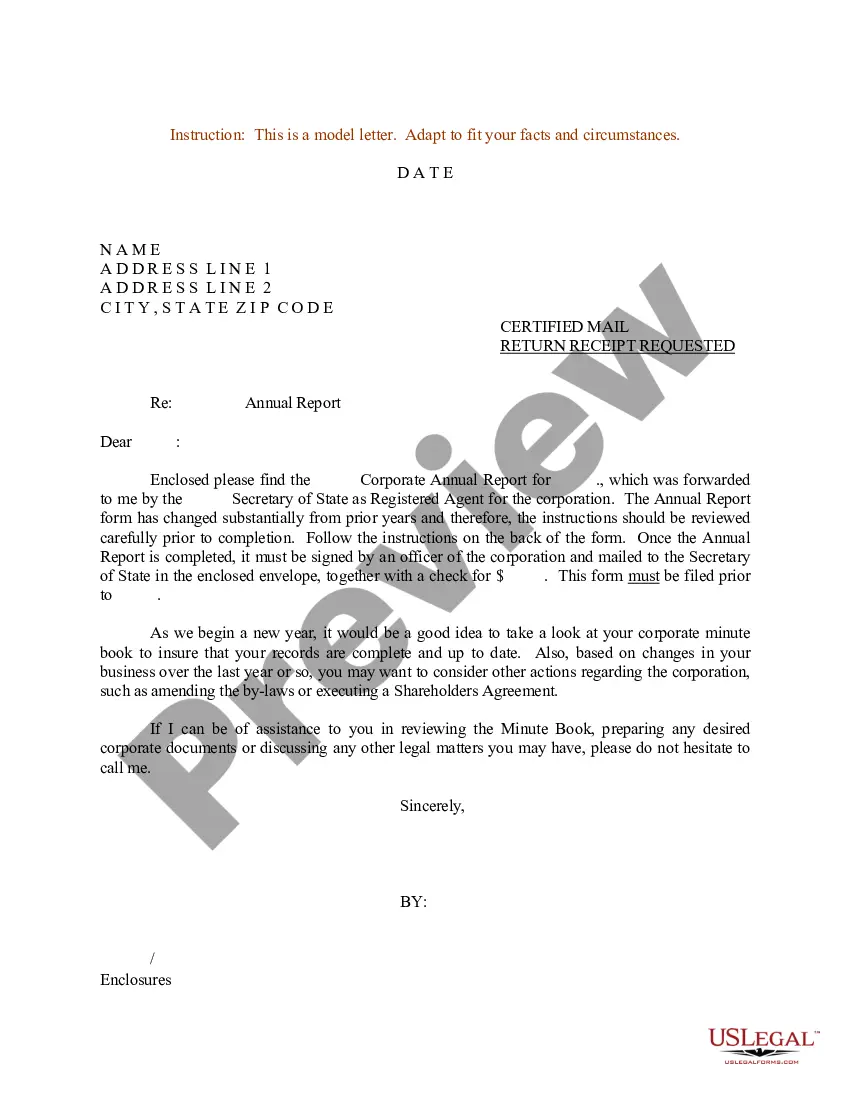
Get your form ready online
Our built-in tools help you complete, sign, share, and store your documents in one place.
Make edits, fill in missing information, and update formatting in US Legal Forms—just like you would in MS Word.
Download a copy, print it, send it by email, or mail it via USPS—whatever works best for your next step.
Sign and collect signatures with our SignNow integration. Send to multiple recipients, set reminders, and more. Go Premium to unlock E-Sign.
If this form requires notarization, complete it online through a secure video call—no need to meet a notary in person or wait for an appointment.
We protect your documents and personal data by following strict security and privacy standards.

Make edits, fill in missing information, and update formatting in US Legal Forms—just like you would in MS Word.

Download a copy, print it, send it by email, or mail it via USPS—whatever works best for your next step.

Sign and collect signatures with our SignNow integration. Send to multiple recipients, set reminders, and more. Go Premium to unlock E-Sign.

If this form requires notarization, complete it online through a secure video call—no need to meet a notary in person or wait for an appointment.

We protect your documents and personal data by following strict security and privacy standards.
Looking for another form?



Form popularity
FAQ
A project report format is completely customizable depending on the project requirements and your choices. However, it should focus on the specific objectives of the project, its methodology, major findings, and progress.
These reports capture the daily activities on the construction site, including: Work Performed: A summary of the tasks completed each day. Labor and Equipment Usage: Details of the workforce and machinery utilized. Weather Conditions: Impact of weather on the day's activities.
A final report is prepared by the contract administrator at the end at the end of the defects liability period once all defects have been rectified. The final report should provide a summary of activities during the construction phase, describing: The works that have been completed.
The key steps for writing a report are 1) selecting a topic, 2) conducting research, 3) creating a thesis statement, 4) preparing an outline, 5) drafting the report, 6) revising the content, and 7) proofreading for final touches.
Follow these steps to make a construction daily report: Format the report. Fill in site information. Fill in work progress. Fill in workers and visitors present at the site. Include equipment and material updates. Add information about events. Check and affirm the information. Send daily reports to stakeholders.
What Are The Stages Of A Construction Project? Step 1: Design. The design phase is a critical stage in any construction project, laying the foundation for the entire build. Step 2: Pre-Construction. Step 3: Procurement. Step 4: Construction. Step 5: Commissioning. Step 6: Owner Occupancy. Step 7: Project Closeout.
How to write a project report: Understand the purpose: Know the “why” and “who” to guide the content and tone. Gather and organize information: Collect accurate and up-to-date data, and structure it logically. Format and proofread: Ensure consistent formatting and check for errors.
How To Write A Project Progress Report Begin with the project overview. Define your target audience. Include an executive summary. Describe the project progress and health. Specify milestones. Flag current and potential obstacles. Use templates to create progress reports.
How to create a construction work in progress report List work details. Determine weather. Include completed tasks. List hours worked and employees involved in the construction. List equipment and usage. Include materials and usage. Identify potential delays. Add a safety report.

