Completion Certificate For Residential Building In Georgia
Description
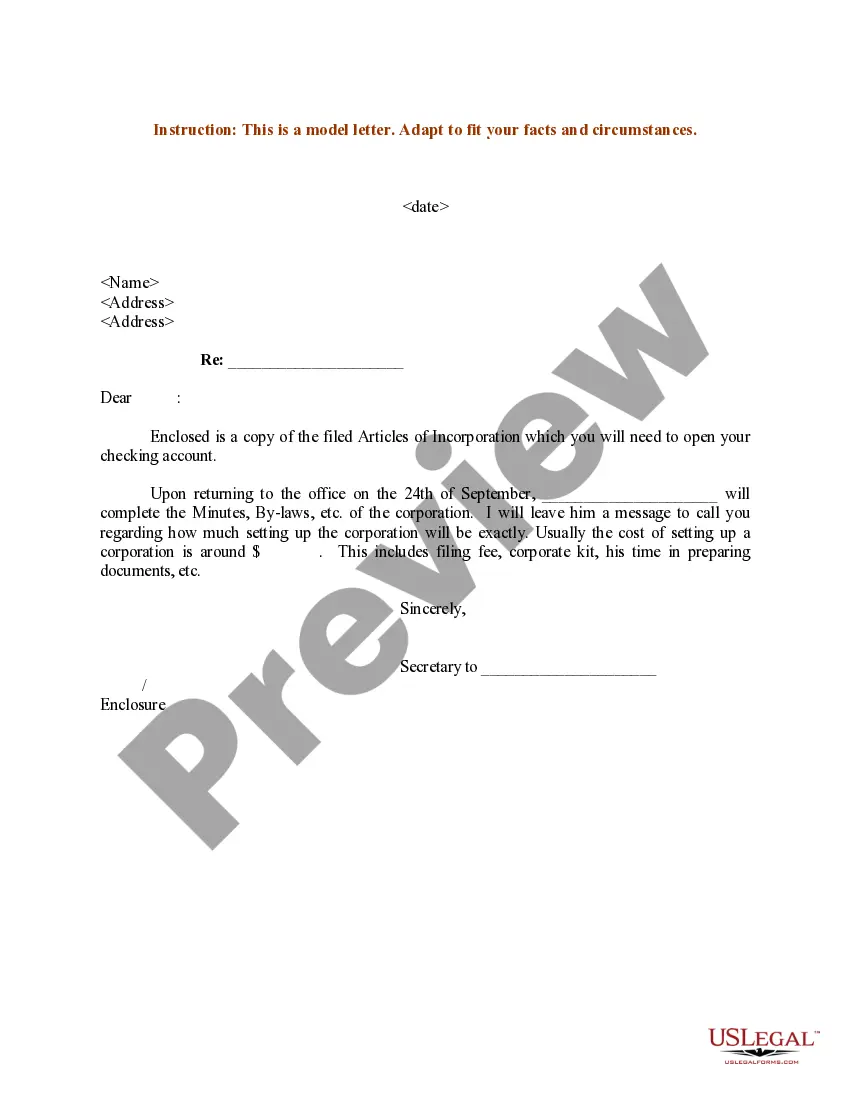
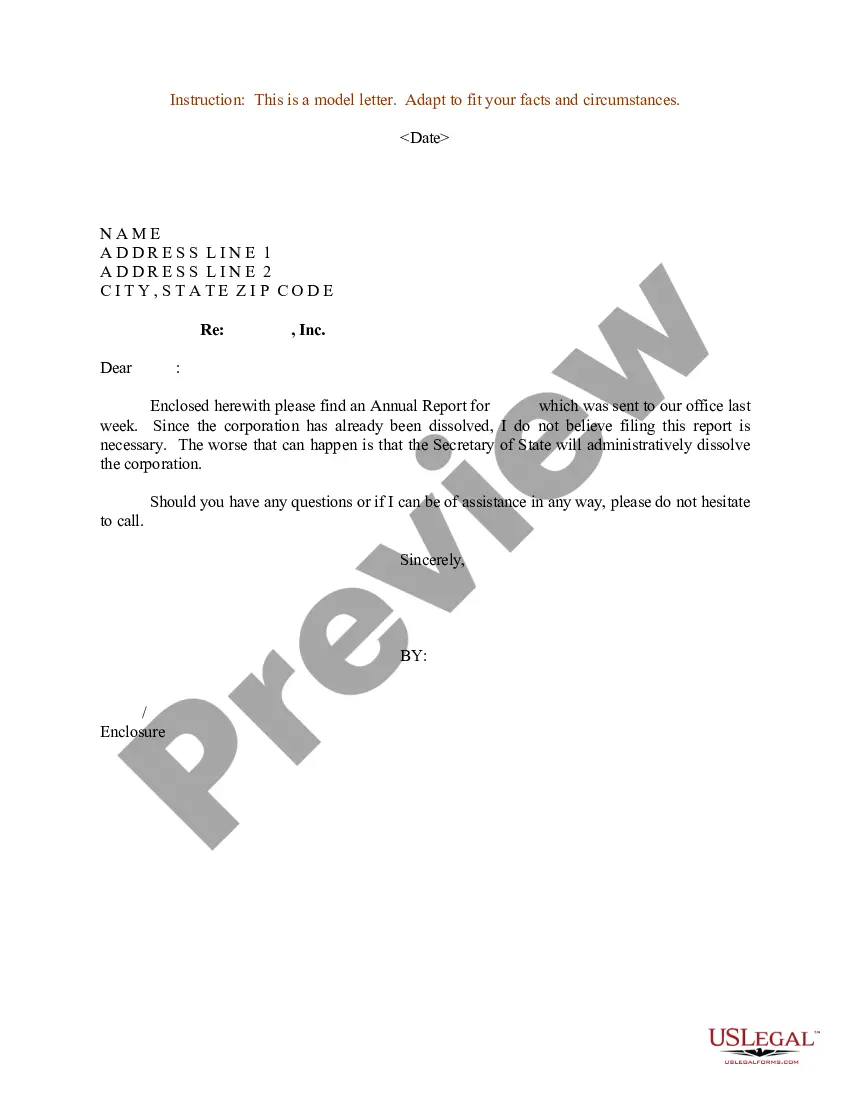
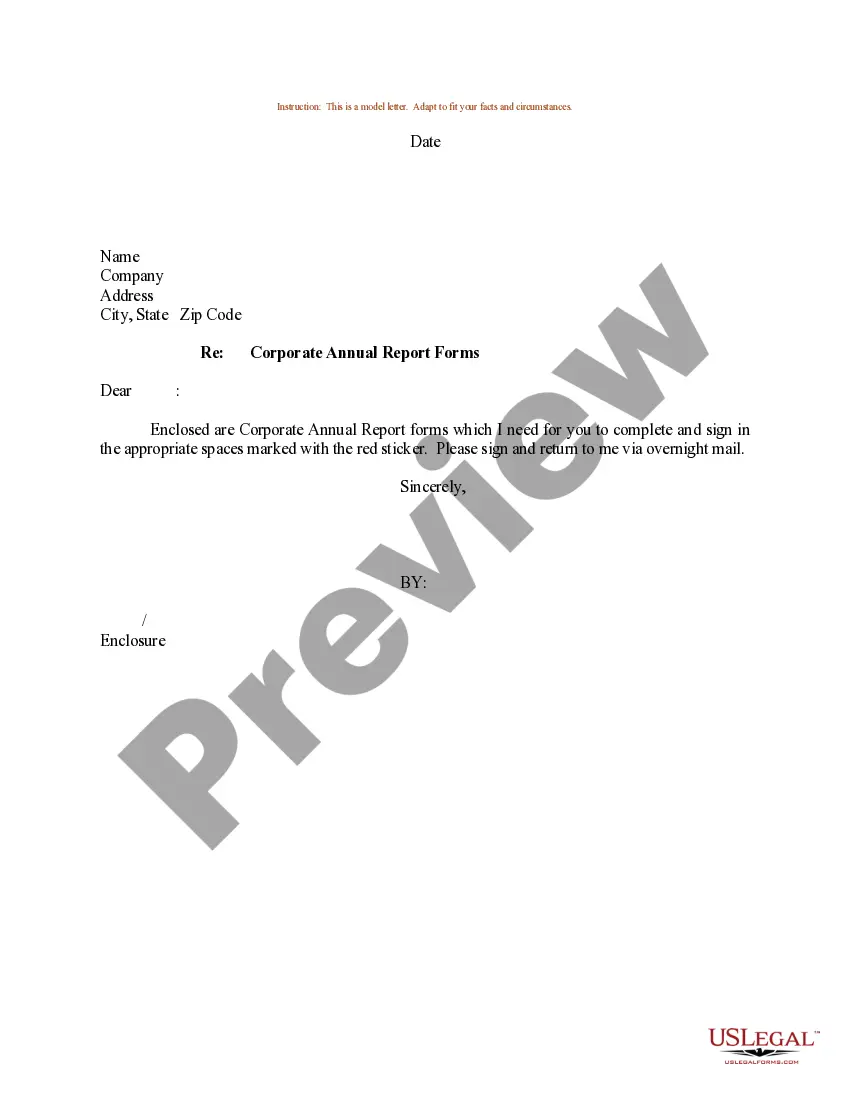
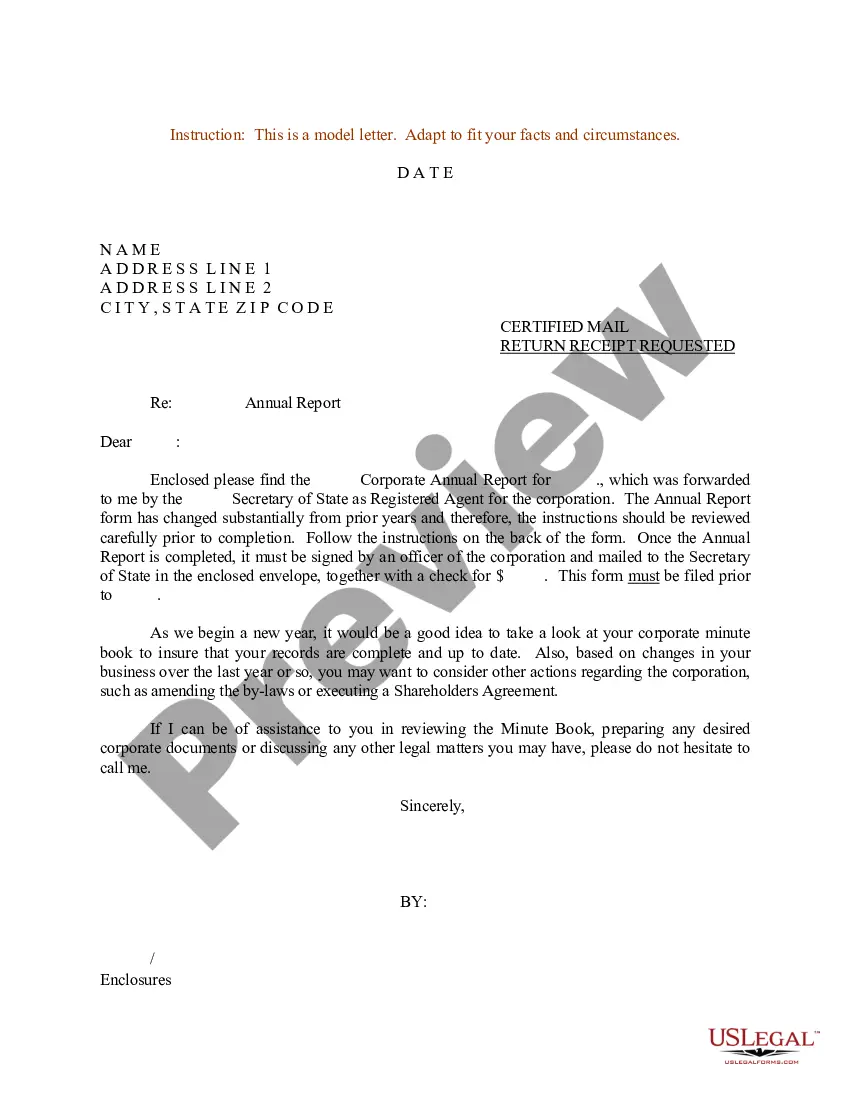
Get your form ready online
Our built-in tools help you complete, sign, share, and store your documents in one place.
Make edits, fill in missing information, and update formatting in US Legal Forms—just like you would in MS Word.
Download a copy, print it, send it by email, or mail it via USPS—whatever works best for your next step.
Sign and collect signatures with our SignNow integration. Send to multiple recipients, set reminders, and more. Go Premium to unlock E-Sign.
If this form requires notarization, complete it online through a secure video call—no need to meet a notary in person or wait for an appointment.
We protect your documents and personal data by following strict security and privacy standards.

Make edits, fill in missing information, and update formatting in US Legal Forms—just like you would in MS Word.

Download a copy, print it, send it by email, or mail it via USPS—whatever works best for your next step.

Sign and collect signatures with our SignNow integration. Send to multiple recipients, set reminders, and more. Go Premium to unlock E-Sign.

If this form requires notarization, complete it online through a secure video call—no need to meet a notary in person or wait for an appointment.

We protect your documents and personal data by following strict security and privacy standards.
Looking for another form?










Form popularity
FAQ
As a rule, we expect that residential permits (new construction and additions/remodels) are typically approved in two weeks. Commercial and multi-family (three or more units) may take more than 30 days. The potential factors that can create delays are numerous.
Who should obtain the permit? Contractors licensed by the State of Georgia or your agent can obtain permits. The home owner can also obtain the permits.
If a permit, when needed, is not obtained before construction, you have violated city codes and regulations; you'll be subject to fines and penalties. You'll be required to obtain permits for the work and it must pass inspection, or you'll have to return the structure or site to its original condition.
Obtaining a Certificate of Occupancy for Construction Projects. The general contractor is typically responsible for obtaining a certificate of occupancy.
How do I get a Certificate of Occupancy (CO)? The City will process the Certificate of Occupancy (CO) within two business days following submittal of all required documents, receipt of all approvals, and completion of all required inspections.
Technically the answer could be yes because the certificate is about the property being occupied. If you aren't moving in yet, you aren't occupying it. While you might not technically be occupying the space, you shouldn't move anything in.
Cosmetic work or repair work (re-roofing; re-siding; flooring; replacement of kitchen cabinets, etc.) may not require a permit, unless the work involves structural items or plumbing or electrical work.
New Residence – All new residential uses including one and two family require a final inspection and certificate of occupancy prior to use. Changes of Use / Ownership – Changes in the business type or use of a building require a new certificate of occupancy. .
All new buildings or building additions require issuance of a building permit and, in most cases, any remodeling that involves structural work (moving or eliminating walls) or any work which increases the living space of your home (finishing attic or basement areas) will require a building permit.

