Letter Engagement Document Without Comments In Washington
Description
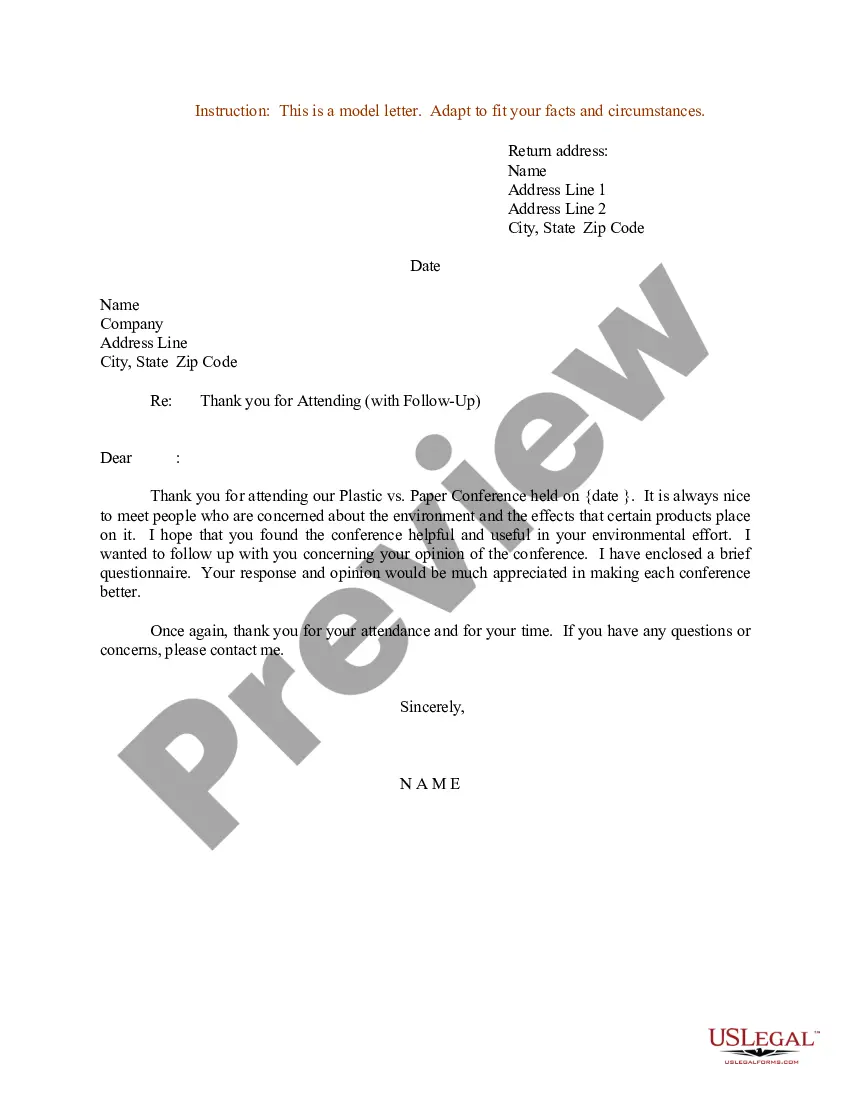
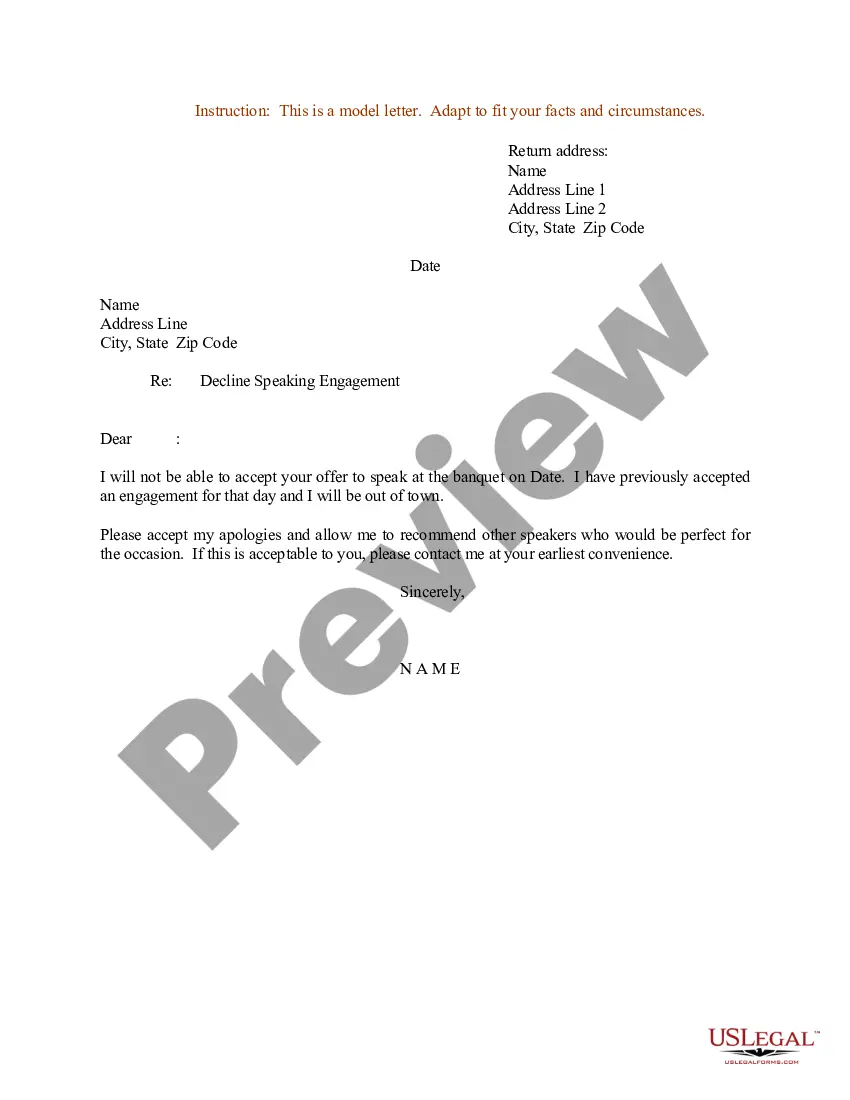
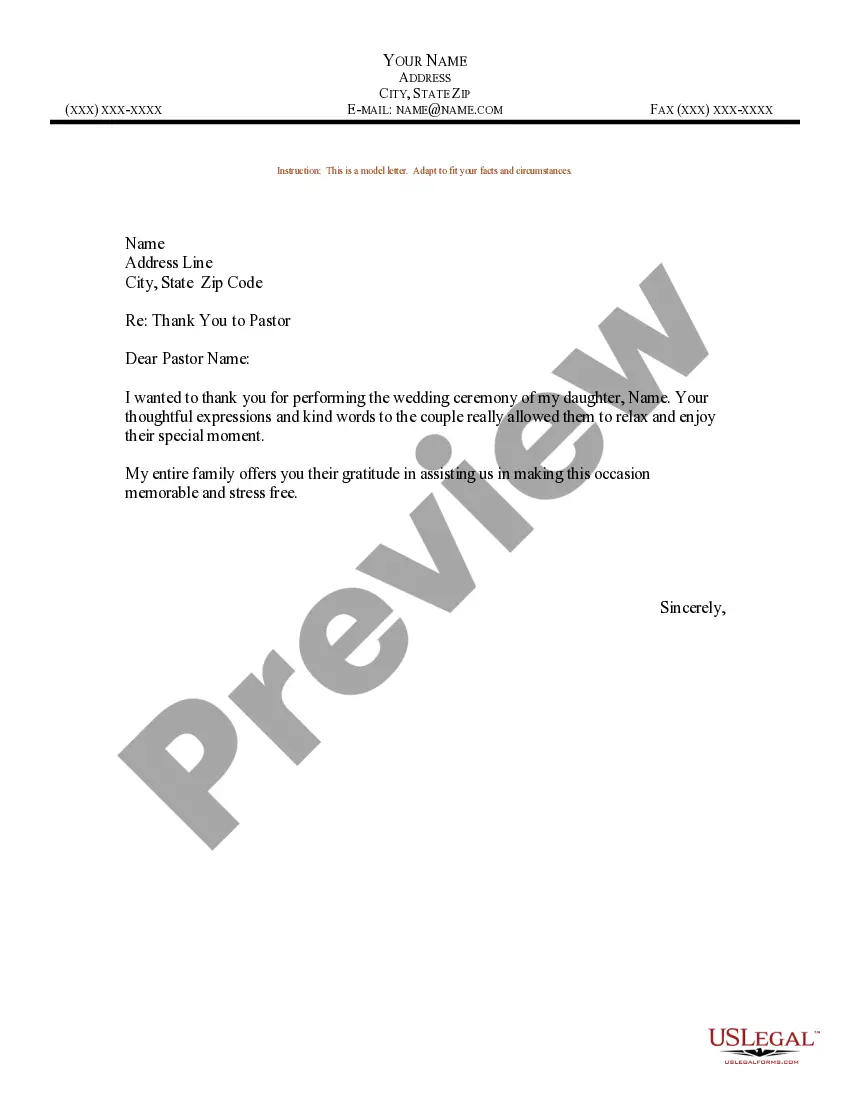
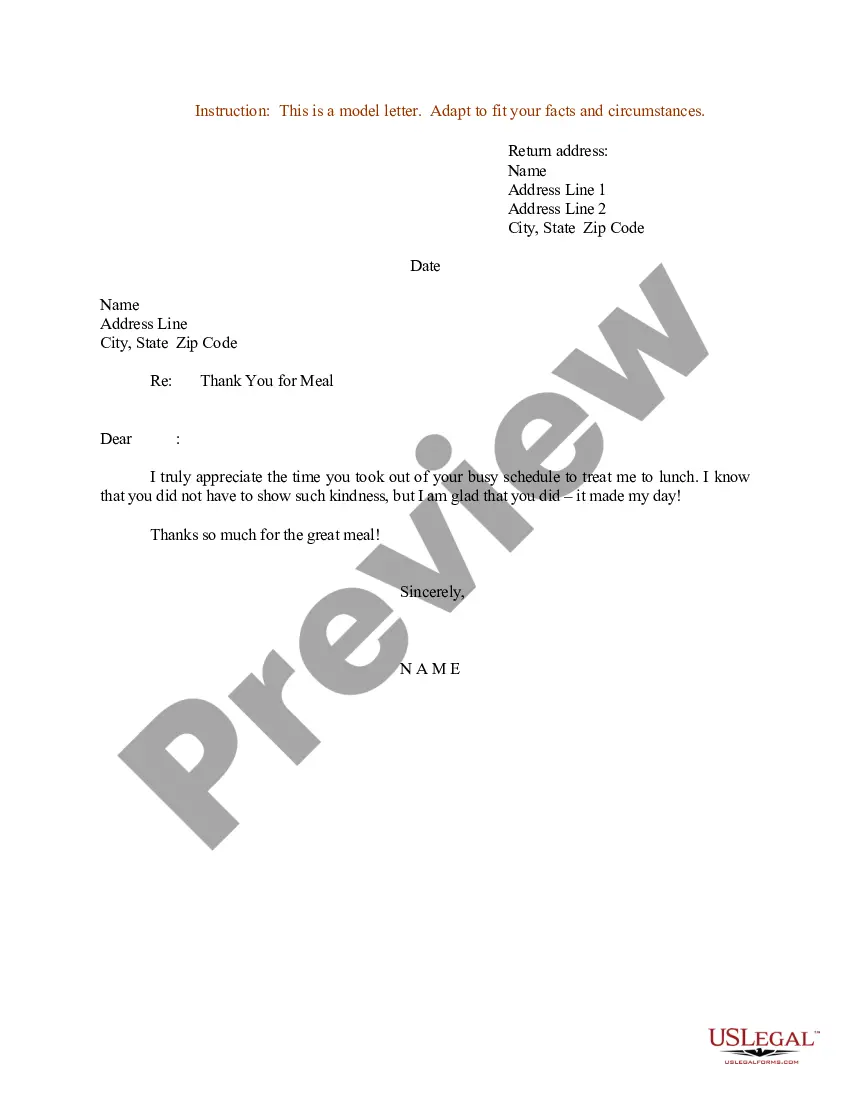
Get your form ready online
Our built-in tools help you complete, sign, share, and store your documents in one place.
Make edits, fill in missing information, and update formatting in US Legal Forms—just like you would in MS Word.
Download a copy, print it, send it by email, or mail it via USPS—whatever works best for your next step.
Sign and collect signatures with our SignNow integration. Send to multiple recipients, set reminders, and more. Go Premium to unlock E-Sign.
If this form requires notarization, complete it online through a secure video call—no need to meet a notary in person or wait for an appointment.
We protect your documents and personal data by following strict security and privacy standards.

Make edits, fill in missing information, and update formatting in US Legal Forms—just like you would in MS Word.

Download a copy, print it, send it by email, or mail it via USPS—whatever works best for your next step.

Sign and collect signatures with our SignNow integration. Send to multiple recipients, set reminders, and more. Go Premium to unlock E-Sign.

If this form requires notarization, complete it online through a secure video call—no need to meet a notary in person or wait for an appointment.

We protect your documents and personal data by following strict security and privacy standards.
Looking for another form?








Form popularity
FAQ
An audit engagement letter is one of the most crucial initial items in the entire audit process reflecting the general terms, responsibilities and the scope of the audit service by the auditor and his or her client. Learn about official guidelines, standards and key elements.
In practice, practitioners are urged to use engagement letters for all compilation and review engagements. The statement does not address whether the letter can be a perpetual letter, or needs to be issued annually. Again, the better practice would be to obtain an engagement letter each year.
In fact, in the event of a dispute, one of the first documents requested is the engagement letter. Engagement letters can help prevent a disagreement from growing to a claim. If a claim should arise, the existence of an engagement letter generally leads to lower claim severity.
Review Engagement Documentation Requirements The accountant should prepare and retain the following documentation: Engagement letter. A copy of the reviewed financial statements. Accountant's review report.
You need a form of engagement document, but you don't necessarily need customised letters. An engagement brochure meets the requirements of APES 220 Taxation Services and APES 305 Terms of Engagement. You should make sure the client acknowledges receipt.
An engagement letter is drafted by the company rendering the service, often with the help of a lawyer. It is than presented to the client, and both parties must sign in order for it to be legally binding.
8 Critical Elements of an Effective Engagement Letter CLIENT NAME. The first critical element may seem obvious—the identities of the parties involved in the engagement. SCOPE OF SERVICES. CPA FIRM RESPONSIBILITIES. CLIENT RESPONSIBILITIES. DELIVERABLES. ENGAGEMENT TIMING. TERMINATION AND WITHDRAWAL. BILLING AND FEES.
Note: If you want to print your document without any comments, go to Review > Tracking > No Markup and then print your document.

