Habeas Corpus Petition Form With Court In Suffolk
Description

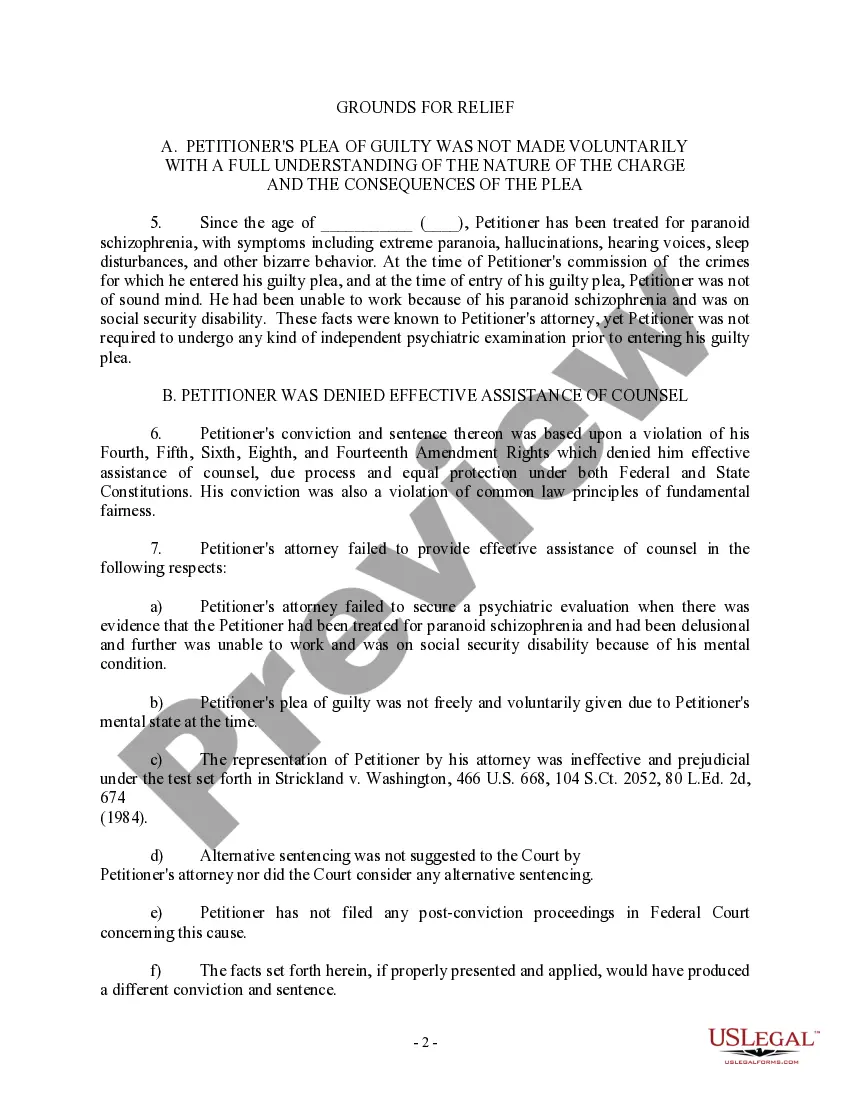
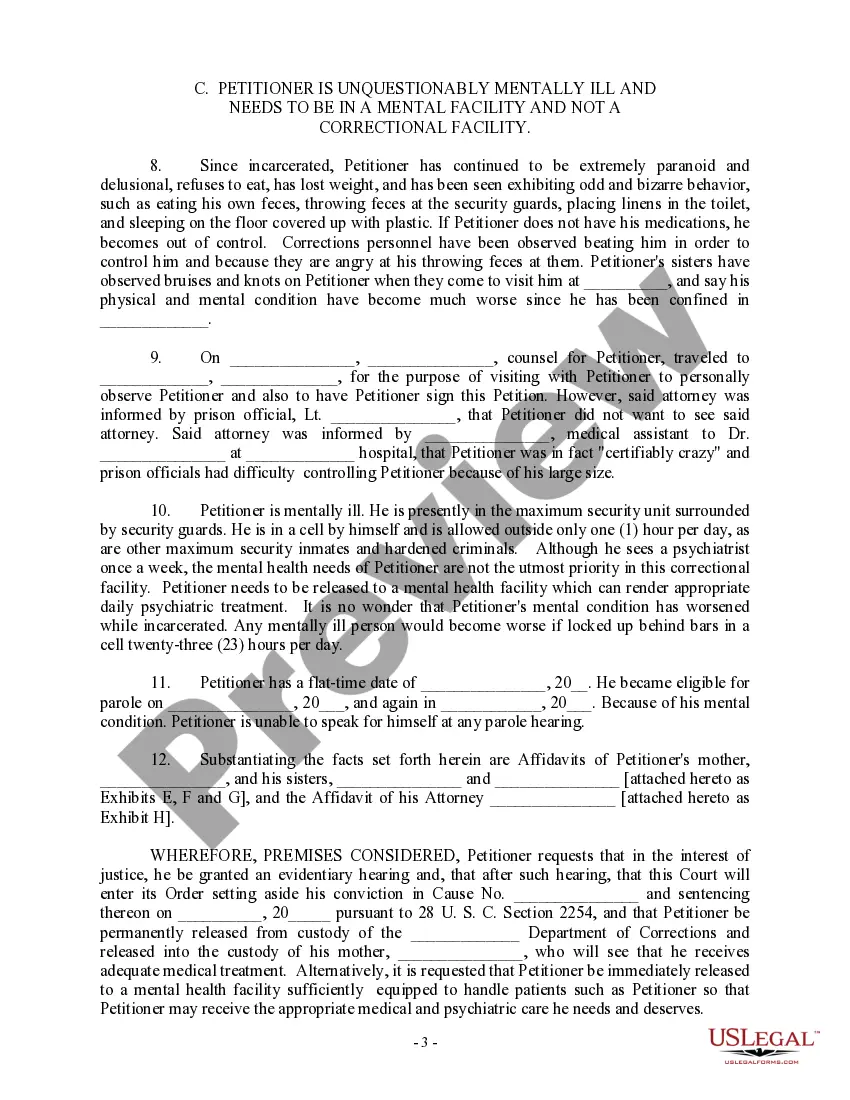
Get your form ready online
Our built-in tools help you complete, sign, share, and store your documents in one place.
Make edits, fill in missing information, and update formatting in US Legal Forms—just like you would in MS Word.
Download a copy, print it, send it by email, or mail it via USPS—whatever works best for your next step.
Sign and collect signatures with our SignNow integration. Send to multiple recipients, set reminders, and more. Go Premium to unlock E-Sign.
If this form requires notarization, complete it online through a secure video call—no need to meet a notary in person or wait for an appointment.
We protect your documents and personal data by following strict security and privacy standards.

Make edits, fill in missing information, and update formatting in US Legal Forms—just like you would in MS Word.

Download a copy, print it, send it by email, or mail it via USPS—whatever works best for your next step.

Sign and collect signatures with our SignNow integration. Send to multiple recipients, set reminders, and more. Go Premium to unlock E-Sign.

If this form requires notarization, complete it online through a secure video call—no need to meet a notary in person or wait for an appointment.

We protect your documents and personal data by following strict security and privacy standards.
Looking for another form?



Form popularity
FAQ
Any federal court may grant a writ of habeas corpus to a petitioner who is within its jurisdiction. The habeas petition must be in writing and signed and verified either by the petitioner seeking relief or by someone acting on his or her behalf.
The following are some common grounds for writ of habeas corpus petitions: Introduction of new evidence that points to your innocence. Changes in the law. Incompetency during trial. Ineffective assistance of counsel. Conviction under unconstitutional law. Prosecutorial misconduct. No jurisdiction.
For most Family Courts, you can submit your petition in person, online through the Electronic Document Delivery System (EDDS) or New York State Courts Electronic Filing (NYSCEF), or by mail. If you are not sure which method you can use, contact the Family Court directly.
Pursuant to the California Constitution, all Superior Courts and appellate courts have the original jurisdiction to grant habeas relief. (Article VI, section 10.)
State every ground (reason) that supports your claim that you are being held in violation of the Constitution, laws, or treaties of the United States. Attach additional pages if you have more than four grounds. State the facts supporting each ground. Any legal arguments must be submitted in a separate memorandum.
Habeas Corpus petitions are filed in a California court by inmates or, more specifically, their attorneys, claiming they have been unlawfully detained or imprisoned. It is considered a last legal resort after other legal remedies and appeals have been exhausted.
A writ of habeas corpus is used to bring a prisoner or other detainee (e.g. institutionalized mental patient) before the court to determine if the person's imprisonment or detention is lawful. A habeas petition proceeds as a civil action against the State agent (usually a warden) who holds the defendant in custody.
It strengthened the ancient and powerful writ which had been a feature of English Common Law since before Magna Carta. It served to safeguard individual liberty, preventing unlawful or arbitrary imprisonment. Habeas Corpus is Latin for “you may have the body” – subject to legal examination before a court, or a judge.
The difference between these two writs is that habeas corpus is designed to enforce the right to freedom of the person, whereas amparo is designed to protect those other fundamental human rights enshrined in the Constitution but not covered by the writ of habeas corpus.”
- Except as otherwise expressly provided by law, the writ of habeas corpus shall extend to all cases of illegal confinement or detention by which any person is deprived of his liberty, or by which the rightful custody of any person is withheld from the person entitled thereto.
