Engagement Letter Format In Washington
Description

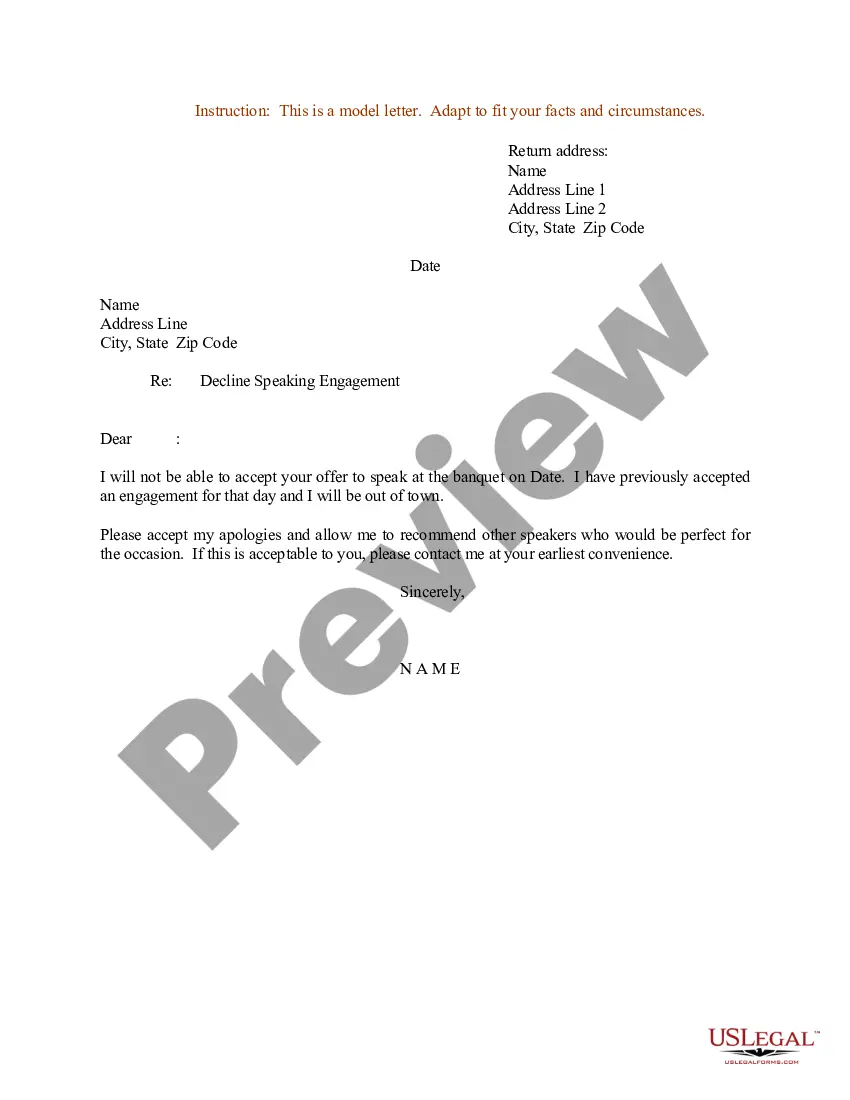

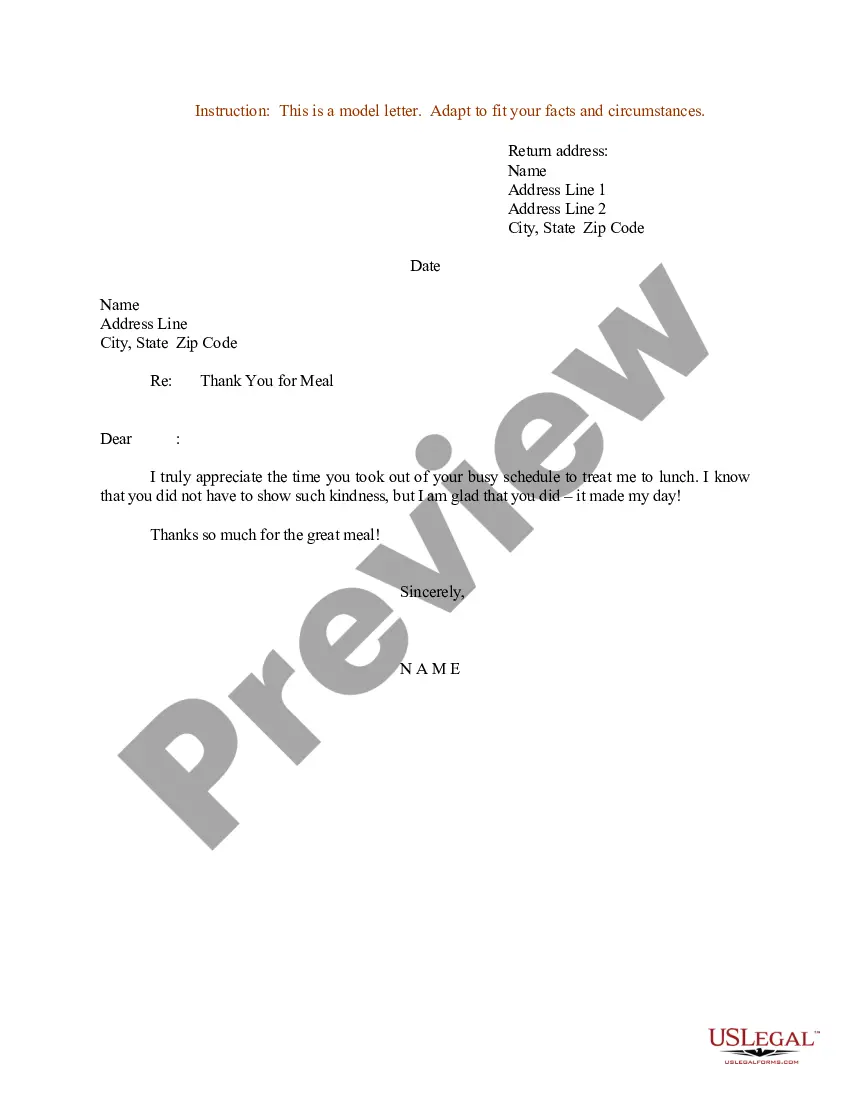
Get your form ready online
Our built-in tools help you complete, sign, share, and store your documents in one place.
Make edits, fill in missing information, and update formatting in US Legal Forms—just like you would in MS Word.
Download a copy, print it, send it by email, or mail it via USPS—whatever works best for your next step.
Sign and collect signatures with our SignNow integration. Send to multiple recipients, set reminders, and more. Go Premium to unlock E-Sign.
If this form requires notarization, complete it online through a secure video call—no need to meet a notary in person or wait for an appointment.
We protect your documents and personal data by following strict security and privacy standards.

Make edits, fill in missing information, and update formatting in US Legal Forms—just like you would in MS Word.

Download a copy, print it, send it by email, or mail it via USPS—whatever works best for your next step.

Sign and collect signatures with our SignNow integration. Send to multiple recipients, set reminders, and more. Go Premium to unlock E-Sign.

If this form requires notarization, complete it online through a secure video call—no need to meet a notary in person or wait for an appointment.

We protect your documents and personal data by following strict security and privacy standards.
Looking for another form?






Form popularity
FAQ
Contents Defining the purpose of the letter and the termination of the employment relationship. Establish the date of termination. Reference any applicable laws or contractual obligations. Outlining the rights and responsibilities of the employee and the employer.
The content of an engagement letter often includes important details such as the scope of services to be provided, fees or billing arrangements, confidentiality clauses, dispute resolution mechanisms, and any other relevant terms agreed upon by both parties.
At a minimum, the non-engagement letter should clearly confirm that the licensee is not retained to provide legal services for the matter discussed at the consultation, identify the reasons for declining the retainer, and reference any applicable statute of limitations or upcoming court or tribunal dates.
Non-Engagement Letter Example After our conversation on <consultation date>, I wanted to formally inform you that <Your Law Firm's Name> will not be able to provide legal representation for your current matter involving <brief description of the legal issue>. Regrettably, <Reason why you cannot represent this client.
I met with you on _________, 20__, and have also reviewed the various copies of documents you provided me. I herewith return those documents to you for your use. I appreciate the confidence you have expressed in our firm, but for various reasons the firm has decided not to represent you in this matter.
Explain why you aren't considering them Offering a reason is optional, but it can help the candidate learn what they can improve for future roles. Briefly describe what you're looking for in a candidate that the recipient lacked. Some common reasons include missing skills, education or experience.
The service provider typically prepares the Letter of Engagement, be it a law firm, accounting agency, consultancy, or any professional offering services.
An engagement letter is drafted by the company rendering the service, often with the help of a lawyer. It is than presented to the client, and both parties must sign in order for it to be legally binding.
In summary, both the auditing firm and the organization being audited must sign the SOC report, with the organization signing the Management Assertion and Representation and the auditor signing the independent Auditors opinion within the SOC report.
8 Critical Elements of an Effective Engagement Letter CLIENT NAME. The first critical element may seem obvious—the identities of the parties involved in the engagement. SCOPE OF SERVICES. CPA FIRM RESPONSIBILITIES. CLIENT RESPONSIBILITIES. DELIVERABLES. ENGAGEMENT TIMING. TERMINATION AND WITHDRAWAL. BILLING AND FEES.

