Letter Speaking Engagement Without Disclosures In Virginia
Description
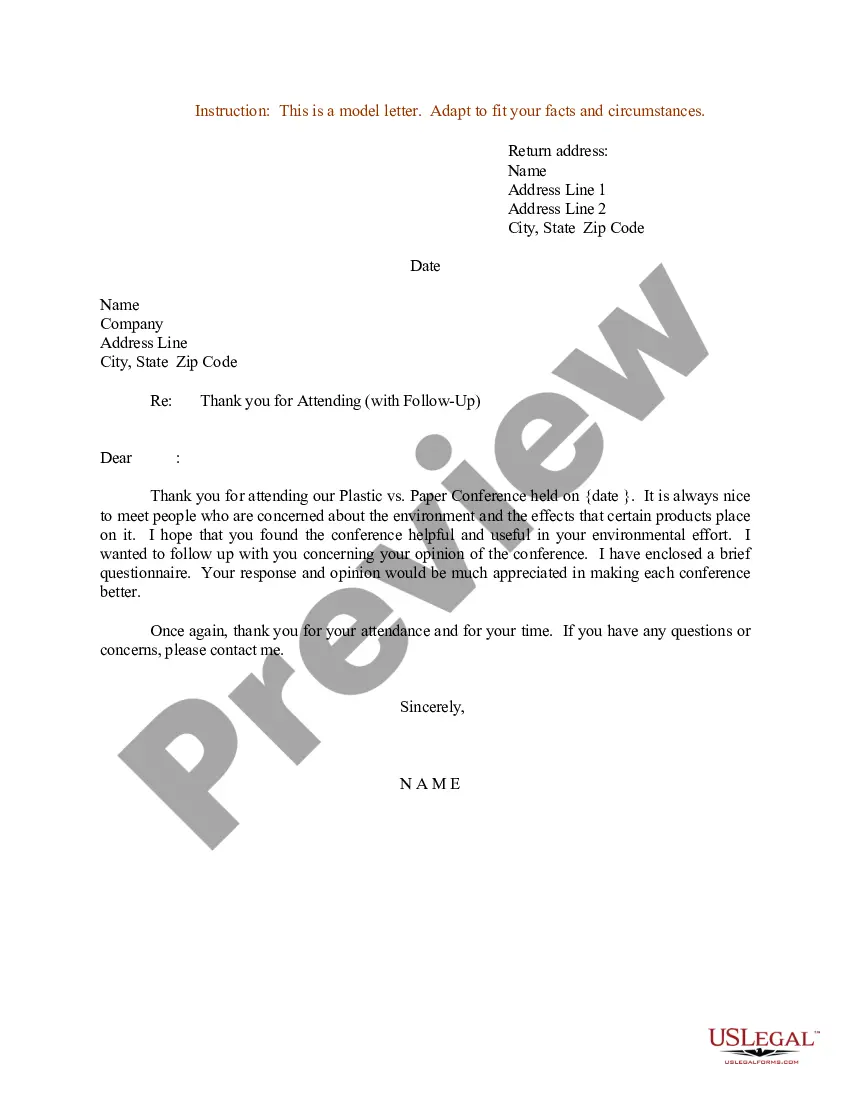
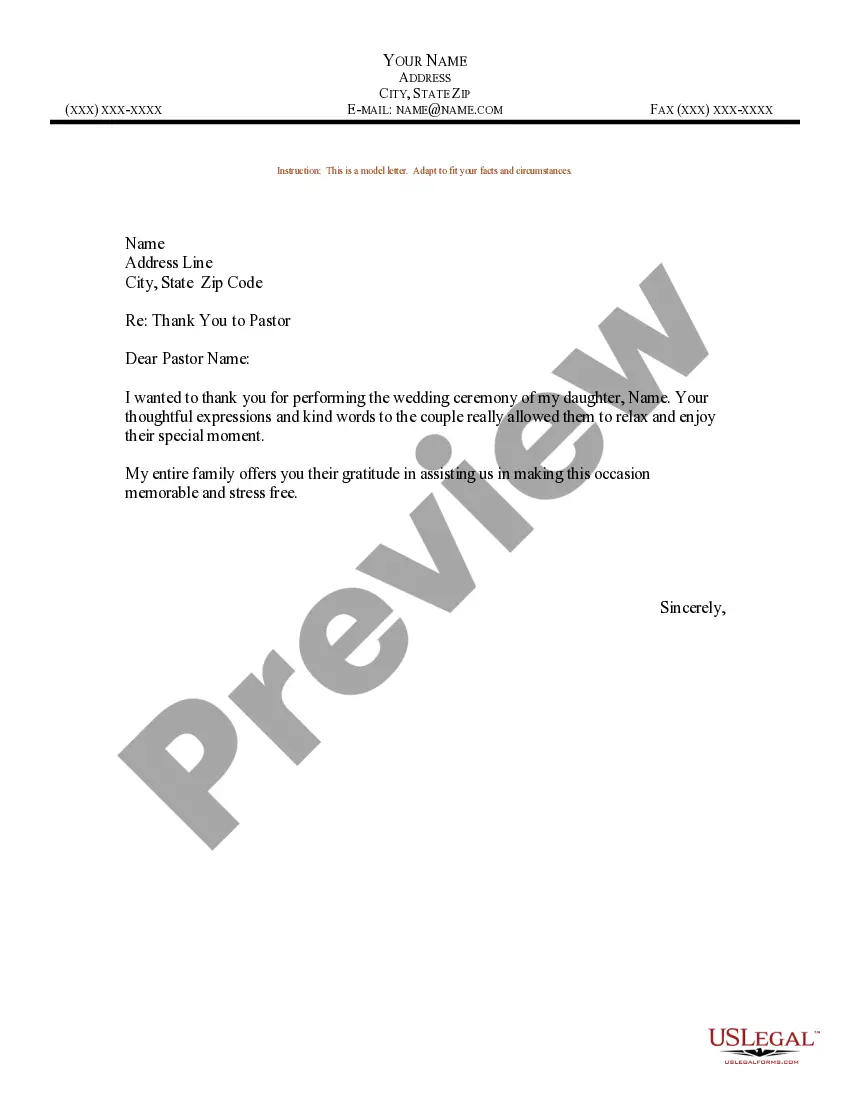
Get your form ready online
Our built-in tools help you complete, sign, share, and store your documents in one place.
Make edits, fill in missing information, and update formatting in US Legal Forms—just like you would in MS Word.
Download a copy, print it, send it by email, or mail it via USPS—whatever works best for your next step.
Sign and collect signatures with our SignNow integration. Send to multiple recipients, set reminders, and more. Go Premium to unlock E-Sign.
If this form requires notarization, complete it online through a secure video call—no need to meet a notary in person or wait for an appointment.
We protect your documents and personal data by following strict security and privacy standards.

Make edits, fill in missing information, and update formatting in US Legal Forms—just like you would in MS Word.

Download a copy, print it, send it by email, or mail it via USPS—whatever works best for your next step.

Sign and collect signatures with our SignNow integration. Send to multiple recipients, set reminders, and more. Go Premium to unlock E-Sign.

If this form requires notarization, complete it online through a secure video call—no need to meet a notary in person or wait for an appointment.

We protect your documents and personal data by following strict security and privacy standards.
Looking for another form?

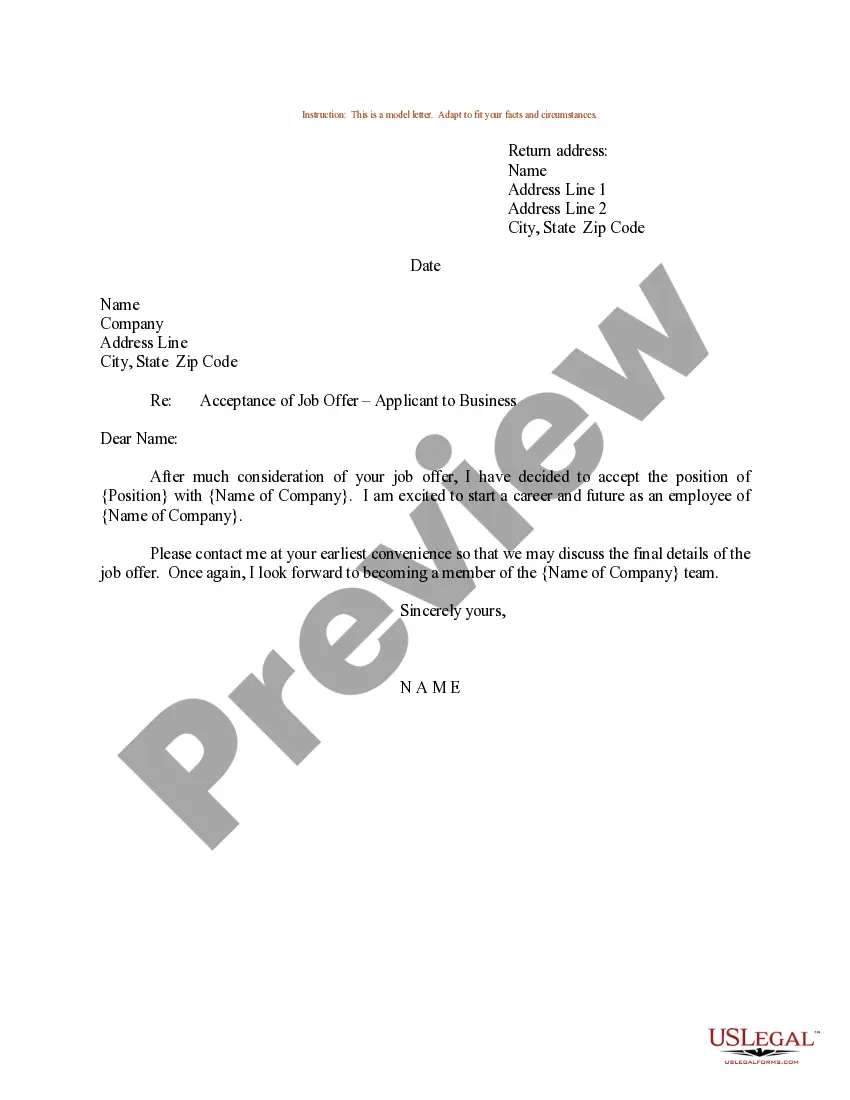








Form popularity
FAQ
A party whose claim for relief arising from identified conduct, a transaction, or an occurrence, is decided on the merits by a final judgment, is forever barred from prosecuting any second or subsequent civil action against the same opposing party or parties on any claim or cause of action that arises from that same ...
Rule 5.5 - Unauthorized Practice of Law; Multijurisdictional Practice of Law (a) A lawyer shall not practice law in a jurisdiction in violation of the regulation of the legal profession in that jurisdiction, or assist another in doing so.
Rule 1.6 - Confidentiality of Information (a) A lawyer shall not reveal information protected by the attorney-client privilege under applicable law or other information gained in the professional relationship that the client has requested be held inviolate or the disclosure of which would be embarrassing or would be ...
In representing a client, a lawyer shall not communicate about the subject of the representation with a person the lawyer knows to be represented by another lawyer in the matter, unless the lawyer has the consent of the other lawyer or is authorized by law to do so.
(1) Unless the court upon motion, for the convenience of parties and witnesses and in the interests of justice, orders otherwise, methods of discovery may be used in any sequence and the fact that a party is conducting discovery, whether by deposition or otherwise, shall not operate to delay any other party's discovery ...
Professional ethics are principles that govern the behaviour of a person or group in a business environment. Like values, professional ethics provide rules on how a person should act towards other people and institutions in such an environment.
Rule 6.1 of the Virginia Rules of Professional Conduct establishes an aspirational goal that every lawyer should render at least two percent per year of the lawyer's professional time to pro bono publico legal services.
RULE 7.1 Communications Concerning A Lawyer's Services A communication is false or misleading if it contains a material misrepresentation of fact or law, or omits a fact when omission of such fact makes the statement materially false or misleading as a whole.
The Federal Trade Commission's (FTC's) Cooling-Off Rule gives you three days to cancel purchases of $25 or more. Under the Cooling-Off Rule, your right to cancel for a full refund extends until midnight of the third business day after the sale.

