Sample Letter Engagement Draft For Audit Services In San Jose
Description
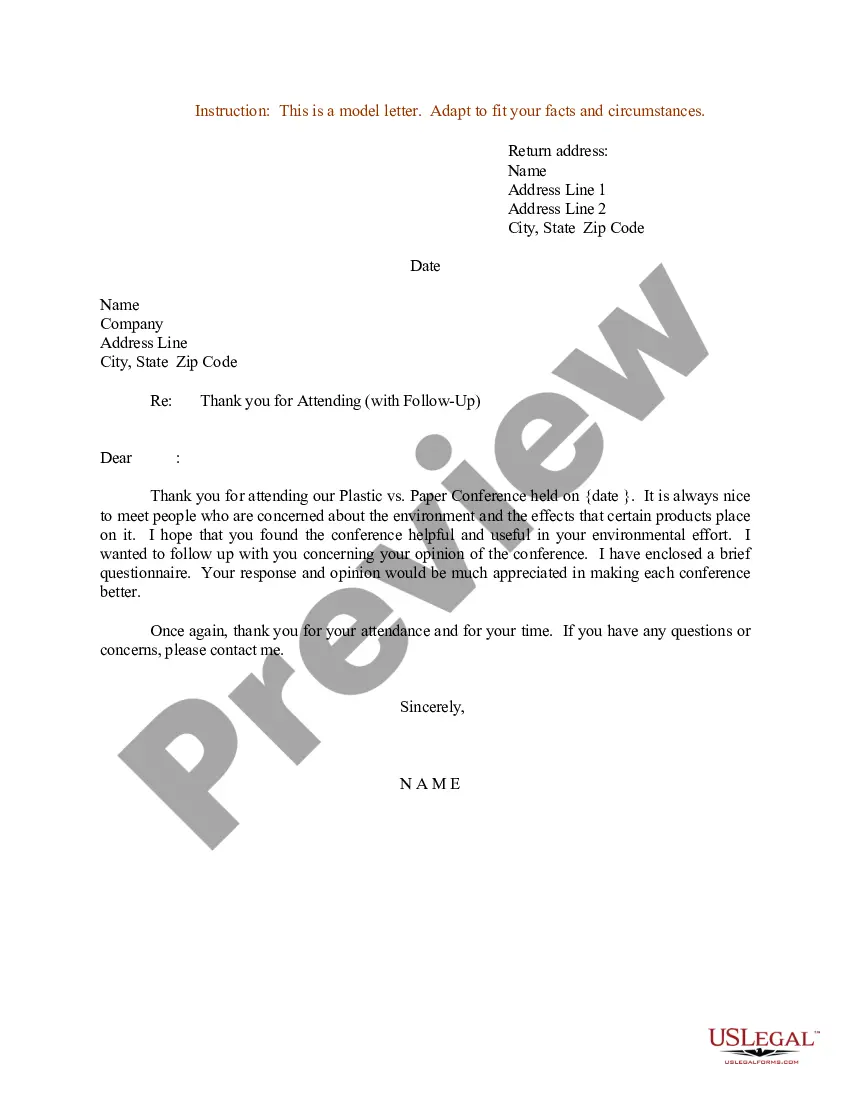
Get your form ready online
Our built-in tools help you complete, sign, share, and store your documents in one place.
Make edits, fill in missing information, and update formatting in US Legal Forms—just like you would in MS Word.
Download a copy, print it, send it by email, or mail it via USPS—whatever works best for your next step.
Sign and collect signatures with our SignNow integration. Send to multiple recipients, set reminders, and more. Go Premium to unlock E-Sign.
If this form requires notarization, complete it online through a secure video call—no need to meet a notary in person or wait for an appointment.
We protect your documents and personal data by following strict security and privacy standards.

Make edits, fill in missing information, and update formatting in US Legal Forms—just like you would in MS Word.

Download a copy, print it, send it by email, or mail it via USPS—whatever works best for your next step.

Sign and collect signatures with our SignNow integration. Send to multiple recipients, set reminders, and more. Go Premium to unlock E-Sign.

If this form requires notarization, complete it online through a secure video call—no need to meet a notary in person or wait for an appointment.

We protect your documents and personal data by following strict security and privacy standards.
Looking for another form?








Form popularity
FAQ
Audit Process What happens during an audit? Internal audit conducts assurance audits through a five-phase process which includes selection, planning, conducting fieldwork, reporting results, and following up on corrective action plans. Selection. Planning. Fieldwork. Reporting. Follow-up.
Audit scope: This could be financial statements, internal controls, compliance with regulations, operational processes, or any other aspect of the organization. Determine the boundaries of the audit. What will be included in the audit, and what will be excluded?
The draft audit report includes the observations and recommendations discussed during the exit conference, but with additional sections that provide reader context. The lead auditor drafts the report for review and feedback by the Chief Audit Executive.
An audit report generally includes the following elements: Scope, audit objectives, and audit methodology. Findings, Evidence to Support Finding, and Impact of Findings. Conclusions, Recommendations, and Actionable Suggestions. Audit opinion (if applicable).
It is in the interests of both the entity and the auditor that the auditor sends an audit engagement letter before the commencement of the audit to help avoid misunderstandings with respect to the audit.
The service provider typically prepares the Letter of Engagement, be it a law firm, accounting agency, consultancy, or any professional offering services.
The three main types of audits are external audits, internal audits, and Internal Revenue Service audits. External audits are commonly performed by Certified Public Accounting (CPA) firms and result in an auditor's opinion which is included in the audit report.
10 Best Practices for Writing a Digestible Audit Report Reference everything. Include a reference section. Use figures, visuals, and text stylization. Contextualize the audit. Include positive and negative findings. Ensure every issue incorporates the five C's of observations. Include detailed observations.
To help you protect yourself and mitigate risk, these eight critical elements should be included in every engagement letter. CLIENT NAME. SCOPE OF SERVICES. CPA FIRM RESPONSIBILITIES. CLIENT RESPONSIBILITIES. DELIVERABLES. ENGAGEMENT TIMING. TERMINATION AND WITHDRAWAL. BILLING AND FEES.
An auditor's engagement letter generally includes matters such as management's responsibility for the entity's compliance with laws and regulations, the factors to be considered in setting preliminary judgments about materiality, and the auditor's responsibility to guarantee accuracy of the financial statements.

