Speaker Engagement Speaking With A Speaker In San Antonio
Description
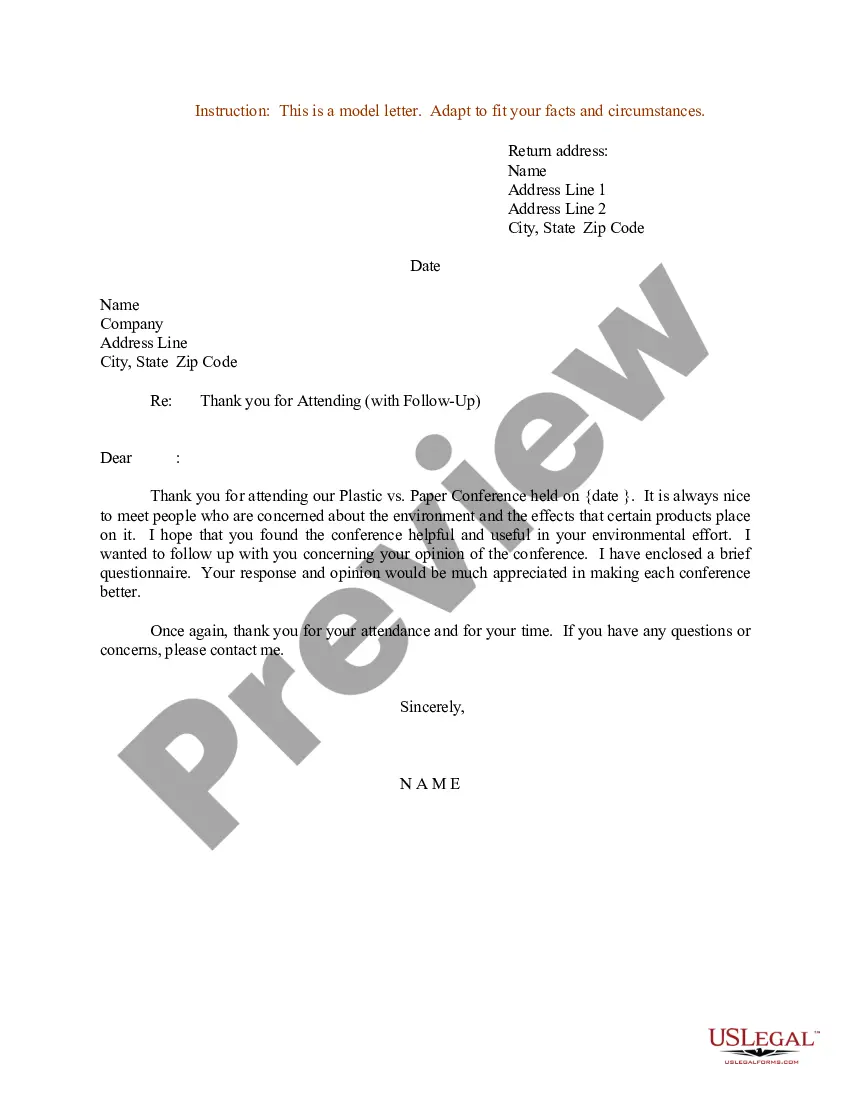
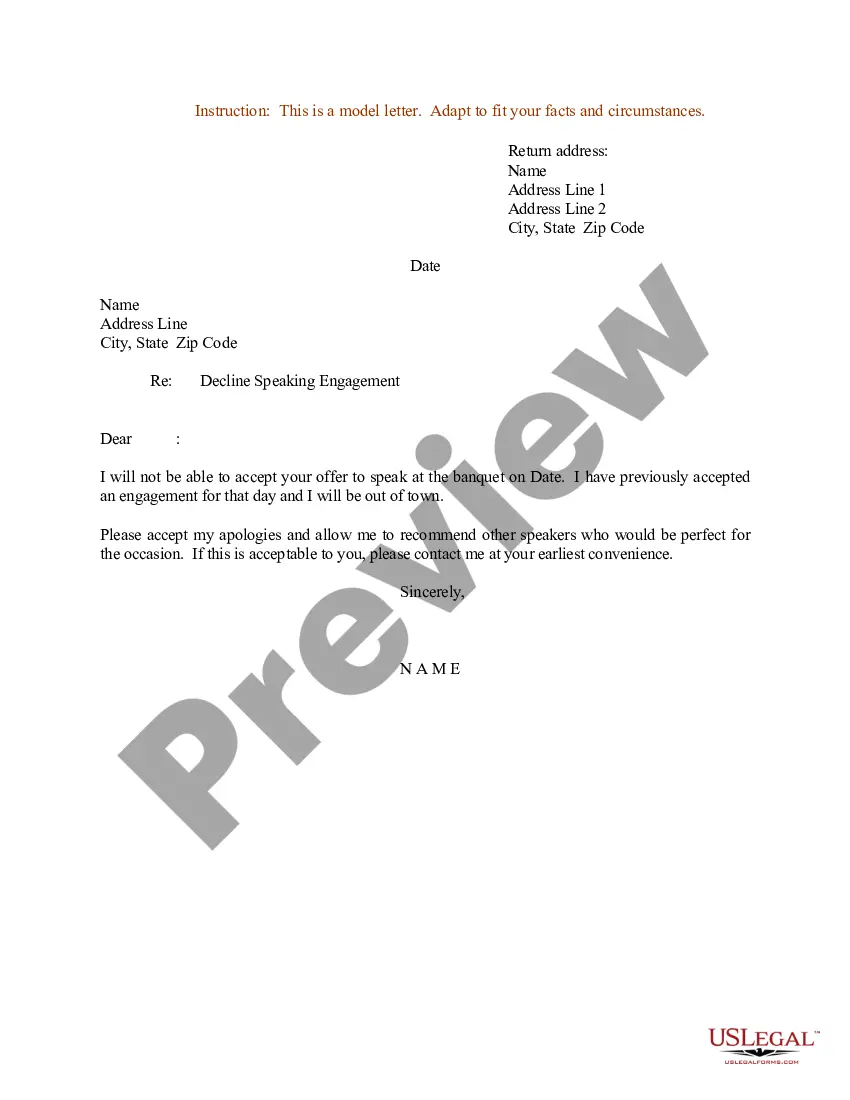
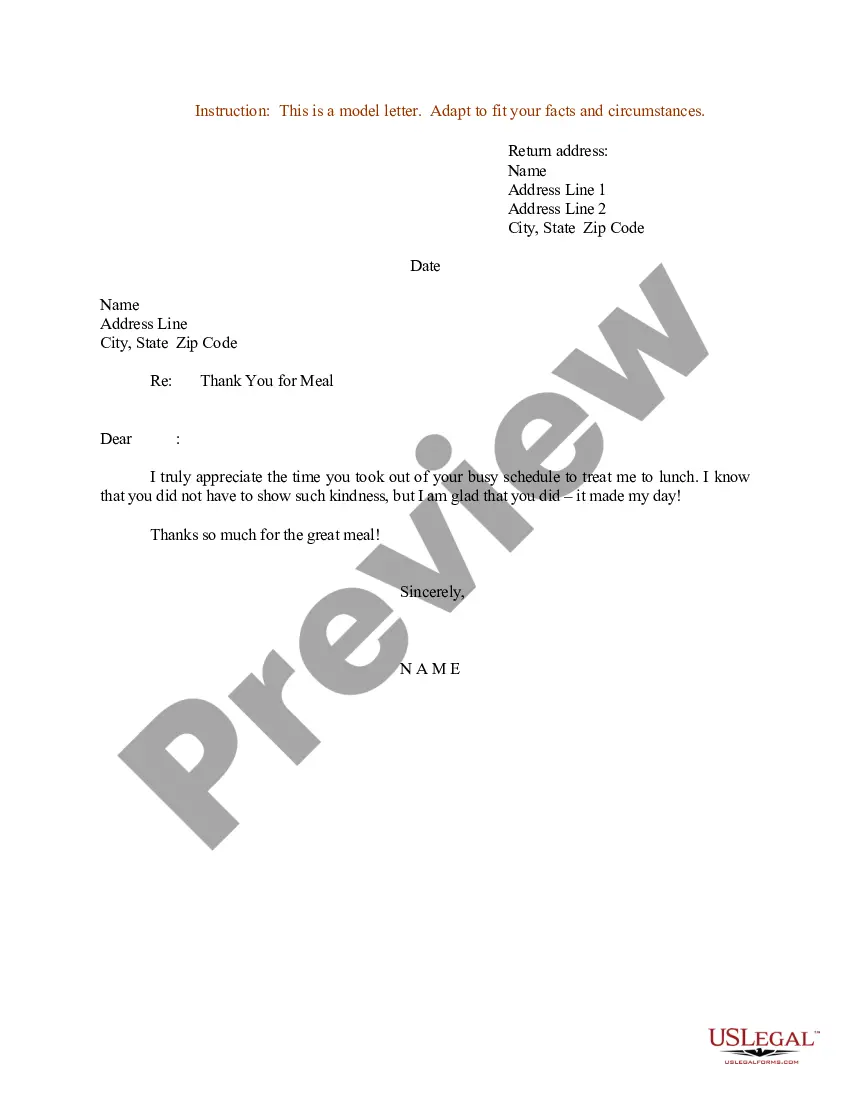
Get your form ready online
Our built-in tools help you complete, sign, share, and store your documents in one place.
Make edits, fill in missing information, and update formatting in US Legal Forms—just like you would in MS Word.
Download a copy, print it, send it by email, or mail it via USPS—whatever works best for your next step.
Sign and collect signatures with our SignNow integration. Send to multiple recipients, set reminders, and more. Go Premium to unlock E-Sign.
If this form requires notarization, complete it online through a secure video call—no need to meet a notary in person or wait for an appointment.
We protect your documents and personal data by following strict security and privacy standards.

Make edits, fill in missing information, and update formatting in US Legal Forms—just like you would in MS Word.

Download a copy, print it, send it by email, or mail it via USPS—whatever works best for your next step.

Sign and collect signatures with our SignNow integration. Send to multiple recipients, set reminders, and more. Go Premium to unlock E-Sign.

If this form requires notarization, complete it online through a secure video call—no need to meet a notary in person or wait for an appointment.

We protect your documents and personal data by following strict security and privacy standards.
Looking for another form?








Form popularity
FAQ
Delivery should clearly communicate that the audience is honored to have this speaker. Greet the audience and identify who you are (For example, Good Evening! I am Lisa Smith - Director of Student Affairs at CPP). Enunciate the full name, title and position of the speaker (I am here to introduce our Guest Speaker - Dr.
A good introduction needs to get the audience's attention, state the topic, make the topic relatable, establish credibility, and preview the main points. Introductions should be the last part of the speech written, as they set expectations and need to match the content.
What Is the Best Way to Introduce a Speaker? Research and gather information. Establish credibility. Create a connection. Build anticipation. Keep it concise and engaging. Engage listeners with a thought-provoking question. Begin with a captivating anecdote or story. Make a bold statement.
Tips for Introducing a Guest Speaker Remind the audience why the topic is important to them. Establish the speaker's qualifications to speak on the topic. Get the presentation off on a high note by establishing an up-beat tone. Make the speaker feel especially welcome.
Enunciate the full name, title and position of the speaker (I am here to introduce our Guest Speaker - Dr. James Smith - Director of Student Affairs at MIT). State the subject of the speech so the audience will know the main theme of the presentation (Dr. Smith is an expert on...).
Start with why this person is so impressive -- what wows you about him or her. Say a few words about what the topic is and why it's relevant to the audience. And then explain why now is a particularly good time to hear from this speaker. End with the speaker's name, and start the applause.
State the purpose: Clearly state the purpose for calling the person on stage. For example, you can say, ``Please join me in welcoming (person's name) to the stage to deliver a speech on (topic)''. Use a direct invitation: Extend a direct invitation to the person, using their name.
1 Know your audience. Before you send out any pitch, you need to do some research on your target audience. 2 Craft your hook. The first impression is crucial when it comes to pitching yourself for speaking opportunities. 3 Showcase your value. 4 Provide evidence. 5 Include a call to action. 6 Here's what else to consider.
"Ladies and gentlemen, please join me in welcoming Name to the stage." 2. "I'd like to invite Name to come up here and share their expertise with us." 3.
Write a letter instead. Make your written request concise and clear. Specify the date first (it may be impossible, whatever comes next). Then describe the audience, purpose, topic, and what a tremendous difference you hope that speech will make in the world.

