Sample Speaking Engagement Agreement For Clients In Salt Lake
Description
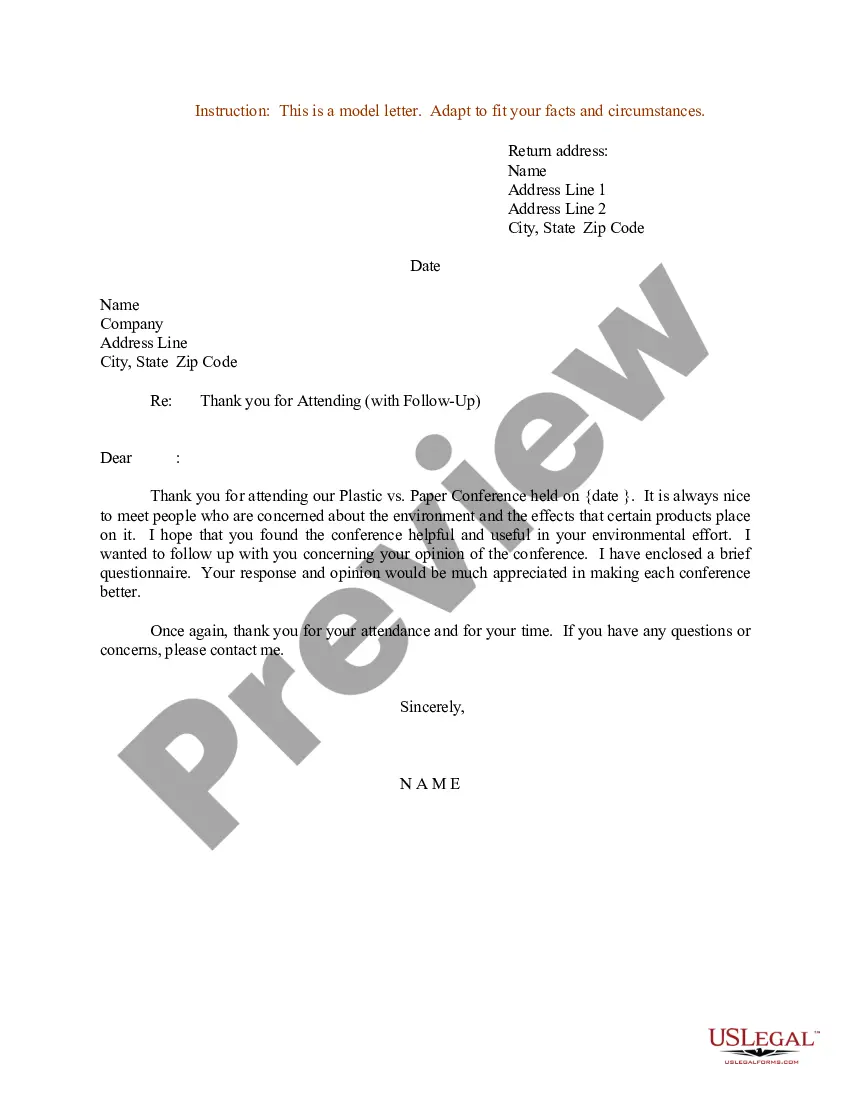
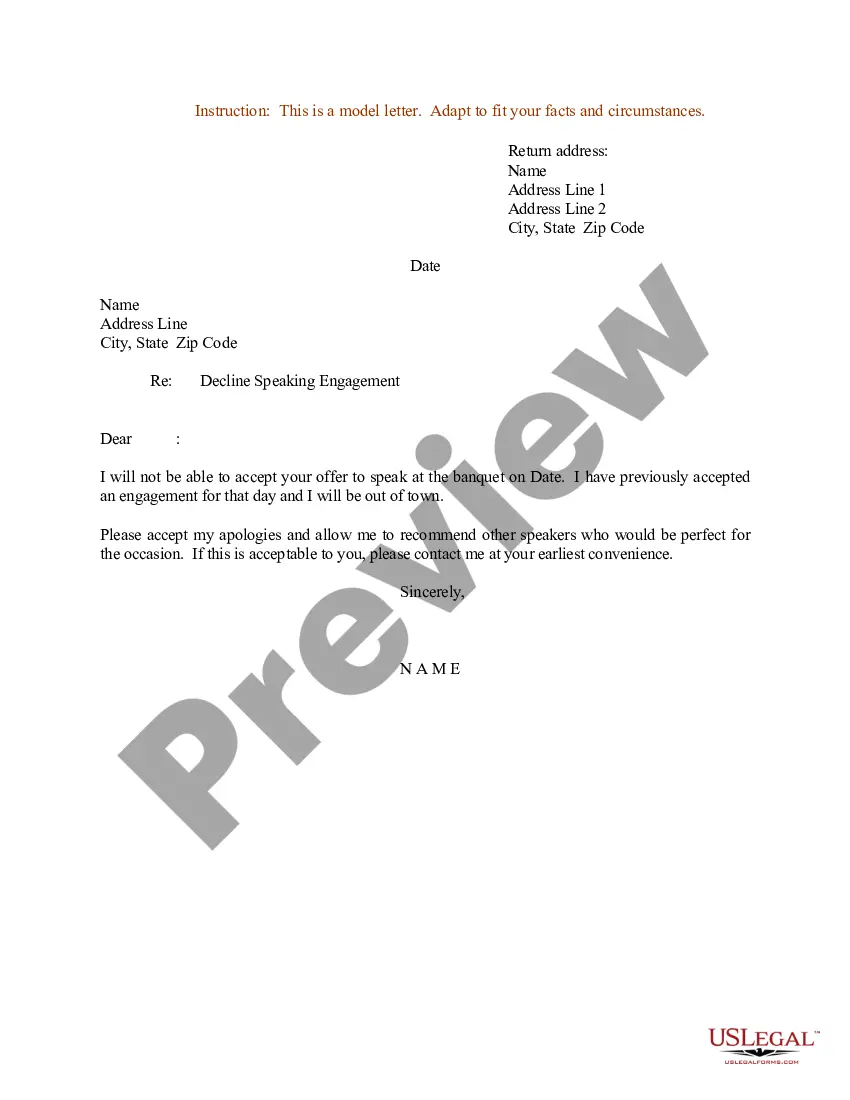
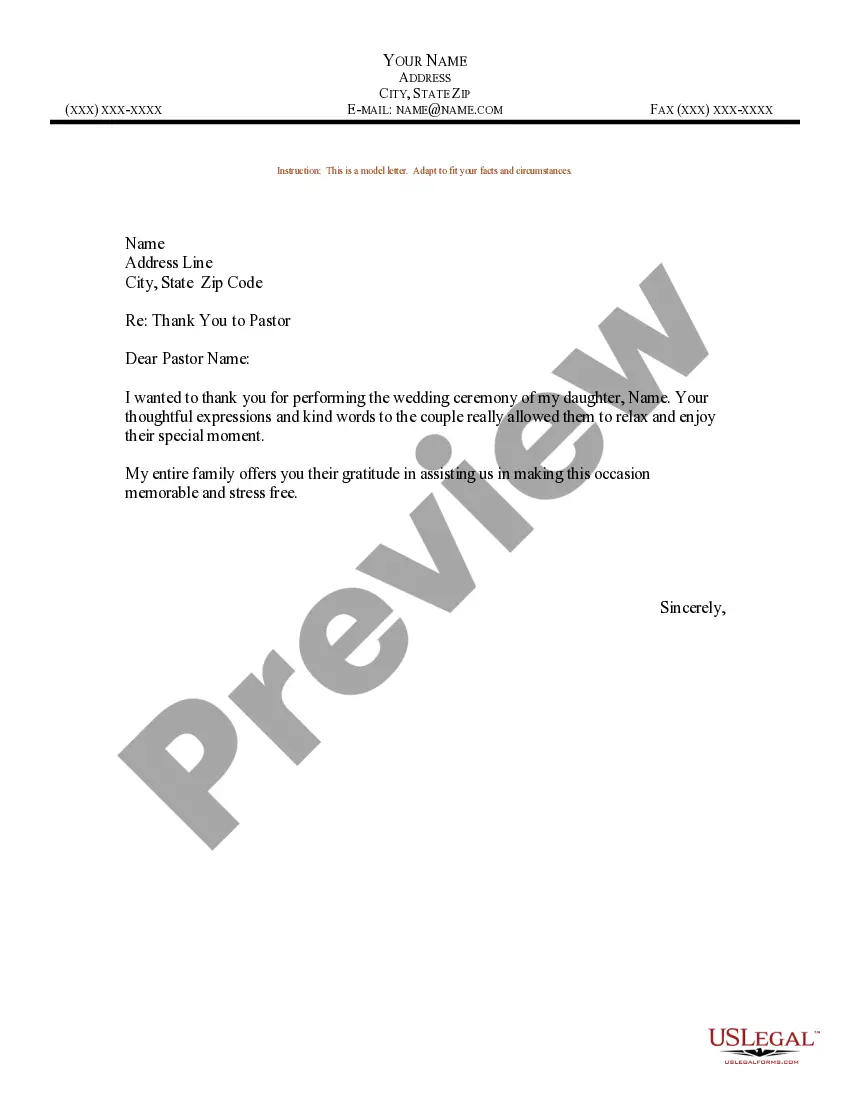
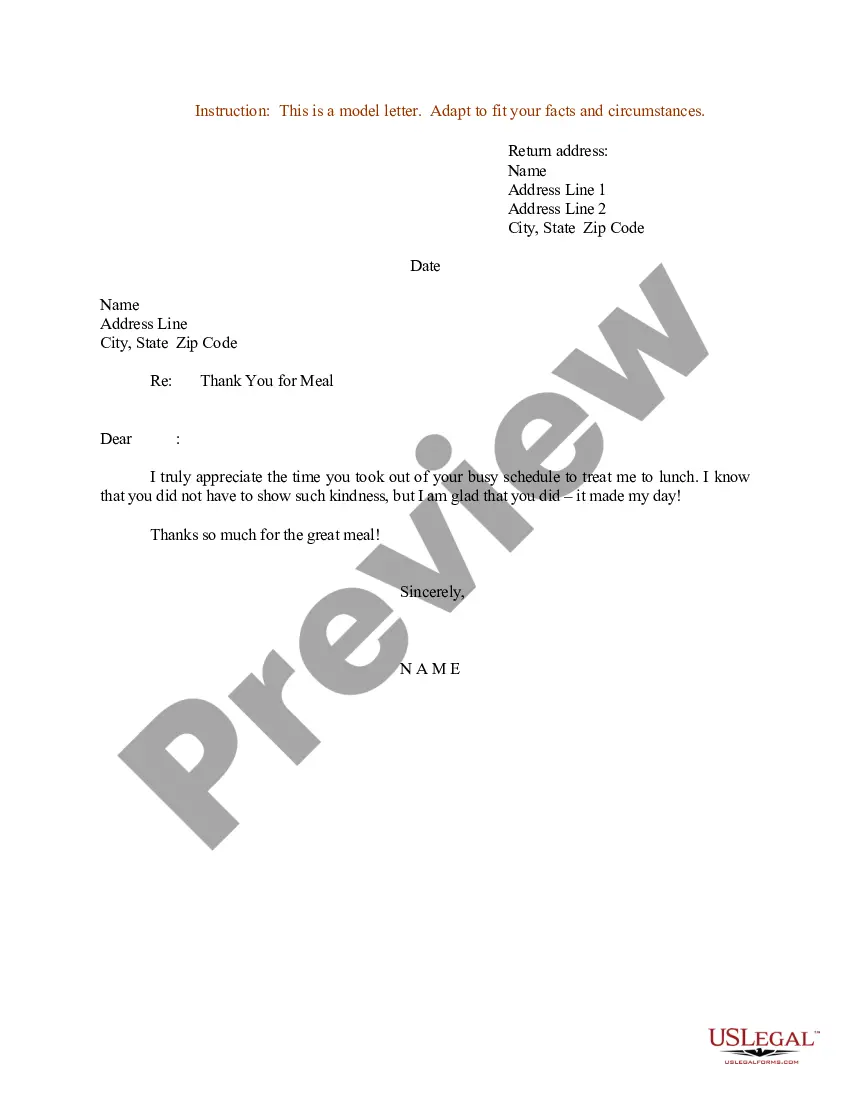
Get your form ready online
Our built-in tools help you complete, sign, share, and store your documents in one place.
Make edits, fill in missing information, and update formatting in US Legal Forms—just like you would in MS Word.
Download a copy, print it, send it by email, or mail it via USPS—whatever works best for your next step.
Sign and collect signatures with our SignNow integration. Send to multiple recipients, set reminders, and more. Go Premium to unlock E-Sign.
If this form requires notarization, complete it online through a secure video call—no need to meet a notary in person or wait for an appointment.
We protect your documents and personal data by following strict security and privacy standards.

Make edits, fill in missing information, and update formatting in US Legal Forms—just like you would in MS Word.

Download a copy, print it, send it by email, or mail it via USPS—whatever works best for your next step.

Sign and collect signatures with our SignNow integration. Send to multiple recipients, set reminders, and more. Go Premium to unlock E-Sign.

If this form requires notarization, complete it online through a secure video call—no need to meet a notary in person or wait for an appointment.

We protect your documents and personal data by following strict security and privacy standards.
Looking for another form?









Form popularity
FAQ
How to write a contract agreement in 7 steps. Determine the type of contract required. Confirm the necessary parties. Choose someone to draft the contract. Write the contract with the proper formatting. Review the written contract with a lawyer. Send the contract agreement for review or revisions.
8 essential sections to include in client contracts Contact information. Payment terms. Scope of work. Termination clause. Cancellation clause. Confidentiality clause. Indemnification clause. Type of service.
Here is how to write a customer statement and the elements you will need to get started: NAME AND ADDRESS. You should be including not only your customer's name and address on the statement, but your company name and address. REFERENCE. DATE. OPENING BALANCE. HEADINGS. TOTALS.
A client agreement is a legally binding contract between your business and the clients you provide your services to. The clauses of a client agreement: set out the rights and obligations of both your business and your client; set out the expectations of both parties; and. depict how any issues should be handled.
What Is an Engagement Letter? An engagement letter is a written agreement that describes the business relationship to be entered into by a client and a company. The letter details the scope of the agreement, its terms, and costs. The purpose of an engagement letter is to set expectations on both sides of the agreement.
How to write an agreement letter Title your document. Provide your personal information and the date. Include the recipient's information. Address the recipient and write your introductory paragraph. Write a detailed body. Conclude your letter with a paragraph, closing remarks, and a signature. Sign your letter.
To write a simple contract, title it clearly, identify all parties and specify terms (services or payments). Include an offer, acceptance, consideration, and intent. Add a signature and date for enforceability. Written contracts reduce disputes and offer better legal security than verbal ones.
There are many different ways to write a proposal speech, but there are a few key elements that should always be included. Mention how you met. Talk about where you are now. Let them know what you love about them. Share your vision for the future. Ask them to marry you.
How to write an agreement letter Title your document. Provide your personal information and the date. Include the recipient's information. Address the recipient and write your introductory paragraph. Write a detailed body. Conclude your letter with a paragraph, closing remarks, and a signature. Sign your letter.
Tips for a Good Speaker Engagement Proposal Understand the Audience and Theme. Make an Impact on the First Page. Clear and Engaging Title. Define Learning Objectives. Detailed Session Description. Highlight Relevance and Timeliness. Demonstrate Expertise. Keep your Contract and Proposal Separate.

