Letter Engagement Documents With Withdraw In Queens
Description
Get your form ready online
Our built-in tools help you complete, sign, share, and store your documents in one place.
Make edits, fill in missing information, and update formatting in US Legal Forms—just like you would in MS Word.
Download a copy, print it, send it by email, or mail it via USPS—whatever works best for your next step.
Sign and collect signatures with our SignNow integration. Send to multiple recipients, set reminders, and more. Go Premium to unlock E-Sign.
If this form requires notarization, complete it online through a secure video call—no need to meet a notary in person or wait for an appointment.
We protect your documents and personal data by following strict security and privacy standards.

Make edits, fill in missing information, and update formatting in US Legal Forms—just like you would in MS Word.

Download a copy, print it, send it by email, or mail it via USPS—whatever works best for your next step.

Sign and collect signatures with our SignNow integration. Send to multiple recipients, set reminders, and more. Go Premium to unlock E-Sign.

If this form requires notarization, complete it online through a secure video call—no need to meet a notary in person or wait for an appointment.

We protect your documents and personal data by following strict security and privacy standards.
Looking for another form?







Form popularity
FAQ
The majority of construction requires a Department of Buildings permit. Most often, a New York State licensed Professional Engineer (PE) or Registered Architect (RA) must file plans and pull permits before work begins.
Once the necessary work has been completed and passed inspection, follow up with the DOB to request closure of the open permits. Provide documentation and evidence demonstrating compliance with permit requirements, including inspection reports and certifications from licensed professionals.
No installation and modification to any electrical systems can be performed without a permit.
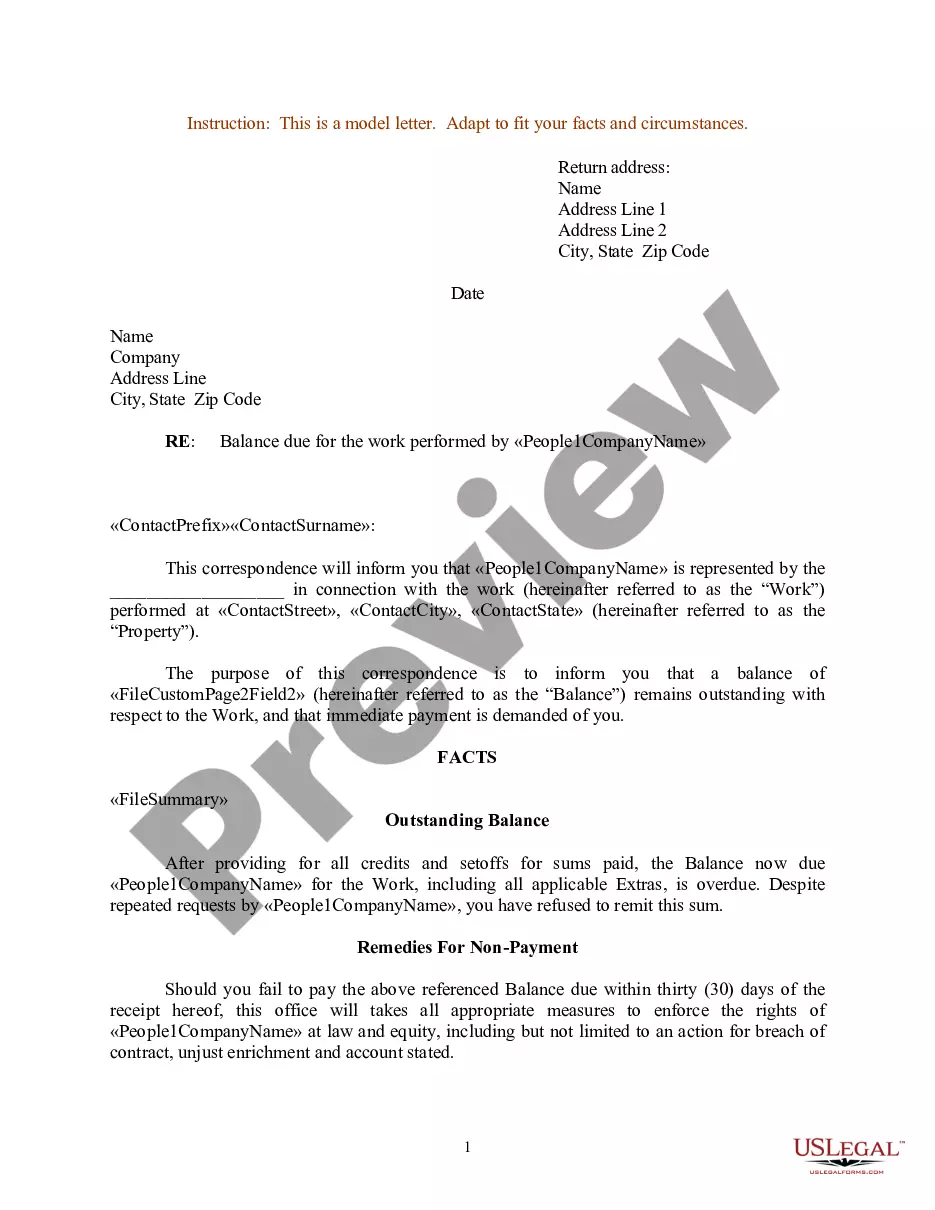
Applicants/Contractors withdrawing from a permitted application must: submit a letter of request to withdraw to the Borough Commissioner's office; list corresponding permits; and provide the status of work completed.
(b) Except as stated in paragraph (d), a lawyer shall withdraw from the representation of a client when: (1) the lawyer knows or reasonably should know that the representation will result in a violation of these Rules or of law; (2) the lawyer's physical or mental condition materially impairs the lawyer's ability to ...

