Engagement Letter Format For Due Diligence In Phoenix
Description
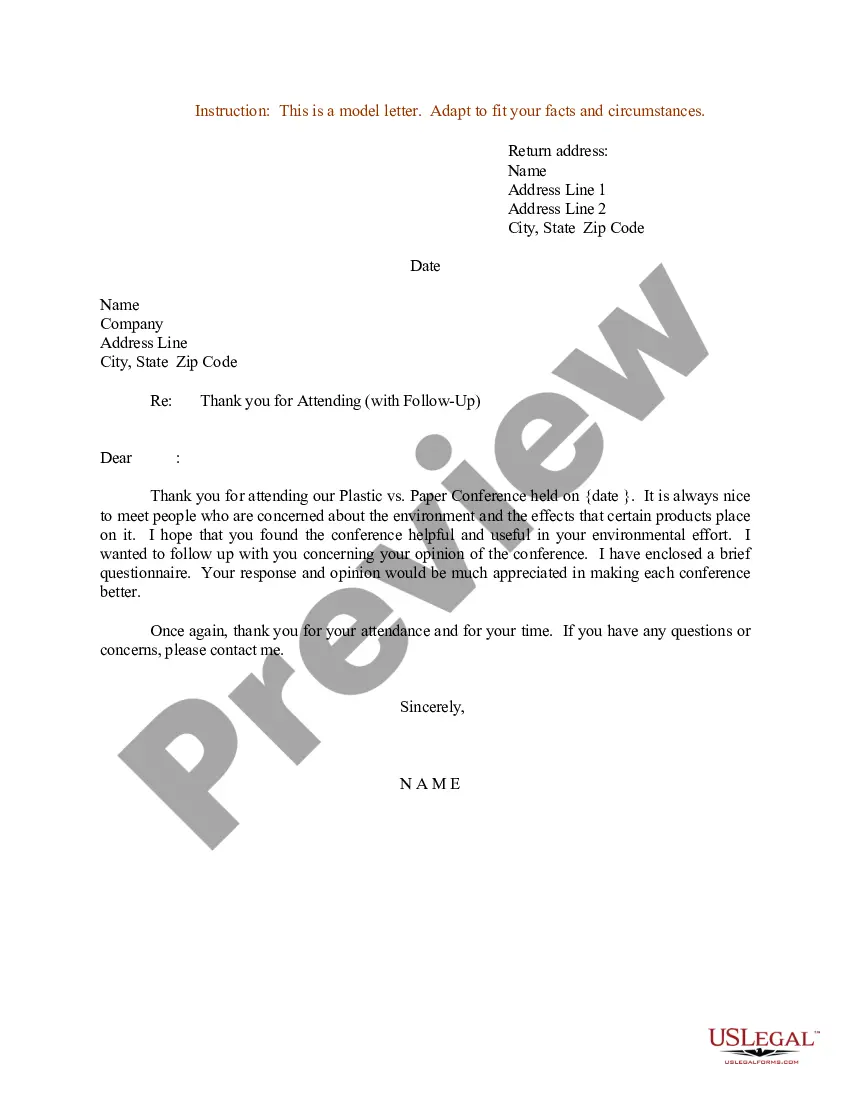
Get your form ready online
Our built-in tools help you complete, sign, share, and store your documents in one place.
Make edits, fill in missing information, and update formatting in US Legal Forms—just like you would in MS Word.
Download a copy, print it, send it by email, or mail it via USPS—whatever works best for your next step.
Sign and collect signatures with our SignNow integration. Send to multiple recipients, set reminders, and more. Go Premium to unlock E-Sign.
If this form requires notarization, complete it online through a secure video call—no need to meet a notary in person or wait for an appointment.
We protect your documents and personal data by following strict security and privacy standards.

Make edits, fill in missing information, and update formatting in US Legal Forms—just like you would in MS Word.

Download a copy, print it, send it by email, or mail it via USPS—whatever works best for your next step.

Sign and collect signatures with our SignNow integration. Send to multiple recipients, set reminders, and more. Go Premium to unlock E-Sign.

If this form requires notarization, complete it online through a secure video call—no need to meet a notary in person or wait for an appointment.

We protect your documents and personal data by following strict security and privacy standards.
Looking for another form?







Form popularity
FAQ
Here are the key types of legal, due diligence documents: Shareholder certificate documents. Local/state/federal business licenses. Occupational license. Building permits documents. Zonal and land use permits. Tax registration documents. Power of attorney documents. Previous or outstanding legal cases.
Due diligence documents are the financial, legal, and operational documents reviewed to evaluate the viability of a business before an acquisition, merger, or investment. A team of experts will review due diligence documents as one of the last steps before finalizing a deal.
Due diligence is informed by engagement with stakeholders It involves the timely sharing of the relevant information needed for stakeholders to make informed decisions in a format that they can understand and access. To be meaningful, engagement involves the good faith of all parties.
Assess Management: Consider their experience and ability to execute. Analyze Market: Know recent developments in the industry and competition. Evaluate Product/Service: Look at quality, innovation, and market fit. Check Legal Compliance: Ensure regulations and contracts are followed.
The 4 P's of due diligence are People, Performance, Philosophy, and Process. These key elements form the foundation of a thorough due diligence process, covering aspects related to the team involved, performance metrics, investment philosophy, and the overall process followed.
The "Due Diligence Request Email" template is a formal email that requests due diligence on behalf of a startup looking for investment. The email includes a due diligence checklist, financial statements, business plans, and other relevant materials to make an informed decision.
Due diligence reports typically include an executive summary, company overview, purpose of due diligence, financial analysis, legal review, operational assessment, market analysis, regulatory compliance, asset information, growth prospects, recommendations, and appendix.
Due diligence reports typically include an executive summary, company overview, purpose of due diligence, financial analysis, legal review, operational assessment, market analysis, regulatory compliance, asset information, growth prospects, recommendations, and appendix.
The due diligence in business circumstances refers to organizations practicing prudence by carefully assessing associated costs and risks prior to completing transactions. Examples include purchasing new property or equipment, implementing new business information systems, or integrating with another firm.
