Missouri Revised Uniform Anatomical Gift Act Donation
Overview of this form
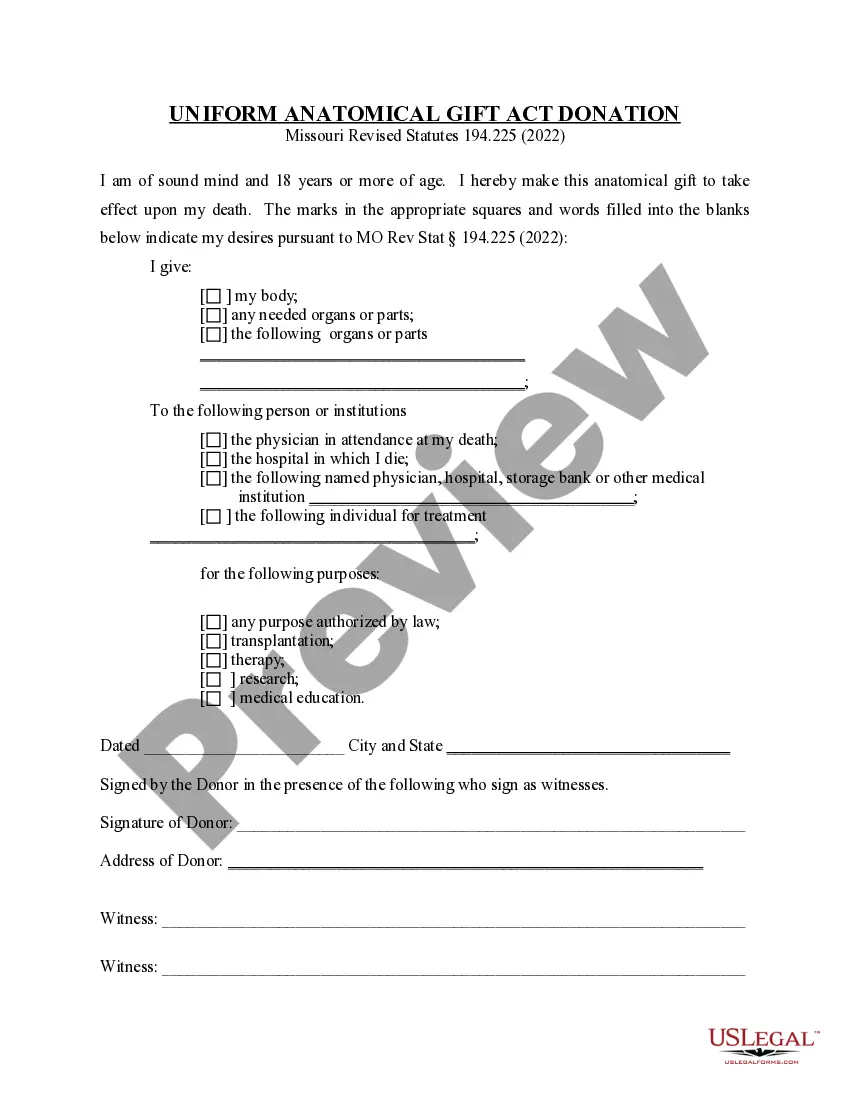
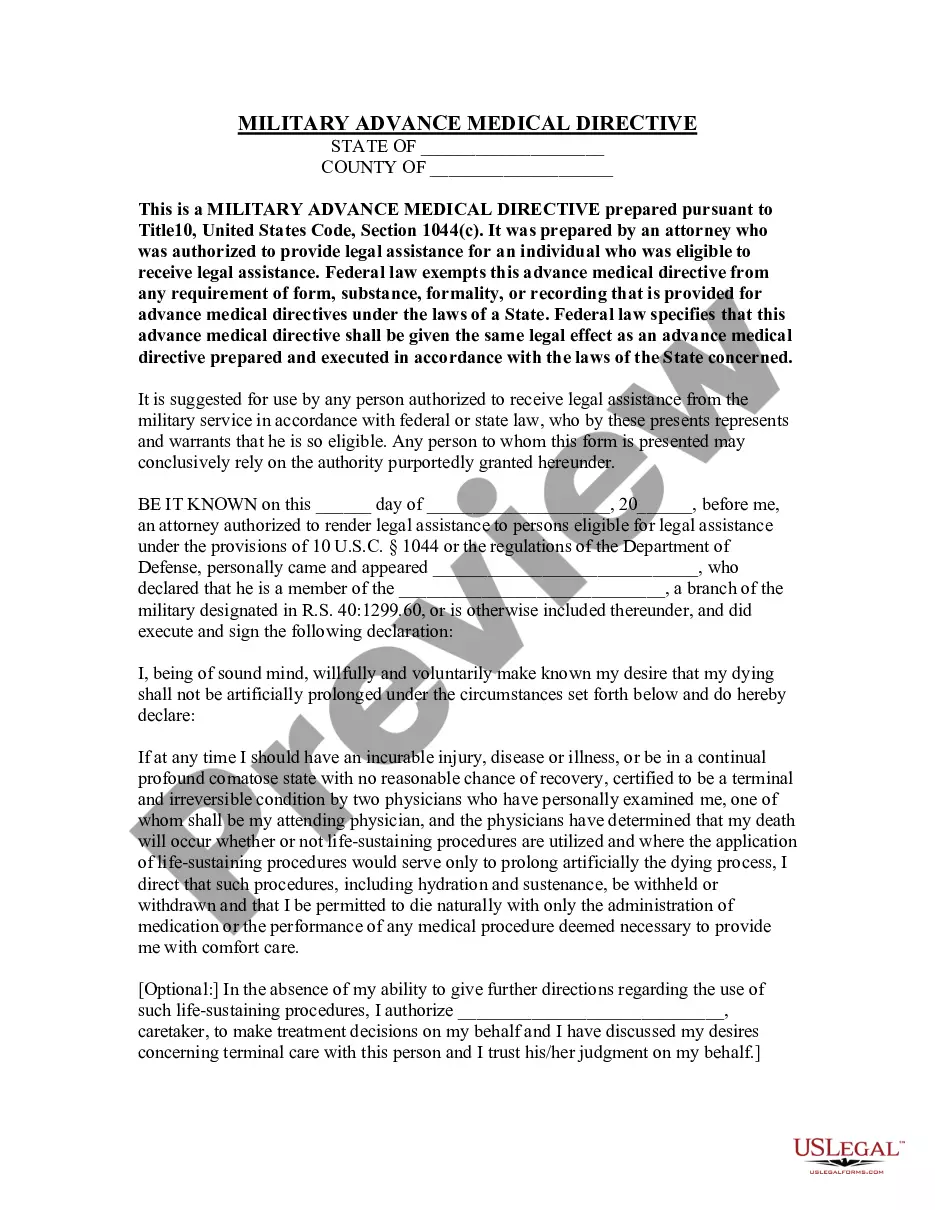
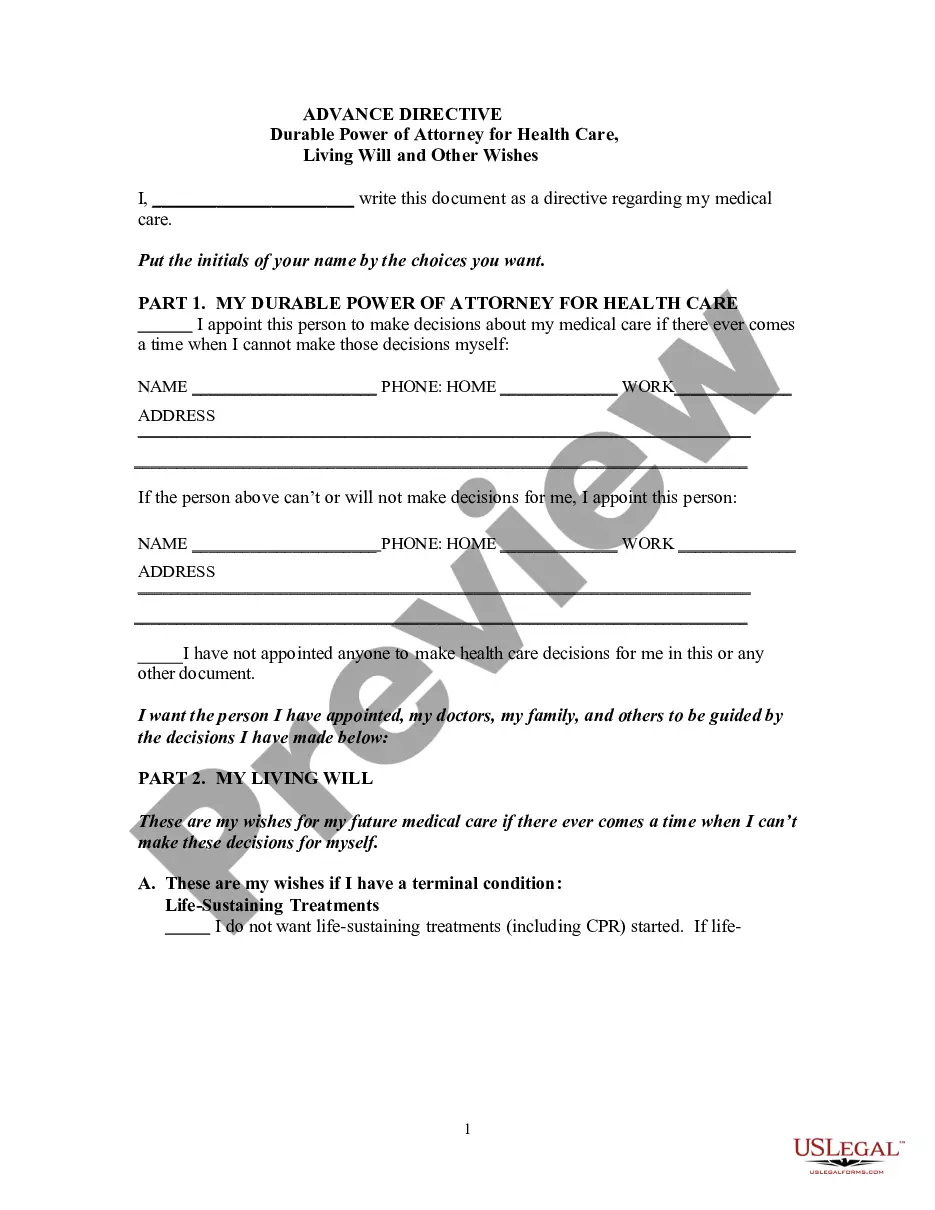
The Revised Uniform Anatomical Gift Act Donation form is a legal document that allows an individual to specify which body parts or organs they wish to donate upon their death. This form is designed to comply with state statutes and ensures that the donor's wishes are clearly documented, distinguishing it from general wills or other estate planning documents.
Main sections of this form
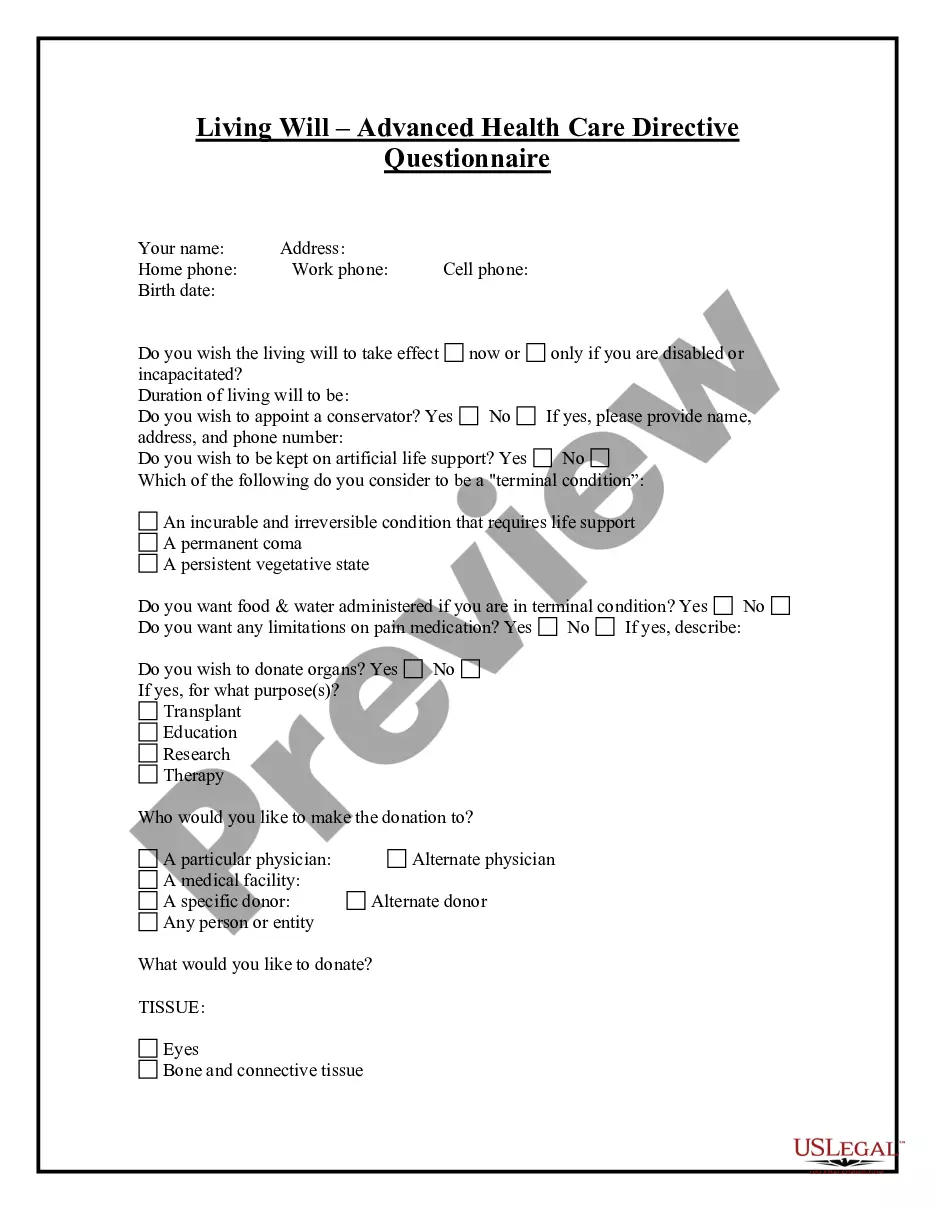
- Donor's declaration of sound mind and age requirement.
- Specific options for choosing body parts or organs to donate.
- Identification of the recipient or institution receiving the donation.
- Designated purposes for the anatomical gift, such as transplantation, therapy, or research.
- Signature section for the donor and two witnesses, or a notary.
When to use this form
This form should be used when an individual wants to make a formal anatomical gift of their body or specific organs after death. It is particularly important for those who wish to contribute to medical research, organ transplantation, or education in the medical field. Completing this form communicates your intentions clearly, ensuring that your wishes are followed by your family and medical professionals.
Intended users of this form
- Individuals who are at least eighteen years old and of sound mind.
- Minors wishing to donate body parts with parental consent.
- People aiming to make their wishes regarding anatomical gifts known to their families and medical providers.
Instructions for completing this form
- Start by declaring your sound mind and age at the top of the form.
- Indicate the specific body parts or organs you wish to donate.
- Choose the individual or medical institution that will receive your donation.
- Select the intended purposes for which the gift will be used.
- Date the form and provide your signature in the presence of two witnesses or a notary.
Notarization requirements for this form
Yes, this form must be notarized to be legally valid. US Legal Forms offers an integrated online notarization service, providing secure video calls with notaries, ensuring convenience and compliance without the need for travel.
Get your form ready online
Our built-in tools help you complete, sign, share, and store your documents in one place.
Make edits, fill in missing information, and update formatting in US Legal Forms—just like you would in MS Word.
Download a copy, print it, send it by email, or mail it via USPS—whatever works best for your next step.
Sign and collect signatures with our SignNow integration. Send to multiple recipients, set reminders, and more. Go Premium to unlock E-Sign.
If this form requires notarization, complete it online through a secure video call—no need to meet a notary in person or wait for an appointment.
We protect your documents and personal data by following strict security and privacy standards.

Make edits, fill in missing information, and update formatting in US Legal Forms—just like you would in MS Word.

Download a copy, print it, send it by email, or mail it via USPS—whatever works best for your next step.

Sign and collect signatures with our SignNow integration. Send to multiple recipients, set reminders, and more. Go Premium to unlock E-Sign.

If this form requires notarization, complete it online through a secure video call—no need to meet a notary in person or wait for an appointment.

We protect your documents and personal data by following strict security and privacy standards.
Typical mistakes to avoid
- Failing to have the form signed in the presence of two witnesses or a notary.
- Not specifying which body parts or organs are to be donated.
- Completing the form without dating it.
Benefits of completing this form online
- Convenient access to the form for immediate download.
- Editable fields allow you to customize your information easily.
- Reliability, as the forms are drafted by licensed attorneys to ensure compliance with state laws.
Looking for another form?

Form popularity
FAQ
Generally, you cannot find out who received donated organs due to strict privacy laws and regulations. The Missouri Revised Uniform Anatomical Gift Act Donation protects the confidentiality of both donors and recipients. However, some organizations may offer limited information through donor family services, so it's best to inquire directly with the donation organization for any available options.
Several factors may disqualify you from donating your body to science under the Missouri Revised Uniform Anatomical Gift Act Donation. Common disqualifications include certain communicable diseases, severe trauma, or if the body has been excessively embalmed. Additionally, age and health conditions may also play a role, so it is essential to check with the institution you wish to donate to for specific criteria.
To donate a body to science in Missouri, you must first contact a medical school or a research institution that accepts anatomical donations. They will provide you with the necessary forms, which often include a consent document compliant with the Missouri Revised Uniform Anatomical Gift Act Donation. Once you complete and submit these forms, the institution will guide you through the donation process, ensuring all legal requirements are met.
The procedure of organ donation involves several key steps, beginning with the identification of a potential donor. Medical professionals then assess the viability of the organs for transplantation. After obtaining consent, a surgical team carefully removes the organs under sterile conditions. These organs are then preserved and transported to hospitals where recipients await transplantation. This structured approach ensures that the donation process is safe, respectful, and efficient.
In simple terms, the Uniform Anatomical Gift Act allows individuals to donate their organs and tissues for use in medical research or transplantation. This act provides a legal framework for making such donations and ensures that donors' wishes are honored. The Missouri Revised Uniform Anatomical Gift Act Donation specifically governs how these gifts can be made in Missouri. Understanding this act empowers individuals to make informed choices about organ donation.
To donate your body to science in Missouri, start by researching accredited medical schools or research institutions that accept body donations. You can then fill out the necessary forms, often available online or by request, to express your intent. Additionally, it’s important to inform your family about your decision so they can support your wishes. Utilizing resources like USLegalForms can help you navigate the legal requirements effectively.
Once a donor has passed away, the first step is to notify the appropriate authorities and confirm the donor's status. Second, medical professionals evaluate the donor for organ suitability. Third, the family is approached to discuss the donation process. Fourth, consent is obtained if not previously established. Fifth, organ recovery is coordinated with transplant teams. Lastly, the organs are transplanted to those in need, adhering to strict medical protocols.
The anatomical donation act allows individuals to donate their bodies or specific organs and tissues for medical research and education. In Missouri, this is guided by the Missouri Revised Uniform Anatomical Gift Act Donation, which outlines how donations can be made and used. This act also ensures that the wishes of donors are respected and provides legal protections for both donors and recipients. Understanding this act can facilitate informed decisions about body donation.
The organ donation process begins with registering as a donor, which is often done through your state’s registry or DMV. Next, when a potential donor is identified, medical professionals assess their eligibility. After that, the family is approached to confirm the donor's wishes. If consent is given, medical teams coordinate the recovery of organs. Finally, the organs are transplanted to recipients in need, potentially saving multiple lives.