Letter Engagement Statement For Client In Ohio
Description
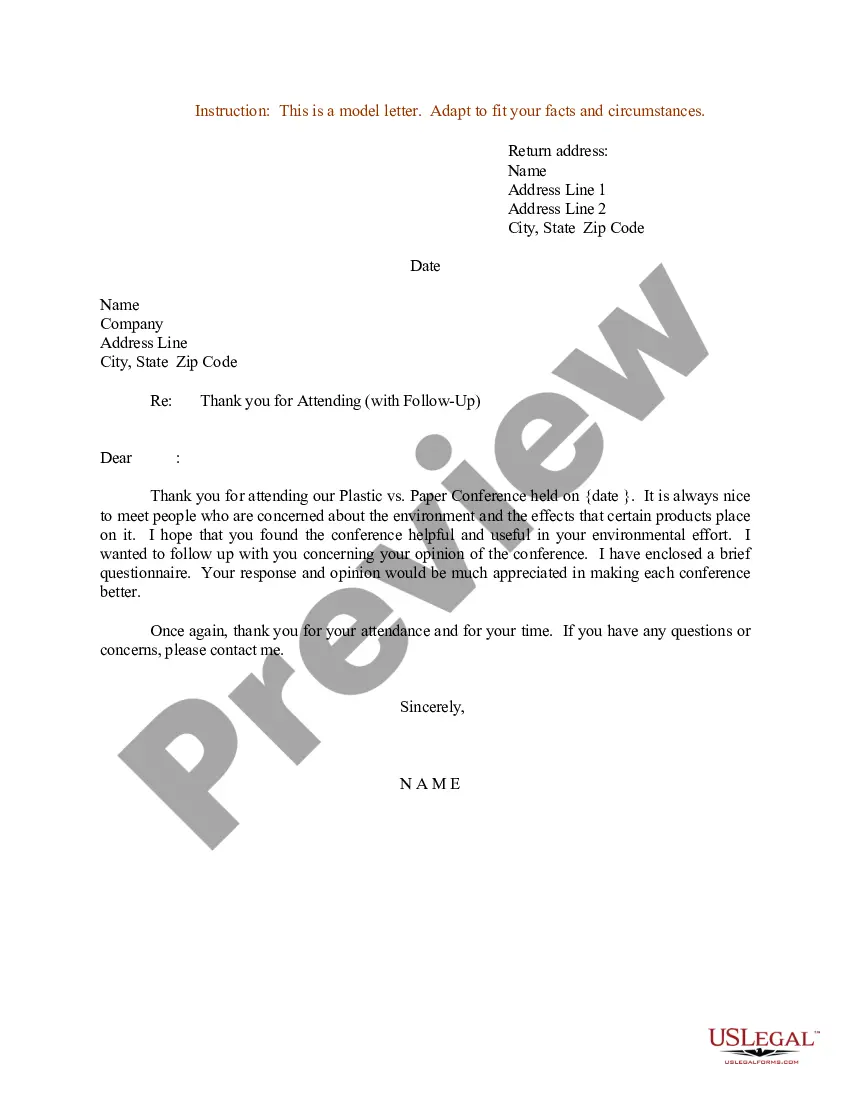
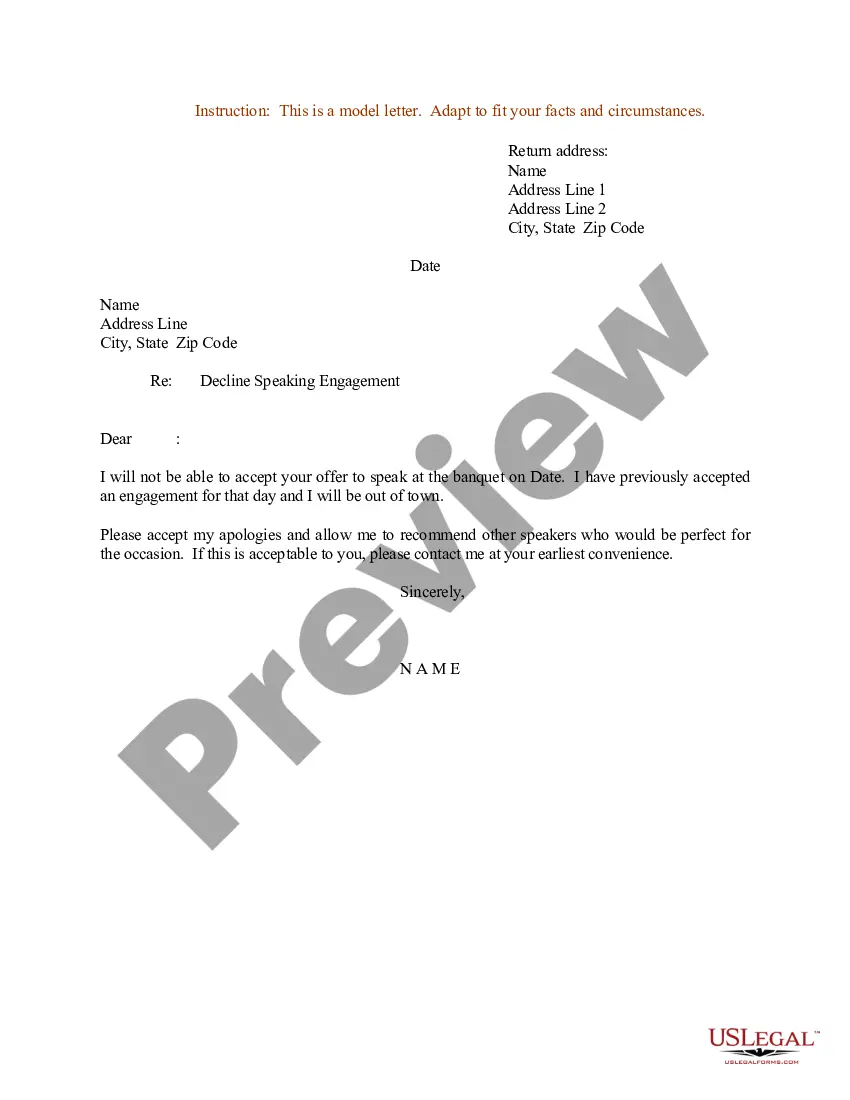
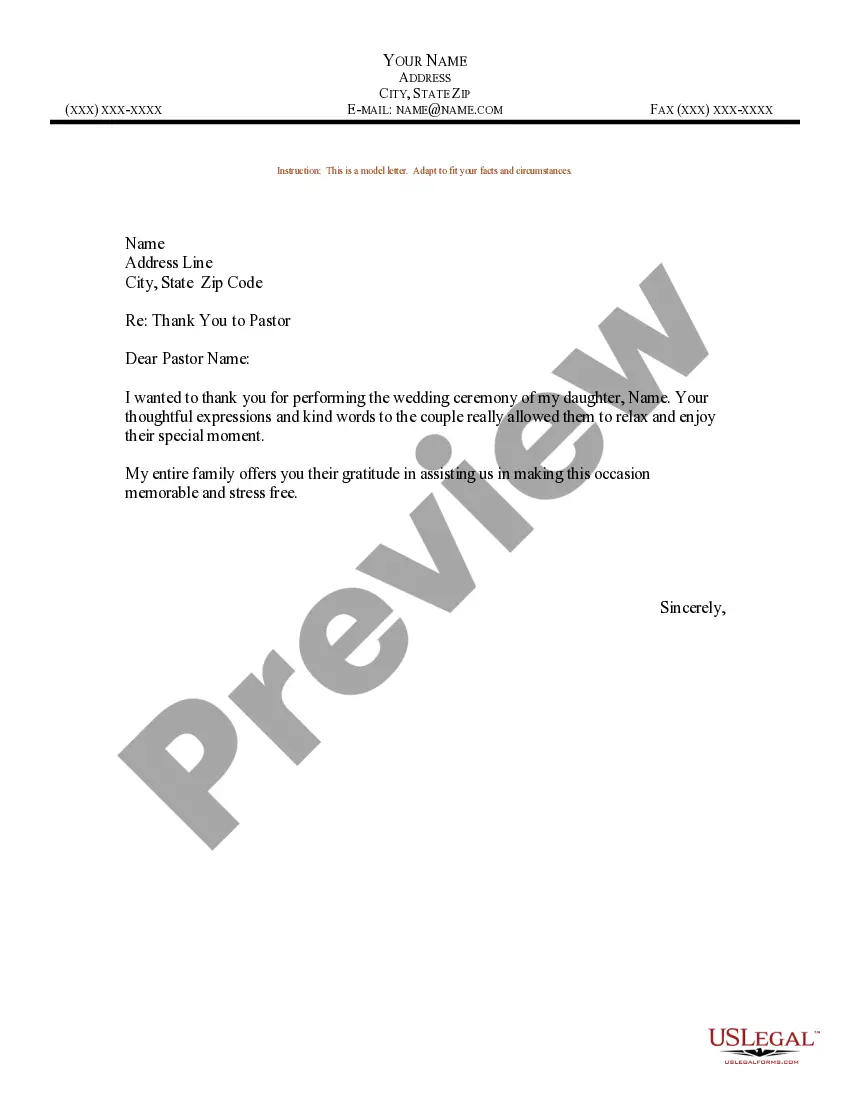
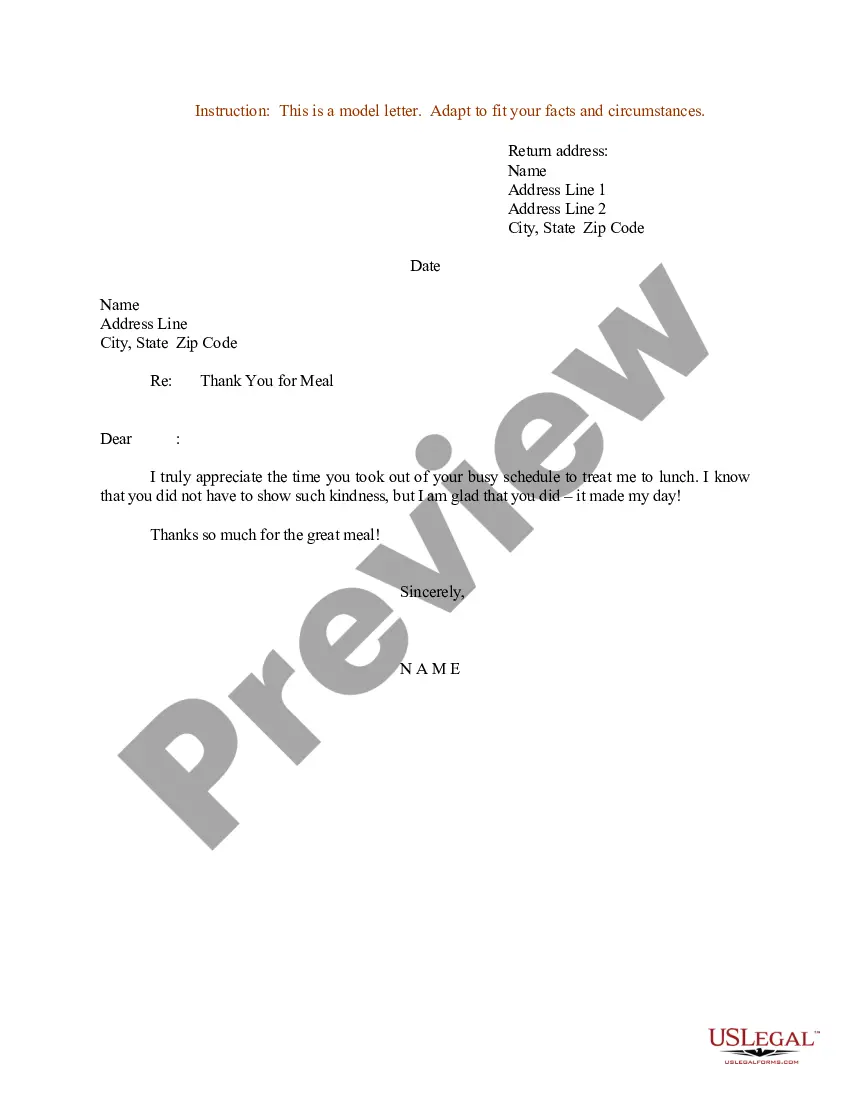
Get your form ready online
Our built-in tools help you complete, sign, share, and store your documents in one place.
Make edits, fill in missing information, and update formatting in US Legal Forms—just like you would in MS Word.
Download a copy, print it, send it by email, or mail it via USPS—whatever works best for your next step.
Sign and collect signatures with our SignNow integration. Send to multiple recipients, set reminders, and more. Go Premium to unlock E-Sign.
If this form requires notarization, complete it online through a secure video call—no need to meet a notary in person or wait for an appointment.
We protect your documents and personal data by following strict security and privacy standards.

Make edits, fill in missing information, and update formatting in US Legal Forms—just like you would in MS Word.

Download a copy, print it, send it by email, or mail it via USPS—whatever works best for your next step.

Sign and collect signatures with our SignNow integration. Send to multiple recipients, set reminders, and more. Go Premium to unlock E-Sign.

If this form requires notarization, complete it online through a secure video call—no need to meet a notary in person or wait for an appointment.

We protect your documents and personal data by following strict security and privacy standards.
Looking for another form?








Form popularity
FAQ
Ohio Revised Code section 2151.33 and Juvenile Rule 13 provide that a court may place a child into protective custody prior to adjudication to protect the child's best interest.
An engagement letter is a written agreement that describes the business relationship to be entered into by a client and a company. The letter details the scope of the agreement, its terms, and costs. The purpose of an engagement letter is to set expectations on both sides of the agreement.
Specifically, Rule 1.13 identifies to whom a lawyer for an organization owes loyalty and requires that a lawyer for an organization effectively communicate to the organization concerning matters of material risk to the organization of which the lawyer becomes aware.
Rule 1.10 - Imputation of Conflicts of Interest: General Rule (a) While lawyers are associated in a firm, none of them shall represent a client when the lawyer knows or reasonably should know that any one of them practicing alone would be prohibited from doing so by Rule 1.7 or 1.9, unless the prohibition is based on a ...
RULE 1.3: DILIGENCE A lawyer shall act with reasonable diligence and promptness in representing a client.
If a lawyer, the lawyer's client, or a witness called by the lawyer has offered material evidence and the lawyer comes to know of its falsity, the lawyer shall take reasonable measures to remedy the situation, including, if necessary, disclosure to the tribunal.
Rule 1.7 - Conflict of Interest: Current Clients (a) A lawyer's acceptance or continuation of representation of a client creates a conflict of interest if either of the following applies: (1) the representation of that client will be directly adverse to another current client; (2) there is a substantial risk that the ...
R. 1.16 Declining or Terminating Representation, which distinguishes scenarios where a lawyer must withdraw or decline representation from when the lawyer may withdraw from representation. The rule also specifies that a local court (or tribunal) may set its own rules for withdrawal if there is a pending proceeding.
Engagement letters are typically created and signed at the beginning of a client relationship, though they may be reviewed, updated, and signed at a regular interval (often annually) for long-term relationships. New engagement letters may also be created for an existing client if the scope of work changes.
A lawyer may hold a client's file for an indefinite period of time, communicate and give notice to the client when the file will no longer be retained, or transfer the file immediately upon termination of the representation. The Rules of Professional Conduct do not prescribe a specific period of time for retention.

