Engagement Letter Format For Tax Audit In North Carolina
Description
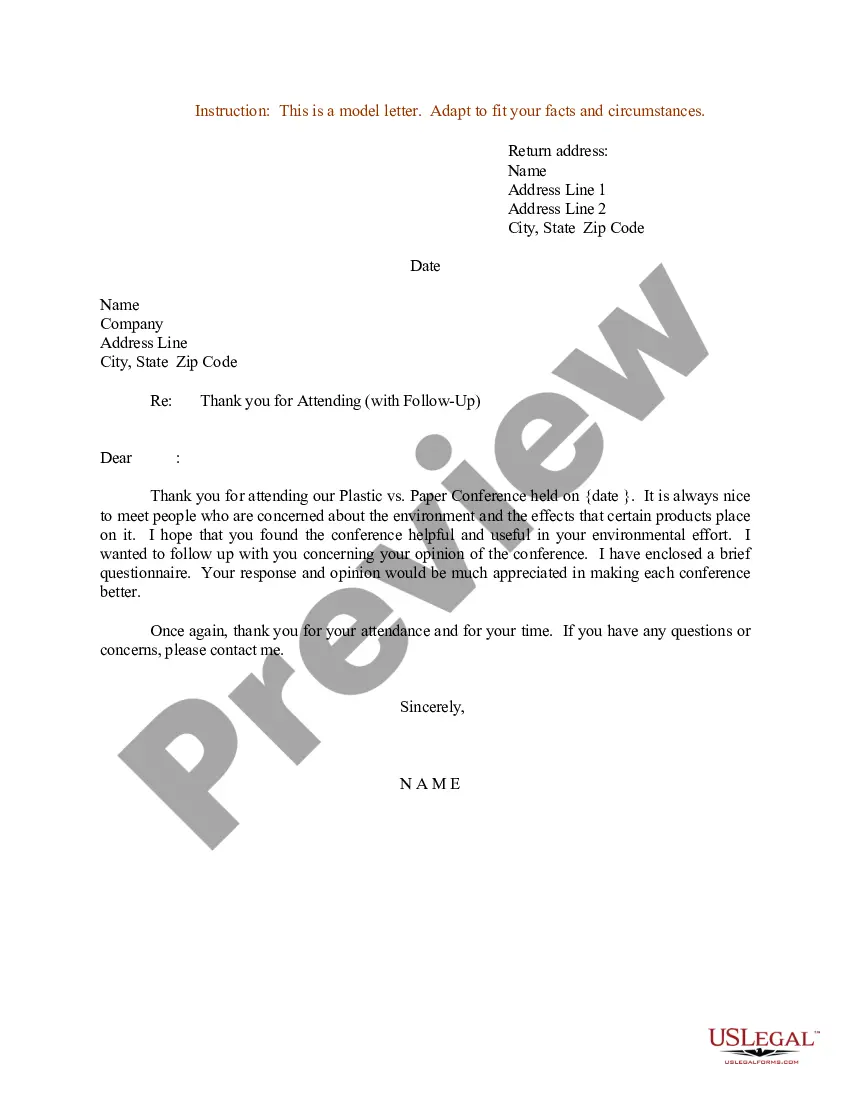
Get your form ready online
Our built-in tools help you complete, sign, share, and store your documents in one place.
Make edits, fill in missing information, and update formatting in US Legal Forms—just like you would in MS Word.
Download a copy, print it, send it by email, or mail it via USPS—whatever works best for your next step.
Sign and collect signatures with our SignNow integration. Send to multiple recipients, set reminders, and more. Go Premium to unlock E-Sign.
If this form requires notarization, complete it online through a secure video call—no need to meet a notary in person or wait for an appointment.
We protect your documents and personal data by following strict security and privacy standards.

Make edits, fill in missing information, and update formatting in US Legal Forms—just like you would in MS Word.

Download a copy, print it, send it by email, or mail it via USPS—whatever works best for your next step.

Sign and collect signatures with our SignNow integration. Send to multiple recipients, set reminders, and more. Go Premium to unlock E-Sign.

If this form requires notarization, complete it online through a secure video call—no need to meet a notary in person or wait for an appointment.

We protect your documents and personal data by following strict security and privacy standards.
Looking for another form?


Form popularity
FAQ
An audit letter is a written request for information about a person or entity being audited, usually sent to an attorney, banker, or other relevant party. The letter asks for details about pending or threatened litigation that may affect the audit.
The appointing authority shall issue Audit Engagement Letter along with a copy of the resolution, if any, passed by the appointing authority and Auditor shall provide acceptance letter to the appointing authority.
Engagement letters set the terms of the agreement between two parties and include details such as the scope, fees, and responsibilities, among others. Some of the benefits of engagement letters are that they are legally binding documents, they reduce misunderstandings, and they set clear expectations.
Your designated audit firm will prepare the specific terms of engagement using the appropriate AICPA-issued engagement letter template. It should be noted that there are many terms for audit engagements that are deemed required by the AICPA and therefore unable to be negotiated.
Engagement letters set expectations for both the client and the party providing the service, it specifies the exact service or task to be performed by the firm and the information to be provided by the client. All engagement letters also generally contain various deadlines for each sub-task.
Contents of an Audit Report HeadingBrief of contents Signature of the Auditor The engagement partner (auditor) shall sign the audit report. Place of Signature The city in which audit report is signed. Date of Audit Report Date on which the audit report is signed.7 more rows •
A statutory audit is required for all businesses, even those with no revenue. Tax audits, on the other hand, are required for any organization with an annual turnover of more than 1 crore and gross receipts of more than 25 lakhs.
Form 3CD. The income tax audit Form 3CD is a detailed statement of particulars containing of 41 clauses, whereby all the details related to business and transactions, such as revenue, turnover, expenses, profits, asset-liability details, and so on are furnished by the taxpayer.
An audit report structure should include a title page, table of contents, and executive summary. The introduction should explain the audit objectives, description of the scope, and methodology used to conduct the audit.
3CD. Form 3CD has 5 further sections where the CA enters the particulars required to be furnished under Section 44AB of the Income Tax Act. Form 3CD is divided into two parts, Part A & Part B: Part A (Clause 1 to 8) of Form 3CD requires the CA to furnish the basic details of the assessee.
