Letter Engagement Statement For Employee In Nassau
Description
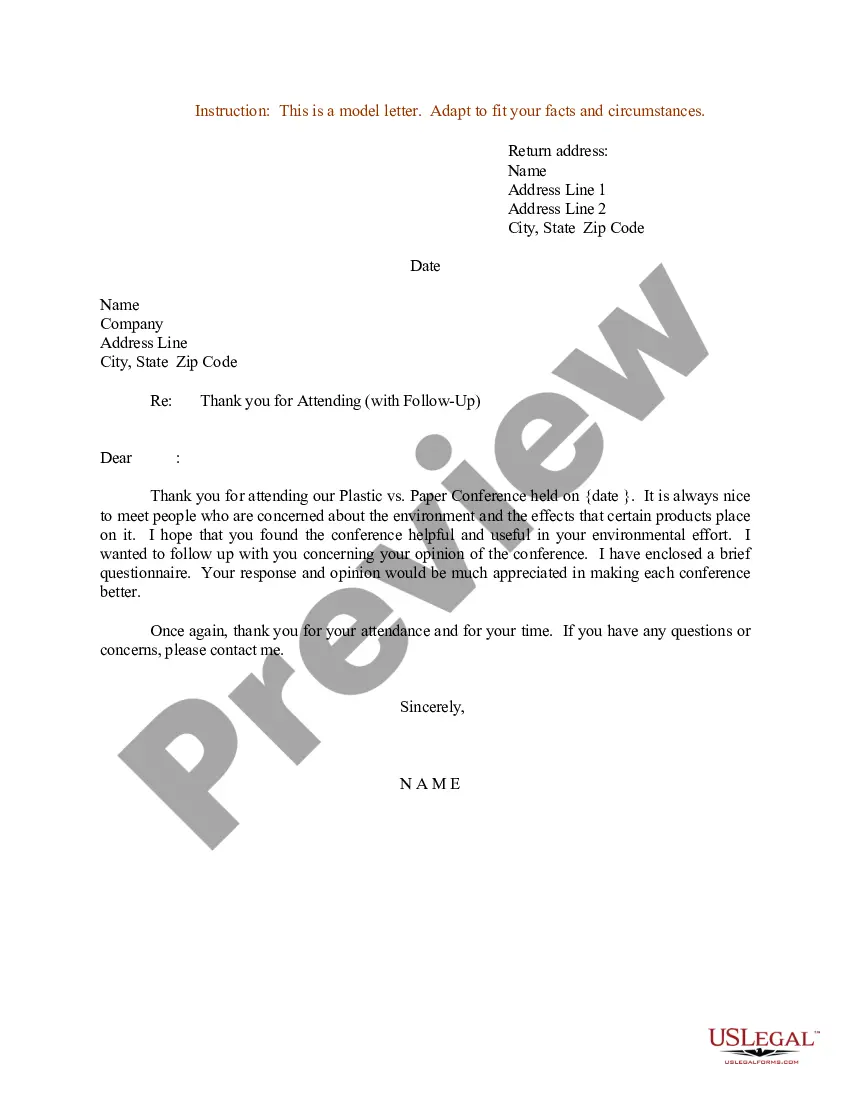
Get your form ready online
Our built-in tools help you complete, sign, share, and store your documents in one place.
Make edits, fill in missing information, and update formatting in US Legal Forms—just like you would in MS Word.
Download a copy, print it, send it by email, or mail it via USPS—whatever works best for your next step.
Sign and collect signatures with our SignNow integration. Send to multiple recipients, set reminders, and more. Go Premium to unlock E-Sign.
If this form requires notarization, complete it online through a secure video call—no need to meet a notary in person or wait for an appointment.
We protect your documents and personal data by following strict security and privacy standards.

Make edits, fill in missing information, and update formatting in US Legal Forms—just like you would in MS Word.

Download a copy, print it, send it by email, or mail it via USPS—whatever works best for your next step.

Sign and collect signatures with our SignNow integration. Send to multiple recipients, set reminders, and more. Go Premium to unlock E-Sign.

If this form requires notarization, complete it online through a secure video call—no need to meet a notary in person or wait for an appointment.

We protect your documents and personal data by following strict security and privacy standards.
Looking for another form?








Form popularity
FAQ
When employees negotiate a business deal, they may document the terms of their partnership. An engagement letter details the nature of the connections between two parties, which often include independent contractors or agencies and the clients they serve.
An engagement letter is a written agreement that describes the business relationship to be entered into by a client and a company. The letter details the scope of the agreement, its terms, and costs. The purpose of an engagement letter is to set expectations on both sides of the agreement.
How to write a letter of recognition in 9 steps Choose the appropriate format. Personalize the message. Determine why you're writing the letter. Recognize specific achievements. Use active voice and positive vocabulary. Express your sincere appreciation. Share others' recognition. Choose the right time to deliver.
What Is an Engagement Letter? An engagement letter is a written agreement that describes the business relationship to be entered into by a client and a company. The letter details the scope of the agreement, its terms, and costs. The purpose of an engagement letter is to set expectations on both sides of the agreement.
I, name of employee, have read and understood this letter. I accept the offer of employment from business name on the terms and conditions set out in the letter. I also confirm I have received a copy of the Fair Work Information Statement.
An engagement letter is generally specific to professional services, such as accounting, consulting, or legal services. A contract, on the other hand, is a broader term that can apply to any agreement involving two parties, irrespective of the nature of their engagement.
To gain positive momentum and increase engagement, you must ask for feedback, do something about it and continually share results. Using employee engagement software is a great place to start. Many engagement platforms offer helpful action items and advice for leaders and managers looking to increase team engagement.
By focusing on the 5 Cs—Care, Connect, Coach, Contribute and Congratulate—organisations can create an environment where employees feel valued, motivated and engaged.
Top Employee Engagement Tips Model your core values and mission. Ask for and learn from feedback. Make sure your managers are engaged. Set up volunteer activities. Support employees' physical and mental health. Recognize and reward top performers. Send frequent employee engagement surveys.
The Engagement form is utilised to record the commencement of the employee's employment.

