Letter Engagement Statement For Job Application In Michigan
Description
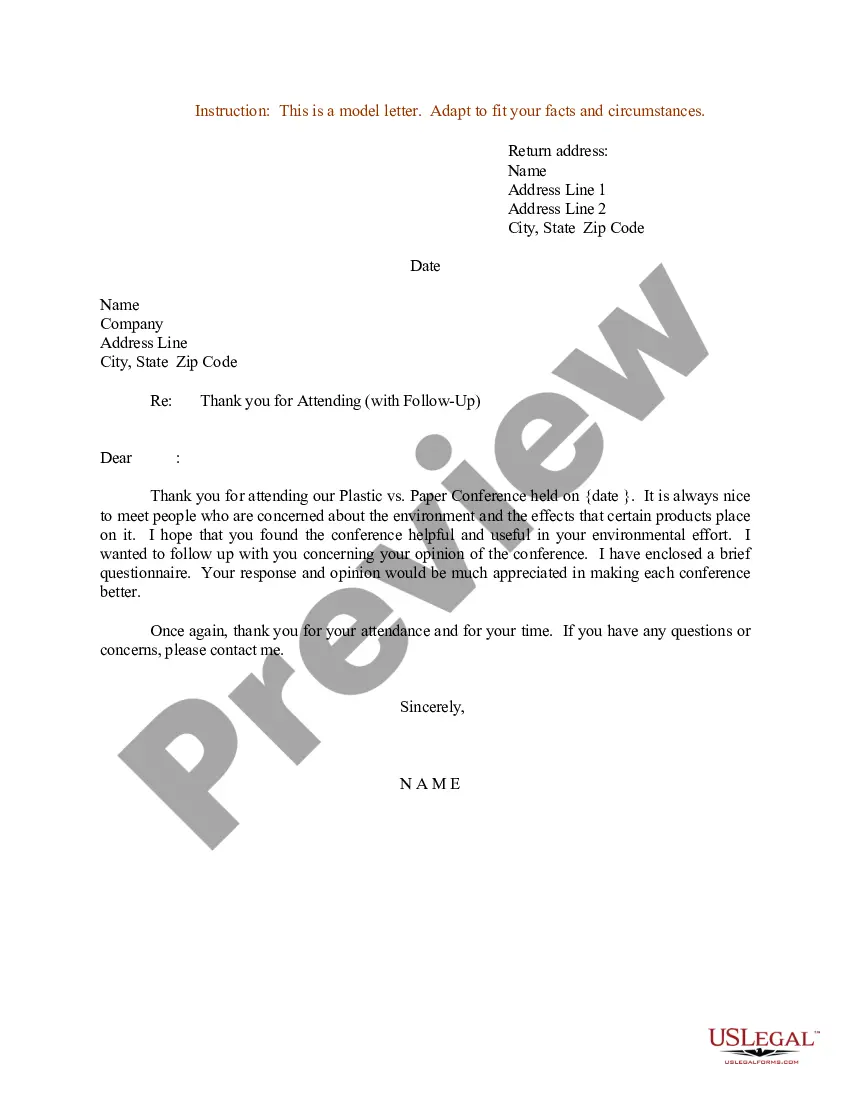
Get your form ready online
Our built-in tools help you complete, sign, share, and store your documents in one place.
Make edits, fill in missing information, and update formatting in US Legal Forms—just like you would in MS Word.
Download a copy, print it, send it by email, or mail it via USPS—whatever works best for your next step.
Sign and collect signatures with our SignNow integration. Send to multiple recipients, set reminders, and more. Go Premium to unlock E-Sign.
If this form requires notarization, complete it online through a secure video call—no need to meet a notary in person or wait for an appointment.
We protect your documents and personal data by following strict security and privacy standards.

Make edits, fill in missing information, and update formatting in US Legal Forms—just like you would in MS Word.

Download a copy, print it, send it by email, or mail it via USPS—whatever works best for your next step.

Sign and collect signatures with our SignNow integration. Send to multiple recipients, set reminders, and more. Go Premium to unlock E-Sign.

If this form requires notarization, complete it online through a secure video call—no need to meet a notary in person or wait for an appointment.

We protect your documents and personal data by following strict security and privacy standards.
Looking for another form?








Form popularity
FAQ
How to write an engagement letter Write the name of the business leader. Specify the purpose of the partnership. List the duties of the client. Identify the timeline for completing the project. Include resources the client delivers. Attach a disclaimer. Validate the terms of the agreement.
Identify one or two of your strongest qualifications and clearly explain how these skills apply to the job. Refer to the job description, if applying to a specific position. Demonstrate that you have researched the organization. Explain how you are a good fit for the position and/or organization.
An engagement letter is a legally binding agreement that establishes a working relationship between a firm or independent contractor and a client hiring their services.
Engagement letters set expectations for both the client and the party providing the service, it specifies the exact service or task to be performed by the firm and the information to be provided by the client. All engagement letters also generally contain various deadlines for each sub-task.
An engagement letter is a written agreement that describes the business relationship to be entered into by a client and a company. The letter details the scope of the agreement, its terms, and costs. The purpose of an engagement letter is to set expectations on both sides of the agreement.
Who Prepares a Letter of Engagement? An engagement letter is drafted by the company rendering the service, often with the help of a lawyer.
8 Critical Elements of an Effective Engagement Letter CLIENT NAME. The first critical element may seem obvious—the identities of the parties involved in the engagement. SCOPE OF SERVICES. CPA FIRM RESPONSIBILITIES. CLIENT RESPONSIBILITIES. DELIVERABLES. ENGAGEMENT TIMING. TERMINATION AND WITHDRAWAL. BILLING AND FEES.
What should I include in my personal statement? Think of a personal statement like a job application cover letter. It should outline your motivation to study, your previous education and employment history, and how this course can assist your career aspirations or progression.
Whenever writing a CV or resume, use the following personal statement. I am an industrious, motivated, and highly productive employee. over recent years, I have developed a diverse set of skills and qualities. which I believe will add value. to your team in this role.
Example: I was excited to find an opening in human resources with Company Y because your work with XYZ (be specific) has been important to me for a long time. I am the perfect candidate for this position because it combines my experience with human resources and XYZ.

