Letter Speaking Engagement Withdrawal In Massachusetts
Description
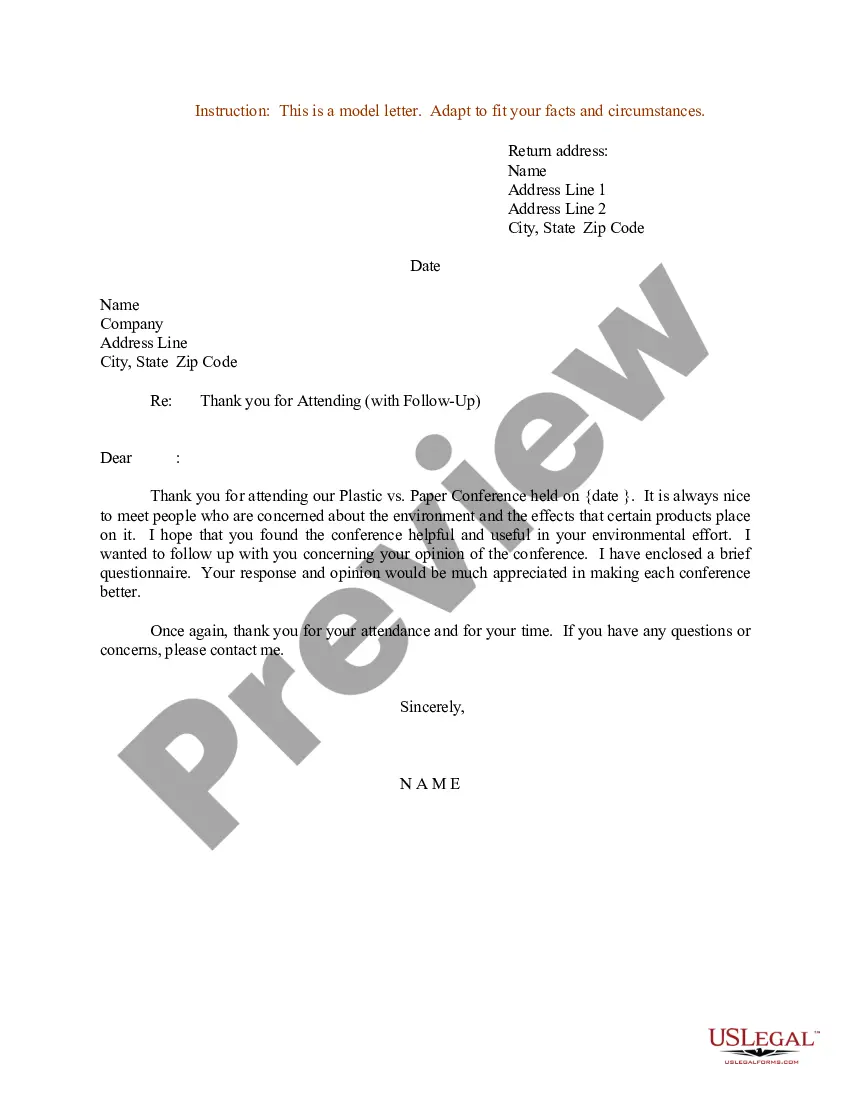
Get your form ready online
Our built-in tools help you complete, sign, share, and store your documents in one place.
Make edits, fill in missing information, and update formatting in US Legal Forms—just like you would in MS Word.
Download a copy, print it, send it by email, or mail it via USPS—whatever works best for your next step.
Sign and collect signatures with our SignNow integration. Send to multiple recipients, set reminders, and more. Go Premium to unlock E-Sign.
If this form requires notarization, complete it online through a secure video call—no need to meet a notary in person or wait for an appointment.
We protect your documents and personal data by following strict security and privacy standards.

Make edits, fill in missing information, and update formatting in US Legal Forms—just like you would in MS Word.

Download a copy, print it, send it by email, or mail it via USPS—whatever works best for your next step.

Sign and collect signatures with our SignNow integration. Send to multiple recipients, set reminders, and more. Go Premium to unlock E-Sign.

If this form requires notarization, complete it online through a secure video call—no need to meet a notary in person or wait for an appointment.

We protect your documents and personal data by following strict security and privacy standards.
Looking for another form?






Form popularity
FAQ
Filling of Withdrawal Form Fill in the date and account number for the funds you want to withdraw. Fill in the details for the branch. Mention the payee's information. Add the amount you want to withdraw in both numerical and verbal form. Sign the withdrawal paper and provide the account holder's name.
The steps to dissolve your Massachusetts LLC should be followed to legally terminate the business. Step 1: Vote to Dissolve the LLC. Step 2: Notify Creditors About Your LLC's Dissolution. Step 3: File Final Tax Returns and Obtain Tax Clearance. Step 4: File Articles or Certificate of Dissolution. Step 5: Distribute Assets.
Dear Mr. Ullman: I am writing to inform you that I am withdrawing my application for the program coordinator position. This week, I was offered an administrative position with a local county government agency and, after careful consideration, I have decided to accept that offer.
Be Honest but Respectful: You don't need to provide excessive details about your situation, but you should be honest about your reasons for withdrawal. Keep It Professional: Use a formal tone and structure. Express Gratitude: Thank the school for the support and opportunities you've received.
Be Honest but Respectful: You don't need to provide excessive details about your situation, but you should be honest about your reasons for withdrawal. Keep It Professional: Use a formal tone and structure. Express Gratitude: Thank the school for the support and opportunities you've received.
Rule 5.4(b) of the Massachusetts Rules of Professional Conduct declares that "a lawyer shall not form a partnership with a nonlawyer if any of the activities of the partnership consist of the practice of law," and Rule 5.4(d) similarly bars corporate ownership of a law firm by a nonlawyer.
An attorney may, without leave of court, withdraw from a case by filing written notice of withdrawal, together with proof of service on his client and all other parties, provided that (1) such notice is accompanied by the appearance of successor counsel; (2) no motions are then pending before the court; and (3) no ...
Model Rule 1.13(a) and (f) (2002) make explicit a lawyer's duty to be both forthright about whom the lawyer represents, and be diligent in his or her analysis of any existing or potential conflicts of interest.
Except as law may otherwise expressly permit, a lawyer having information that the lawyer knows is confidential government information about a person acquired when the lawyer was a public officer or employee, may not represent a private client whose interests are adverse to that person in a matter in which the ...
Rule 1.10(b) operates to permit a law firm, under certain circumstances, to represent a person with interests directly adverse to those of a client represented by a lawyer who formerly was associated with the firm. The Rule applies regardless of when the formerly associated lawyer represented the client.

