Sample Letter To Request Speaking Engagement With Manager In Illinois
Description
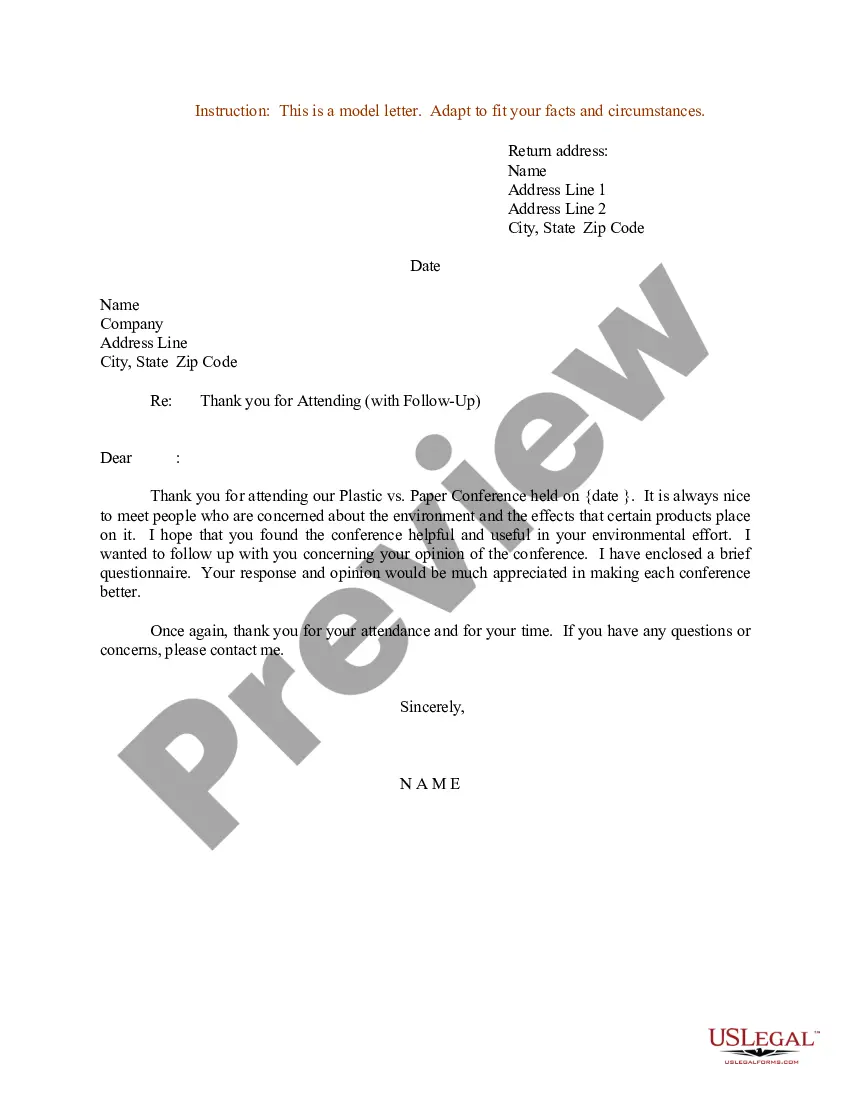
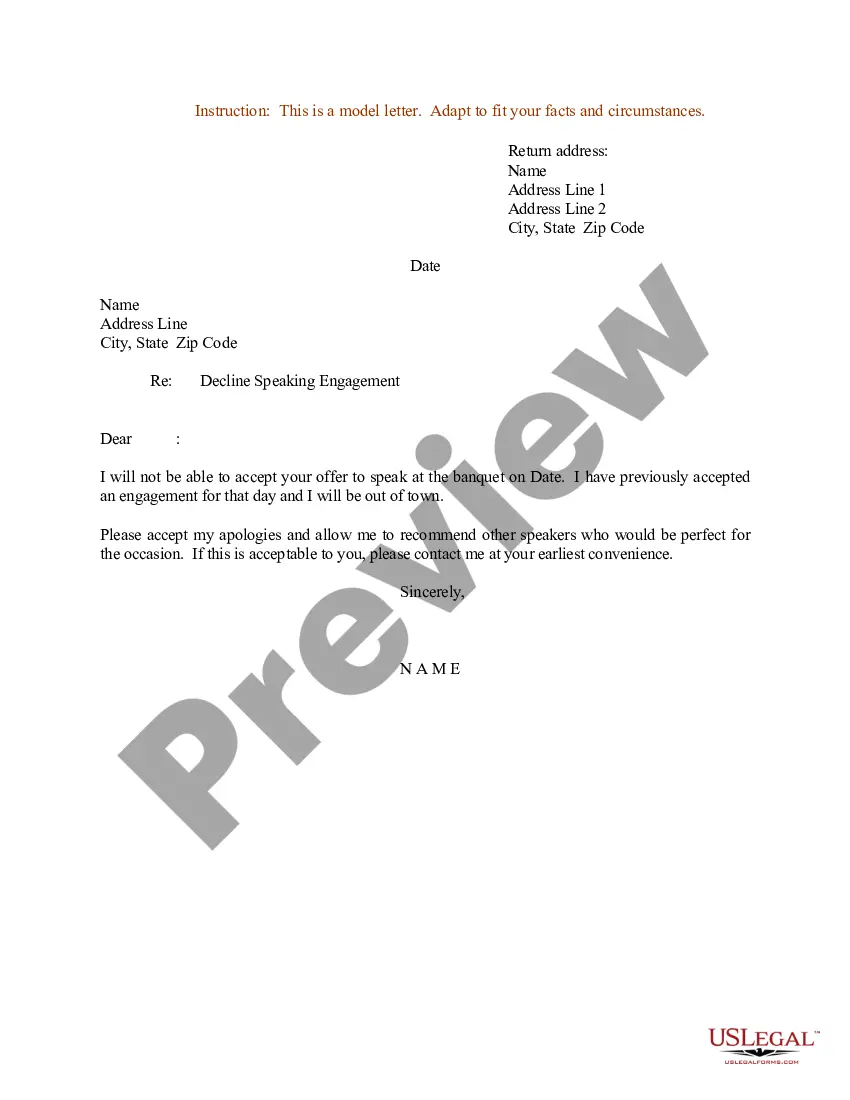
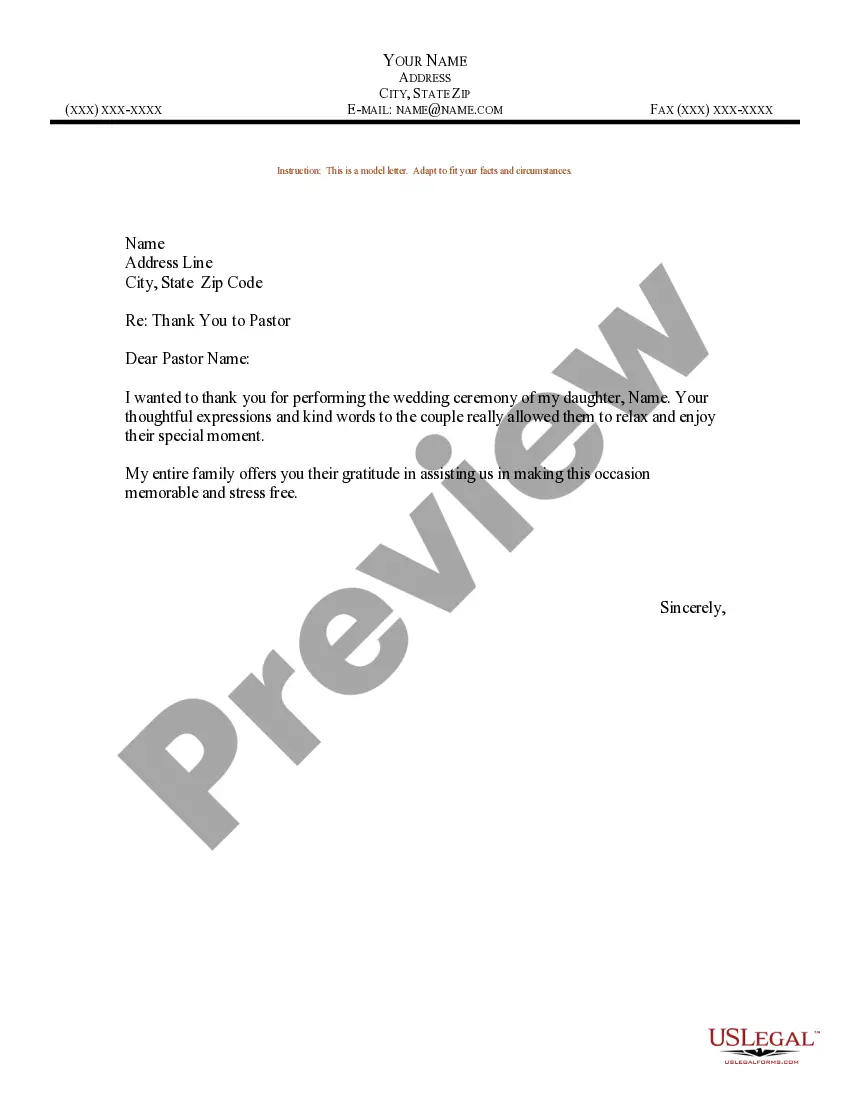
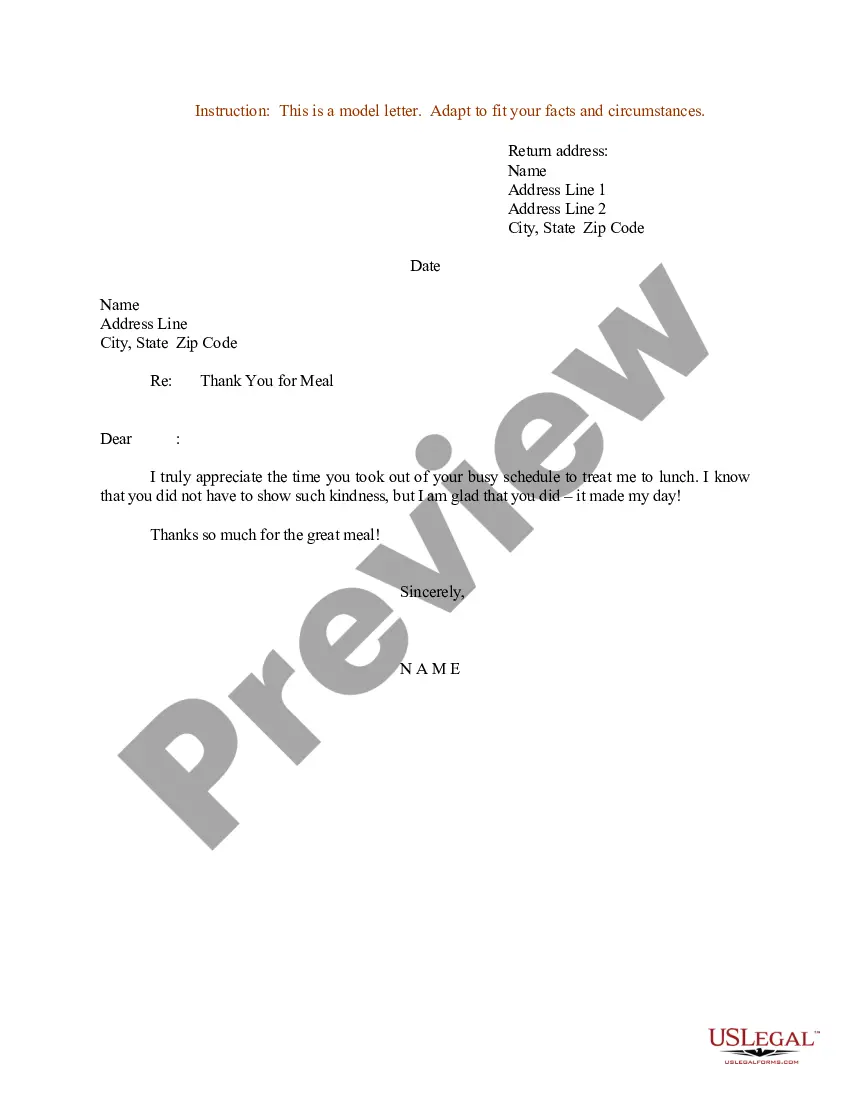
Get your form ready online
Our built-in tools help you complete, sign, share, and store your documents in one place.
Make edits, fill in missing information, and update formatting in US Legal Forms—just like you would in MS Word.
Download a copy, print it, send it by email, or mail it via USPS—whatever works best for your next step.
Sign and collect signatures with our SignNow integration. Send to multiple recipients, set reminders, and more. Go Premium to unlock E-Sign.
If this form requires notarization, complete it online through a secure video call—no need to meet a notary in person or wait for an appointment.
We protect your documents and personal data by following strict security and privacy standards.

Make edits, fill in missing information, and update formatting in US Legal Forms—just like you would in MS Word.

Download a copy, print it, send it by email, or mail it via USPS—whatever works best for your next step.

Sign and collect signatures with our SignNow integration. Send to multiple recipients, set reminders, and more. Go Premium to unlock E-Sign.

If this form requires notarization, complete it online through a secure video call—no need to meet a notary in person or wait for an appointment.

We protect your documents and personal data by following strict security and privacy standards.
Looking for another form?







Form popularity
FAQ
When crafting a meeting invite, make sure you do the following. Create a specific subject line. Begin by showing your intention. Include crucial meeting details in the body of the email. End the email politely. Ask for a one-on-one meeting with the manager. Meeting invitation to employees.
Hi Recipient's Name, I am writing on behalf of Your Boss's Name, who is interested in discussing Topic/Reason with you. Your expertise and insights would greatly contribute to the conversation. If you're available, we would like to propose a meeting on Date at Time in Location or Virtual Platform.
Here are eight simple steps you can take to draft a meeting request email: Start with a clear subject line. Choose a greeting. Introduce yourself. Explain the purpose of the meeting. Propose a date and time (but be flexible) ... Request a confirmation. Tell participants how they reach you if necessary. Send a reminder.
Hi (Recipient's name), I'm contacting you to request additional support for me and my career. I love my job and the company and am keen to achieve as much as possible in my career. Could we get together to discuss my progress so far and what I can do in the future to push my career forward?
To politely ask your manager for a meeting, you could say something like: ``Hello (Manager's Name), I was hoping we could find some time to discuss (brief explanation of what you'd like to discuss). Would you be available for a brief meeting sometime this week?
How To Write A Letter Of Request? Include the address and date. Address and date are the headers of most business letters. Include the reference and subject. Add the reference number and the subject one line below it. Add a salutation. Enter a salutation. Write the first paragraph. Write subsequent paragraphs.
Dear Recipient's name, I would like to invite you to a meeting insert date where we will discuss our strategy to date. We will use this time to discuss the last quarter as well as our strategies as we move into the next. Please let me know if the proposed date works with your schedule.
How To Write An Email To A Manager Identify the purpose of the email. Choose a suitable subject line. Start with a greeting. Explain why you are writing the email. Provide additional details. Ask your manager to take action. End with a strong closing sentence. Add your signature.
In formal letter-writing, it's better to be more traditional. Most formal letters start with 'Dear', followed by the name of the recipient. Sometimes, this might be their title, followed by their surname, (e.g. Dear Miss Brown) but it could also be their full name (e.g. Dear Anne Brown).
The standard professional greeting is “Dear,” but many people also use the recipient's name alone. Either way, follow the person's name with a colon. If you do not know the specific name of the person you are sending your letter to, you can use their title instead.

