Letter Requesting Speaking Opportunity With Parents In Harris
Description
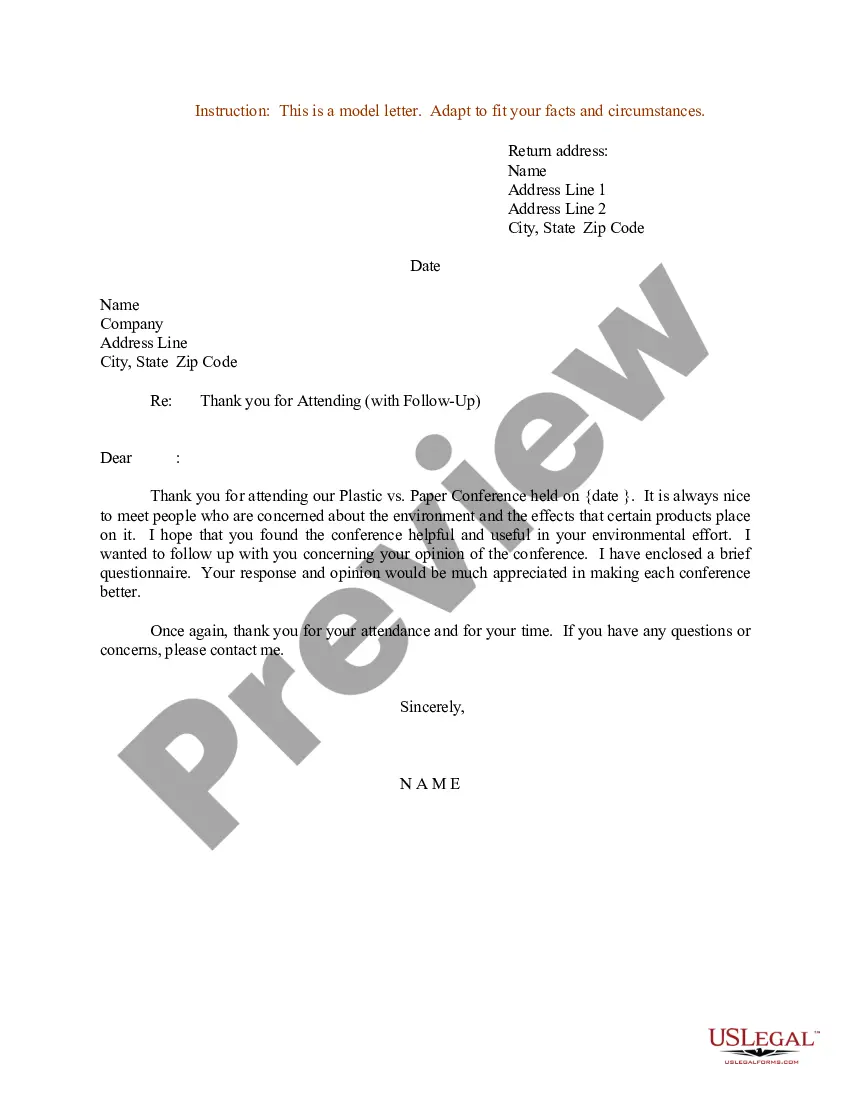
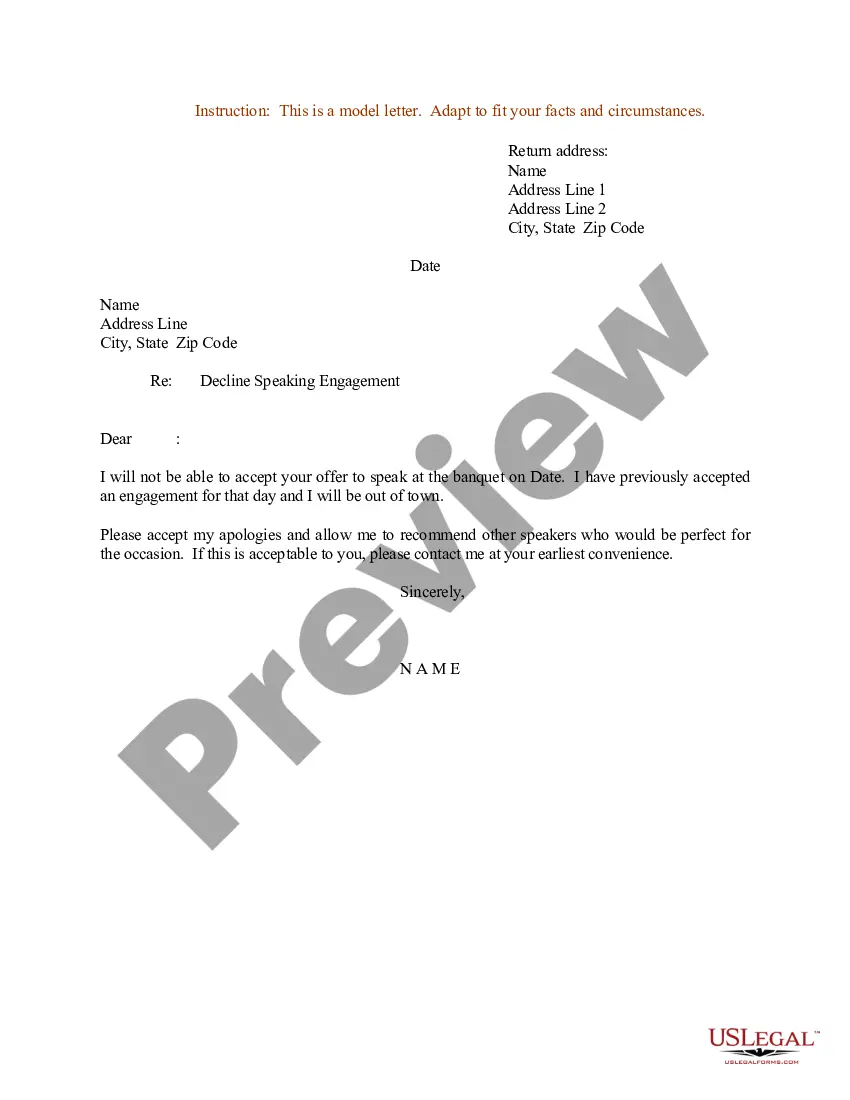
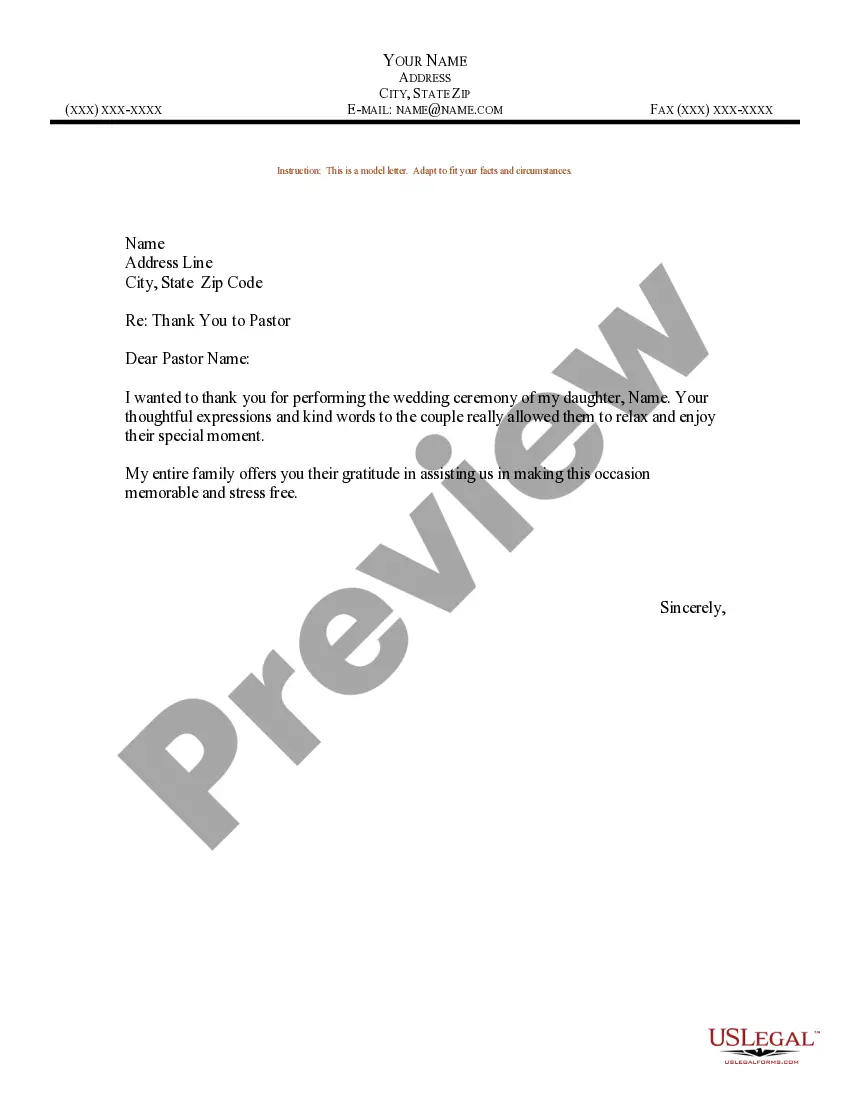
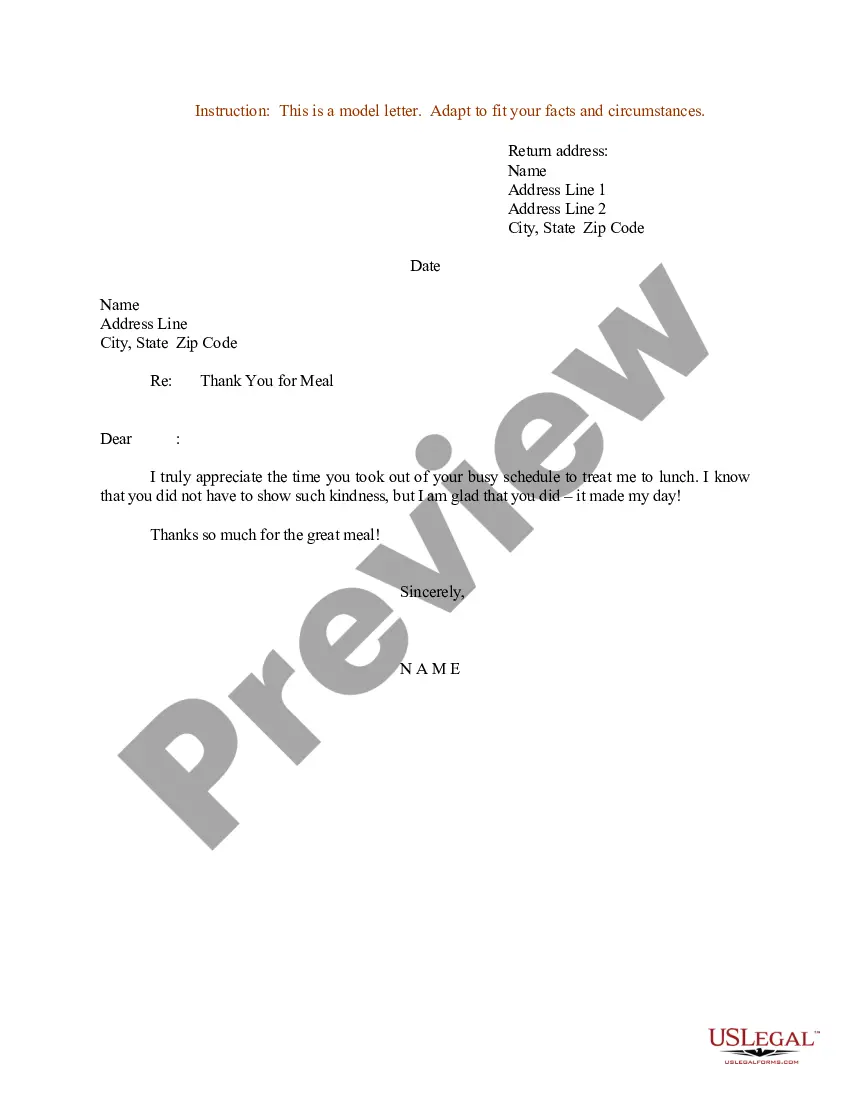
Get your form ready online
Our built-in tools help you complete, sign, share, and store your documents in one place.
Make edits, fill in missing information, and update formatting in US Legal Forms—just like you would in MS Word.
Download a copy, print it, send it by email, or mail it via USPS—whatever works best for your next step.
Sign and collect signatures with our SignNow integration. Send to multiple recipients, set reminders, and more. Go Premium to unlock E-Sign.
If this form requires notarization, complete it online through a secure video call—no need to meet a notary in person or wait for an appointment.
We protect your documents and personal data by following strict security and privacy standards.

Make edits, fill in missing information, and update formatting in US Legal Forms—just like you would in MS Word.

Download a copy, print it, send it by email, or mail it via USPS—whatever works best for your next step.

Sign and collect signatures with our SignNow integration. Send to multiple recipients, set reminders, and more. Go Premium to unlock E-Sign.

If this form requires notarization, complete it online through a secure video call—no need to meet a notary in person or wait for an appointment.

We protect your documents and personal data by following strict security and privacy standards.
Looking for another form?








Form popularity
FAQ
Always mention the name and address of the recipient. Then, write a subject line asking for permission. Now, greet the recipient with a formal salutation. Moreover, in the body, mention your name and reason for writing the letter.
Call to Action: - Clearly state what you are requesting. - Provide clear instructions on how the person can fulfill your request. - Include a deadline if necessary. Closing: - Thank the person for considering your request. - Express gratitude for their time and attention. - Sign off with a polite closing.
We use can to ask for permission to do something: Can I ask a question, please? Can we go home now? Could I ask a question, please? Could we go home now? May I ask a question, please? May we go home now?
Dear Name of Authority, I am writing this letter to request your permission to enter the Name of Location on Date and Time. As part of my explain the reason for the visit, I need to access the Name of Area/Building/Room located within the premises.
Remember to look at the situation from their perspective. Try to address the concerns they may have in a positive and understanding manner. Use language that is respectful. Support your argument with logical reasons and good examples.
I hope this message finds you well. I am writing to grant permission for my child, (Child's Name), to participate in the upcoming (Event Name) scheduled for (Date). The event will take place from (Start Time) to (End Time), and I am aware that it will be held at (Location/School).
Dear (Teacher's Name), I hope this message finds you well. I am writing to grant permission for my child, (Child's Name), to participate in the upcoming (Event Name) scheduled for (Date). The event will take place from (Start Time) to (End Time), and I am aware that it will be held at (Location/School).
When writing a letter to your child's teacher, start with a friendly greeting, such as "Dear," "To," or "Good morning." Then, open the letter with the reason why you're writing using a positive tone. Close the letter with a professional closing like "Best" or "Thank you" and your name.
I, ______________________________________________ (name of parent), am the ______ (mother) ______ (father) of __________________________________ , aged ____________ , and do hereby give my consent for (him)(her) to travel with __________________________________________________________________ (name/address of traveling ...

