Letter Engagement Statement For Work In Franklin
Description
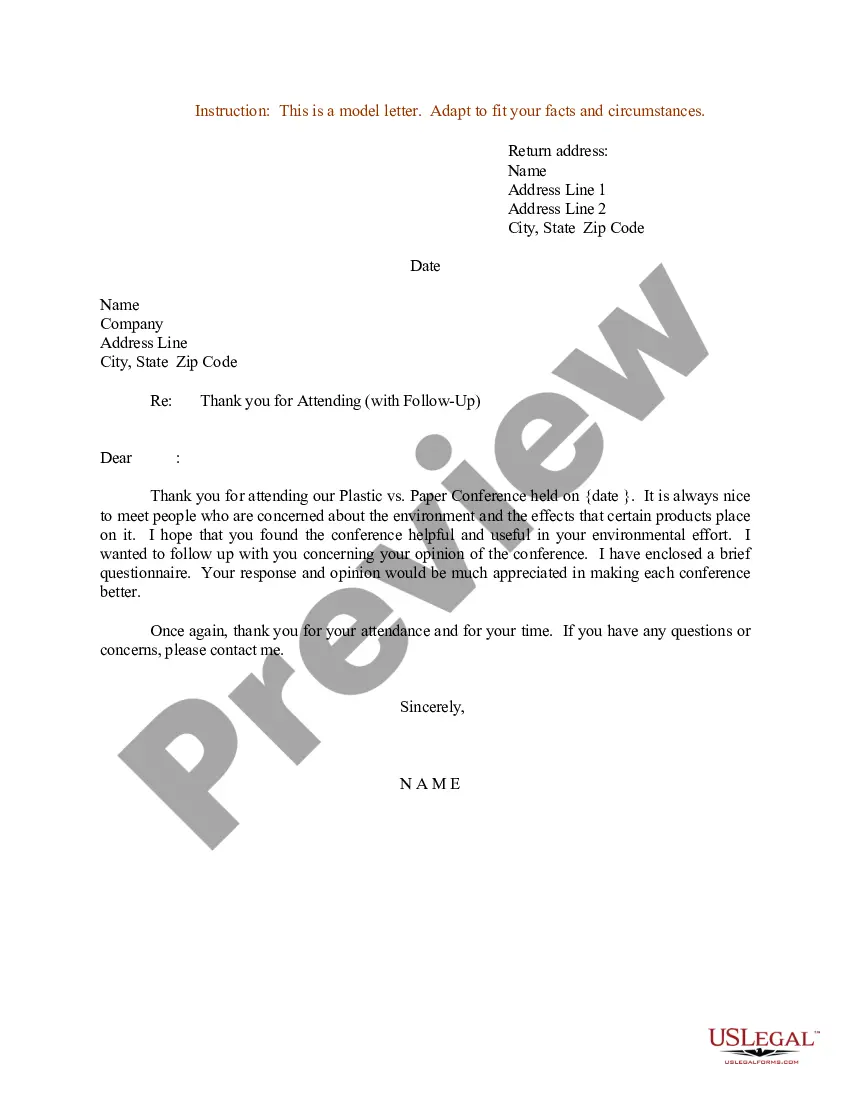
Get your form ready online
Our built-in tools help you complete, sign, share, and store your documents in one place.
Make edits, fill in missing information, and update formatting in US Legal Forms—just like you would in MS Word.
Download a copy, print it, send it by email, or mail it via USPS—whatever works best for your next step.
Sign and collect signatures with our SignNow integration. Send to multiple recipients, set reminders, and more. Go Premium to unlock E-Sign.
If this form requires notarization, complete it online through a secure video call—no need to meet a notary in person or wait for an appointment.
We protect your documents and personal data by following strict security and privacy standards.

Make edits, fill in missing information, and update formatting in US Legal Forms—just like you would in MS Word.

Download a copy, print it, send it by email, or mail it via USPS—whatever works best for your next step.

Sign and collect signatures with our SignNow integration. Send to multiple recipients, set reminders, and more. Go Premium to unlock E-Sign.

If this form requires notarization, complete it online through a secure video call—no need to meet a notary in person or wait for an appointment.

We protect your documents and personal data by following strict security and privacy standards.
Looking for another form?









Form popularity
FAQ
Existing literature and research makes a distinction made between engagement (regarded as a positive state for both self and work performance) and disengagement (regarded as a negative state).
Employee disengagement occurs when employees lack enthusiasm, commitment, and connection to their work or the organization. Disengaged employees often feel disconnected from their roles, resulting in decreased productivity and overall job satisfaction.
Top Employee Engagement Tips Model your core values and mission. Ask for and learn from feedback. Make sure your managers are engaged. Set up volunteer activities. Support employees' physical and mental health. Recognize and reward top performers. Send frequent employee engagement surveys.
Engaged employees are "involved in and enthusiastic about their work and workplace," ing to the survey. Actively disengaged employees are "disgruntled and disloyal" because most of their workplace needs are unmet.
A disengaged owner just manages based on how he feels that particular day. The engaged owner manages people as well as the finances of the company consistently every day. He-she knows what is going on in the company and meets daily or weekly with each key employee within the company to track the operation's progress.
Employee engagement is a human resources (HR) concept that describes the level of enthusiasm and dedication a worker feels toward their job. Engaged employees care about their work and about the performance of the company, and feel that their efforts make a difference.
What Is an Engagement Letter? An engagement letter is a written agreement that describes the business relationship to be entered into by a client and a company. The letter details the scope of the agreement, its terms, and costs. The purpose of an engagement letter is to set expectations on both sides of the agreement.
Engagement letters set the terms of the agreement between two parties and include details such as the scope, fees, and responsibilities, among others. Some of the benefits of engagement letters are that they are legally binding documents, they reduce misunderstandings, and they set clear expectations.
An engagement letter serves as a formal written agreement outlining the business relationship between a client and a company. This document specifies the scope of the agreement, its terms, and associated costs.
An engagement letter is a written agreement that describes the business relationship to be entered into by a client and a company. The letter details the scope of the agreement, its terms, and costs. The purpose of an engagement letter is to set expectations on both sides of the agreement.

