Speaker Engagement Speaking For Business 4th Edition In Florida
Description
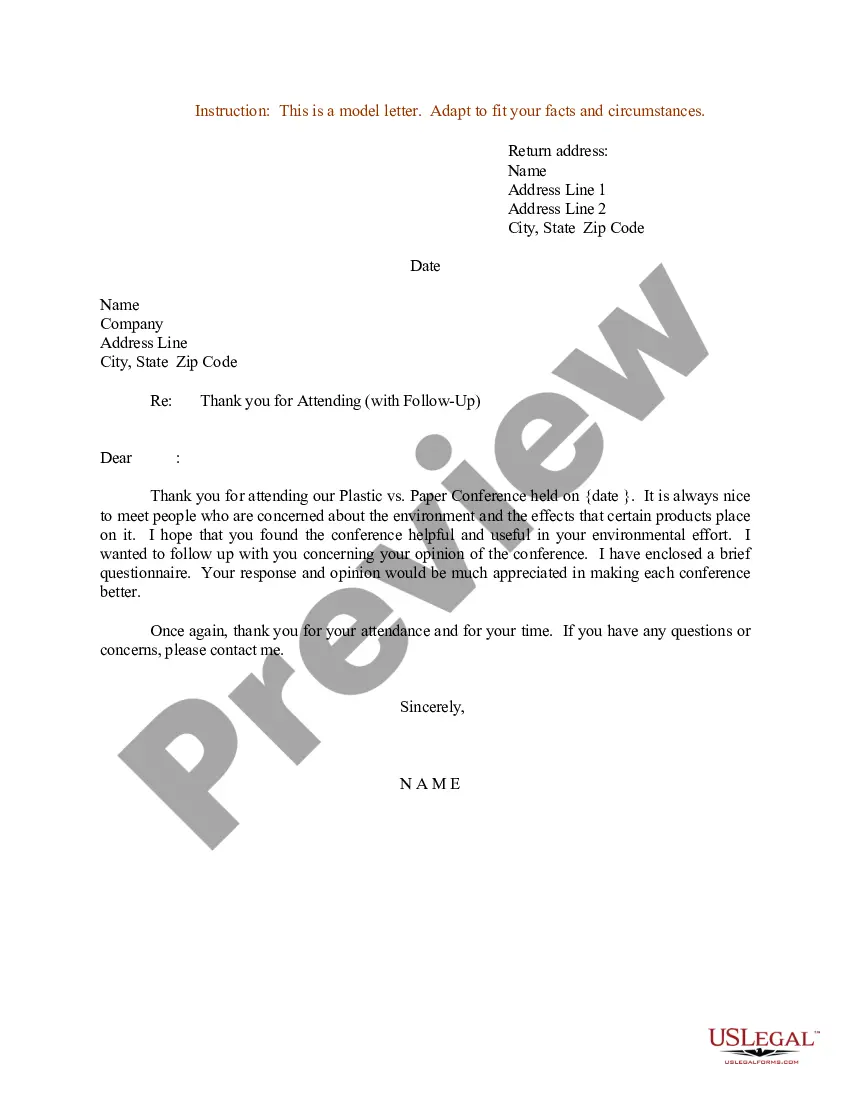
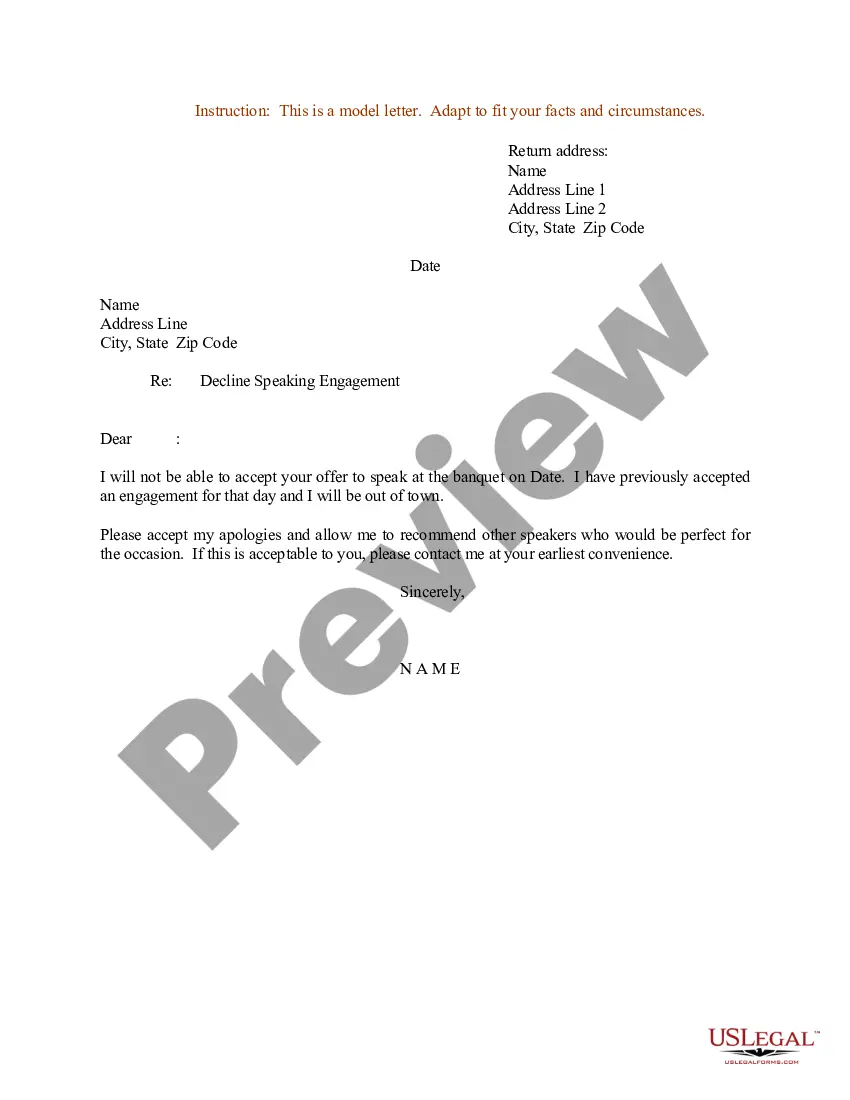
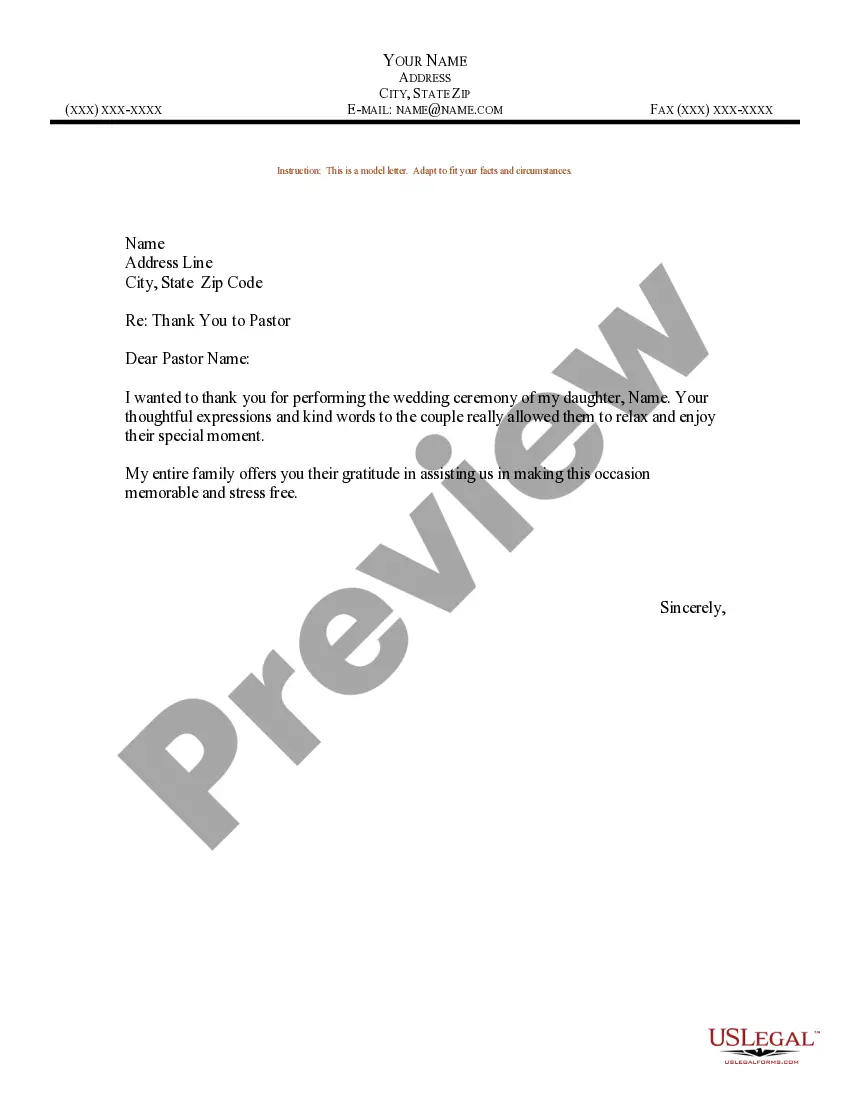
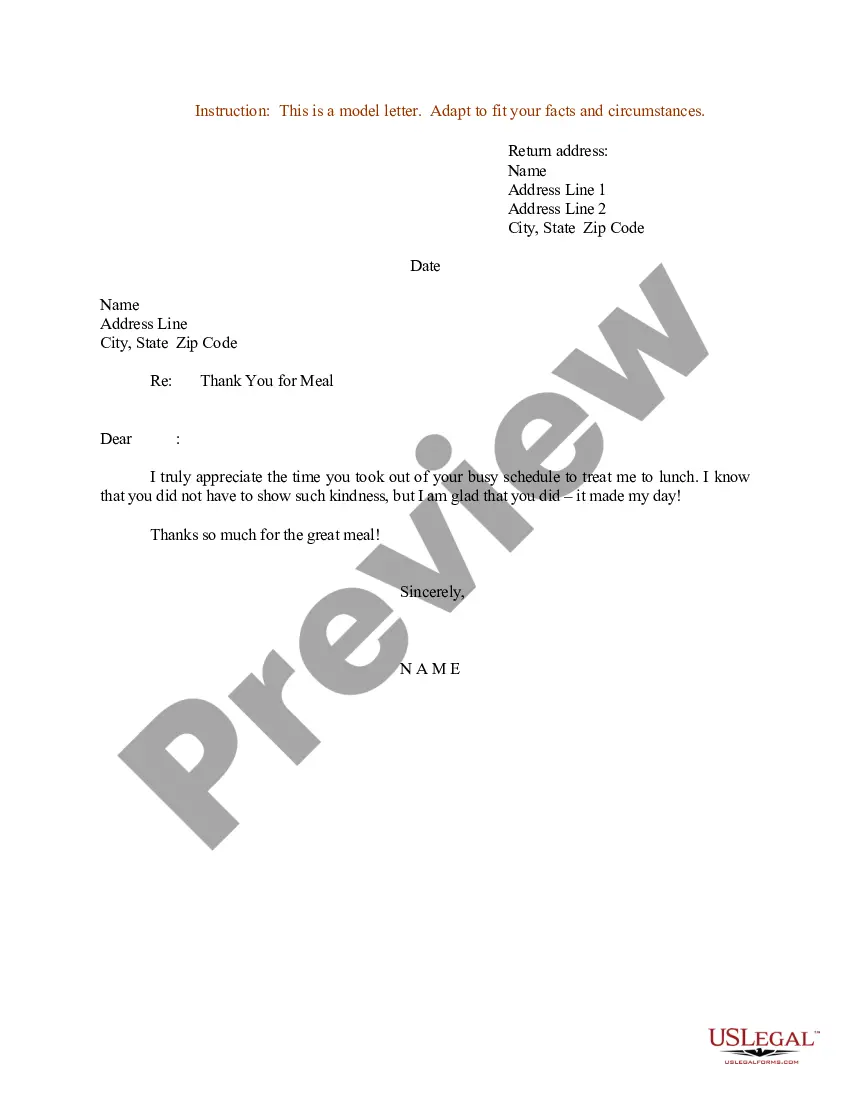
Get your form ready online
Our built-in tools help you complete, sign, share, and store your documents in one place.
Make edits, fill in missing information, and update formatting in US Legal Forms—just like you would in MS Word.
Download a copy, print it, send it by email, or mail it via USPS—whatever works best for your next step.
Sign and collect signatures with our SignNow integration. Send to multiple recipients, set reminders, and more. Go Premium to unlock E-Sign.
If this form requires notarization, complete it online through a secure video call—no need to meet a notary in person or wait for an appointment.
We protect your documents and personal data by following strict security and privacy standards.

Make edits, fill in missing information, and update formatting in US Legal Forms—just like you would in MS Word.

Download a copy, print it, send it by email, or mail it via USPS—whatever works best for your next step.

Sign and collect signatures with our SignNow integration. Send to multiple recipients, set reminders, and more. Go Premium to unlock E-Sign.

If this form requires notarization, complete it online through a secure video call—no need to meet a notary in person or wait for an appointment.

We protect your documents and personal data by following strict security and privacy standards.
Looking for another form?









Form popularity
FAQ
The chronological, topical, spatial, or causal patterns may be better suited to informative speeches, whereas the Problem-Solution, Monroe's Motivated Sequence (Monroe, 1949) would work best for persuasive speeches.
The art of public speaking is a valuable skill that can greatly impact one's personal and professional life. Whether you're presenting to a small group or a large audience, effective public speaking can help you convey your ideas, persuade others, and build strong connections.
Speaker Event Planning Checklist Outline the objectives of your event. Identify your budget. Consider the type of thought leader(s) you would like to host based on the steps above. Contact a reputable speakers bureau. Choose the speaker you would like to extend an invitation to. Execute agreements and invoices.
Audiences are unlikely to understand disorganized speeches and even less likely to think that disorganized speakers are reliable or credible. Speeches are organized into three main parts: introduction, body, and conclusion.
The five-finger model of public speaking comprises: the thumb (audience's interests), index finger (purpose of speech), middle finger (main message), ring finger (relationship between speaker and audience), and little finger (attention to details like body language, tone, and visual aids).
When a document is well-organized, readers can easily get the information they need. Good organization also helps readers see the connections between ideas. We know that time is one of the biggest constraints in modern business communication. Most people get a lot of emails, and so often must skim.
A speech organizational pattern refers to the way the information is arranged within the speech. Organizational patterns include chronological, spatial, cause and effect, problem-solution, and topical.
When a speech's information is well-organized, it impacts the way the audience understands the speech. Organized speeches are easier to understand and remember. They are usually more enjoyable, too. An organized speech gives credibility to the speaker as well.
1 Know your audience. Before you send out any pitch, you need to do some research on your target audience. 2 Craft your hook. The first impression is crucial when it comes to pitching yourself for speaking opportunities. 3 Showcase your value. 4 Provide evidence. 5 Include a call to action. 6 Here's what else to consider.
Reach Out to Contacts: Inform colleagues, friends, and professional contacts that you are available for speaking engagements. Ask for Referrals: Encourage your network to recommend you to event organizers. Create a Compelling Pitch: Outline your speaking topics, what attendees will learn, and your unique perspective.

