Letter Engagement Statement With Client In Florida
Description
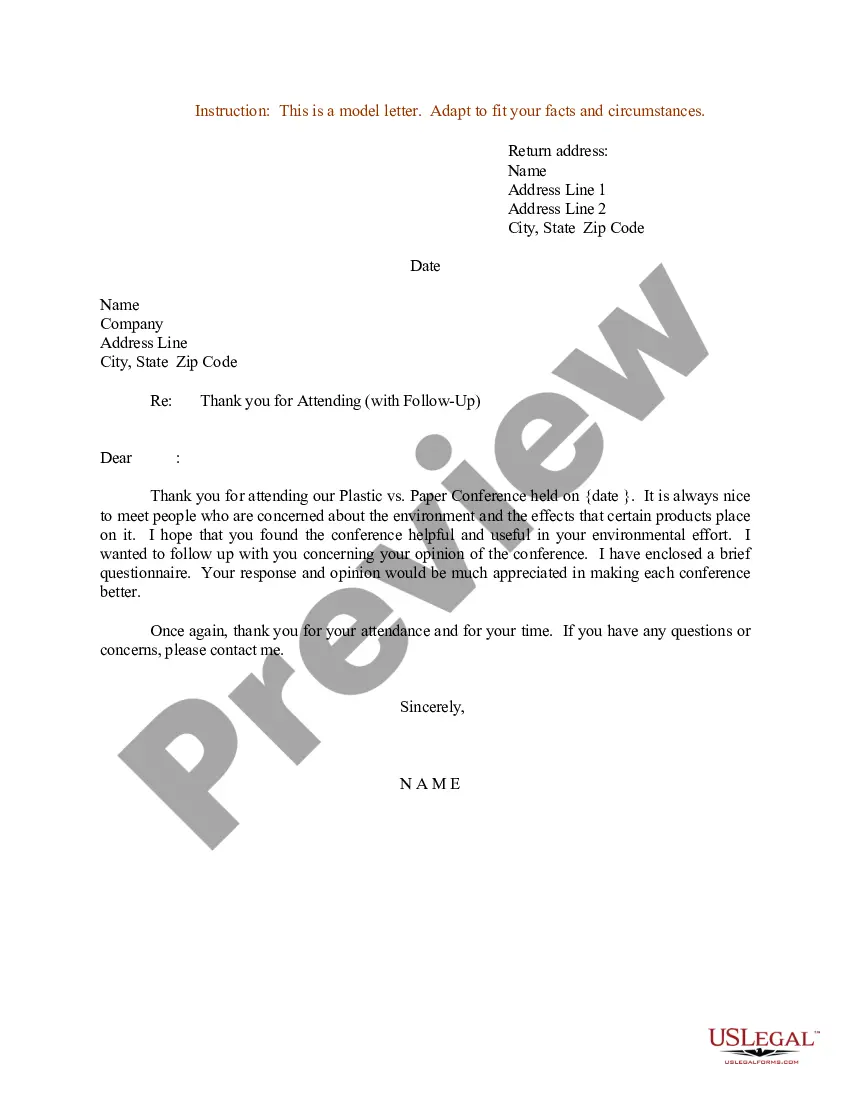
Get your form ready online
Our built-in tools help you complete, sign, share, and store your documents in one place.
Make edits, fill in missing information, and update formatting in US Legal Forms—just like you would in MS Word.
Download a copy, print it, send it by email, or mail it via USPS—whatever works best for your next step.
Sign and collect signatures with our SignNow integration. Send to multiple recipients, set reminders, and more. Go Premium to unlock E-Sign.
If this form requires notarization, complete it online through a secure video call—no need to meet a notary in person or wait for an appointment.
We protect your documents and personal data by following strict security and privacy standards.

Make edits, fill in missing information, and update formatting in US Legal Forms—just like you would in MS Word.

Download a copy, print it, send it by email, or mail it via USPS—whatever works best for your next step.

Sign and collect signatures with our SignNow integration. Send to multiple recipients, set reminders, and more. Go Premium to unlock E-Sign.

If this form requires notarization, complete it online through a secure video call—no need to meet a notary in person or wait for an appointment.

We protect your documents and personal data by following strict security and privacy standards.
Looking for another form?







Form popularity
FAQ
Under Rule 4-1.6, a lawyer may only disclose information relating to the representation if the lawyer has the client's informed consent or one of the exceptions stated in subdivisions (b) or (c) applies.
Rule 4-4.4 - RESPECT FOR RIGHTS OF THIRD PERSONS (a) In representing a client, a lawyer may not use means that have no substantial purpose other than to embarrass, delay, or burden a third person or knowingly use methods of obtaining evidence that violate the legal rights of such a person.
At 1066 (Rule 4-4.3) (lawyer should not state or imply to an unrepresented party that the lawyer is a disinterested authority on the law and should correct any misunderstanding that the unrepresented party may have concerning the lawyer's role).
Rule 1-3.10 - APPEARANCE BY NON-FLORIDA LAWYER IN A FLORIDA COURT (a) Non-Florida Lawyer Appearing in a Florida Court. A practicing lawyer of another state may be permitted to practice as allowed by the Florida Rules of General Practice and Judicial Administration regarding foreign attorneys.
Regulating Fla. Bar 4-1.4 ). In the case of irreconcilable disagreements with a client, the lawyer must provide diligent representation until the lawyer-client relationship is formally dissolved in compliance with the law and the client's best interests.
Clients have the legal right to informed participation in all decisions concerning their healthcare and the right to refuse treatment, to the extent permitted by law, and to be informed of the medical consequences of their actions.
We are pleased to accept the instruction to act as your bookkeeper/accountant and we are writing to confirm the terms of our appointment. The purpose of this letter is to set out our terms for carrying out the work and to clarify our respective responsibilities.
An engagement letter is a written agreement that describes the business relationship to be entered into by a client and a company. The letter details the scope of the agreement, its terms, and costs. The purpose of an engagement letter is to set expectations on both sides of the agreement.
Engagement letters are typically created and signed at the beginning of a client relationship, though they may be reviewed, updated, and signed at a regular interval (often annually) for long-term relationships. New engagement letters may also be created for an existing client if the scope of work changes.
For an engagement letter to be binding, there must be agreement to the terms on both sides. The engagement letter is drafted and, in most cases, signed by the firm, therefore there is clear evidence of the agreement of the contents of the letter on the firm's side.

