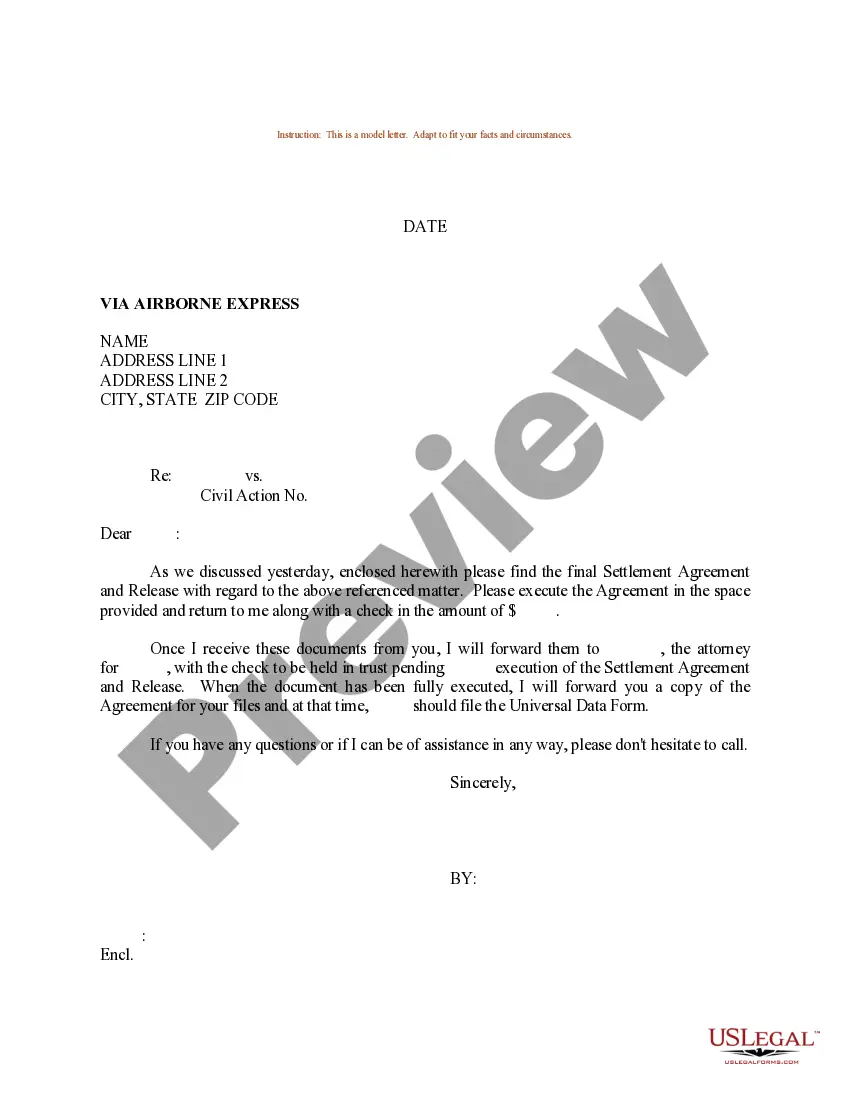
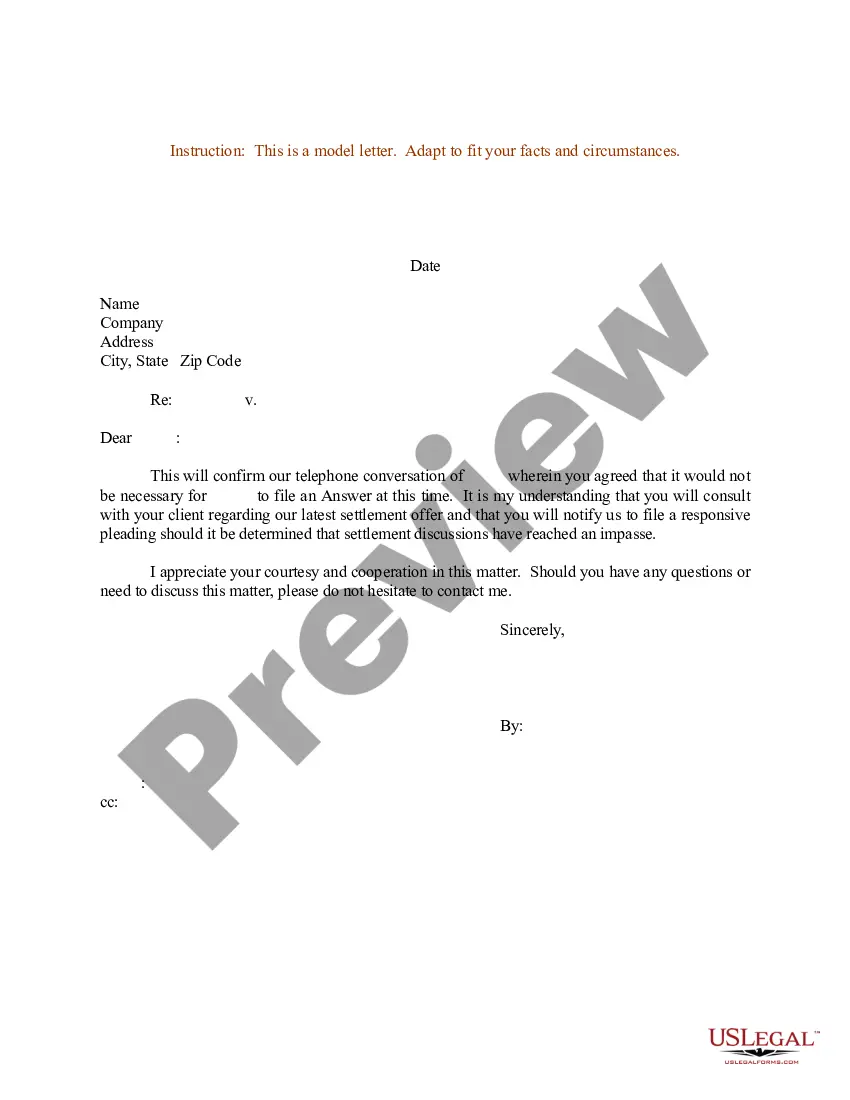
Sample Letter For Overdue Payment Settlement In Cook
Description

Get your form ready online
Our built-in tools help you complete, sign, share, and store your documents in one place.
Make edits, fill in missing information, and update formatting in US Legal Forms—just like you would in MS Word.
Download a copy, print it, send it by email, or mail it via USPS—whatever works best for your next step.
Sign and collect signatures with our SignNow integration. Send to multiple recipients, set reminders, and more. Go Premium to unlock E-Sign.
If this form requires notarization, complete it online through a secure video call—no need to meet a notary in person or wait for an appointment.
We protect your documents and personal data by following strict security and privacy standards.

Make edits, fill in missing information, and update formatting in US Legal Forms—just like you would in MS Word.

Download a copy, print it, send it by email, or mail it via USPS—whatever works best for your next step.

Sign and collect signatures with our SignNow integration. Send to multiple recipients, set reminders, and more. Go Premium to unlock E-Sign.

If this form requires notarization, complete it online through a secure video call—no need to meet a notary in person or wait for an appointment.

We protect your documents and personal data by following strict security and privacy standards.
Looking for another form?







Form popularity
FAQ
It is important to be polite but firm with late payment requests. Firstly, you should provide a friendly reminder that the invoice is overdue and request information about the payment process. For a professional approach, use clear language to remind them of the payment method and deadline.
20-25 days after the due date: Send another payment reminder, with a direct but polite message. You can remind the customer of any interest and fees that will be added as a consequence of late payment.
Be polite and friendly and ask your client what happened and how you could help to find a solution, like accepting a payment settlement. Also, describe your situation and the company risks you may face because of this outstanding invoice. Hopefully, your client will be convinced to proceed with the payment.
To request payment professionally, it's important to first make sure there was no error or miscommunication about the invoice. Send a polite email to your client explaining that the payment is now past due and ask to make sure they received the initial invoice and there were no problems with it.
How to Write an Overdue Invoice Letter? Step 1- Start with a polite greeting. Step 2 – Clearly state the purpose. Step 3 – Provide relevant details. Step 4 – Express understanding. Step 5 – Set clear expectations. Step 6 – Offer assistance. Step 7 – End on a positive note. Step 8 – Close the letter:
What to include in a Collection Letter? Personal Information. Your Contact Information. Attach All Overdue Invoices. Invoice Details and Due Date. Updated Invoice with Late Fees (If Applicable). Payment Methods. Offer a Payment Plan (Optional). Consequences of Non-Payment:
Consider the following: Be as direct as possible, Come up with a clear call to action, Ask the client to confirm they received the invoice email, Emphasize the time the invoice is overdue, and. Include a copy of the original invoice in the attachment.
How to Ask for Payment Professionally Check the Client Received the Invoice. Send a Brief Email Requesting Payment. Speak to the Client By Phone. Consider Cutting off Future Work. Research Collection Agencies. Review Your Legal Options.
Typical Schedule for Demand Letters Use a letterhead. Outline the facts/story leading up to the demand letter in a chronological manner. State the legal basis for your claim. State how you will pursue legal action if your demand is not met, and include a timeline within which the demand is to be met.
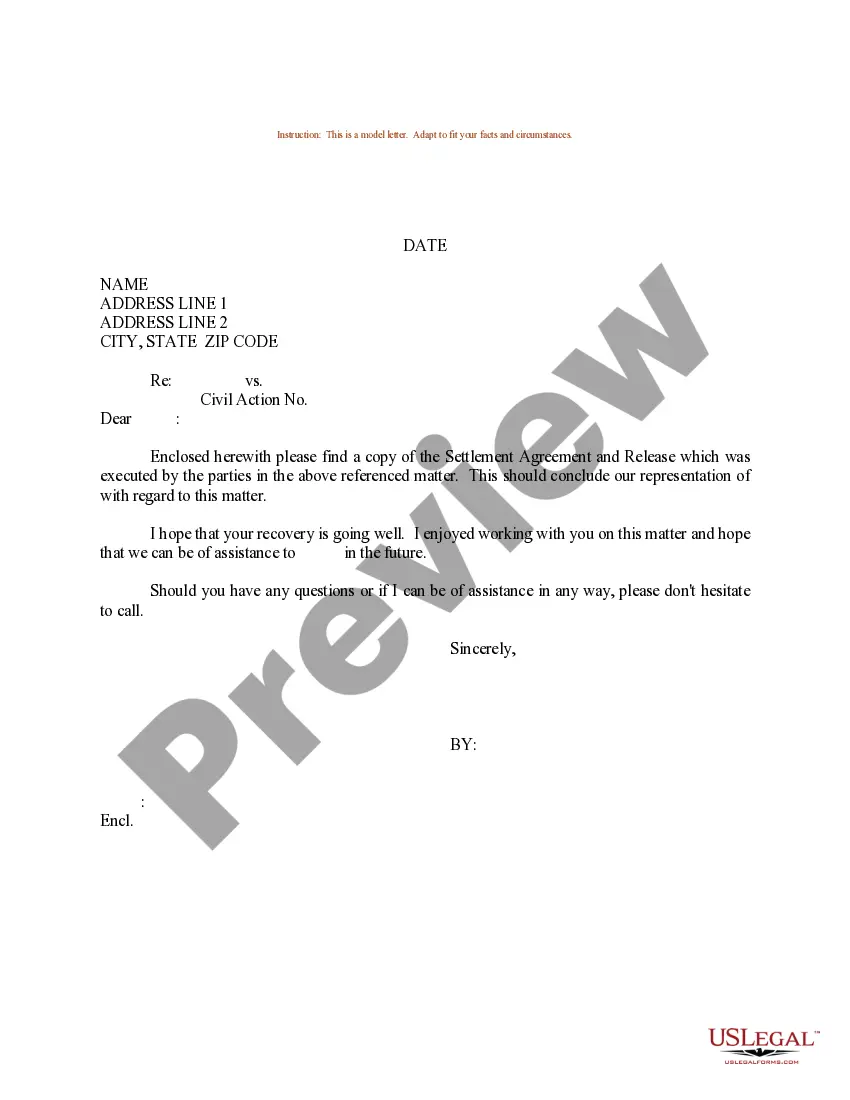
Dear Name, Further to my previous correspondence, I am contacting you regarding late payment for invoice invoice number. The invoice was due on due date, and payment is now overdue by number of days overdue. Be advised that late payment interest may be applied if we do not receive payment within 30 days.