Sample Speaking Engagement Agreement With Client In California
Description
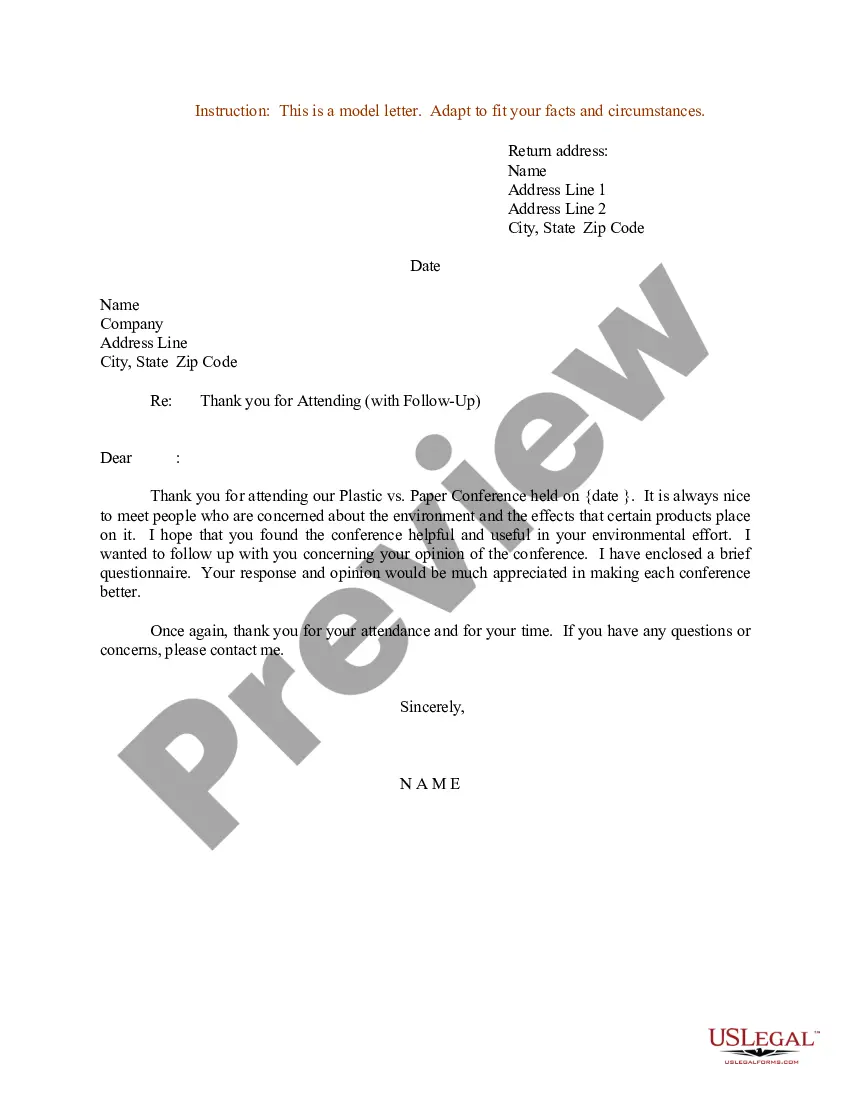
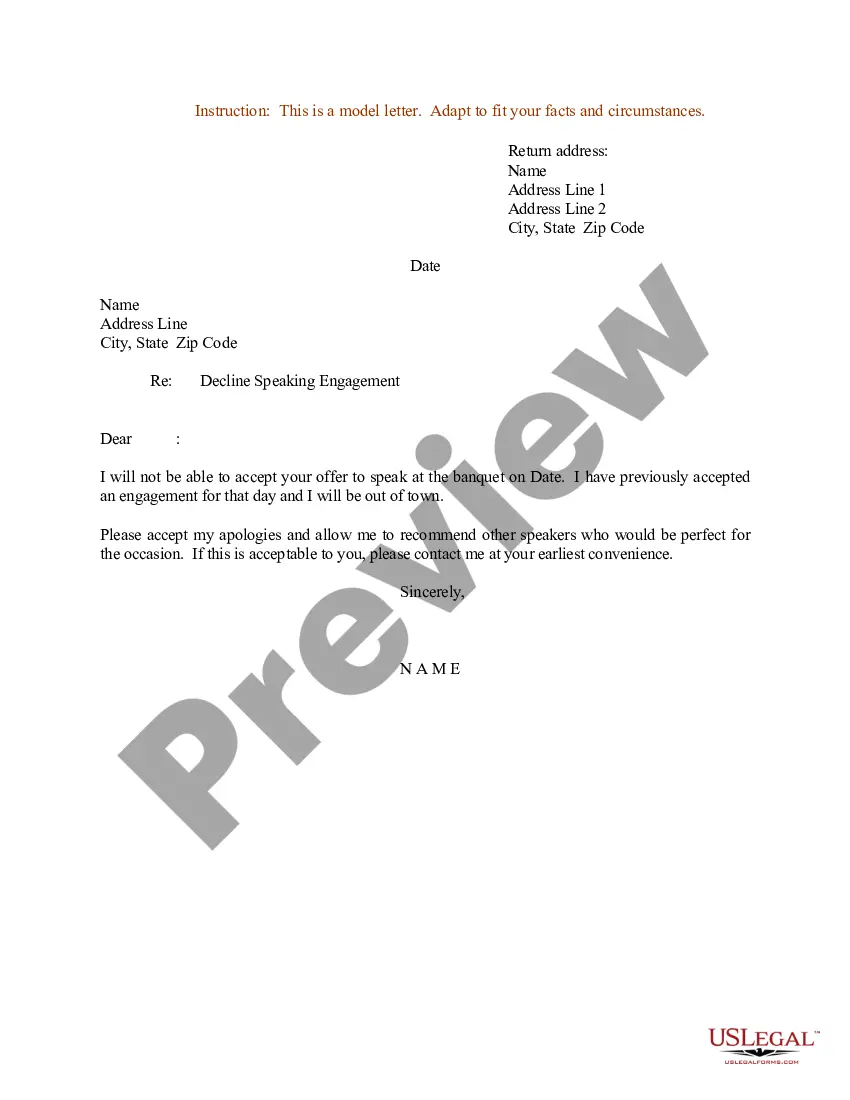
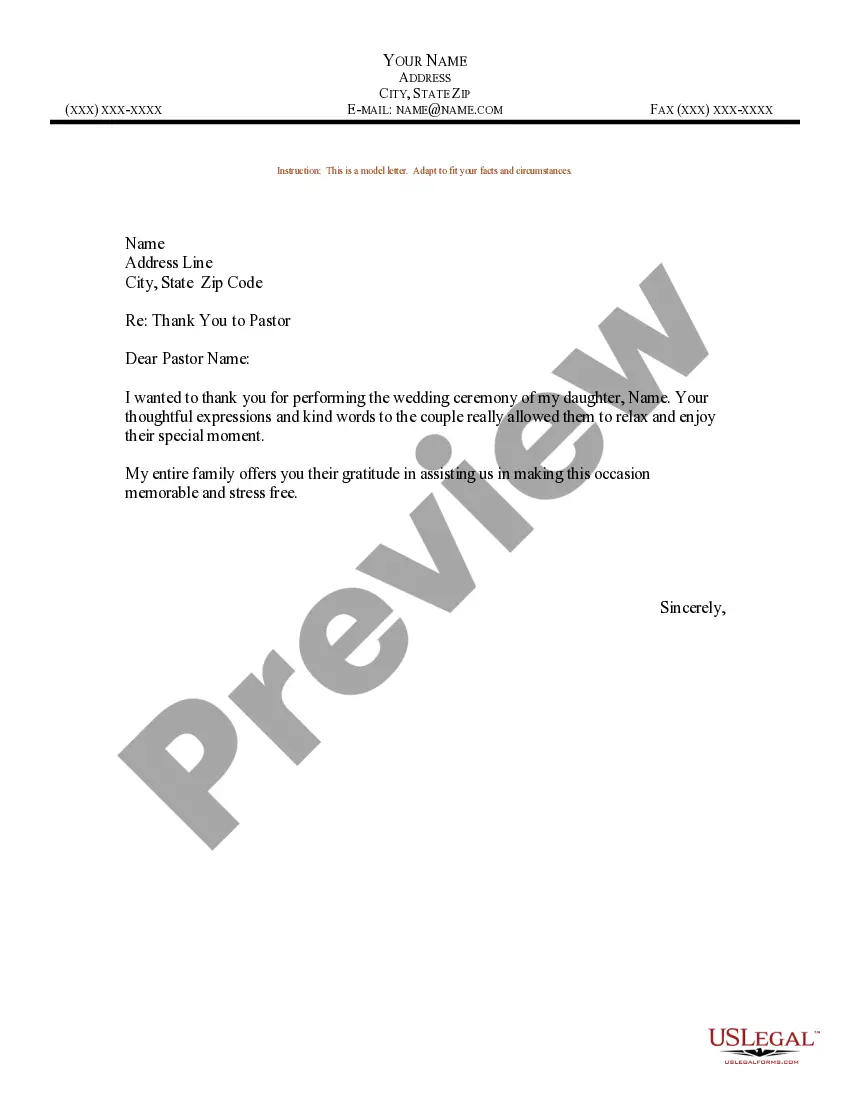
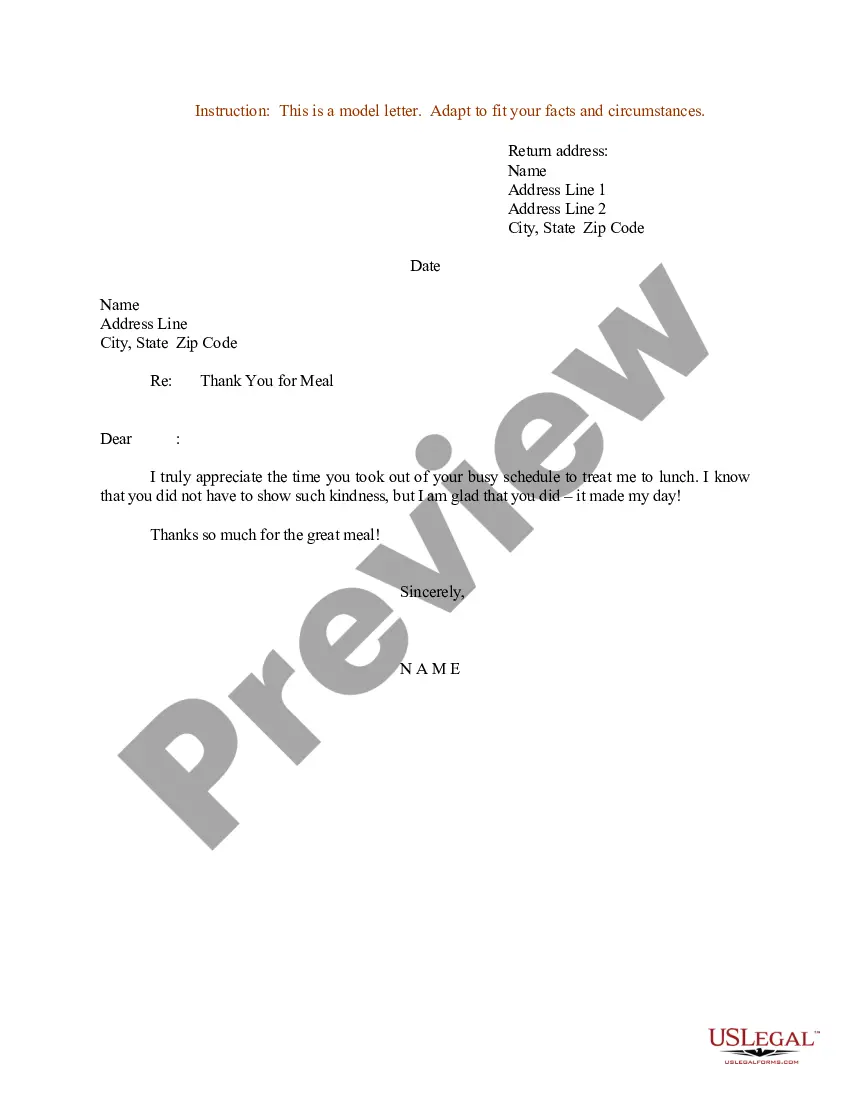
Get your form ready online
Our built-in tools help you complete, sign, share, and store your documents in one place.
Make edits, fill in missing information, and update formatting in US Legal Forms—just like you would in MS Word.
Download a copy, print it, send it by email, or mail it via USPS—whatever works best for your next step.
Sign and collect signatures with our SignNow integration. Send to multiple recipients, set reminders, and more. Go Premium to unlock E-Sign.
If this form requires notarization, complete it online through a secure video call—no need to meet a notary in person or wait for an appointment.
We protect your documents and personal data by following strict security and privacy standards.

Make edits, fill in missing information, and update formatting in US Legal Forms—just like you would in MS Word.

Download a copy, print it, send it by email, or mail it via USPS—whatever works best for your next step.

Sign and collect signatures with our SignNow integration. Send to multiple recipients, set reminders, and more. Go Premium to unlock E-Sign.

If this form requires notarization, complete it online through a secure video call—no need to meet a notary in person or wait for an appointment.

We protect your documents and personal data by following strict security and privacy standards.
Looking for another form?










Form popularity
FAQ
What Is an Engagement Letter? An engagement letter is a written agreement that describes the business relationship to be entered into by a client and a company. The letter details the scope of the agreement, its terms, and costs. The purpose of an engagement letter is to set expectations on both sides of the agreement.
Once a contract or retainer agreement has been signed between both parties, there's no question that privilege applies. Nonetheless, it generally starts before a contract is officially signed, even if you ultimately do not hire the attorney you had a consultation with.
Retainer fees are often determined during confidential consultations between attorneys and clients. Disclosing or discussing these fees without proper authorization from the client would violate their privacy rights and undermine the trust and confidentiality expected in attorney-client relationships.
Once a contract or retainer agreement has been signed between both parties, there's no question that privilege applies. Nonetheless, it generally starts before a contract is officially signed, even if you ultimately do not hire the attorney you had a consultation with.
In a much-anticipated ruling, the California Supreme Court held on December 29, 2016 that legal invoices are protected by the attorney-client privilege, and therefore, with some exceptions, need not be disclosed under the Public Records Act.

