Sample Speaking Engagement Agreement With Lawyer In Bronx
Description
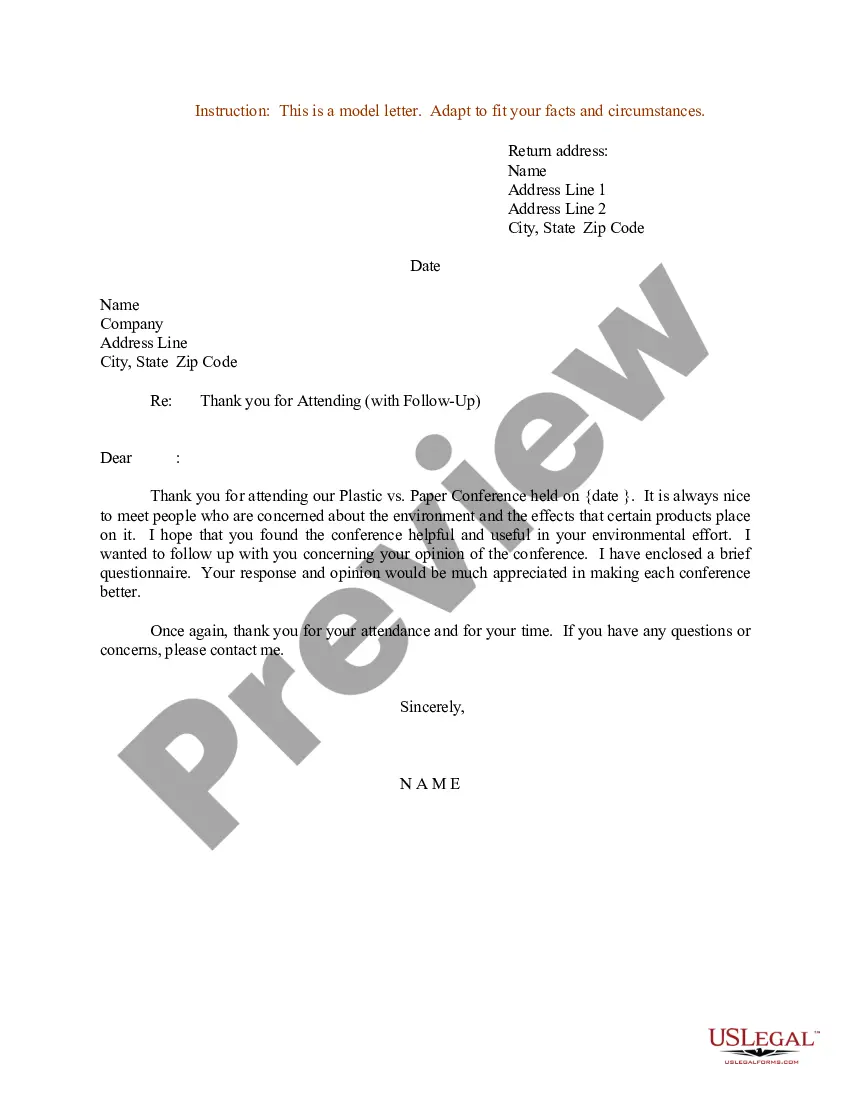
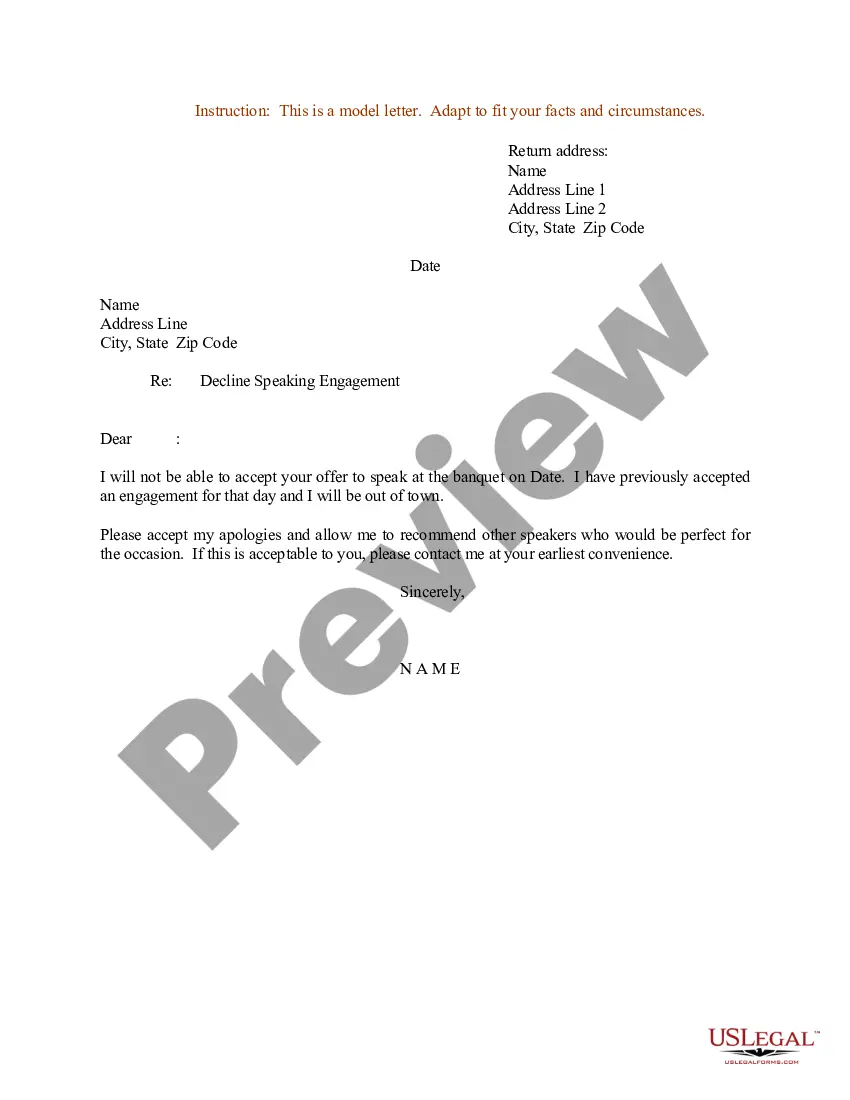
Get your form ready online
Our built-in tools help you complete, sign, share, and store your documents in one place.
Make edits, fill in missing information, and update formatting in US Legal Forms—just like you would in MS Word.
Download a copy, print it, send it by email, or mail it via USPS—whatever works best for your next step.
Sign and collect signatures with our SignNow integration. Send to multiple recipients, set reminders, and more. Go Premium to unlock E-Sign.
If this form requires notarization, complete it online through a secure video call—no need to meet a notary in person or wait for an appointment.
We protect your documents and personal data by following strict security and privacy standards.

Make edits, fill in missing information, and update formatting in US Legal Forms—just like you would in MS Word.

Download a copy, print it, send it by email, or mail it via USPS—whatever works best for your next step.

Sign and collect signatures with our SignNow integration. Send to multiple recipients, set reminders, and more. Go Premium to unlock E-Sign.

If this form requires notarization, complete it online through a secure video call—no need to meet a notary in person or wait for an appointment.

We protect your documents and personal data by following strict security and privacy standards.
Looking for another form?







Form popularity
FAQ
An engagement contract, sometimes called an engagement letter, is a formal legal declaration of intent to do business or ""engage"" with another party. This agreement is typical in attorney, contractor, and financial advisor relationships with clients.
The Company does hereby appoint and engage the Consultant Contractor to provide the Services (as defined below) and the Consultant Contractor hereby accepts such appointment and engagement by the Company, all upon and subject to the terms and conditions of this Agreement.
Contract engagement involves defining the service to be exchanged, the compensation for the transaction, and the terms defining the length of the relationship. These three components are fundamental to defining the relationship and setting the expectations and rules of engagement.
In a nutshell, speaker contracts are print or electronic documents that outline a professional agreement between a speaker and their client.
An engagement contract, sometimes called an engagement letter, is a formal legal declaration of intent to do business or ""engage"" with another party. This agreement is typical in attorney, contractor, and financial advisor relationships with clients.
Is an Engagement Letter the Same As a Contract? Engagement letters are less formal and generally shorter than a traditional contract. However, they also share some important traits, such as being legally binding and designed to reduce liability.
Rule 1.7 - Conflict of Interest: Current Clients (a) Except as provided in paragraph (b), a lawyer shall not represent a client if the representation involves a concurrent conflict of interest.
Spending 183 days or more in the state typically triggers full residency status, meaning you'll be taxed on your worldwide income. If you spend fewer than 183 days and don't have a permanent place of abode in New York, you may qualify as a nonresident, subject only to taxes on income earned within the state.
In representing a client, a lawyer shall not communicate about the subject of the representation with a person the lawyer knows to be represented by another lawyer in the matter, unless the lawyer has the consent of the other lawyer or is authorized to do so by law or a court order.
New York's rule on conflicts is nearly identical to ABA Model Rule 1.7 and prohibits an attorney from representing a client where: "(1) the representation will involve the lawyer in representing differing interests; or (2) there is a significant risk that the lawyer's professional judgment on behalf of the client will ...

