Sample Contract For Speaking Engagement In Arizona
Description
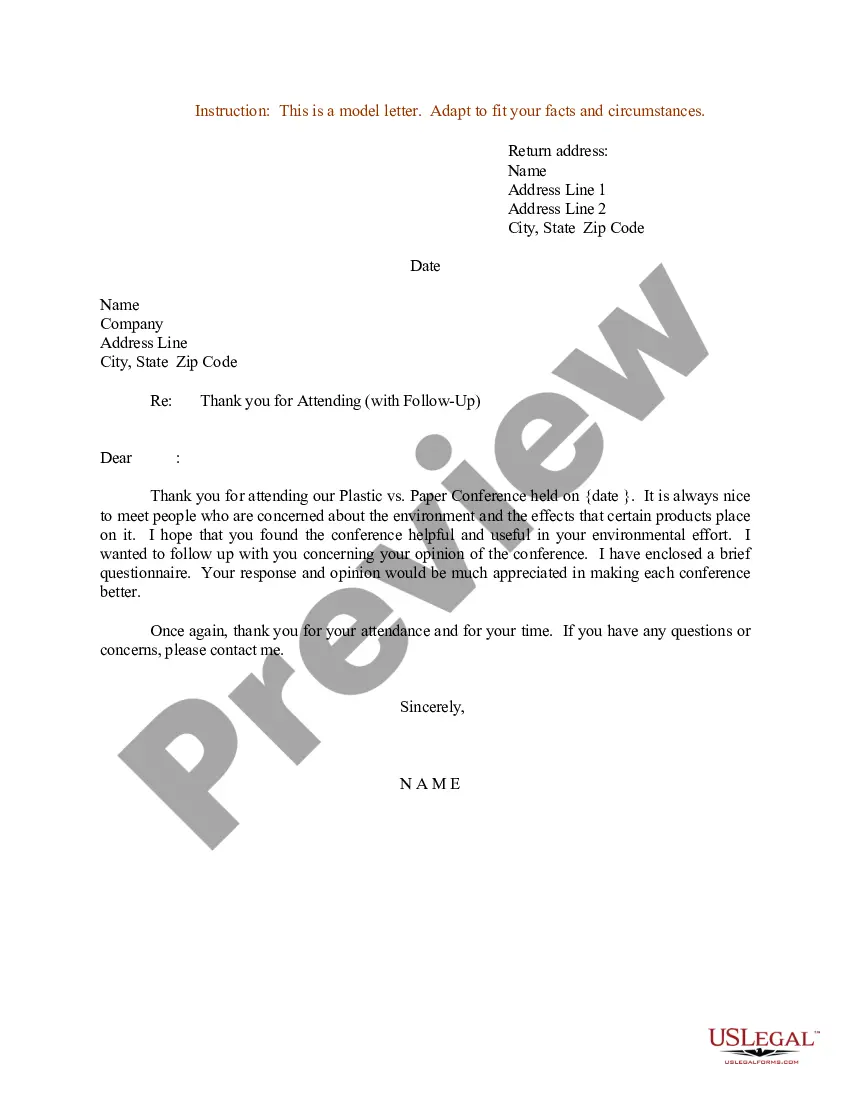
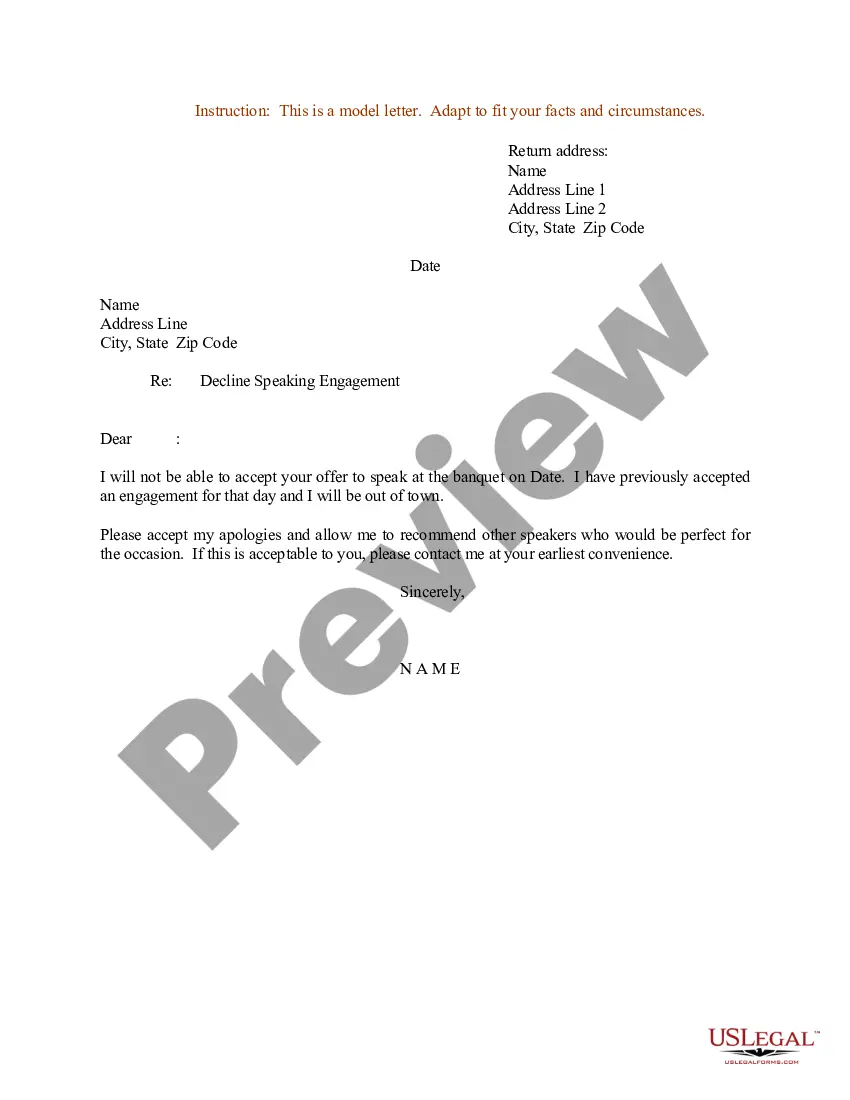
Get your form ready online
Our built-in tools help you complete, sign, share, and store your documents in one place.
Make edits, fill in missing information, and update formatting in US Legal Forms—just like you would in MS Word.
Download a copy, print it, send it by email, or mail it via USPS—whatever works best for your next step.
Sign and collect signatures with our SignNow integration. Send to multiple recipients, set reminders, and more. Go Premium to unlock E-Sign.
If this form requires notarization, complete it online through a secure video call—no need to meet a notary in person or wait for an appointment.
We protect your documents and personal data by following strict security and privacy standards.

Make edits, fill in missing information, and update formatting in US Legal Forms—just like you would in MS Word.

Download a copy, print it, send it by email, or mail it via USPS—whatever works best for your next step.

Sign and collect signatures with our SignNow integration. Send to multiple recipients, set reminders, and more. Go Premium to unlock E-Sign.

If this form requires notarization, complete it online through a secure video call—no need to meet a notary in person or wait for an appointment.

We protect your documents and personal data by following strict security and privacy standards.
Looking for another form?









Form popularity
FAQ
Tips for a Good Speaker Engagement Proposal Understand the Audience and Theme. Make an Impact on the First Page. Clear and Engaging Title. Define Learning Objectives. Detailed Session Description. Highlight Relevance and Timeliness. Demonstrate Expertise. Keep your Contract and Proposal Separate.
A speaker contract is either a physical or electronic document that details the agreement between you, the speaker, and your client. This document will include the scope of your work, that is, everything you will be doing for your client.
In a nutshell, speaker contracts are print or electronic documents that outline a professional agreement between a speaker and their client.
Write the contract in six steps Start with a contract template. Open with the basic information. Describe in detail what you have agreed to. Include a description of how the contract will be ended. Write into the contract which laws apply and how disputes will be resolved. Include space for signatures.
Answer: As a general rule, the answer is yes. Under the Arizona Residential Landlord and Tenant Act, a verbal rental agreement concerning the use and occupancy of a dwelling unit is just as enforceable as a written rental agreement (or lease) is (A.R.S. 33-1310(13)).
Verbal Contracts are Considered Legally Binding in Arizona.
The answer is YES assuming certain elements are met. Courts that have been faced with this question have found that agreements entered into via text messages are enforceable borrowing from basic contract formation principles and the reasoning applied to email messages.
Typically, a document that includes an offer, acceptance, and appropriate consideration will be considered legally binding. In most cases, a contract is binding in Arizona even if the parties signed it in another state.
