Sample Abstract For Speaking Engagement In Arizona
Description
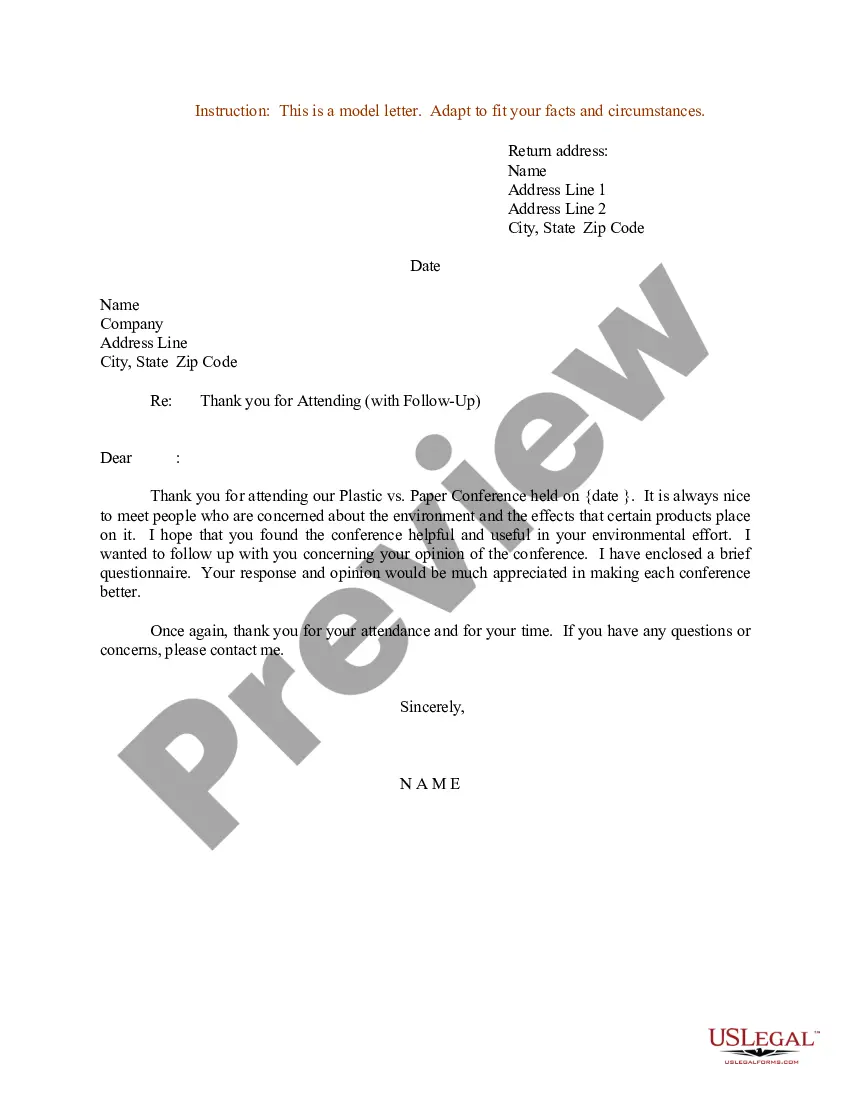
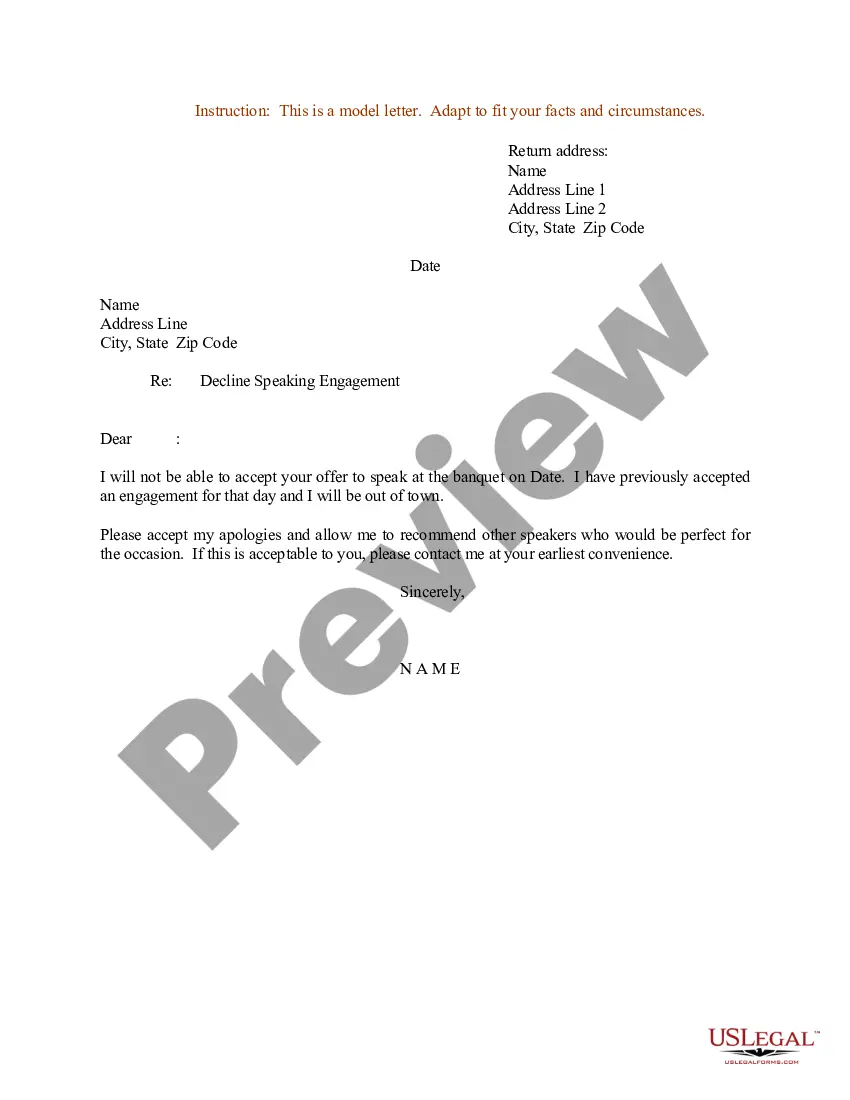
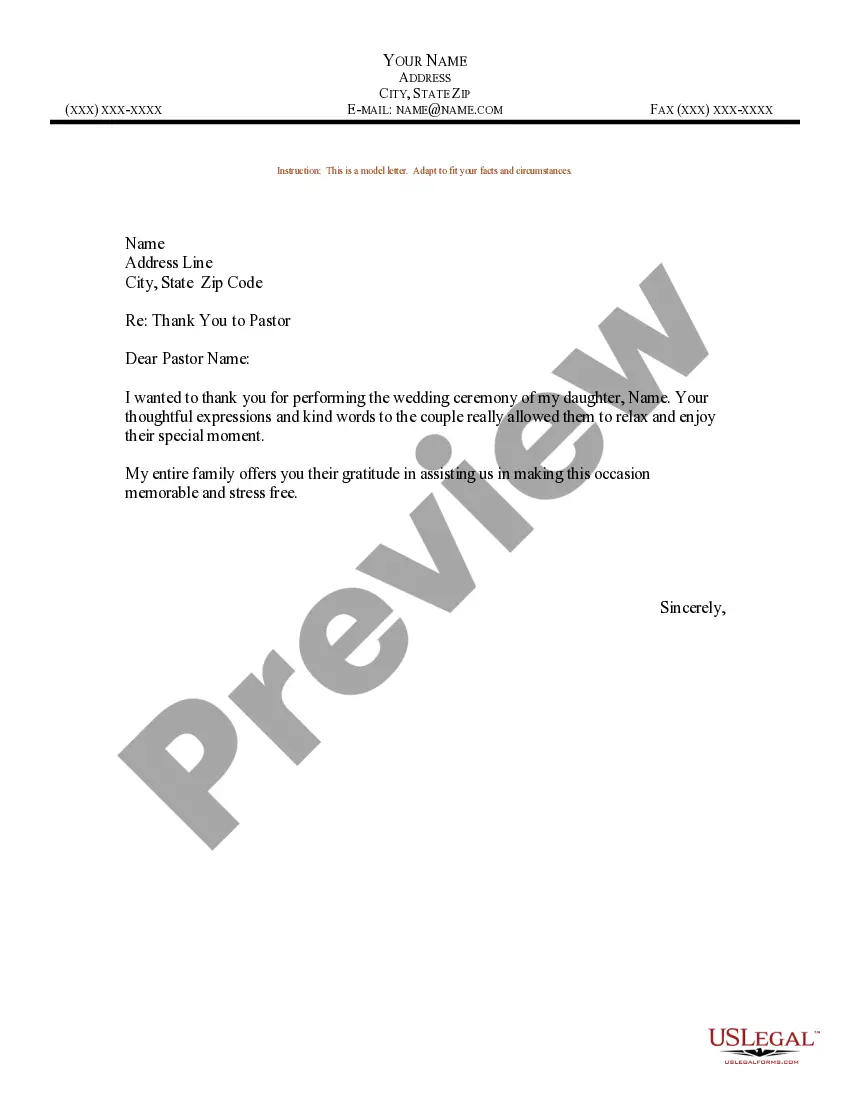
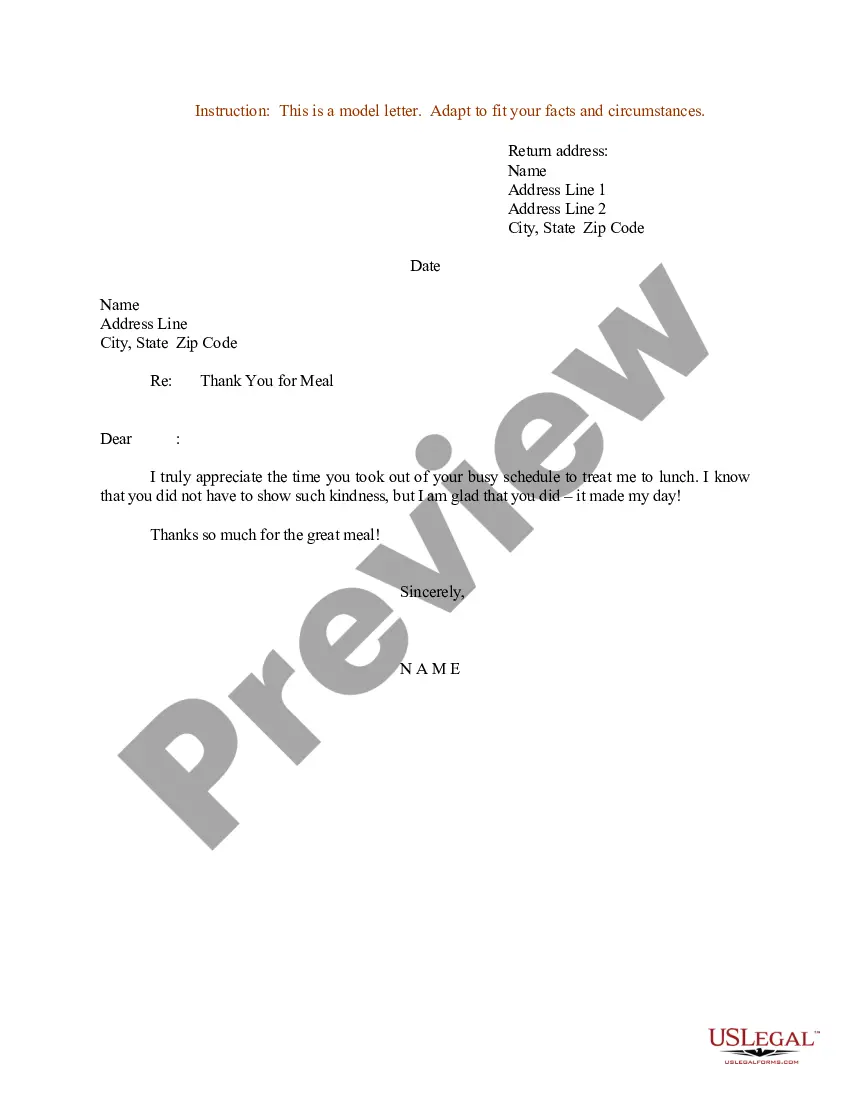
Get your form ready online
Our built-in tools help you complete, sign, share, and store your documents in one place.
Make edits, fill in missing information, and update formatting in US Legal Forms—just like you would in MS Word.
Download a copy, print it, send it by email, or mail it via USPS—whatever works best for your next step.
Sign and collect signatures with our SignNow integration. Send to multiple recipients, set reminders, and more. Go Premium to unlock E-Sign.
If this form requires notarization, complete it online through a secure video call—no need to meet a notary in person or wait for an appointment.
We protect your documents and personal data by following strict security and privacy standards.

Make edits, fill in missing information, and update formatting in US Legal Forms—just like you would in MS Word.

Download a copy, print it, send it by email, or mail it via USPS—whatever works best for your next step.

Sign and collect signatures with our SignNow integration. Send to multiple recipients, set reminders, and more. Go Premium to unlock E-Sign.

If this form requires notarization, complete it online through a secure video call—no need to meet a notary in person or wait for an appointment.

We protect your documents and personal data by following strict security and privacy standards.
Looking for another form?









Form popularity
FAQ
Be Concise: Aim for clarity and brevity. Most abstracts are typically 150-300 words. Use Clear Language: Avoid jargon and complex sentences. Make it accessible to a broad audience. Focus on Key Points: Emphasize the most important aspects of your research. Stay Objective: Present your findings without exaggeration.
For conferences and trade shows, the abstract highlights the key points, goals, and insights the speaker will cover, helping attendees decide if the session aligns with their interests.
Typically, an abstract describes the topic you would like to present at the conference, highlighting your argument, evidence and contribution to the historical literature. It is usually restricted to 250-500 words.
“The abstract is a brief, clear summary of the information in your presentation. A well-prepared abstract enables readers to identify the basic content quickly and accurately, to determine its relevance to their interests or purpose and then to decide whether they want to listen to the presentation in its entirety.”
The best way to go about an abstract is to start with what you want the audience to take away from the session. From there, you can start summarizing what the speaker plans to say without giving too much away.
Let's consider first the abstract words definition. In language, abstract words are words that refer to ideas, beliefs, and other intangible things. Intangible means something that does not have a physical presence.
Abstract words allow us to convey important human ideas like scientific (e.g. theory, calculus) and social (e.g. justice) concepts, and extend our capacity to convey ideas beyond the physical reality of the here and now.
Complete — it covers the major parts of the project. Concise — it contains no excess wordiness or unnecessary information. Clear — it is readable, well organized, and not too jargon-laden. Cohesive — it flows smoothly between the parts.
Abstracts commonly have these parts: introduction, purpose, method, result, and conclusion. Each part has a different communicative goal or specific function. Most abstracts examined had purpose, method, and result with about half including a clear introduction and conclusion.
Abstracts generally contain four main elements: Purpose: Clearly define the purpose and importance of your research. Methodology: State the research methods used to answer your question. Results: Summarize the main research results. Conclusion: What are the implications of your research?

