Contract For Training Employee In Wayne
Description

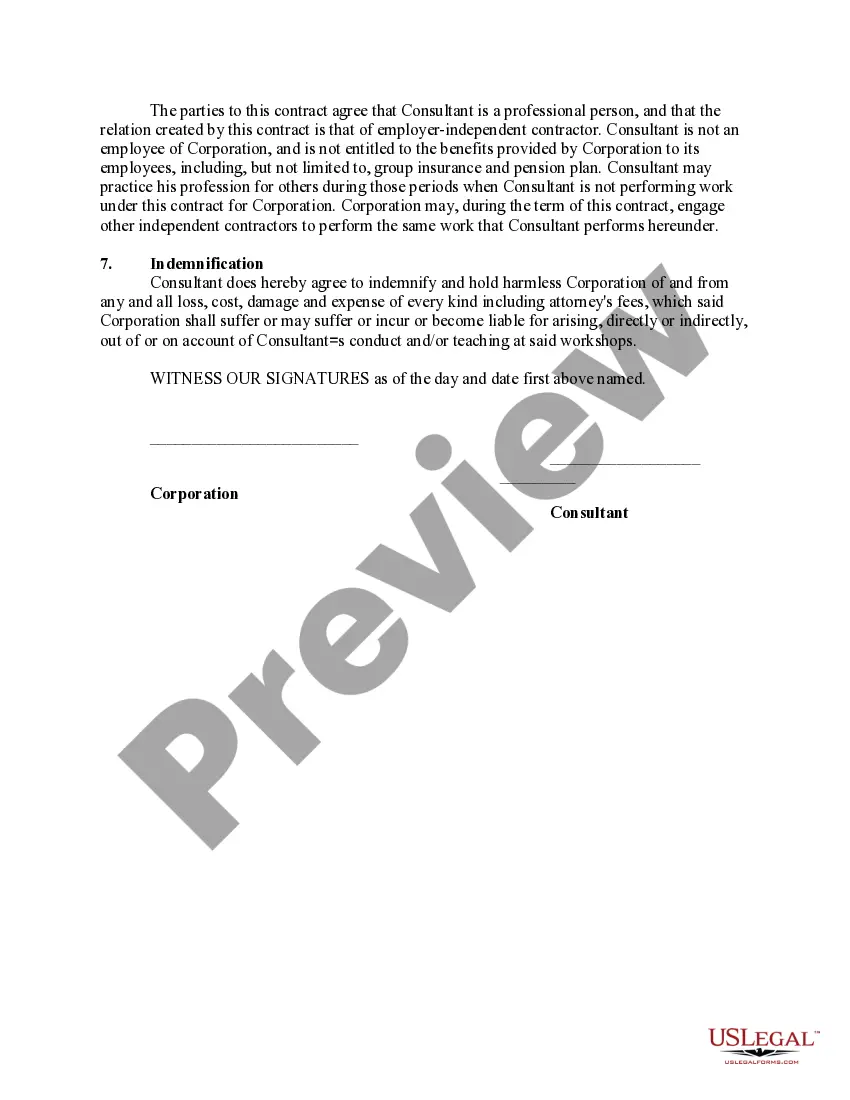
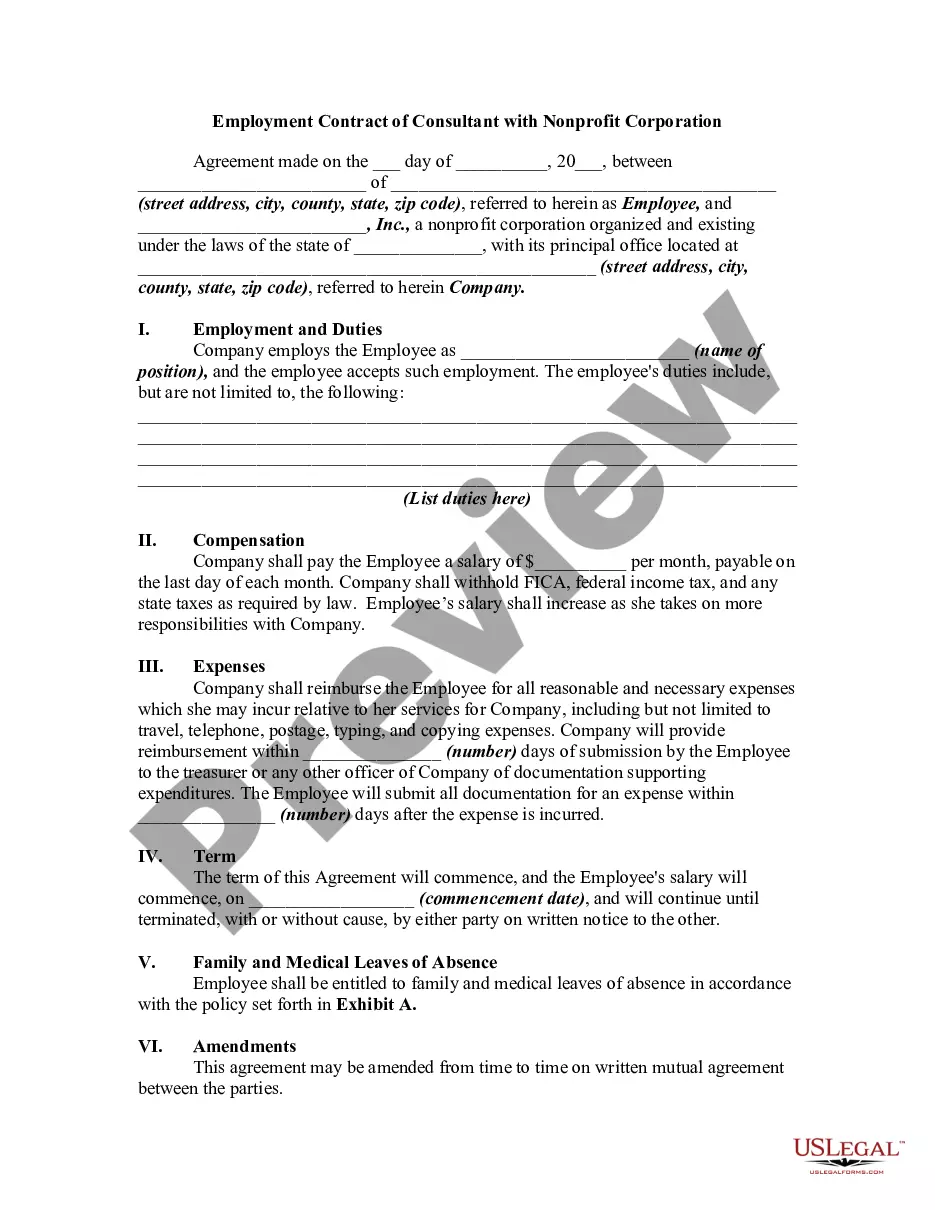
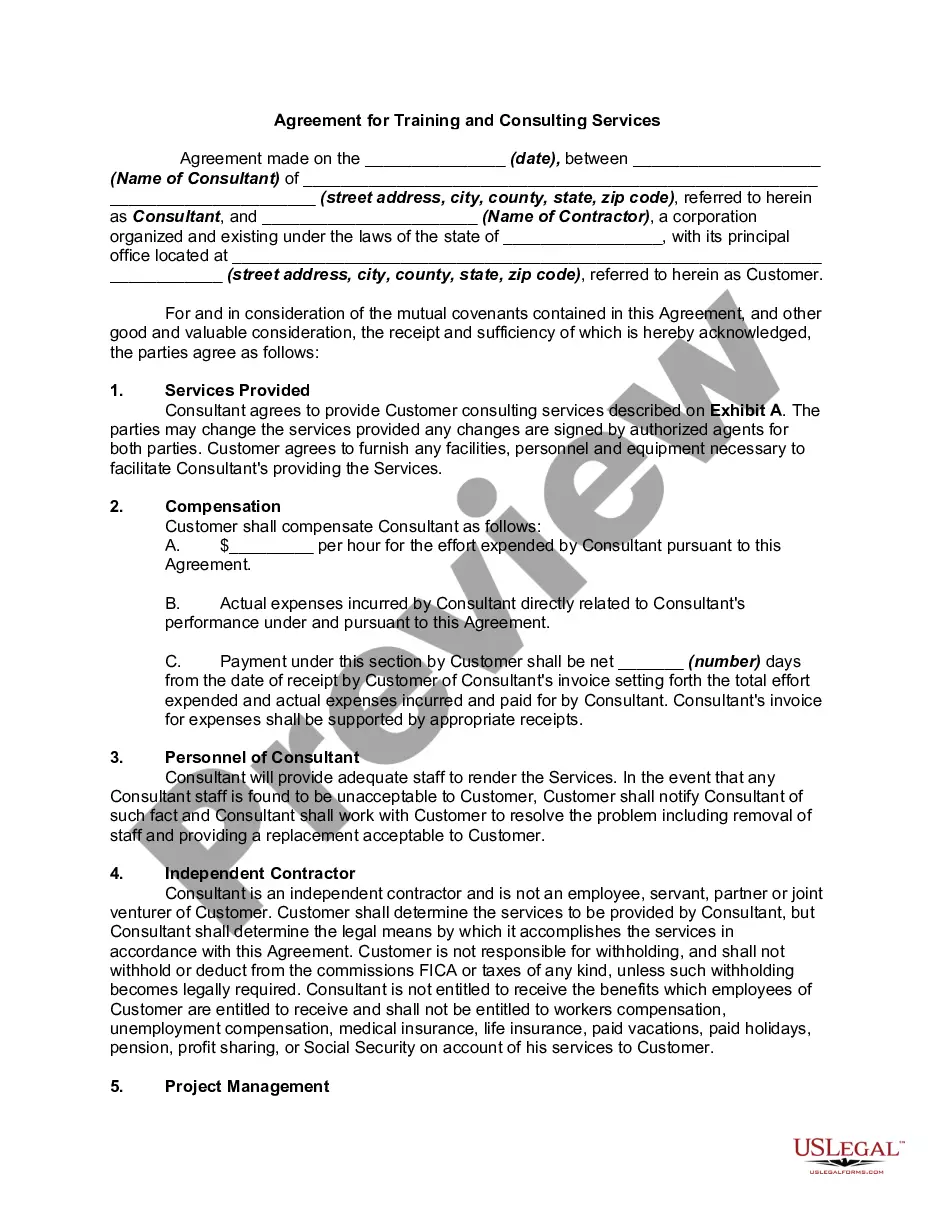
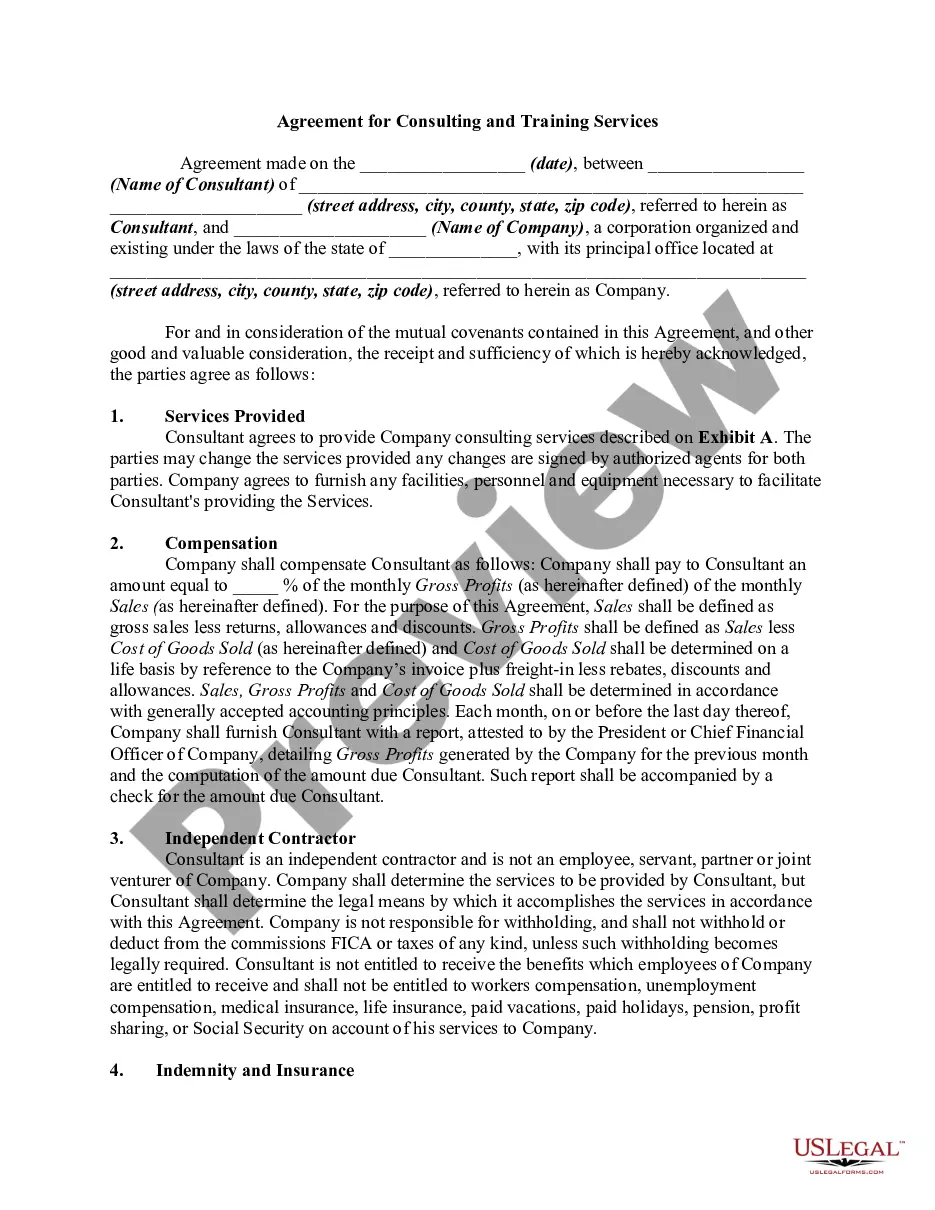
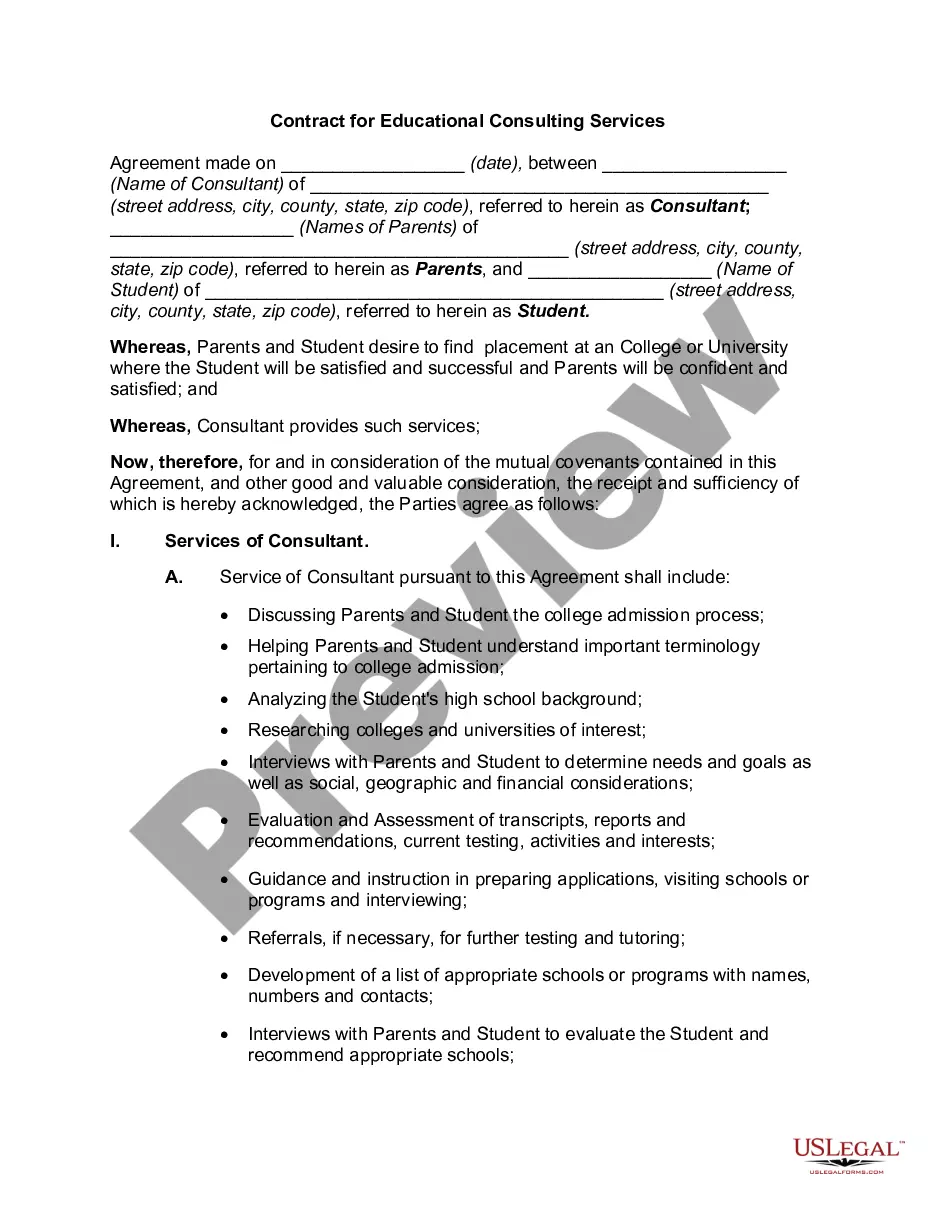
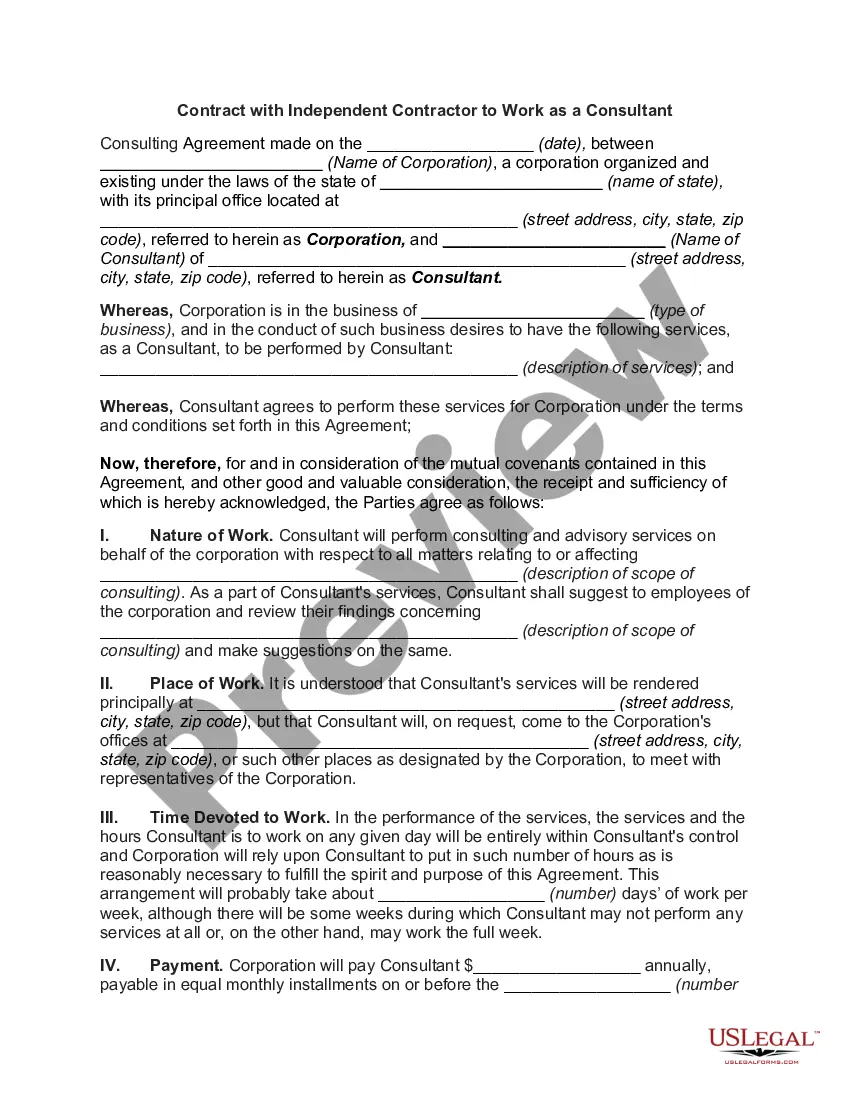
Get your form ready online
Our built-in tools help you complete, sign, share, and store your documents in one place.
Make edits, fill in missing information, and update formatting in US Legal Forms—just like you would in MS Word.
Download a copy, print it, send it by email, or mail it via USPS—whatever works best for your next step.
Sign and collect signatures with our SignNow integration. Send to multiple recipients, set reminders, and more. Go Premium to unlock E-Sign.
If this form requires notarization, complete it online through a secure video call—no need to meet a notary in person or wait for an appointment.
We protect your documents and personal data by following strict security and privacy standards.

Make edits, fill in missing information, and update formatting in US Legal Forms—just like you would in MS Word.

Download a copy, print it, send it by email, or mail it via USPS—whatever works best for your next step.

Sign and collect signatures with our SignNow integration. Send to multiple recipients, set reminders, and more. Go Premium to unlock E-Sign.

If this form requires notarization, complete it online through a secure video call—no need to meet a notary in person or wait for an appointment.

We protect your documents and personal data by following strict security and privacy standards.
Looking for another form?





Form popularity
FAQ
Although there is no legal requirement to provide a written contract of employment, employers have a duty to provide employees with a written statement of the specified terms of employment under S. 1 of the Employment Rights Act 1996 (ERA) within two months of starting employment.
What is included in an Employment Contract? Employer and employee information. Start date. End date, if applicable. Work location. Work hours. Job title. Employee duties and responsibilities. Probationary period length, if applicable.
Guide to writing contracts of employment Names of the parties. The full details of the business, and the employee's full name and address. Employment contract start date. Employee's job title and description. Workplace. Working hours. Probationary period. Salary. Deductions.
A basic binding contract must comprise four key elements: offer, acceptance, consideration and intent to create legal relations.
In the UK, there are four main types of employment contracts: fixed-term, permanent, casual, and zero-hour. In this blog post, we'll take a closer look at each type of contract and explain what they mean for both employers and employees.
Generally, a contract is only binding when all parties to the agreement sign. However, in some cases, you can still enforce an unsigned written contract. In such scenarios, if a party shows that they intend for the agreement to bind them, the contract can be legally binding and enforceable.
How to Write a Letter of Agreement Start with Basic Information. Define Employment Terms. Outline Compensation and Benefits. Include Non-Disclosure and Non-Compete Clauses. Address the Probationary Period (if applicable). Set the Code of Conduct and Policies. Explain Termination Conditions. Detail Severance Terms:
Contract managers are resourceful professionals for companies that need help organizing and securing their contracts. These professionals manage and store a company's contracts and ensure that the process of creating and signing the document is efficient.
Contract Management is the process of managing contracts, deliverables, deadlines, contract terms and conditions while ensuring customer satisfaction. Public and private organizations know that purchasing does not end when the contract is awarded.
Contract Management involves managing contracts to maximise benefits and minimise risks. It's crucial for strong enterprise relationships. This Contract Management Training covers essential knowledge in contract law, management, and procurement.
