Consultant Work Contract For Taxes In Wake
Description

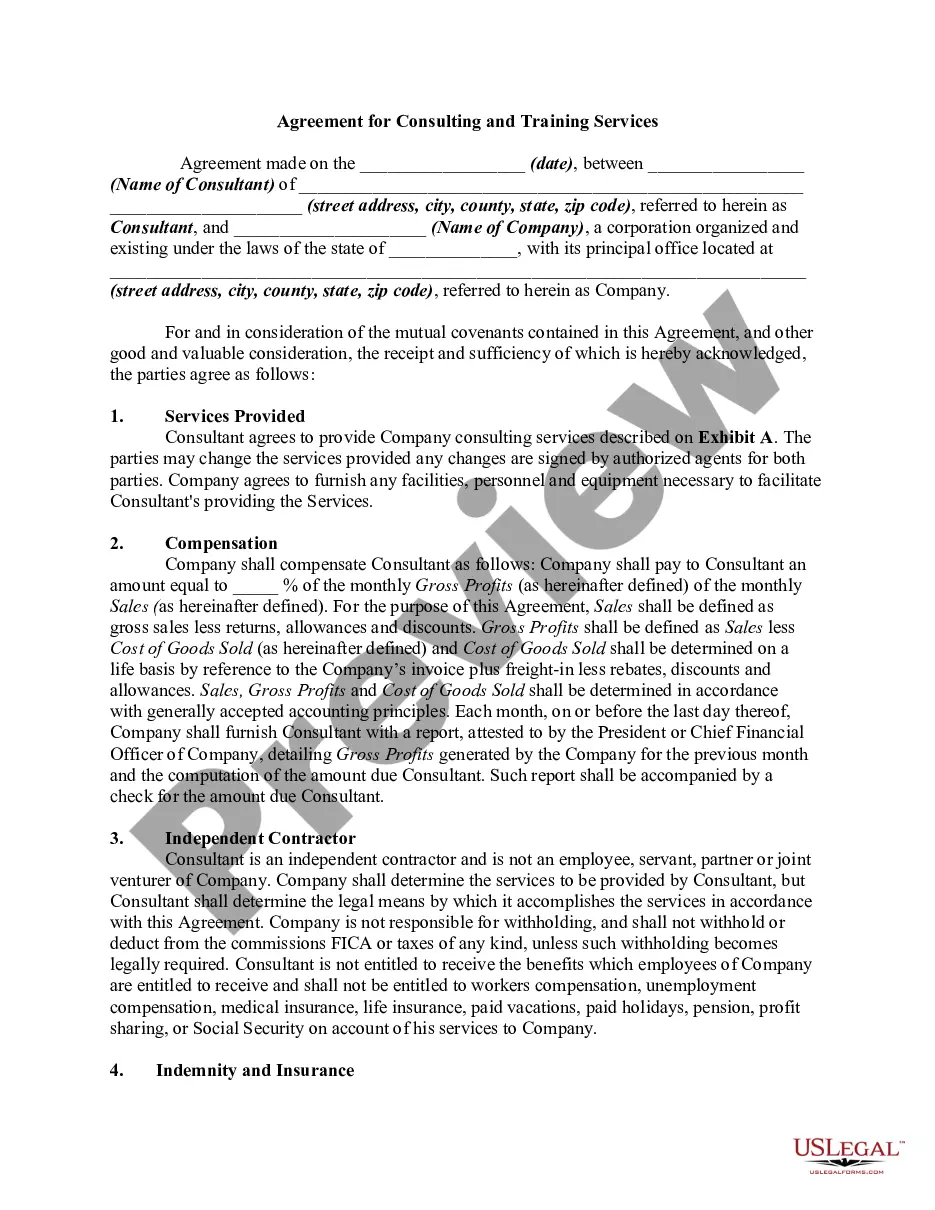
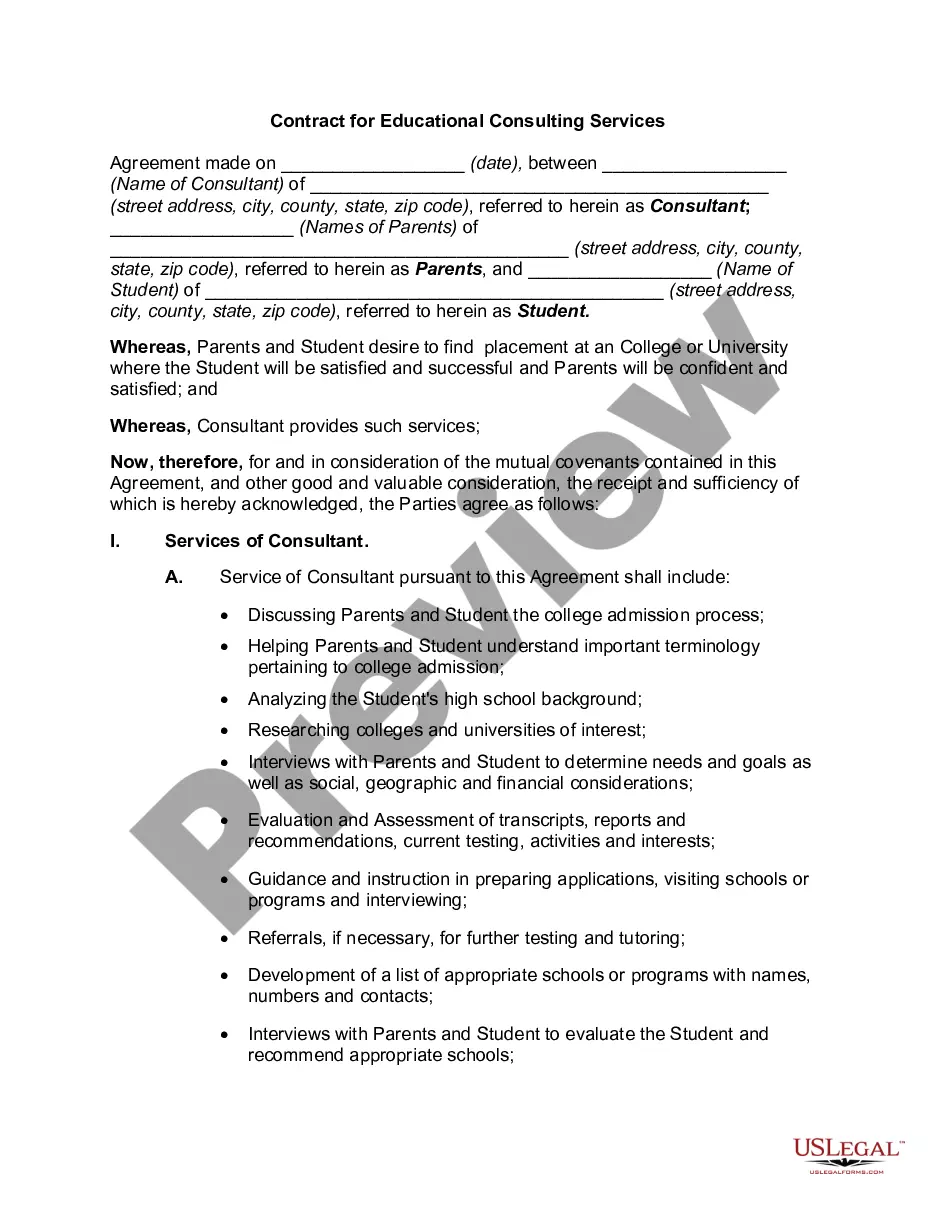
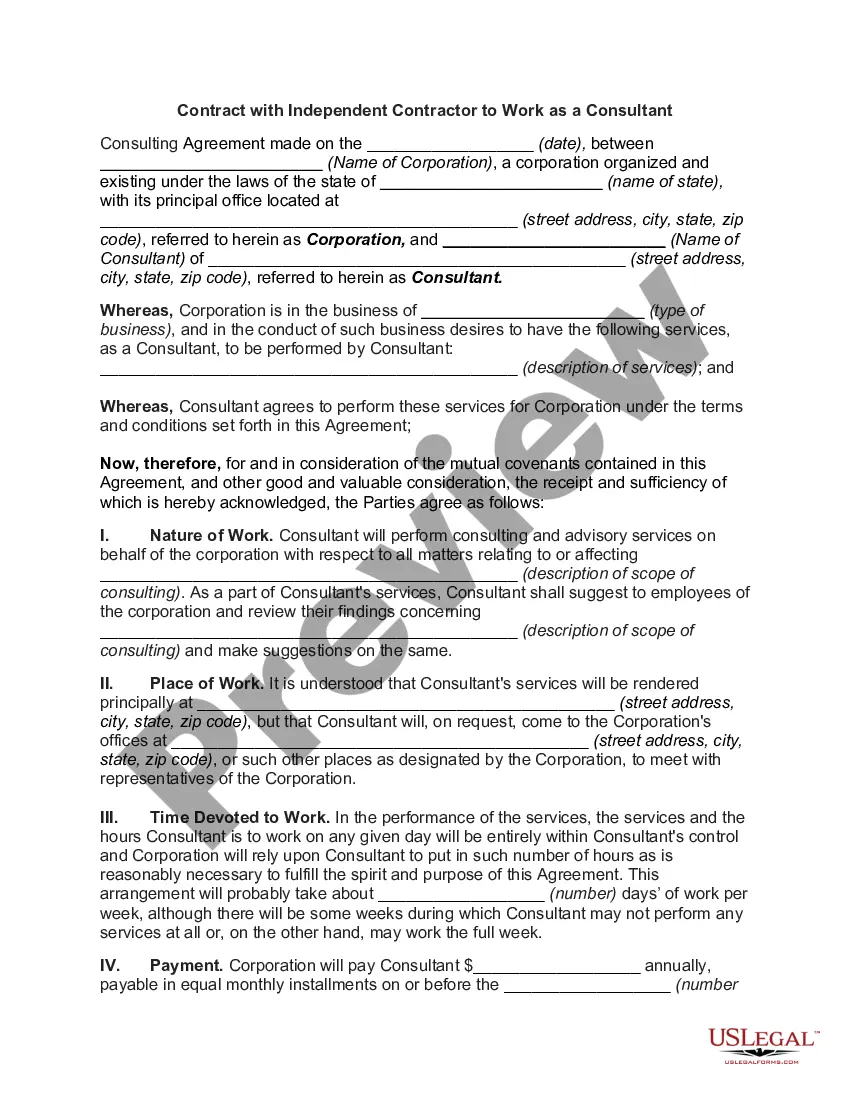
Get your form ready online
Our built-in tools help you complete, sign, share, and store your documents in one place.
Make edits, fill in missing information, and update formatting in US Legal Forms—just like you would in MS Word.
Download a copy, print it, send it by email, or mail it via USPS—whatever works best for your next step.
Sign and collect signatures with our SignNow integration. Send to multiple recipients, set reminders, and more. Go Premium to unlock E-Sign.
If this form requires notarization, complete it online through a secure video call—no need to meet a notary in person or wait for an appointment.
We protect your documents and personal data by following strict security and privacy standards.

Make edits, fill in missing information, and update formatting in US Legal Forms—just like you would in MS Word.

Download a copy, print it, send it by email, or mail it via USPS—whatever works best for your next step.

Sign and collect signatures with our SignNow integration. Send to multiple recipients, set reminders, and more. Go Premium to unlock E-Sign.

If this form requires notarization, complete it online through a secure video call—no need to meet a notary in person or wait for an appointment.

We protect your documents and personal data by following strict security and privacy standards.
Looking for another form?





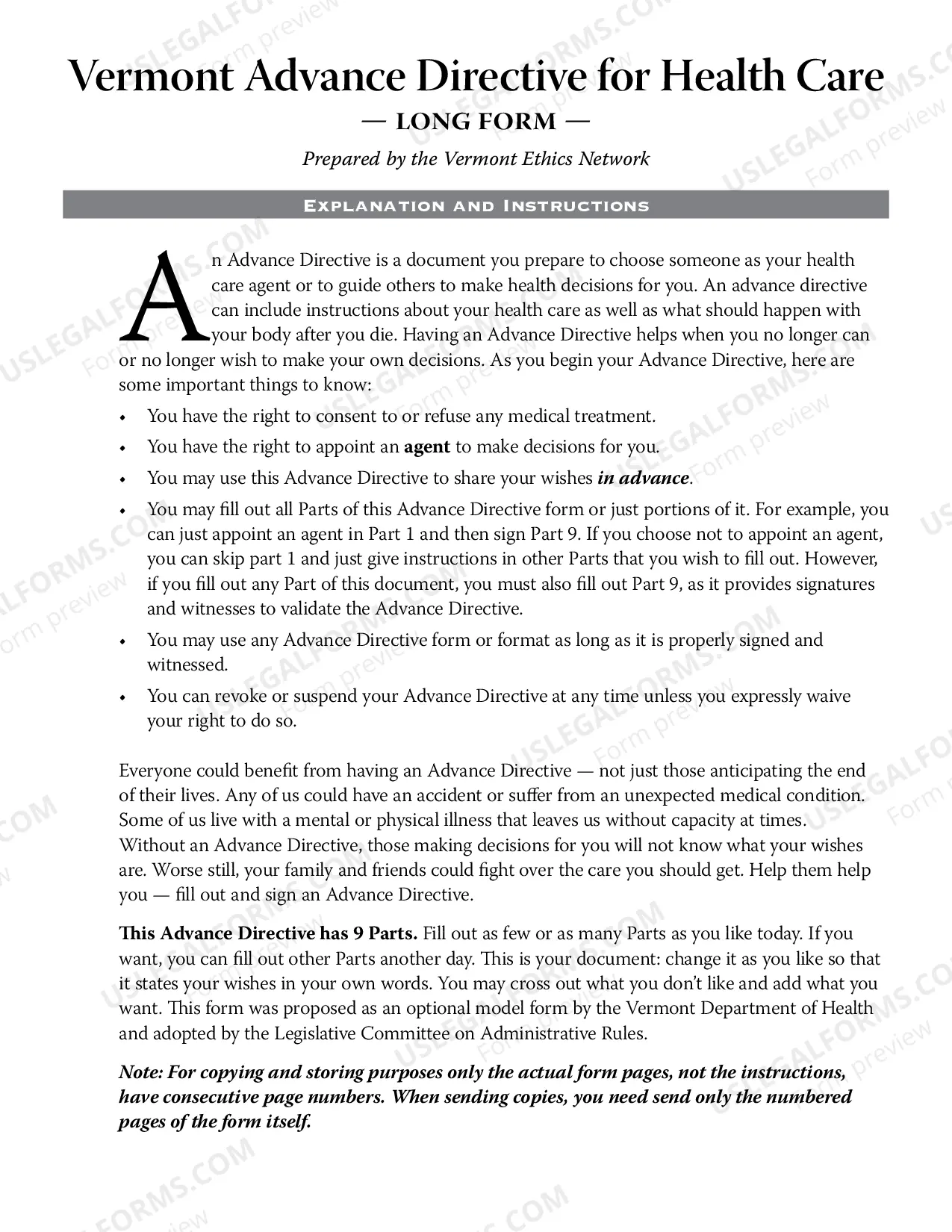



Form popularity
FAQ
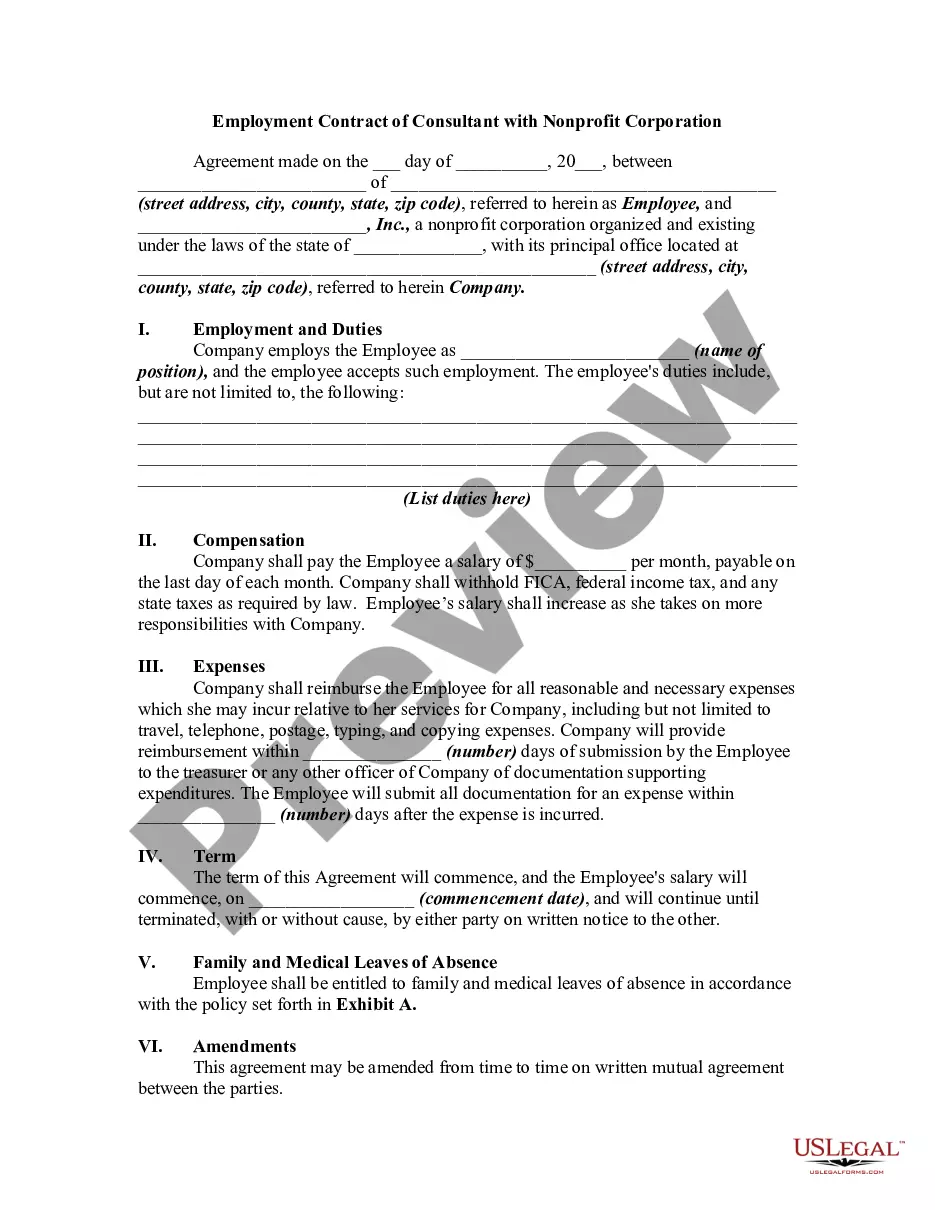
Here are five tips for accurately reviewing, understanding, and negotiating your next independent contractor agreement. Define Details, Deliverables, and Deadlines. Know Your Bill Rate and Stick to It. Beware of Non-Compete Clauses. Recognize When to Walk Away. Get Advice from a Professional.
Contract consultants are independent professionals who offer their expertise and skills to various clients on a project-by-project basis. They can work in different fields, such as management, IT, marketing, engineering, or education, and help clients solve problems, improve performance, or implement changes.
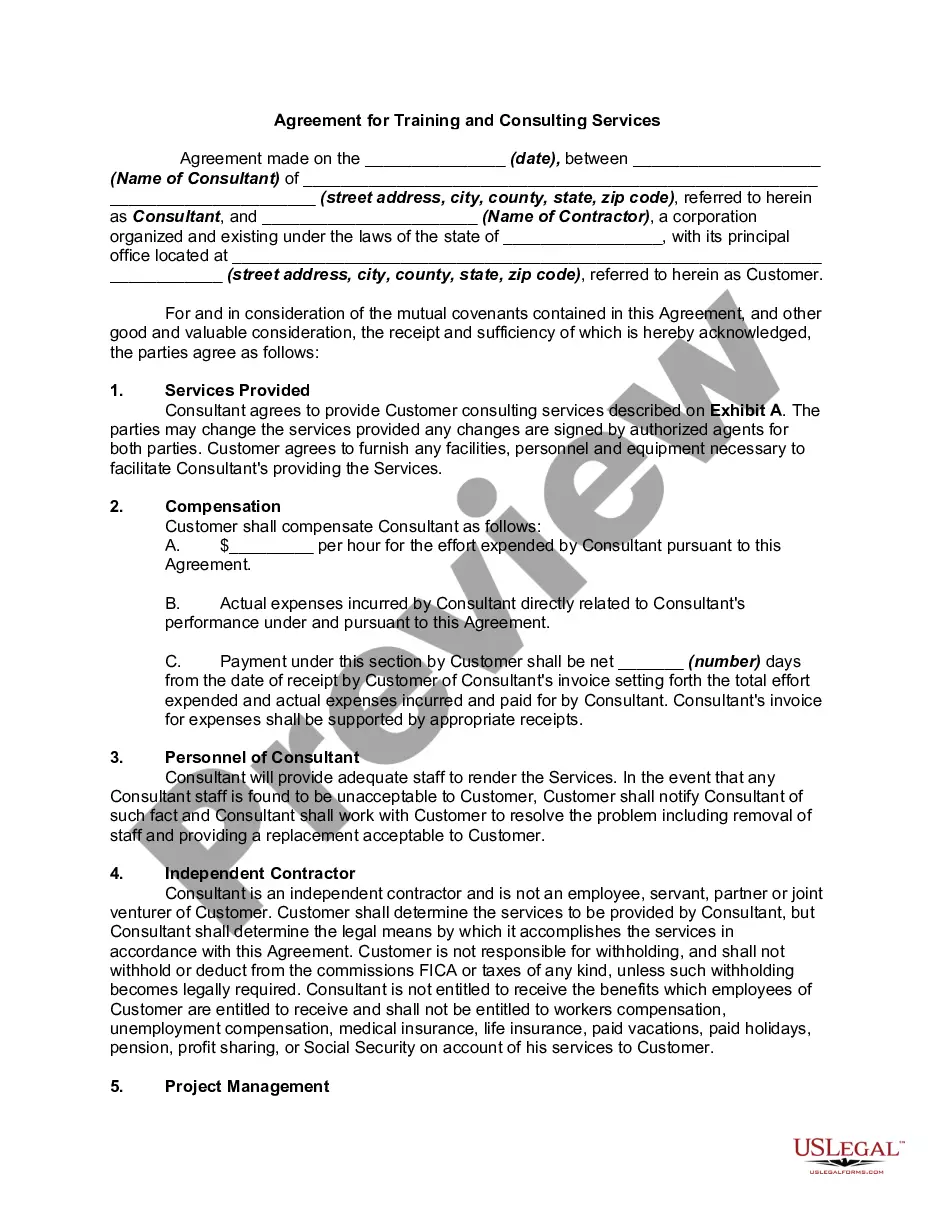
A consulting contract should offer a detailed description of the duties you will perform and the deliverables you promise the client. The agreement may also explain how much work you will perform at the client's office and how often you will work remotely.
A contract for services between an independent contractor (a self-employed individual) and a client company for the provision of consultancy services.
Scope of work The consultant doesn't implement the strategies they suggest. The client puts the suggestions into action. On the other hand, a contractor performs the work for their clients. A typical contract stipulates that they're responsible for completing a defined set of tasks in the way the client wants.
Employees receive salaries or wages, benefits and have legal protections, such as labour laws and worker compensation insurance. In contrast, a consultant is an independent contractor who offers specialist expertise or services to a business on a temporary basis.