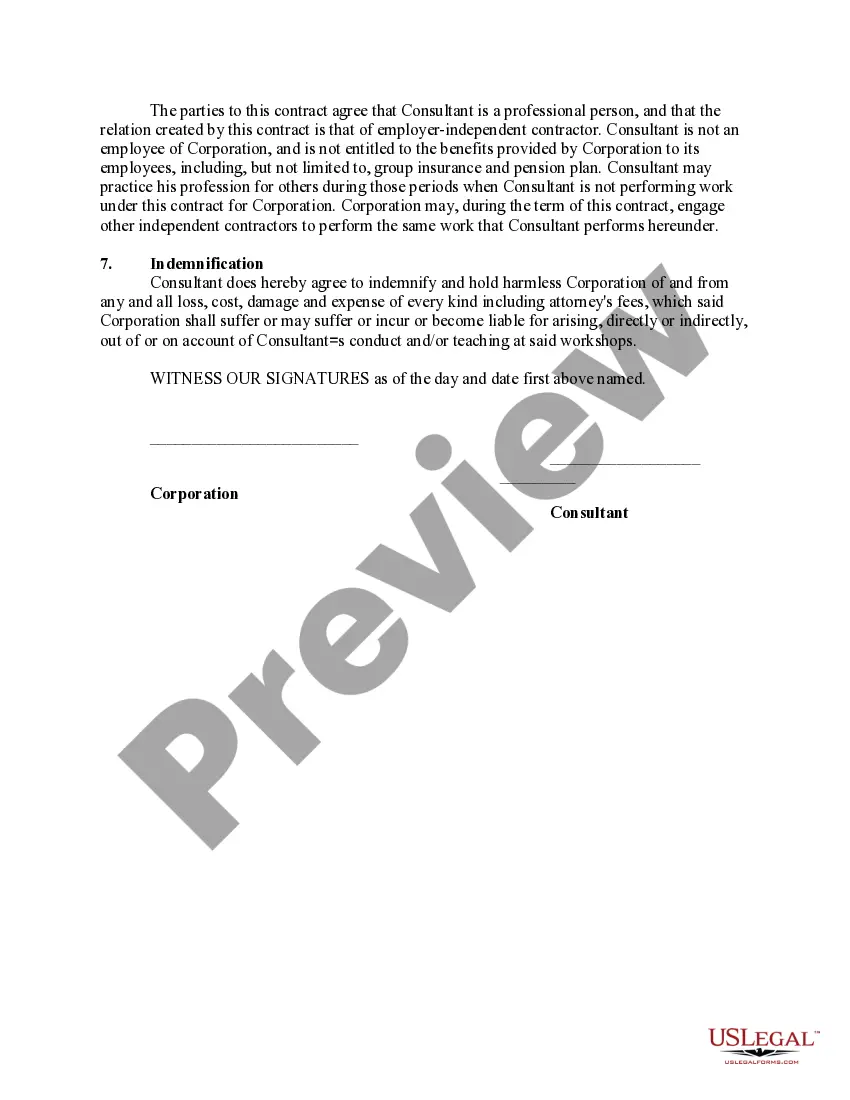
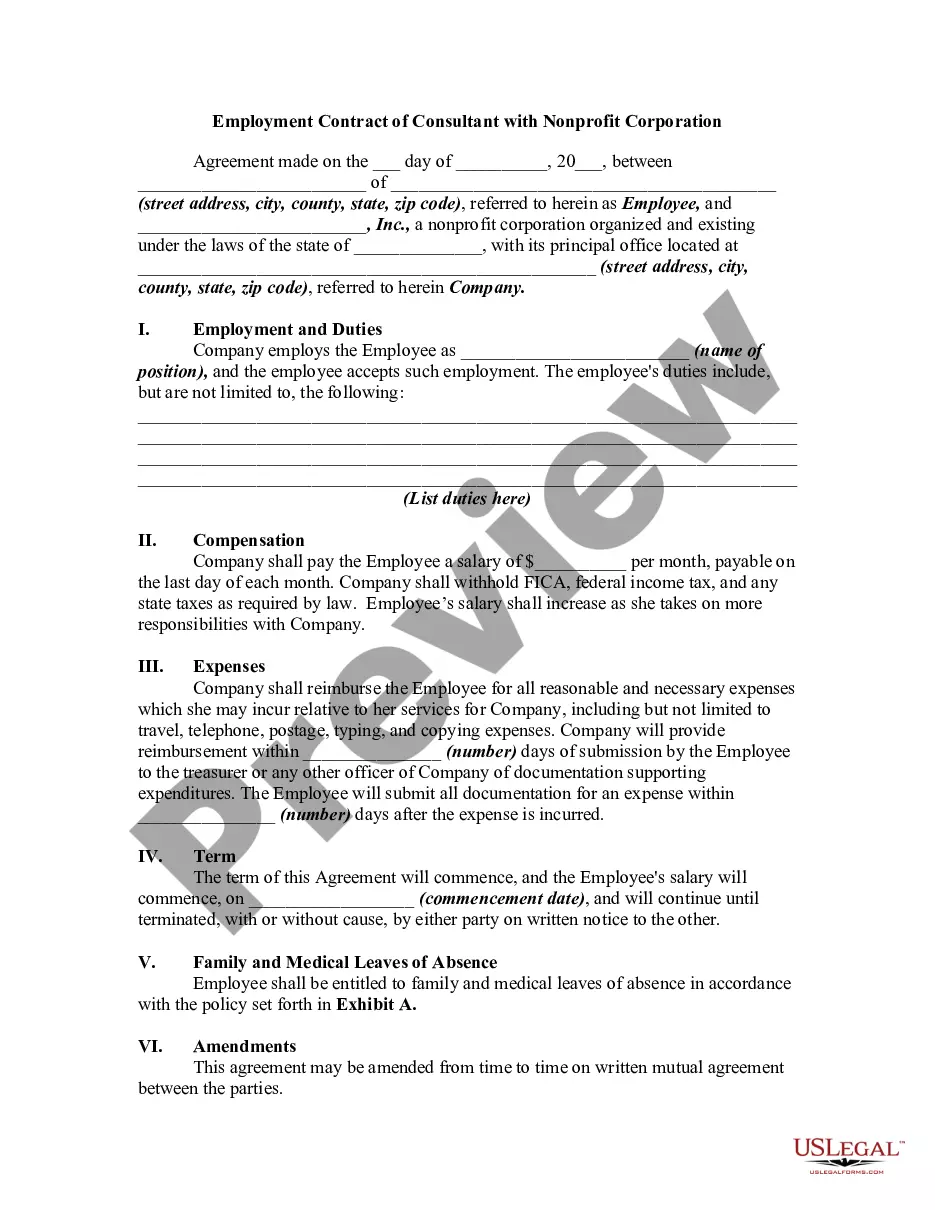
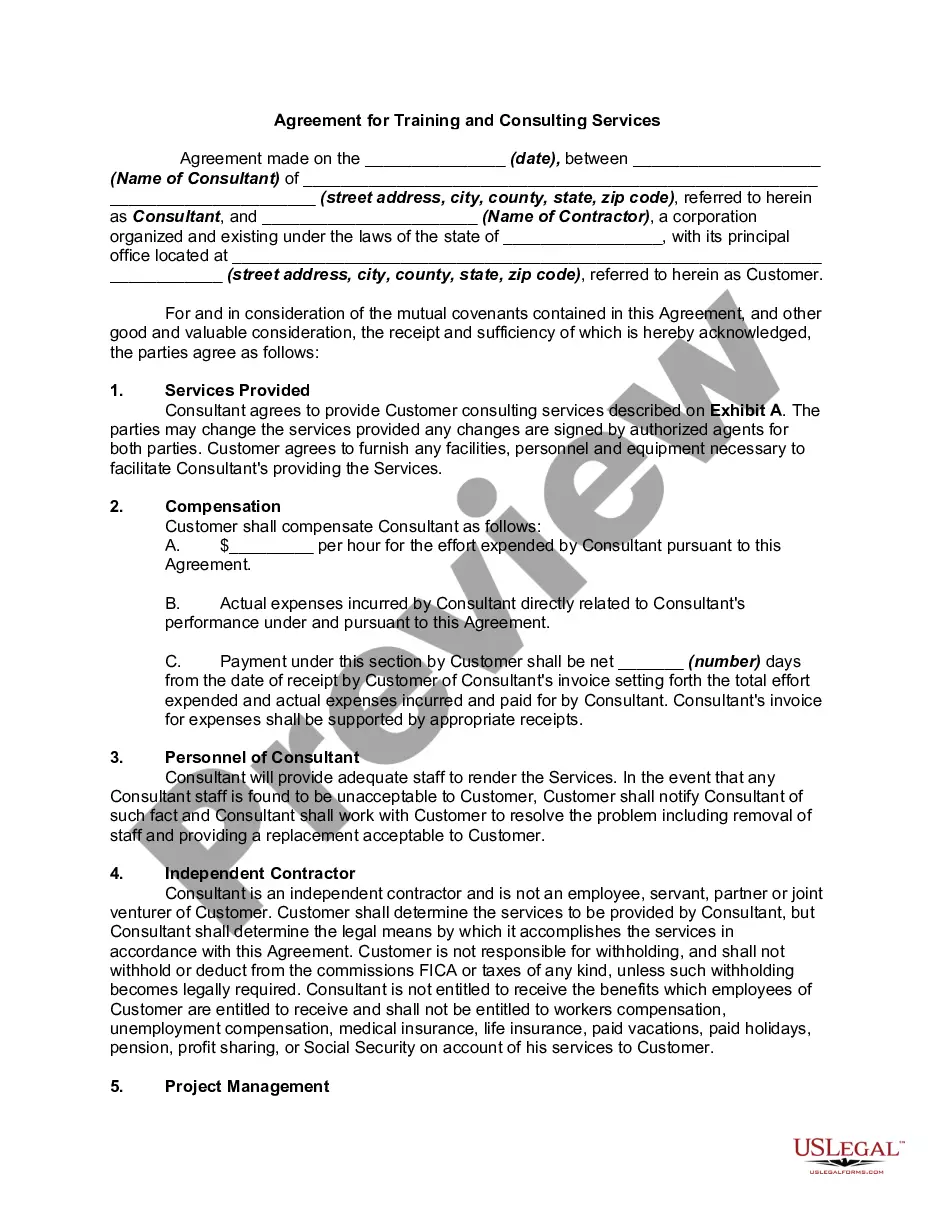
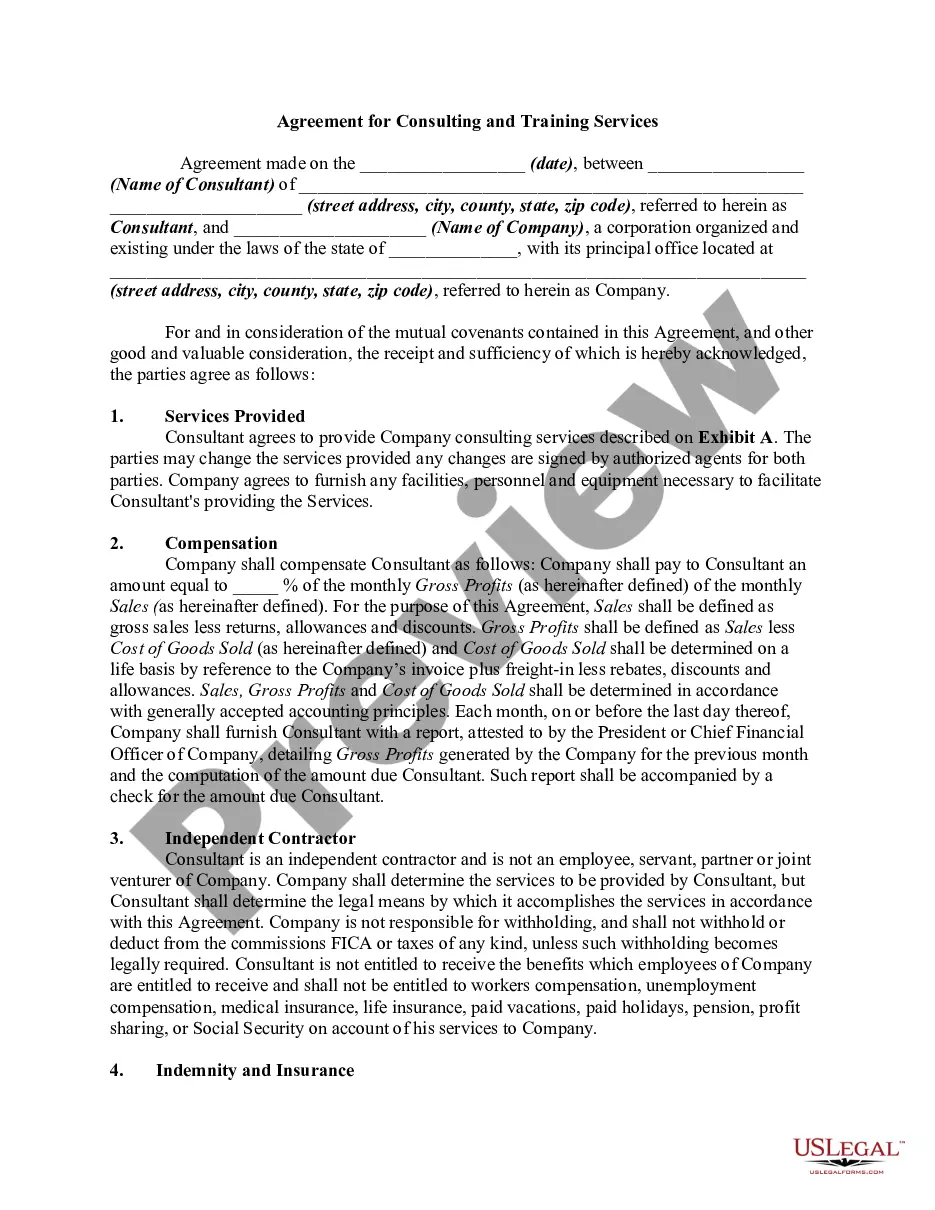
Consultant Work Contract For Employees In Virginia
Description

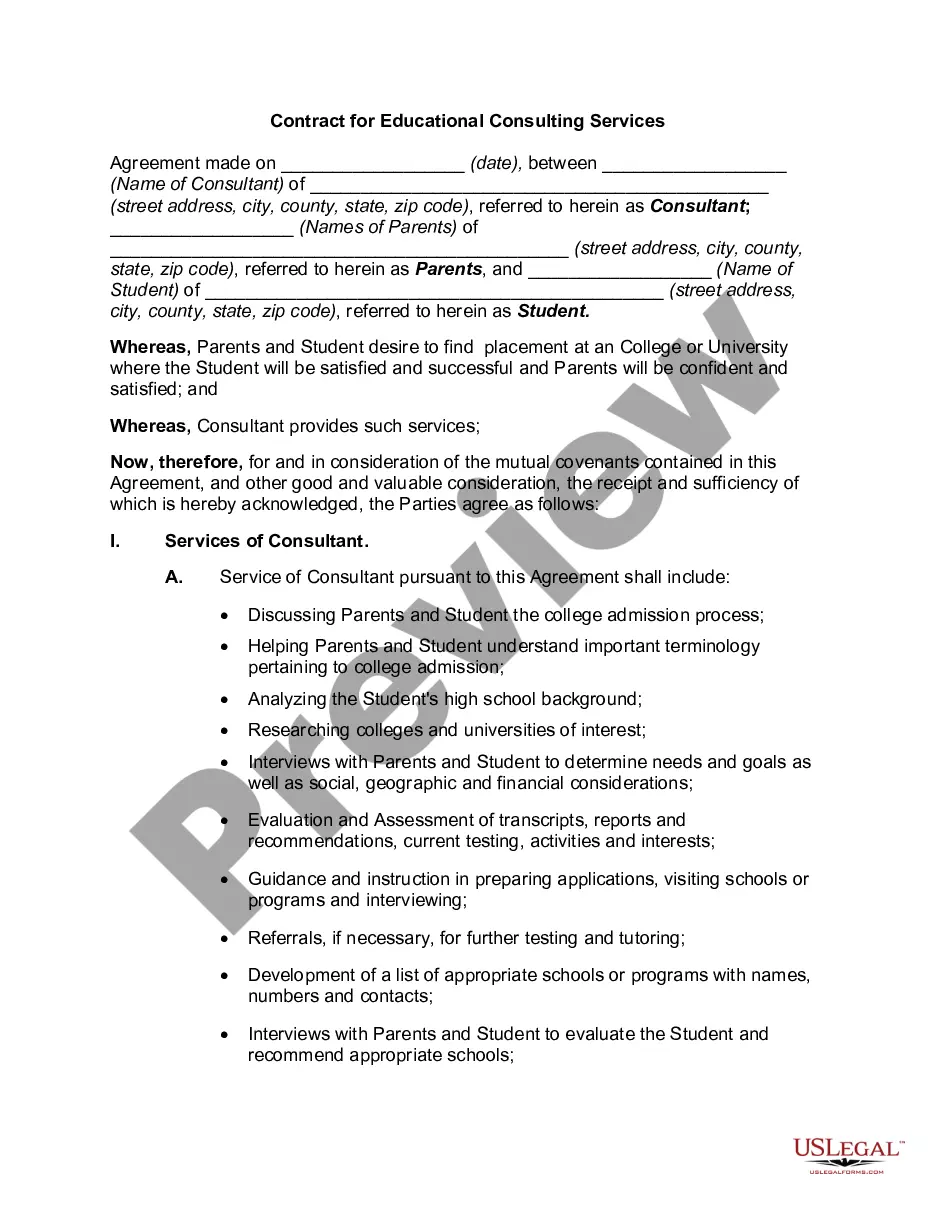
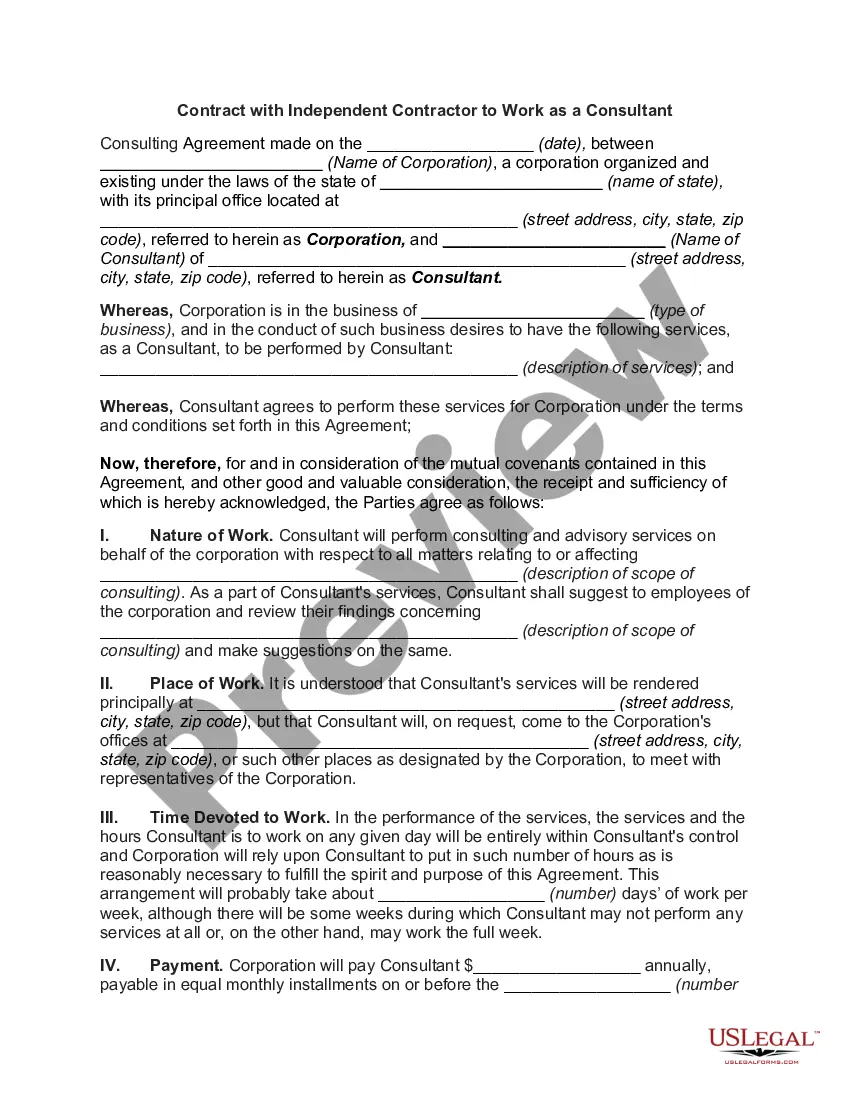
Get your form ready online
Our built-in tools help you complete, sign, share, and store your documents in one place.
Make edits, fill in missing information, and update formatting in US Legal Forms—just like you would in MS Word.
Download a copy, print it, send it by email, or mail it via USPS—whatever works best for your next step.
Sign and collect signatures with our SignNow integration. Send to multiple recipients, set reminders, and more. Go Premium to unlock E-Sign.
If this form requires notarization, complete it online through a secure video call—no need to meet a notary in person or wait for an appointment.
We protect your documents and personal data by following strict security and privacy standards.

Make edits, fill in missing information, and update formatting in US Legal Forms—just like you would in MS Word.

Download a copy, print it, send it by email, or mail it via USPS—whatever works best for your next step.

Sign and collect signatures with our SignNow integration. Send to multiple recipients, set reminders, and more. Go Premium to unlock E-Sign.

If this form requires notarization, complete it online through a secure video call—no need to meet a notary in person or wait for an appointment.

We protect your documents and personal data by following strict security and privacy standards.
Looking for another form?










Form popularity
FAQ
Many employers classify employees as "independent contractors." Under Virginia compensation laws, independent contractors aren't eligible for compensation benefits. This is because an employer-employee relationship doesn't exist between the two parties.
Yes. Employment contracts are enforceable in Virginia as long as they abide by all applicable contract laws. Laws governing contracts require that an enforceable contract have an offer, acceptance, and consideration.
From business licensing to tax obligations, there are a number of compliance factors to keep in mind. For example, Virginia requires independent contractors to obtain a business license and register for state and federal tax IDs.
A sole proprietor that has no employees and that does not hire subcontractors is not required by law to carry workers' compensation coverage. An individual that is not required by law to carry coverage can obtain it voluntarily.
Virginia has its own rule to assess whether a worker is an employee or an independent contractor. The Virginia rule creates a presumption that the worker is an employee unless the employer can show that the IRS guidelines dictate otherwise.
Do I really need to get a business license in Virginia? Yes! It's true that a lot of self-employed individuals, particularly those who work from home, never get a state or local Virginia business license.
In Virginia, a business “license” is merely a way for the local governments to know that you are operating within their jurisdiction so they can tax you. For most people who have been operating as a sole proprietor independent contractor, you probably won't need any special license, but you still must file this form.
How do you find contracts as an independent consultant? 1. Leverage Your Network 2. Get on a Pre-Qualified List 3. Subcontract with Another Firm 4. Team up with Other Independent Consultants 5. Ask for Referrals
In the area of law, for a contract to be legally enforceable, several requirements must be met, including an offer; acceptance of that offer; mutual understanding of the agreement; capacity to agree; an item or service; consideration in exchange for the item or service; and legality of the contract itself, including ...
