Consultant Work Contract For 1099 In Tarrant
Description

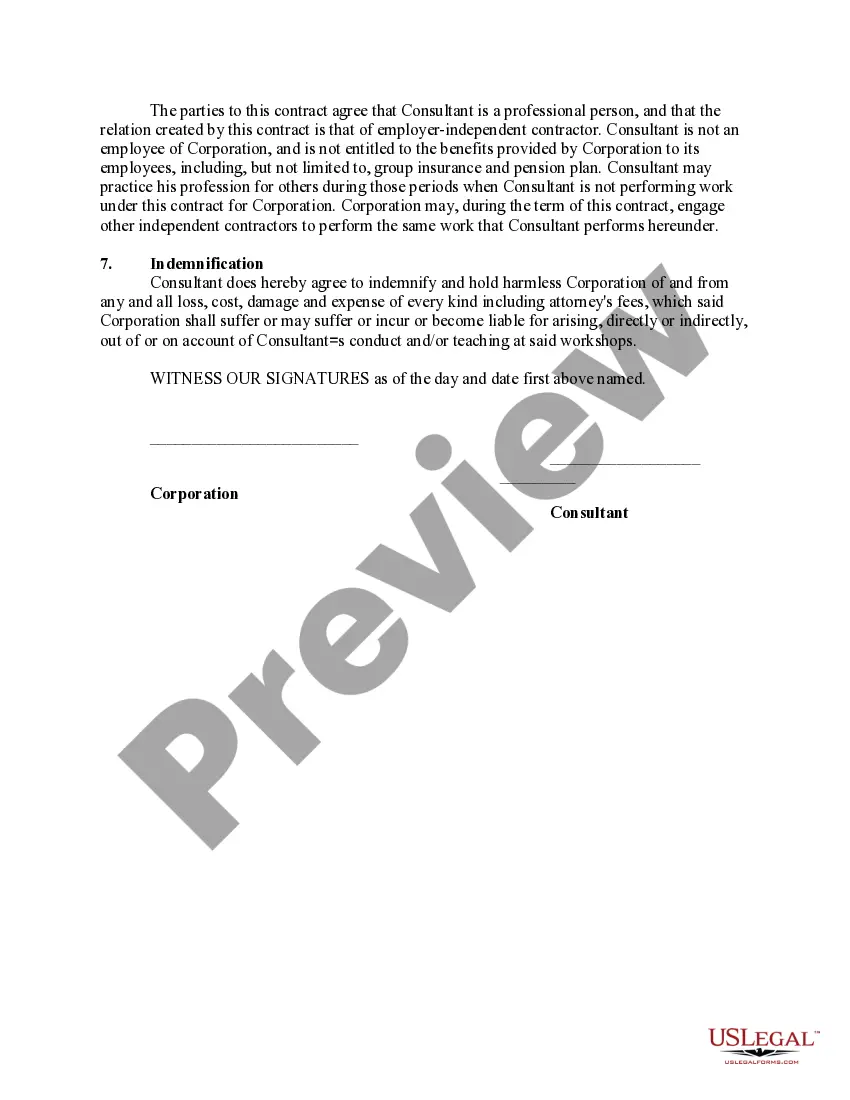
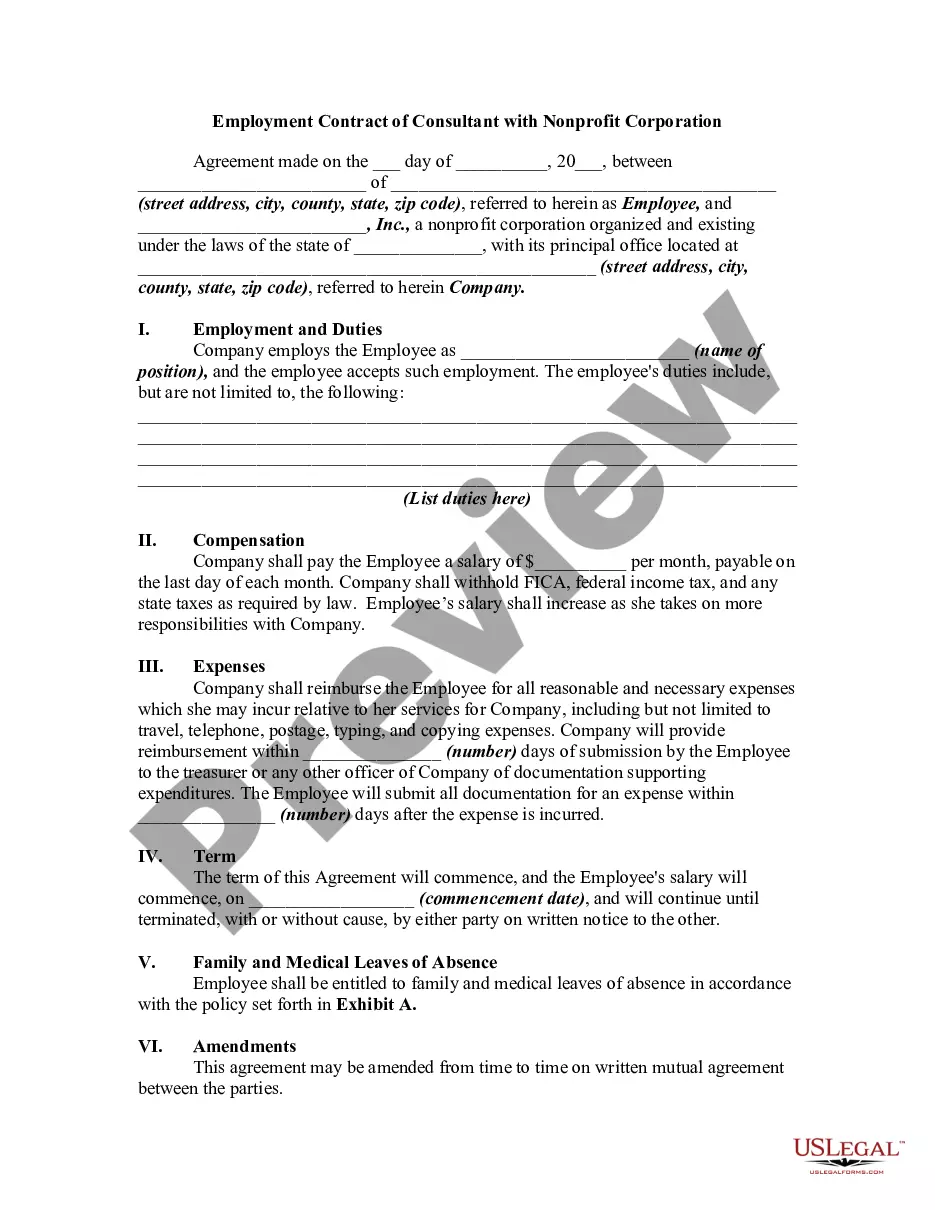
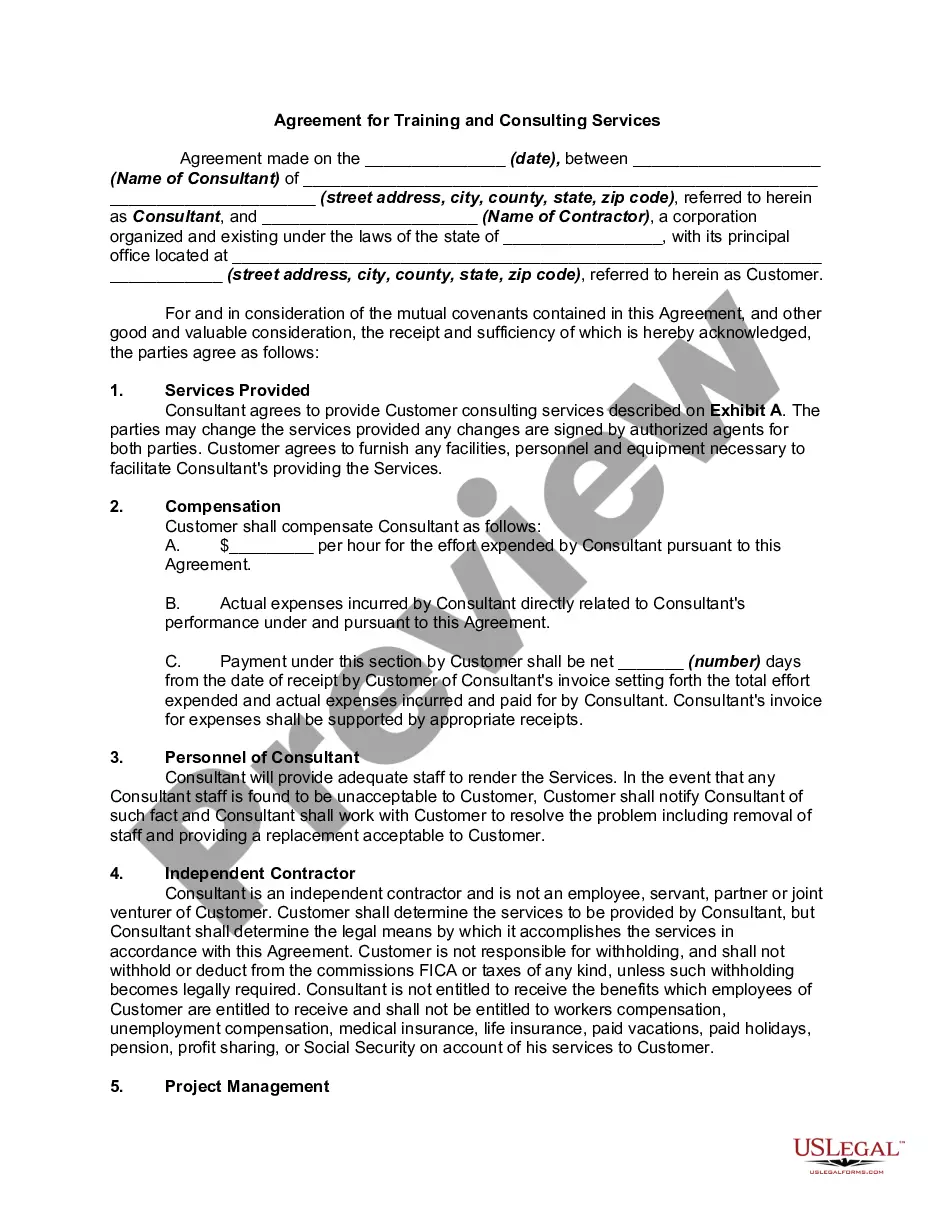
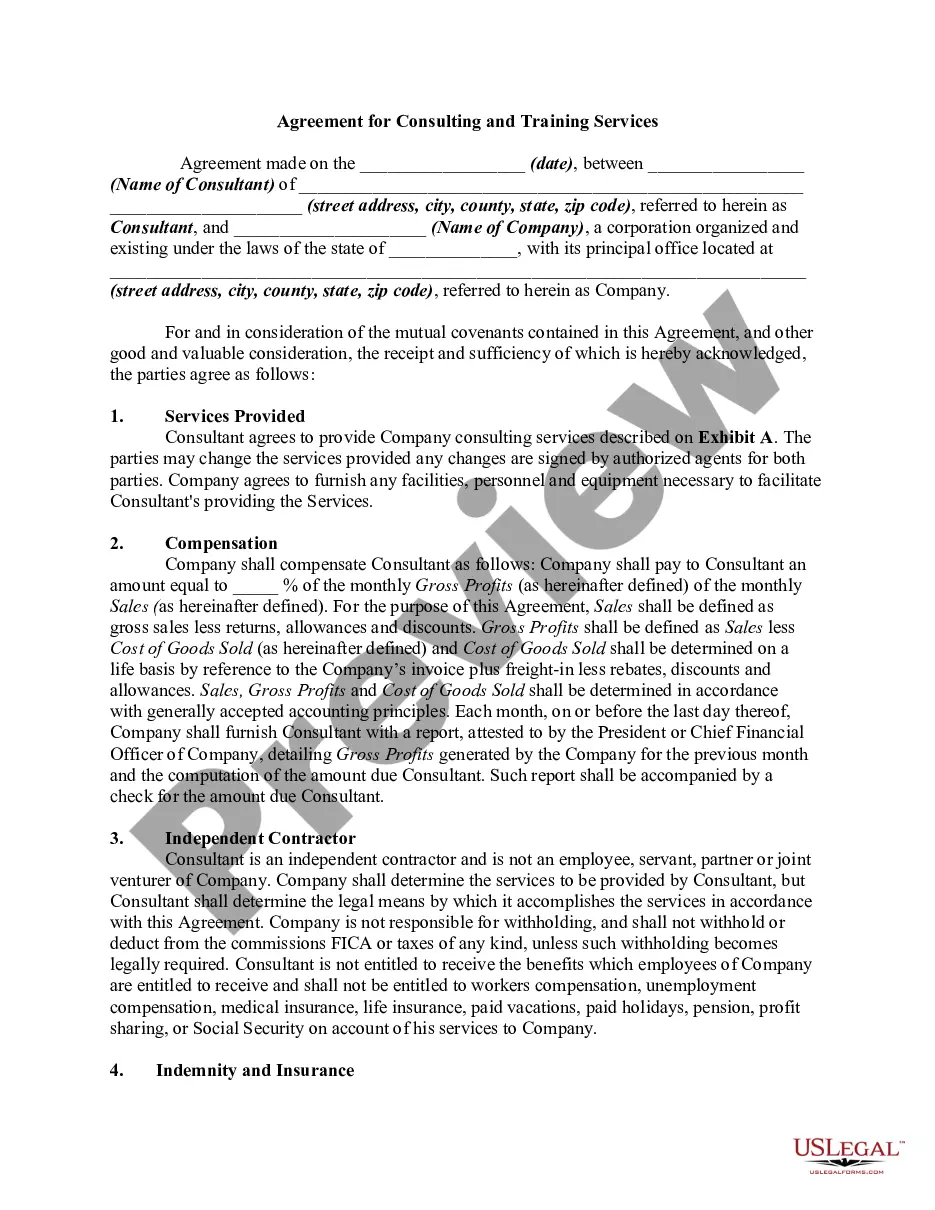
Get your form ready online
Our built-in tools help you complete, sign, share, and store your documents in one place.
Make edits, fill in missing information, and update formatting in US Legal Forms—just like you would in MS Word.
Download a copy, print it, send it by email, or mail it via USPS—whatever works best for your next step.
Sign and collect signatures with our SignNow integration. Send to multiple recipients, set reminders, and more. Go Premium to unlock E-Sign.
If this form requires notarization, complete it online through a secure video call—no need to meet a notary in person or wait for an appointment.
We protect your documents and personal data by following strict security and privacy standards.

Make edits, fill in missing information, and update formatting in US Legal Forms—just like you would in MS Word.

Download a copy, print it, send it by email, or mail it via USPS—whatever works best for your next step.

Sign and collect signatures with our SignNow integration. Send to multiple recipients, set reminders, and more. Go Premium to unlock E-Sign.

If this form requires notarization, complete it online through a secure video call—no need to meet a notary in person or wait for an appointment.

We protect your documents and personal data by following strict security and privacy standards.
Looking for another form?








Form popularity
FAQ
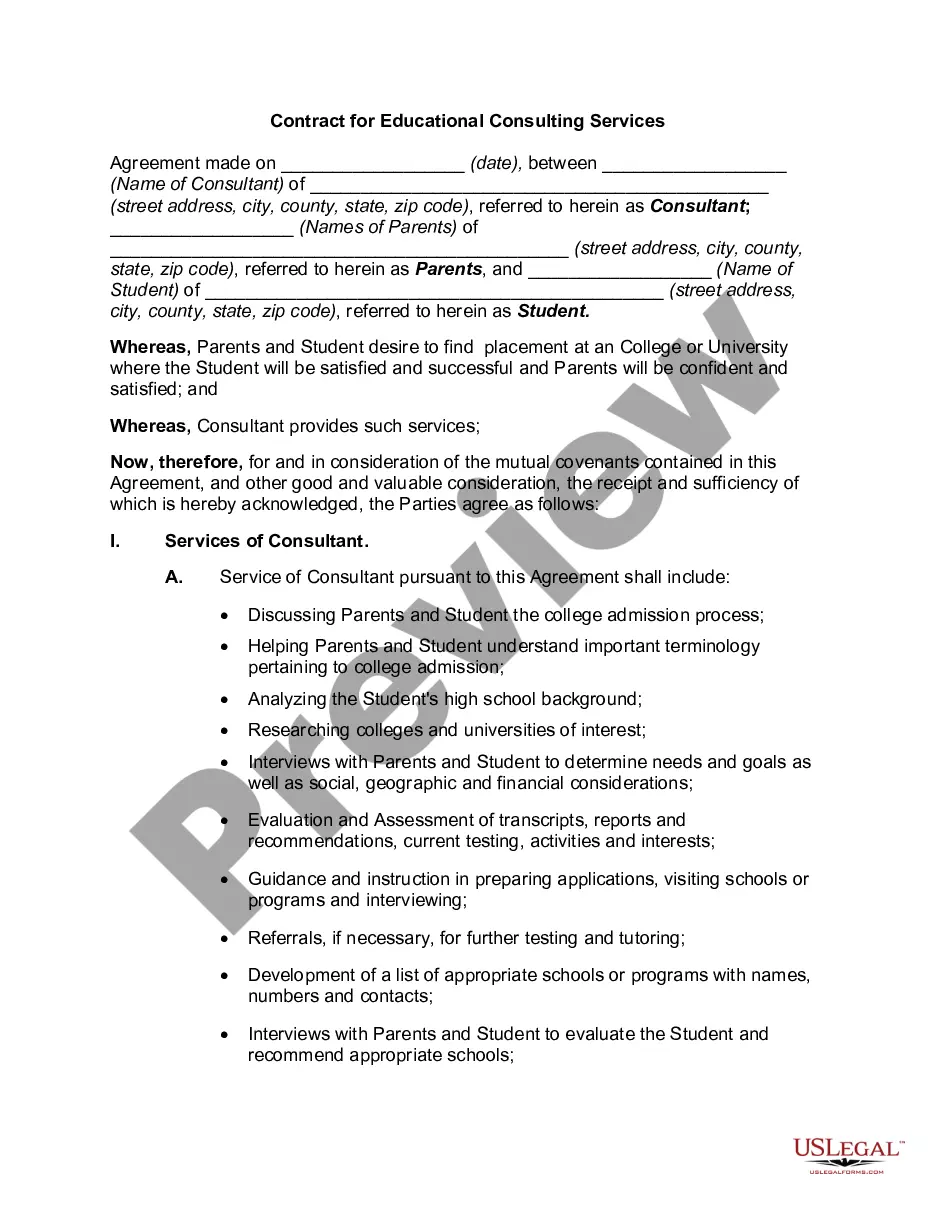
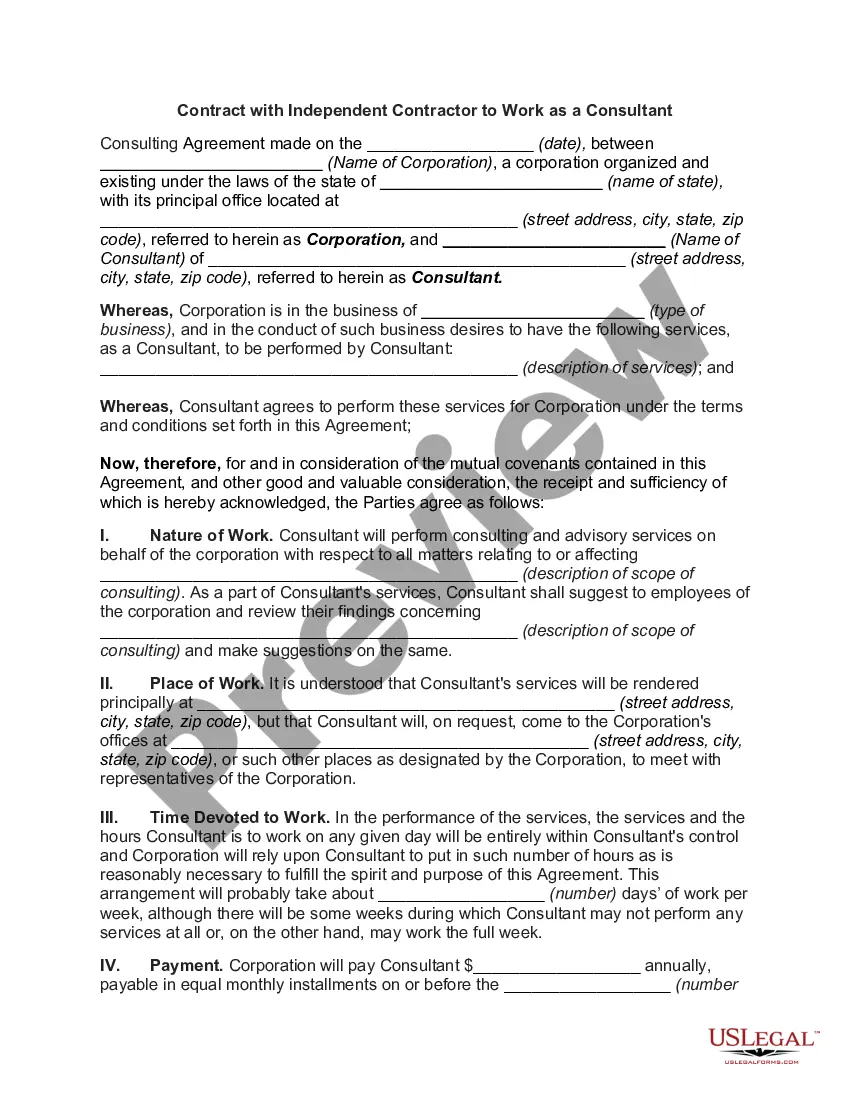
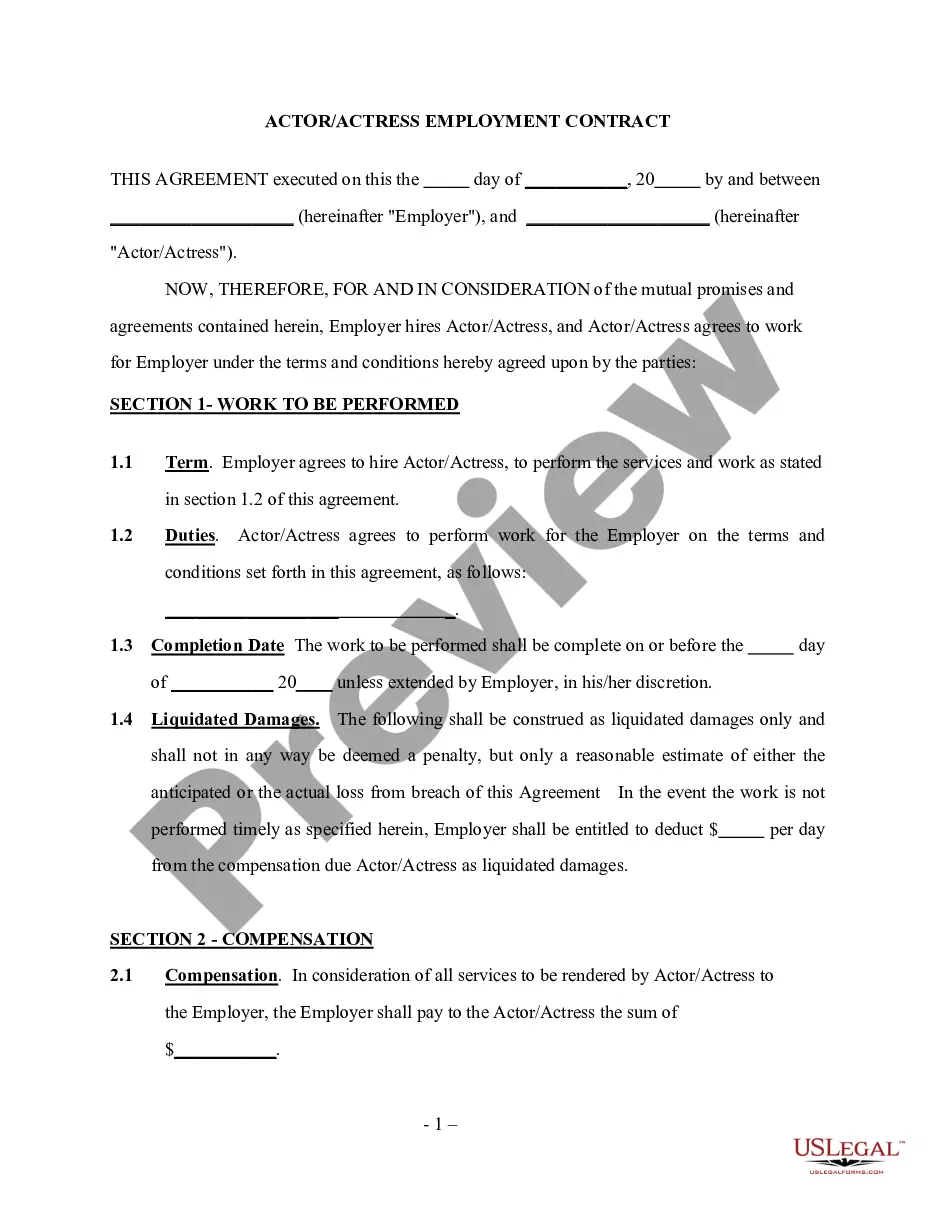
A Texas independent contractor agreement binds two parties, an independent contractor and a client. The document specifies the service to be performed by the contractor, the compensation for the service, and the date by which the project should be completed.
Texas will enforce a non-compete agreement if it meets certain criteria: It must be included with another agreement (such as an employment offer), and be in exchange for “consideration” (i.e. something in return, such as specialized training or confidential information).
How to become a contractor in Texas Register a state business entity. Choose a contractor license type. Meet the basic requirements for your license. Obtain a Texas contractor license bond or insurance. Apply for your license.
Workers who use their own materials and tools, control meaningful aspects of the working relationship, complete tasks relatively quickly, are highly skilled, and control how they perform their job can usually be classified as independent contractors.
Using Form 1099 Form 1099 provides income and tax information to the IRS regarding an individual's income outside of a traditional W-2 employer. This type of income is from non-employment-related sources. In other words, it's for those that receive payment other than a standard salary from an employer.
Here are six best practices to write a consulting contract that defines your project scope and protects both you and your business. Define Duties, Deliverables, and Roles. Prepare for Potential Risk. Specify Project Milestones and Engagement Time. Identify Expenses and Outline Payment Terms. Specify Product Ownership.
Use these steps to help you get your first consulting contract: Consider your areas of expertise. In order to book a contract, you need to know what areas you can train in. Target companies in your area. Meet with the owner. Prove your knowledge. Get the contract. Ask for a referral and testimonial.
Freelance or Contract Work: These roles, often under independent contractor status, generally do not qualify for unemployment benefits unless under special circumstances. Failure to Search for a Job: If you're not actively looking for work, you may be disqualified.
Right to manage your own business. As a self employed person, you provide your own benefits. Your client has no responsibility for benefits, health insurance, or other things that employees have. Also, you enforce the rights of your business. If someone attempts to abuse your services, you must take action.
How many hours can a salaried employee work in Texas? A salaried employee in Texas can work up to 40 hours in a standard work week. If a salaried employee's workhours exceed 40, they are eligible for overtime compensation at 1.5 times their regular hourly rate.
