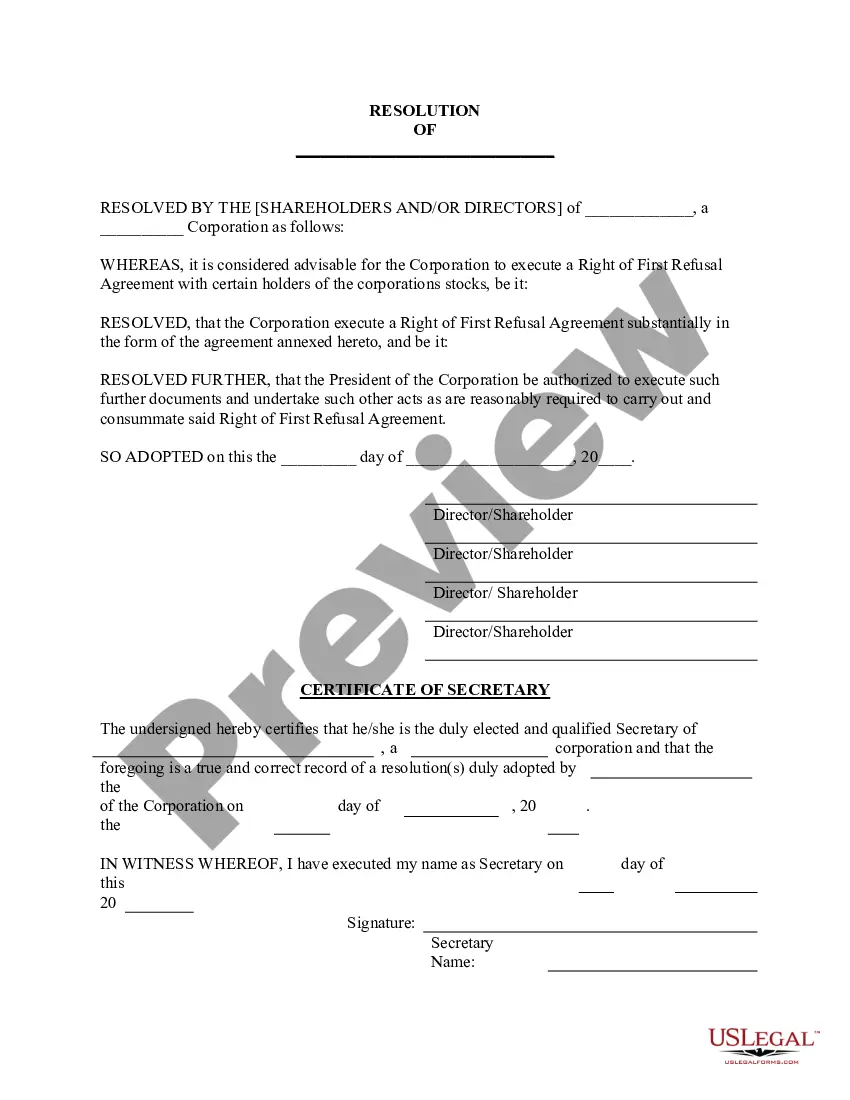
Training Contract For Barrister In Queens
Description


Get your form ready online
Our built-in tools help you complete, sign, share, and store your documents in one place.
Make edits, fill in missing information, and update formatting in US Legal Forms—just like you would in MS Word.
Download a copy, print it, send it by email, or mail it via USPS—whatever works best for your next step.
Sign and collect signatures with our SignNow integration. Send to multiple recipients, set reminders, and more. Go Premium to unlock E-Sign.
If this form requires notarization, complete it online through a secure video call—no need to meet a notary in person or wait for an appointment.
We protect your documents and personal data by following strict security and privacy standards.

Make edits, fill in missing information, and update formatting in US Legal Forms—just like you would in MS Word.

Download a copy, print it, send it by email, or mail it via USPS—whatever works best for your next step.

Sign and collect signatures with our SignNow integration. Send to multiple recipients, set reminders, and more. Go Premium to unlock E-Sign.

If this form requires notarization, complete it online through a secure video call—no need to meet a notary in person or wait for an appointment.

We protect your documents and personal data by following strict security and privacy standards.
Looking for another form?










Form popularity
FAQ
During a training contract, also referred to as a period of recognised training, you'll work at a law firm and gain hands on experience in a number of legal practice areas. Each period is known as a “seat” and last approximately six months each. You'll also have to tackle both contentious and non-contentious seats.
A training contract is a compulsory period of practical training in a law firm for law graduates before they can qualify as a solicitor in the United Kingdom (UK), Ireland, Australia or Hong Kong, or as an advocate and solicitor in Singapore.
You also have the option to do a degree in any subject and complete a Graduate Diploma in Law afterwards. Once you've graduated, you need to complete: the Bar Professional Training Course which takes one year. a year of practical training called a pupillage.
You must study and train for at least six years full time, and competition for training opportunities is high. Try to find out as much as you can about what a career in the law is like by: talking to solicitors, for example at careers fairs. applying for work experience.
How Long Does it Take to Become a Barrister? It can take up to five years to become a fully qualified barrister if you take the 'traditional route' – including three years to complete a qualifying law degree at university, one year to complete a bar course and a one-year pupillage.
A training contract, or qualifying work experience (QWE), is a two-year period spent working at a law firm or other organisation that employs solicitors. It's one of the stages required to qualify as a solicitor.
Length of a period of recognised training If a trainee works for less than 32 hours during a week we would consider this a part time period of recognised training and the trainee will be expected to complete more than the minimum two year requirement.
Employed barristers can expect to earn from £90,000 to in excess of £150,000.
What qualifications do you need to be a barrister? An undergraduate degree in law (LLB Law). This is equivalent to a BA or BSc. If you studied a non-law undergraduate degree, then you will need to study a conversion course.
Passing the bar exam for aspiring barristers is a lengthy and demanding process that should not be taken on lightly as only those who persevere and get very high marks usually make it through to the end.