Contract Training For Non Lawyers In Queens
Description

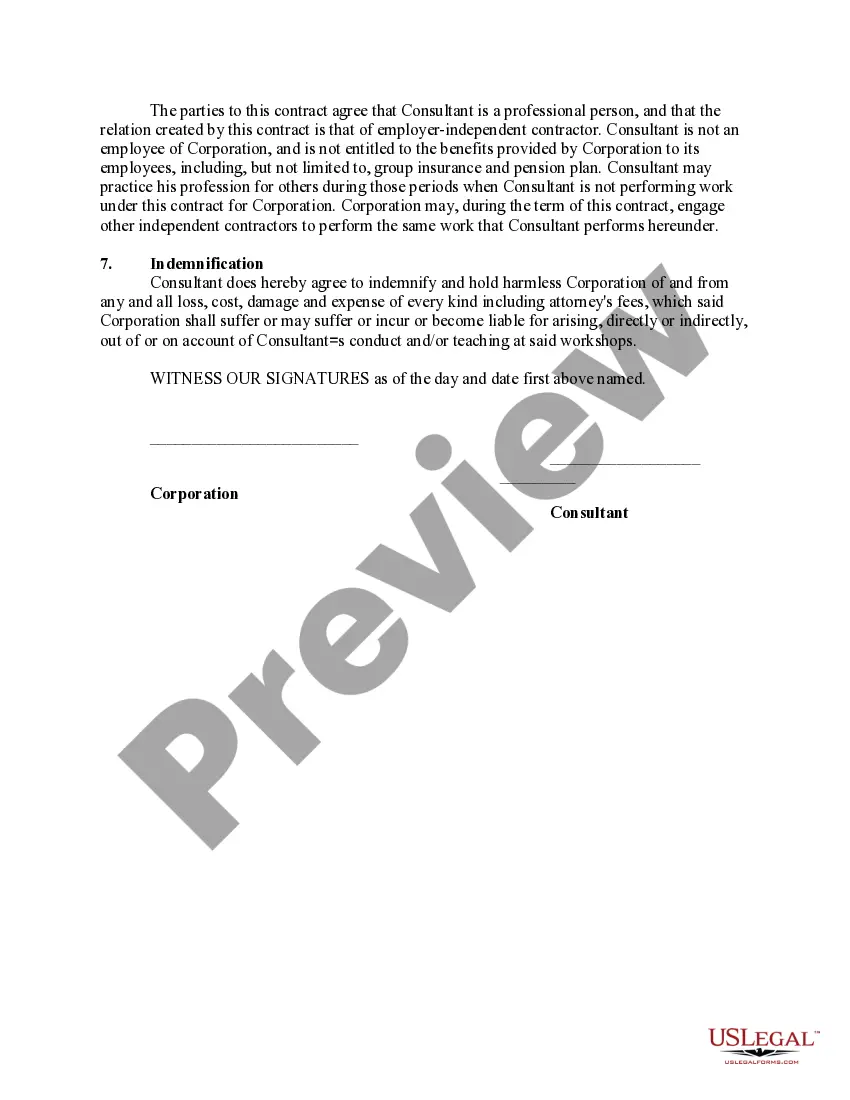
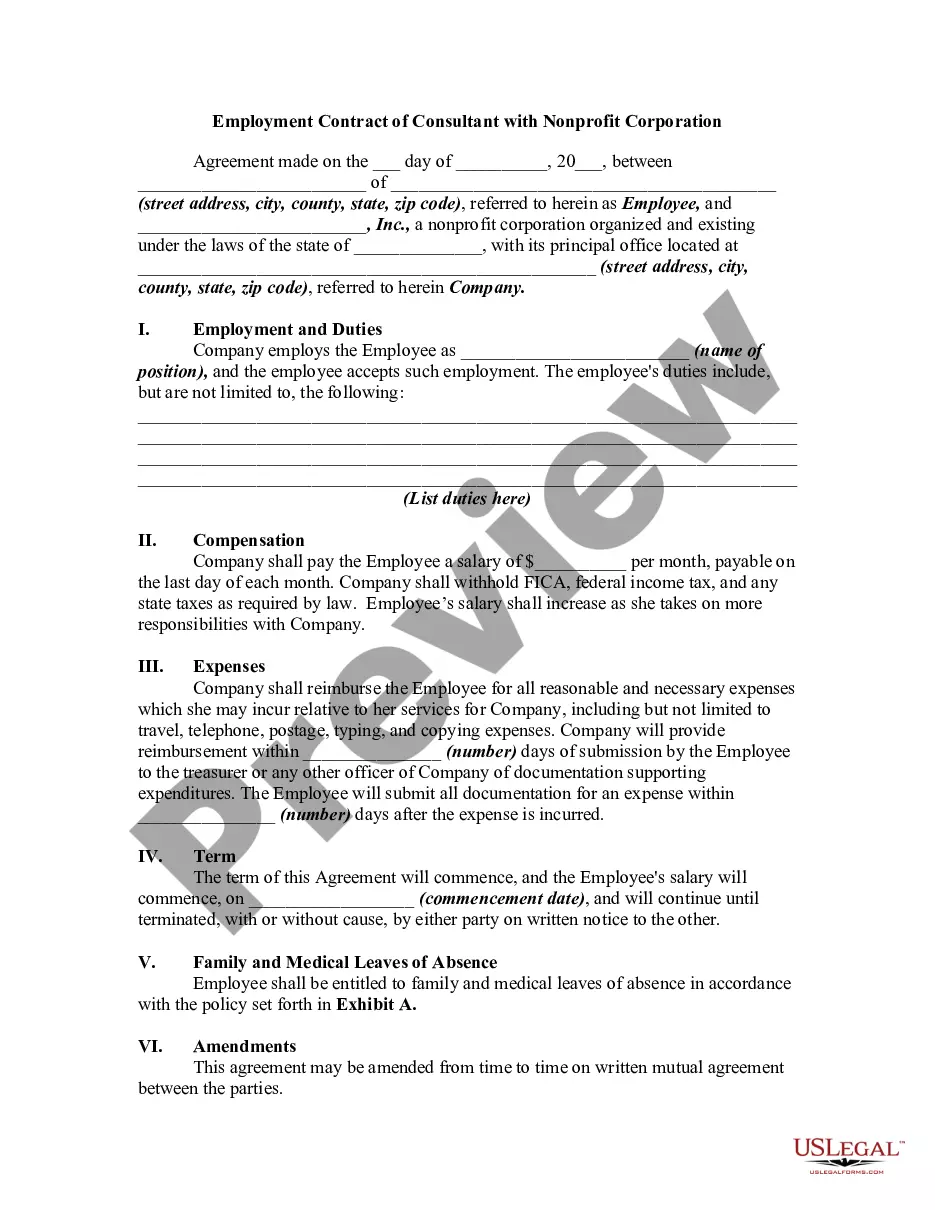
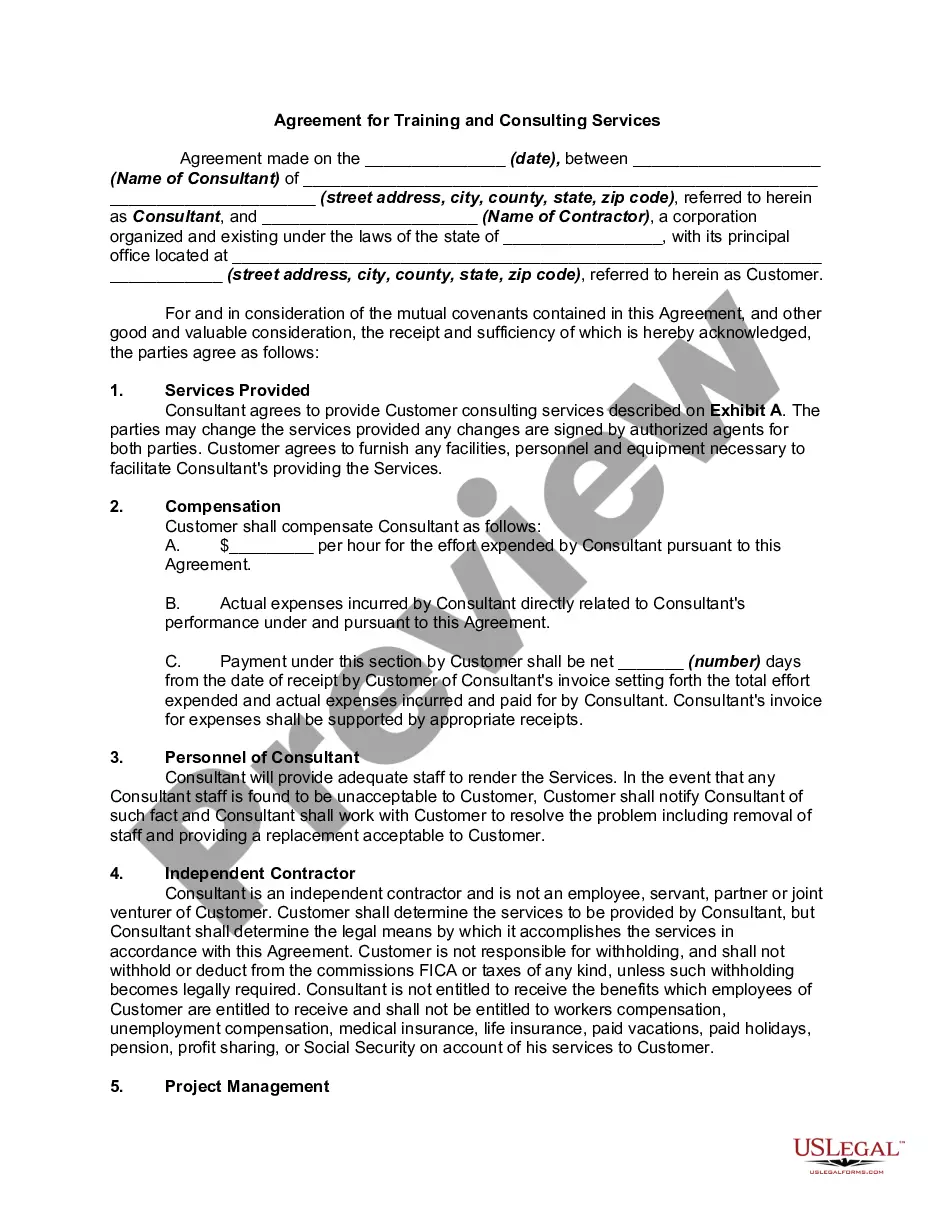
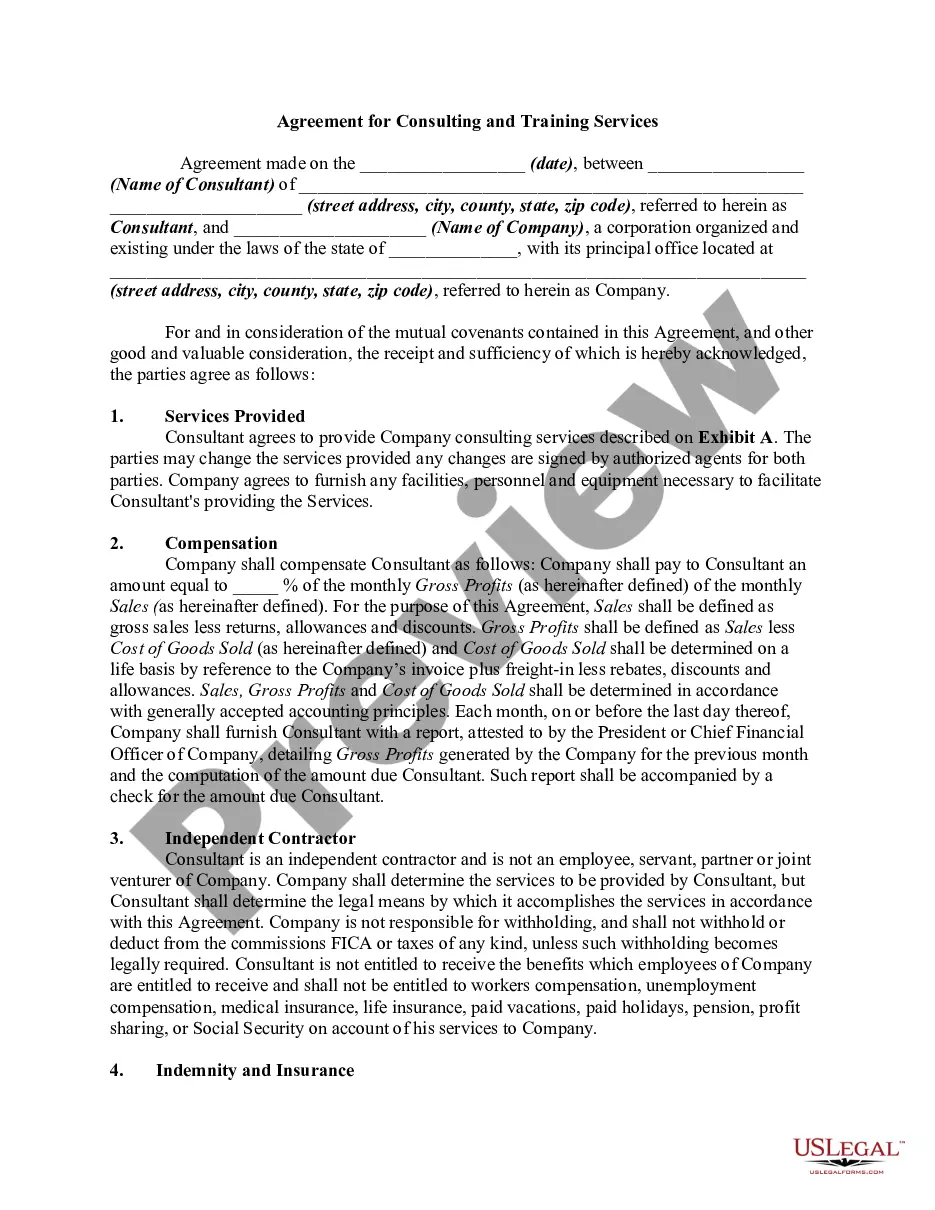
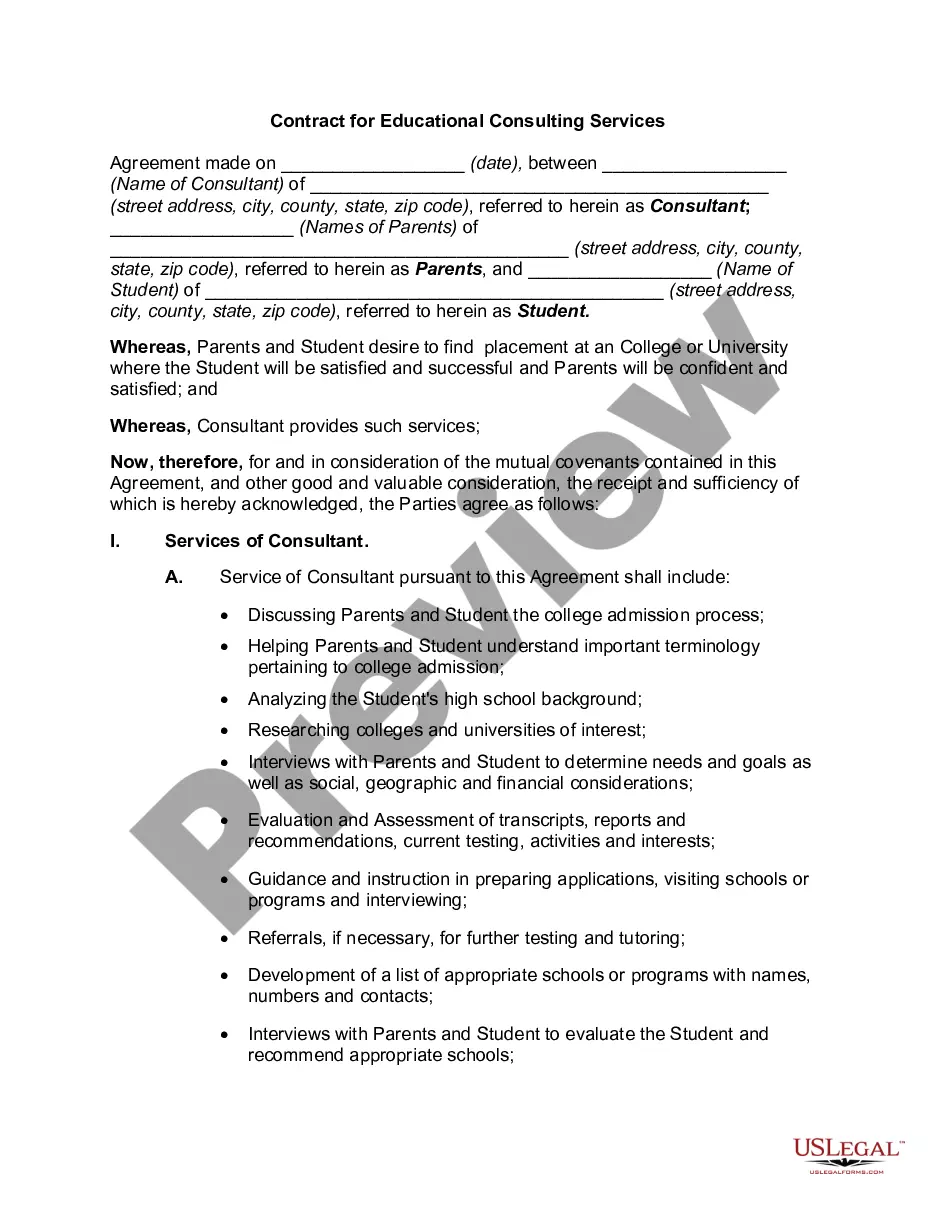
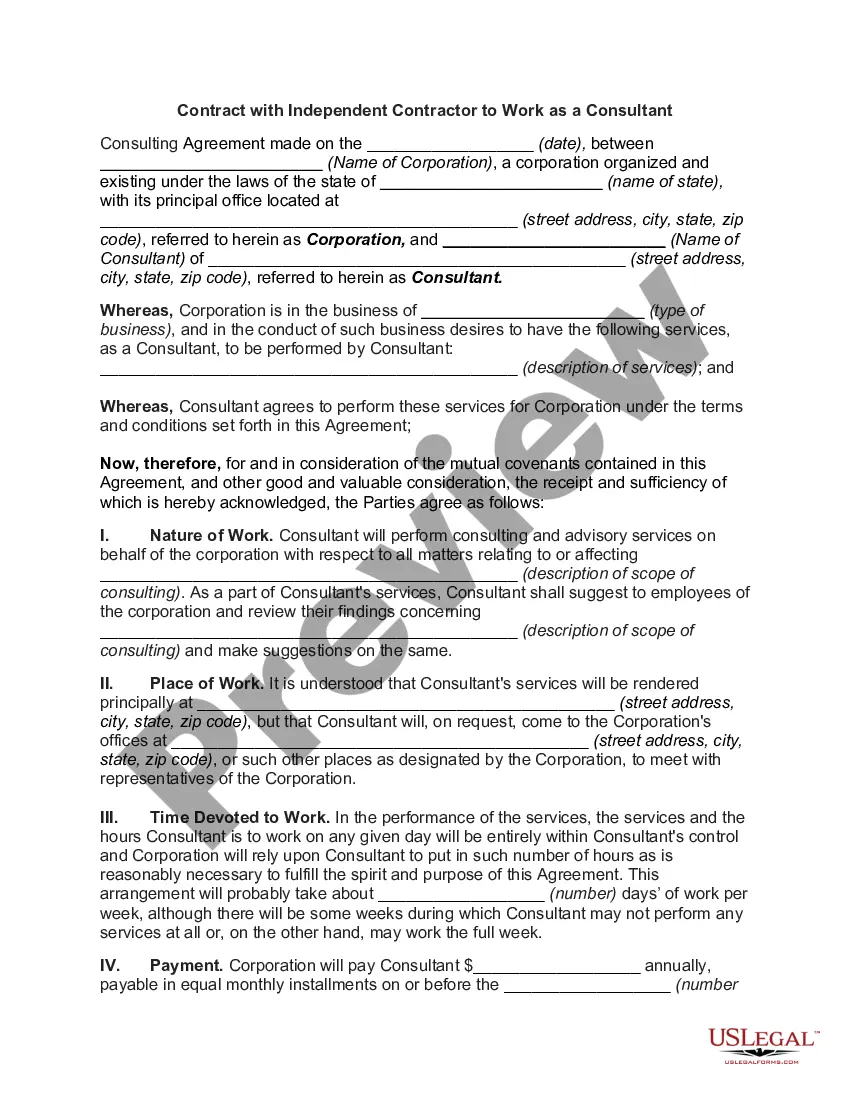
Get your form ready online
Our built-in tools help you complete, sign, share, and store your documents in one place.
Make edits, fill in missing information, and update formatting in US Legal Forms—just like you would in MS Word.
Download a copy, print it, send it by email, or mail it via USPS—whatever works best for your next step.
Sign and collect signatures with our SignNow integration. Send to multiple recipients, set reminders, and more. Go Premium to unlock E-Sign.
If this form requires notarization, complete it online through a secure video call—no need to meet a notary in person or wait for an appointment.
We protect your documents and personal data by following strict security and privacy standards.

Make edits, fill in missing information, and update formatting in US Legal Forms—just like you would in MS Word.

Download a copy, print it, send it by email, or mail it via USPS—whatever works best for your next step.

Sign and collect signatures with our SignNow integration. Send to multiple recipients, set reminders, and more. Go Premium to unlock E-Sign.

If this form requires notarization, complete it online through a secure video call—no need to meet a notary in person or wait for an appointment.

We protect your documents and personal data by following strict security and privacy standards.
Looking for another form?








Form popularity
FAQ
The acceptance rate for NYU School of Law is 16.67%. This is on par with some of the most competitive law school acceptance rates in the US. In a recent admissions cycle, there were 8,537 applications, and only 1,423 applicants were accepted.
The typical path to practicing law requires about seven years of education. To become a lawyer students must first complete a bachelor's degree (typically 4 years), then earn a Juris Doctor (J.D) from an ABA approved law school. After law school, students must pass the Bar Exam, to legally practice law.
What is the hardest bar exam to pass? California has a notoriously hard bar exam, with only 45% of first-time takers passing the Feb 2024 bar exam, and 24% of repeat takers passing the July 2023 exam. However, there are other states with lower pass rates in July 2023, including Maine, Wyoming, and Maryland.
To become a lawyer practicing in the state of New York, you must complete a series of rigorous educational steps, starting with undergraduate education and culminating in passing the bar examination.
The traditional route is to get an undergraduate degree, take the Law School Admission Test, obtain a Juris Doctor (JD) or Doctor of Jurisprudence degree from an American Bar Association approved law school, and pass the New York State Bar Exam.
If you're an overseas student, in order to qualify as a solicitor in England and Wales, you'll need to: hold a degree in any subject or an equivalent qualification (such as an apprenticeship) or work experience. complete two stages of assessment, SQE1 and SQE2. complete two years of qualifying work experience (QWE)
Solicitors Qualifying Examination (SQE) You can qualify as a solicitor by gaining relevant legal work experience and passing the SQE assessments. This route requires a lot of practical experience and self-guided study.
Nonetheless, the New York Bar Exam still qualifies as a moderately difficult bar exam. An applicant must score 266 on a 400 point scale in order to pass the New York Uniform Bar Exam (UBE).
For a contract to be valid and recognized by the common law, it must include certain elements-- offer, acceptance, consideration, intention to create legal relations, authority and capacity, and certainty. Without these elements, a contract is not legally binding and may not be enforced by the courts.
New York Bar Exam Eligibility Requirements Obtain a Juris Doctorate degree from a law school approved by the American Bar Association (ABA). Complete a combination of law school study and law office study. Practice in another jurisdiction and complete study in law school not approved by the ABA.
