Contract Training For Non Lawyers In Palm Beach
Description


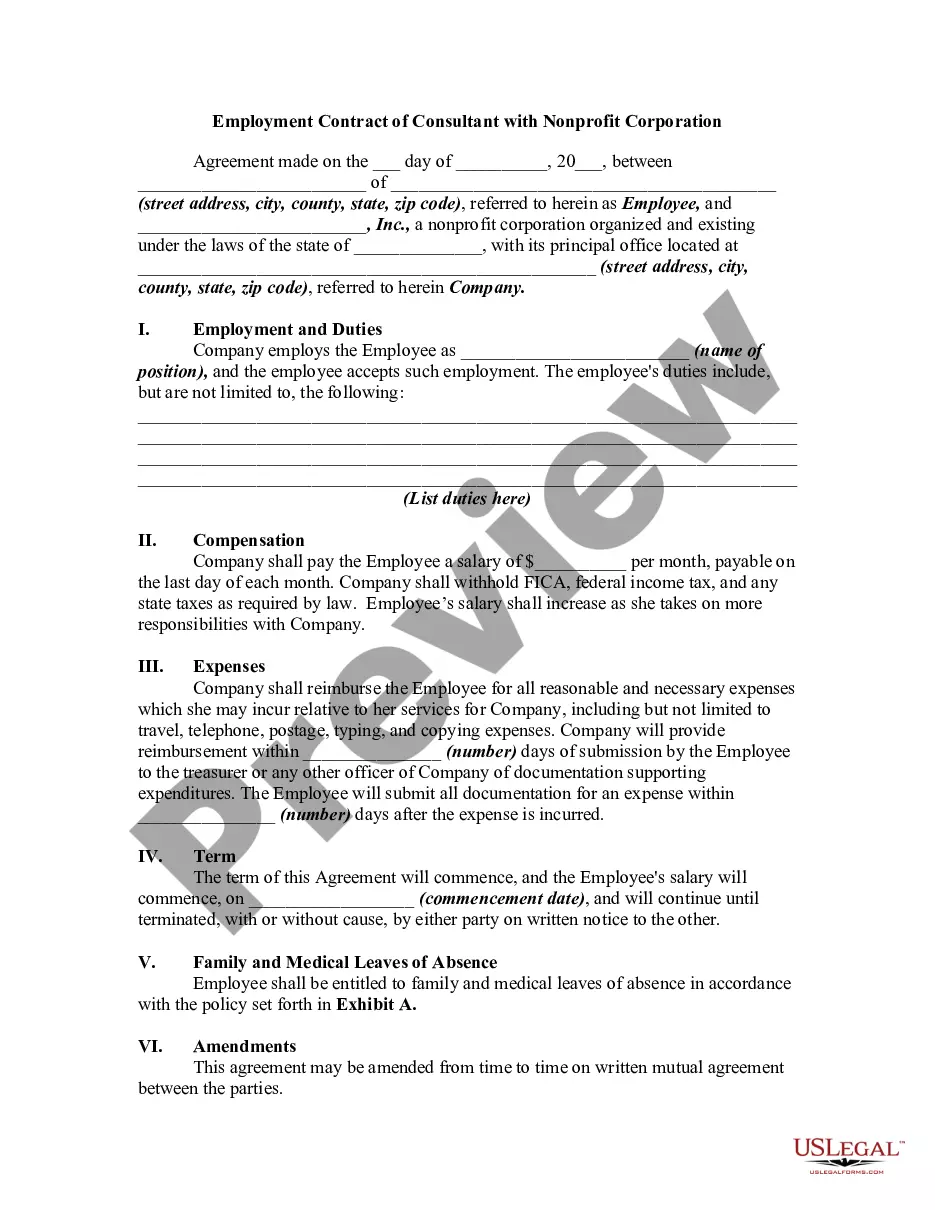
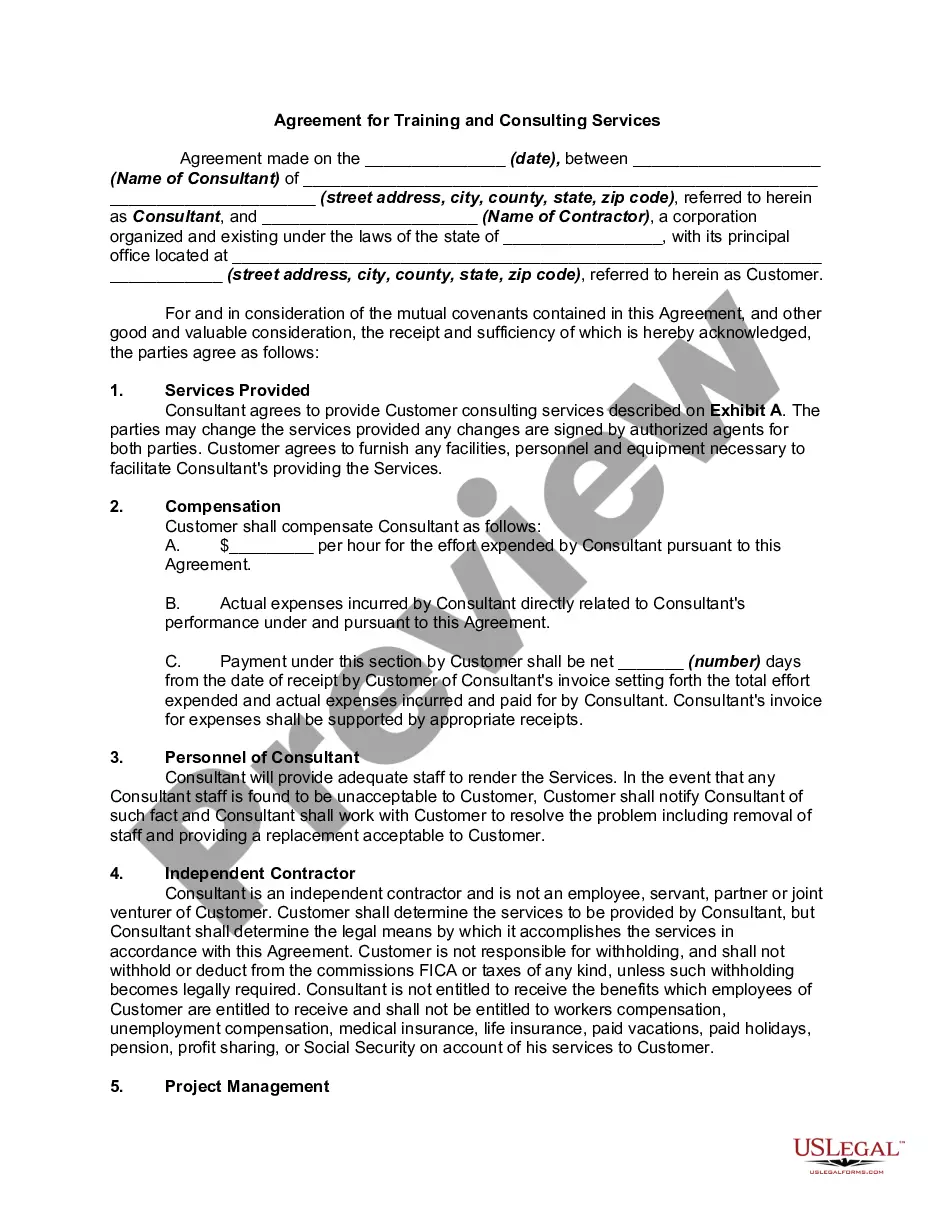
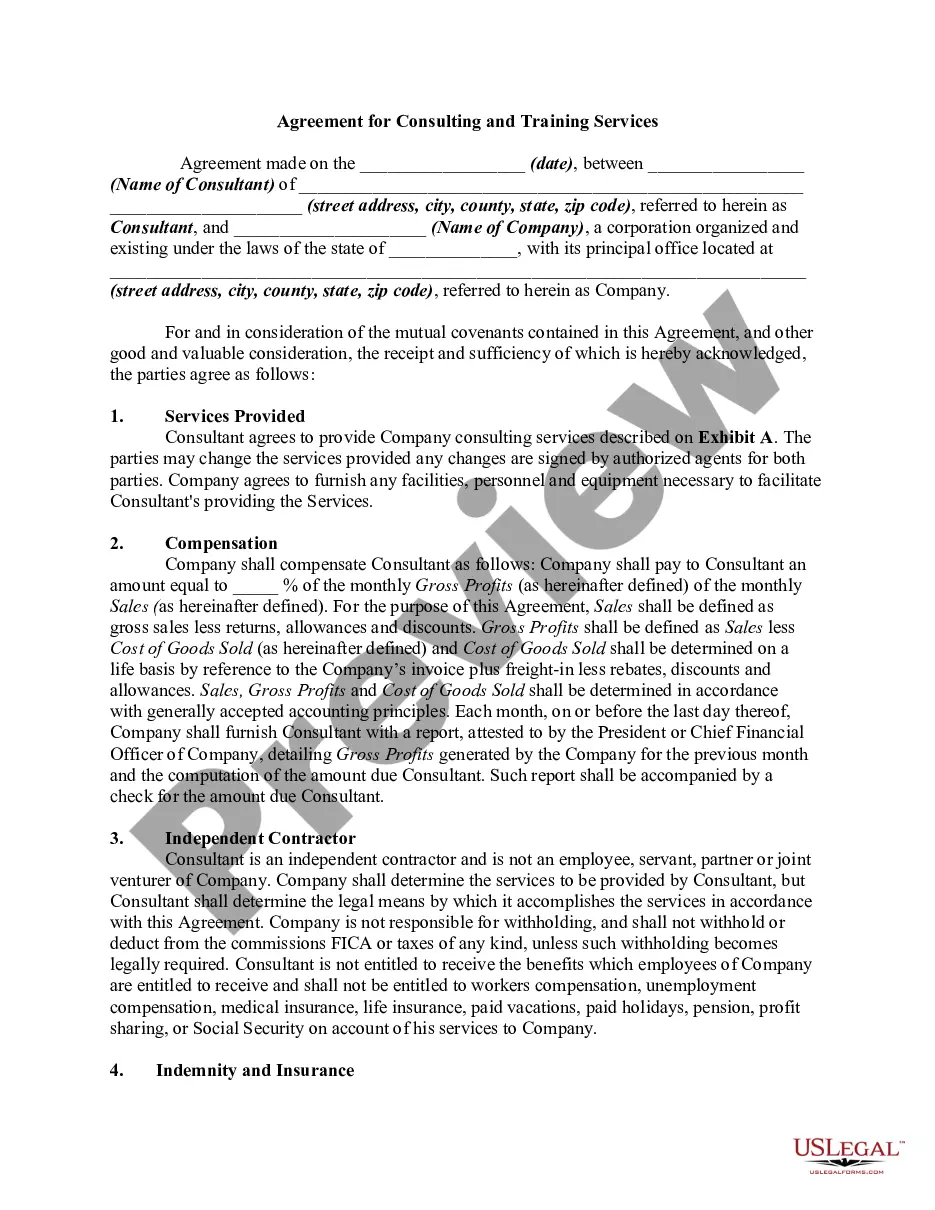
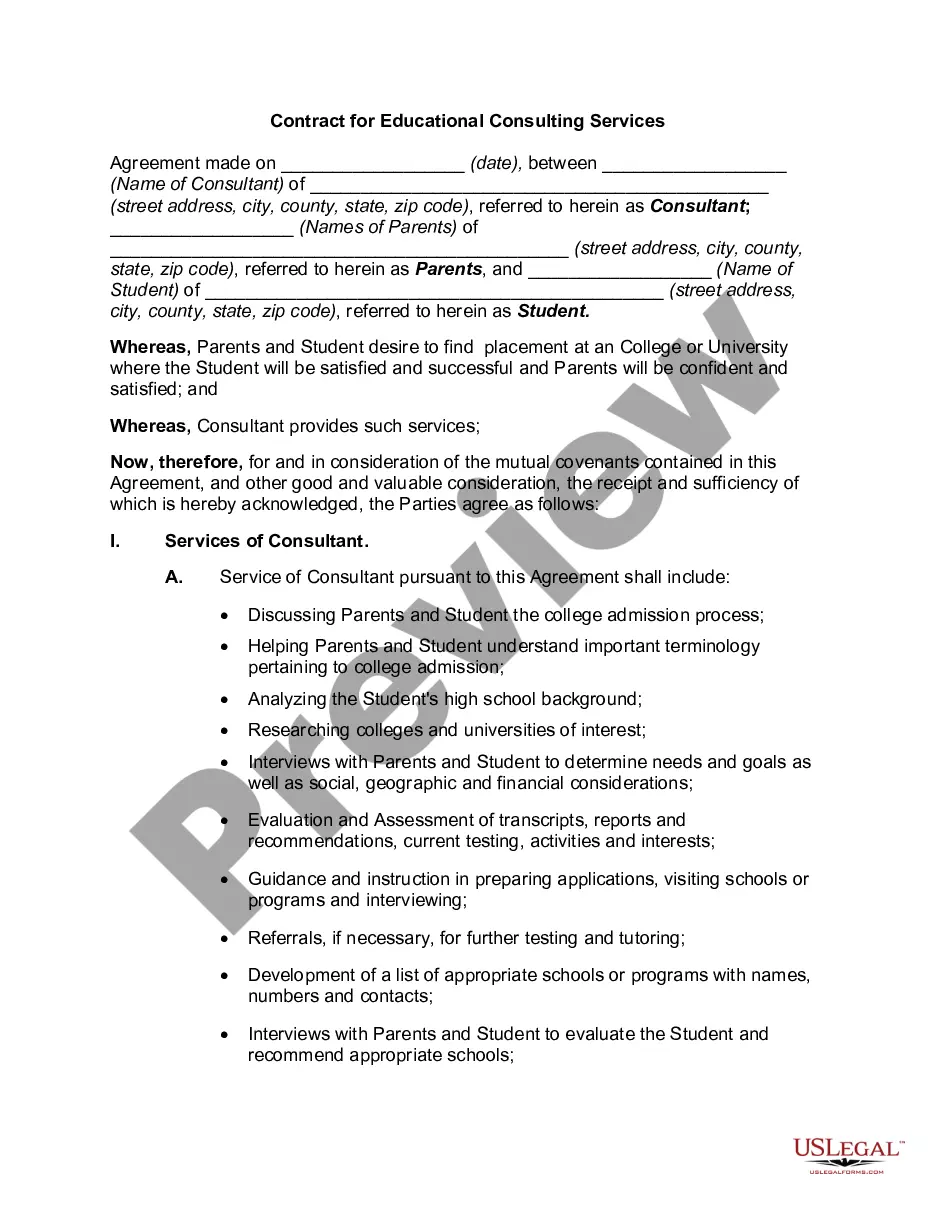
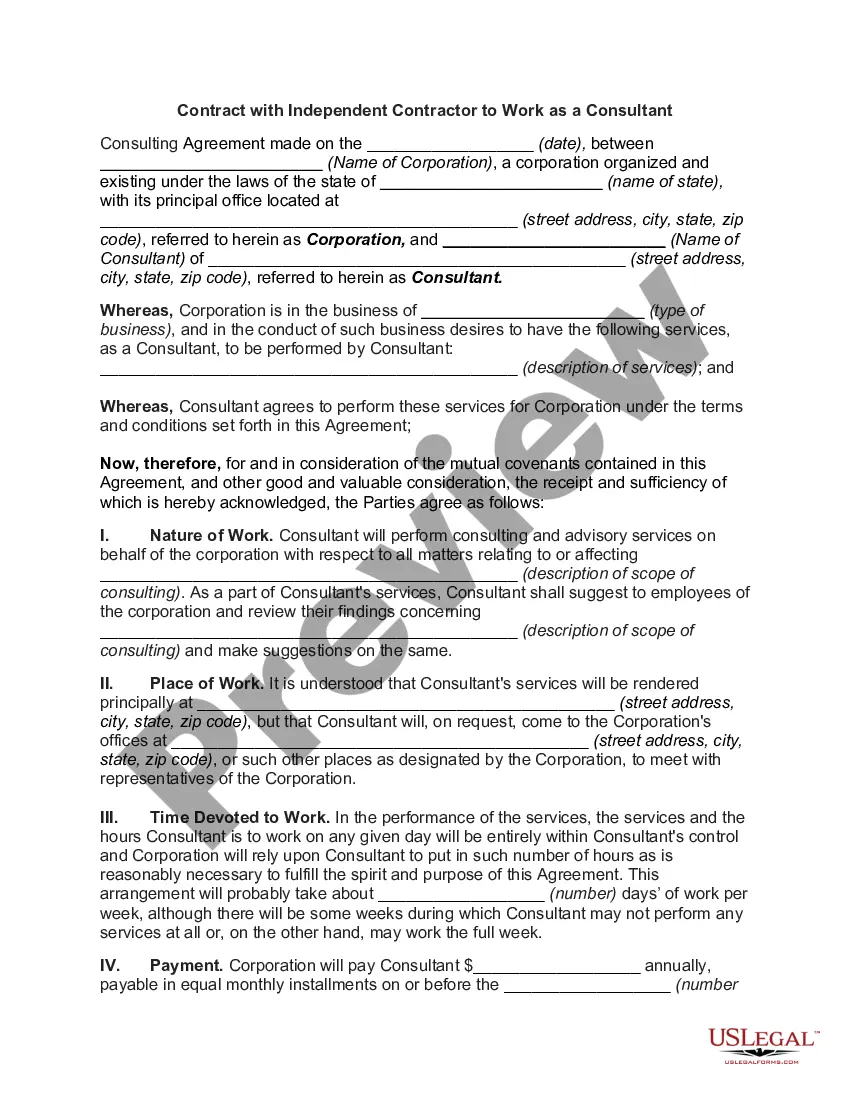
Get your form ready online
Our built-in tools help you complete, sign, share, and store your documents in one place.
Make edits, fill in missing information, and update formatting in US Legal Forms—just like you would in MS Word.
Download a copy, print it, send it by email, or mail it via USPS—whatever works best for your next step.
Sign and collect signatures with our SignNow integration. Send to multiple recipients, set reminders, and more. Go Premium to unlock E-Sign.
If this form requires notarization, complete it online through a secure video call—no need to meet a notary in person or wait for an appointment.
We protect your documents and personal data by following strict security and privacy standards.

Make edits, fill in missing information, and update formatting in US Legal Forms—just like you would in MS Word.

Download a copy, print it, send it by email, or mail it via USPS—whatever works best for your next step.

Sign and collect signatures with our SignNow integration. Send to multiple recipients, set reminders, and more. Go Premium to unlock E-Sign.

If this form requires notarization, complete it online through a secure video call—no need to meet a notary in person or wait for an appointment.

We protect your documents and personal data by following strict security and privacy standards.
Looking for another form?
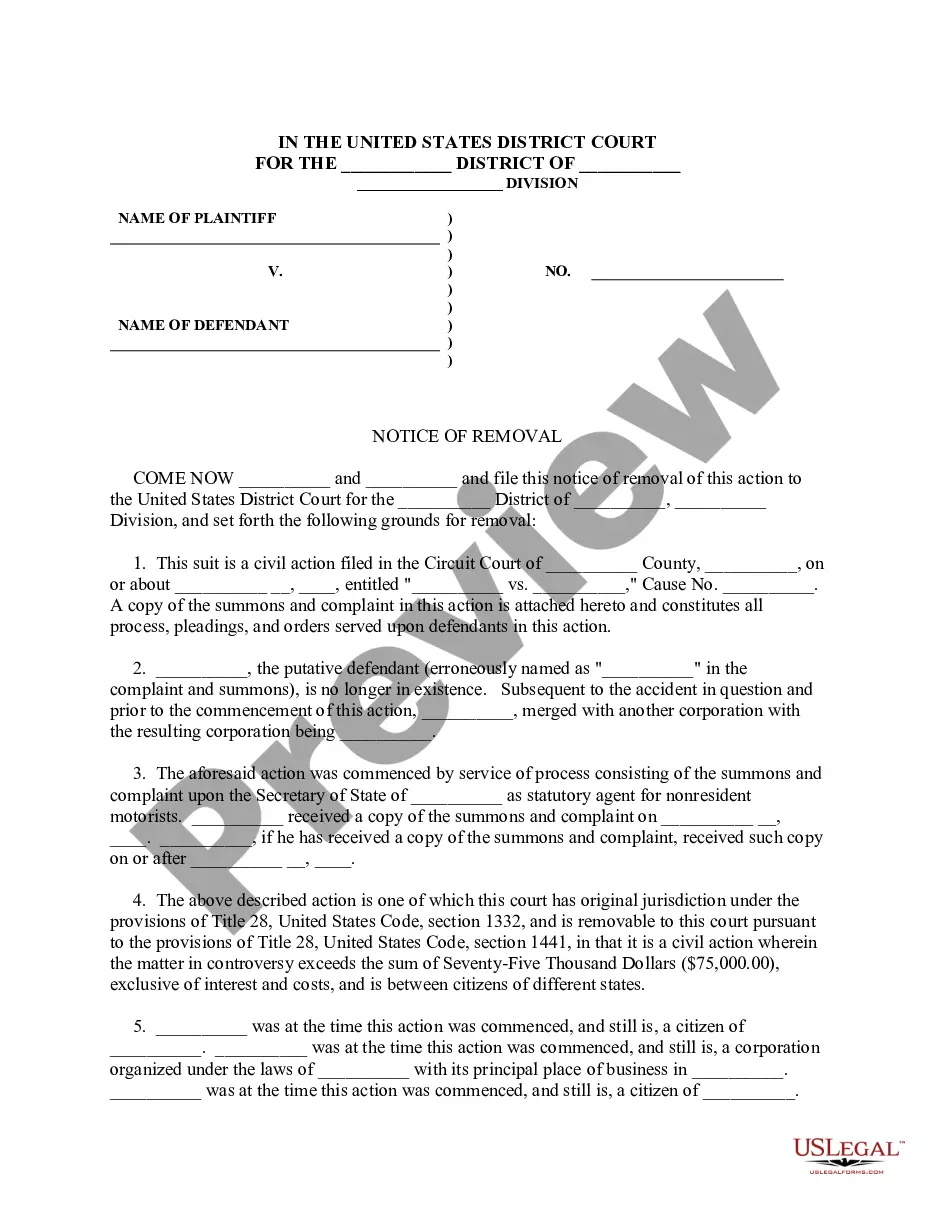


Form popularity
FAQ
Ten Top Law Schools College/UniversityInstitution TypeLocation Yale University Private, not-for-profit, 4-year New Haven, CT Stanford University Private, not-for-profit, 4-year Stanford, CA Columbia University Private, not-for-profit, 4-year New York, NY University of Chicago Private, not-for-profit, 4-year Chicago, IL6 more rows
Understanding these seven essential elements of a contract — offer, acceptance, consideration, legally competent parties, meeting of the minds, terms of the contract, and legality of purpose — will help you check whether any agreement you enter into is a strong, legally binding contract.
A fundamental term was one which was deemed to form the "core" of the contract. It was also asserted that performance of a fundamental term could not, unlike other contract terms, be avoided by means of an exemption clause.
There are three essential components of any contract: the offer, the acceptance, and the consideration. If all three of these characteristics aren't present, a document is not considered a contract.
Understanding these 5 elements of contract law—offer, acceptance, consideration, legal capacity, and lawful purpose—ensures that your agreements are legally binding and enforceable. This knowledge helps you navigate the complexities of contracts and avoid common pitfalls.
To that end, several key elements constitute contract formation; contract law is shaped by considerations of public policy, and parties involved, such as the offeror, must be aware of these legal principles. Those elements are offer, consideration, acceptance, and mutuality.
There are three essential components of any contract: the offer, the acceptance, and the consideration. If all three of these characteristics aren't present, a document is not considered a contract.
Under Attorney Rule of Professional Conduct 5.4, law firms are barred from offering ownership or other investment/revenue-sharing opportunities to non-lawyers.
What are the essential elements of a contract? There are seven essential elements an agreement must have to be considered a valid contract. The elements of a contract include identification, offer, acceptance, consideration, meeting of the minds, competency and capacity, and contract legality.
