Consultant Work Contract For Union Members In Oakland
Description

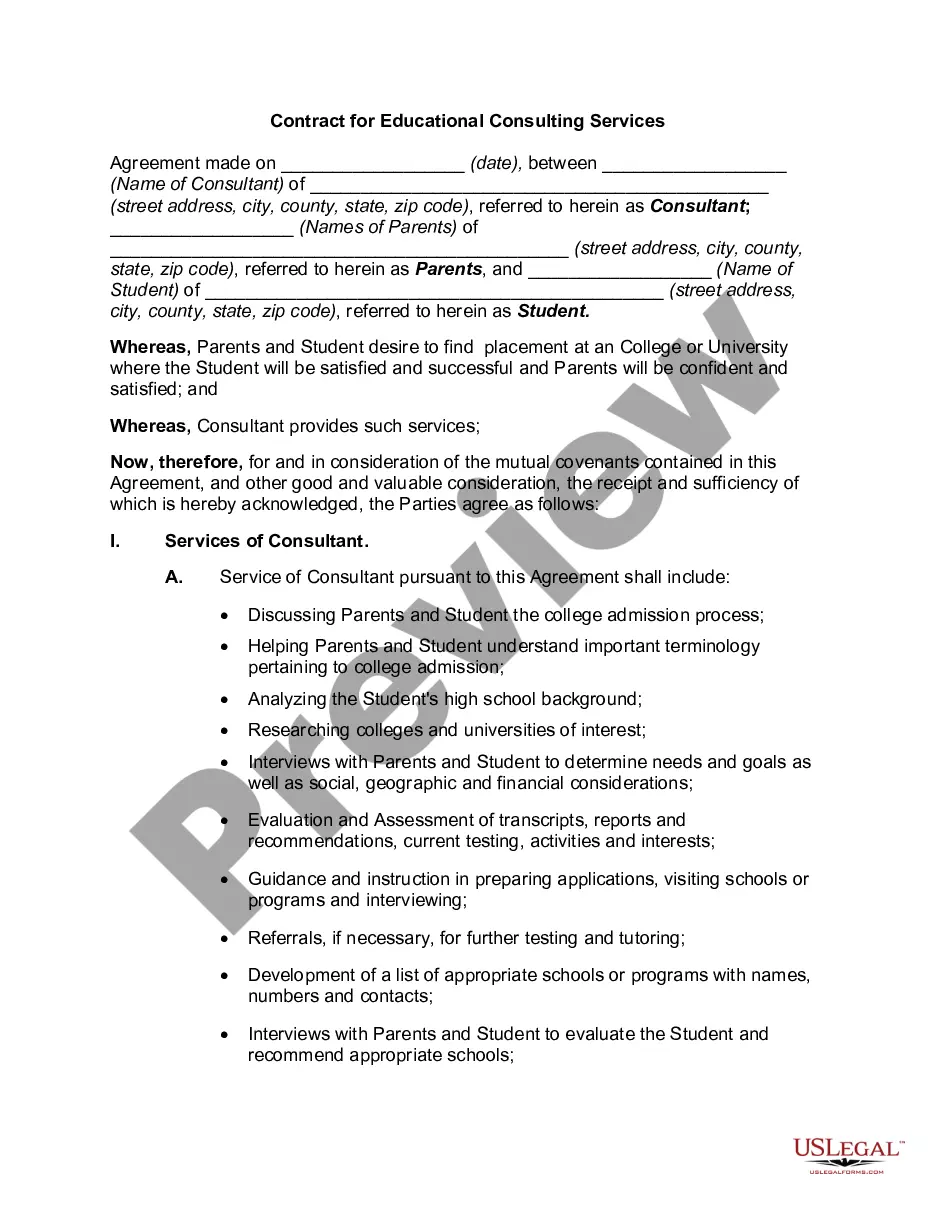
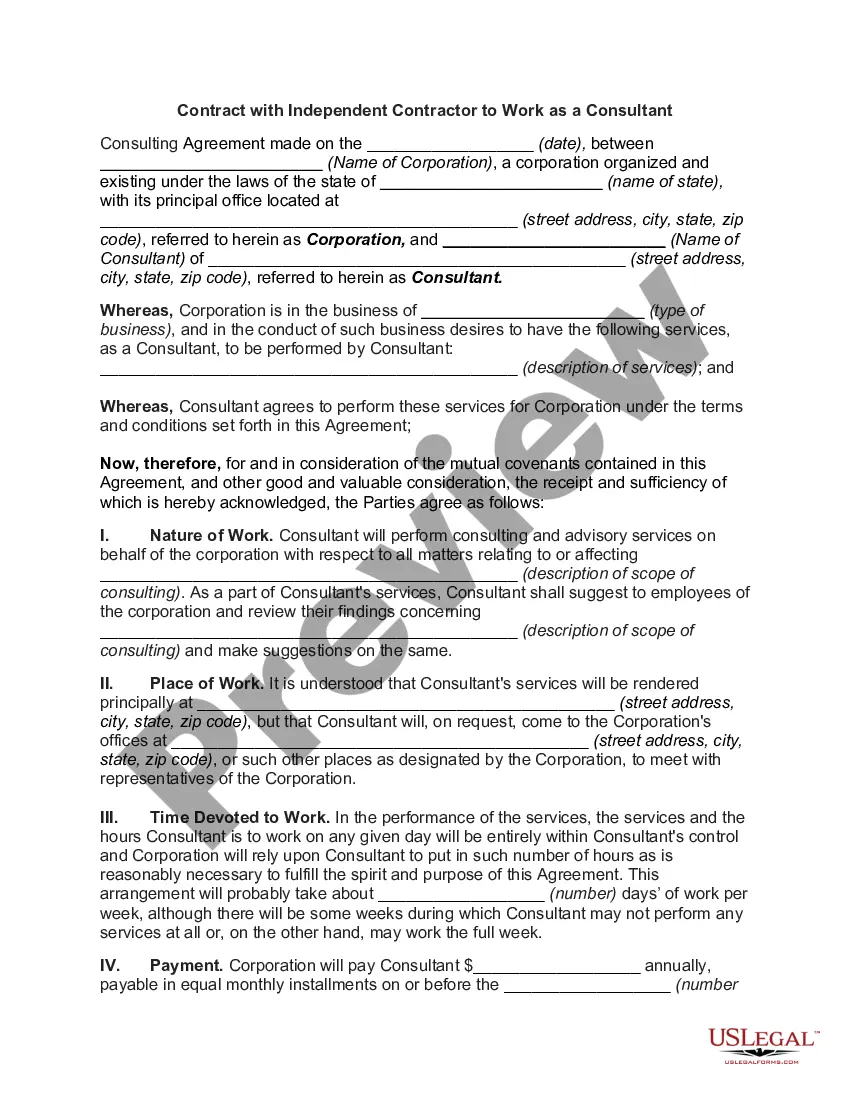
Get your form ready online
Our built-in tools help you complete, sign, share, and store your documents in one place.
Make edits, fill in missing information, and update formatting in US Legal Forms—just like you would in MS Word.
Download a copy, print it, send it by email, or mail it via USPS—whatever works best for your next step.
Sign and collect signatures with our SignNow integration. Send to multiple recipients, set reminders, and more. Go Premium to unlock E-Sign.
If this form requires notarization, complete it online through a secure video call—no need to meet a notary in person or wait for an appointment.
We protect your documents and personal data by following strict security and privacy standards.

Make edits, fill in missing information, and update formatting in US Legal Forms—just like you would in MS Word.

Download a copy, print it, send it by email, or mail it via USPS—whatever works best for your next step.

Sign and collect signatures with our SignNow integration. Send to multiple recipients, set reminders, and more. Go Premium to unlock E-Sign.

If this form requires notarization, complete it online through a secure video call—no need to meet a notary in person or wait for an appointment.

We protect your documents and personal data by following strict security and privacy standards.
Looking for another form?




Form popularity
FAQ
A collective bargaining agreement (CBA), also known as a union contract, is a written legal contract between an employer and a union representing employees. This agreement results from an extensive negotiation process covering essential topics such as wages, work hours and employment conditions.
When it comes to contract negotiations, the top three stakeholders in an organization are the legal, procurement, and sales teams. The legal team holds the pen and writes the language within the contract. They're responsible for ensuring the contract meets all legal requirements.
It depends on the union, the local and the company typically. As others mentioned the bargaining committee should be made up primarily of members from the shop. The E board of the local is usually part of that but not all of the committee. Staff reps and lawyers are there to support and sometimes lead at the table.
It depends on the union, the local and the company typically. As others mentioned the bargaining committee should be made up primarily of members from the shop. The E board of the local is usually part of that but not all of the committee.
Collective bargaining is a process through which the union and employer exchange proposals, share ideas, mutually solve problems, and reach a written agreement.
A collective bargaining agreement (CBA), also known as a union contract, is a written legal contract between an employer and a union representing employees. This agreement results from an extensive negotiation process covering essential topics such as wages, work hours and employment conditions.
A collective bargaining agreement (CBA), also known as a union contract, is a written legal contract between an employer and a union representing employees. This agreement results from an extensive negotiation process covering essential topics such as wages, work hours and employment conditions.
Generally, union contracts last anywhere from two to five years — around when the contract ends, you and your employer come together to bargain over updates and changes to your existing contract through the same bargaining process we do when we make a first contract.
A contract generally includes information about the rights and responsibilities of the parties involved, the expectations between those parties, payment arrangements, how many parties are involved, and more. These details are essential if you want to maximize efficiency and profit.
Generally, union contracts last anywhere from two to five years — around when the contract ends, you and your employer come together to bargain over updates and changes to your existing contract through the same bargaining process we do when we make a first contract.
