Consultant Work Contract For Construction In Minnesota
Description

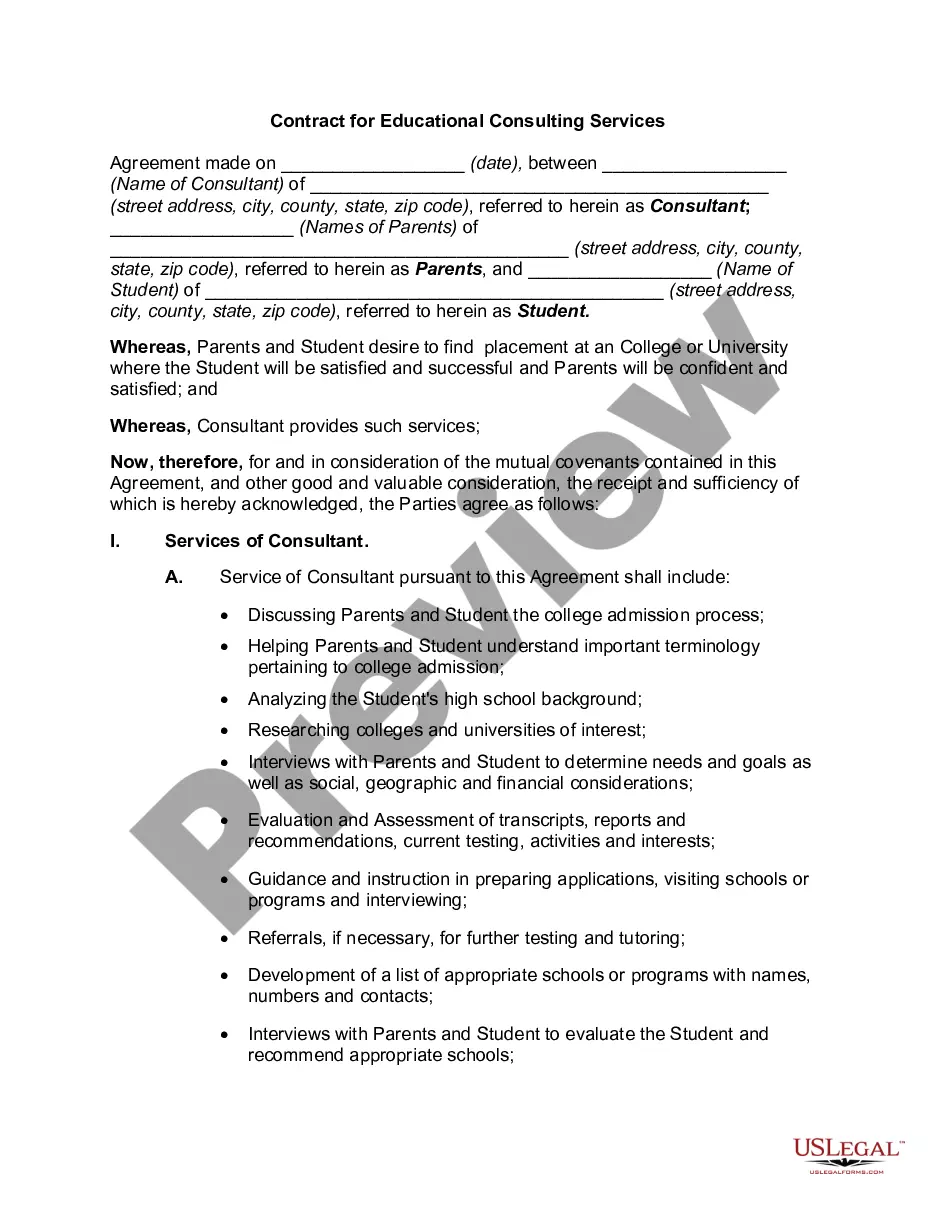
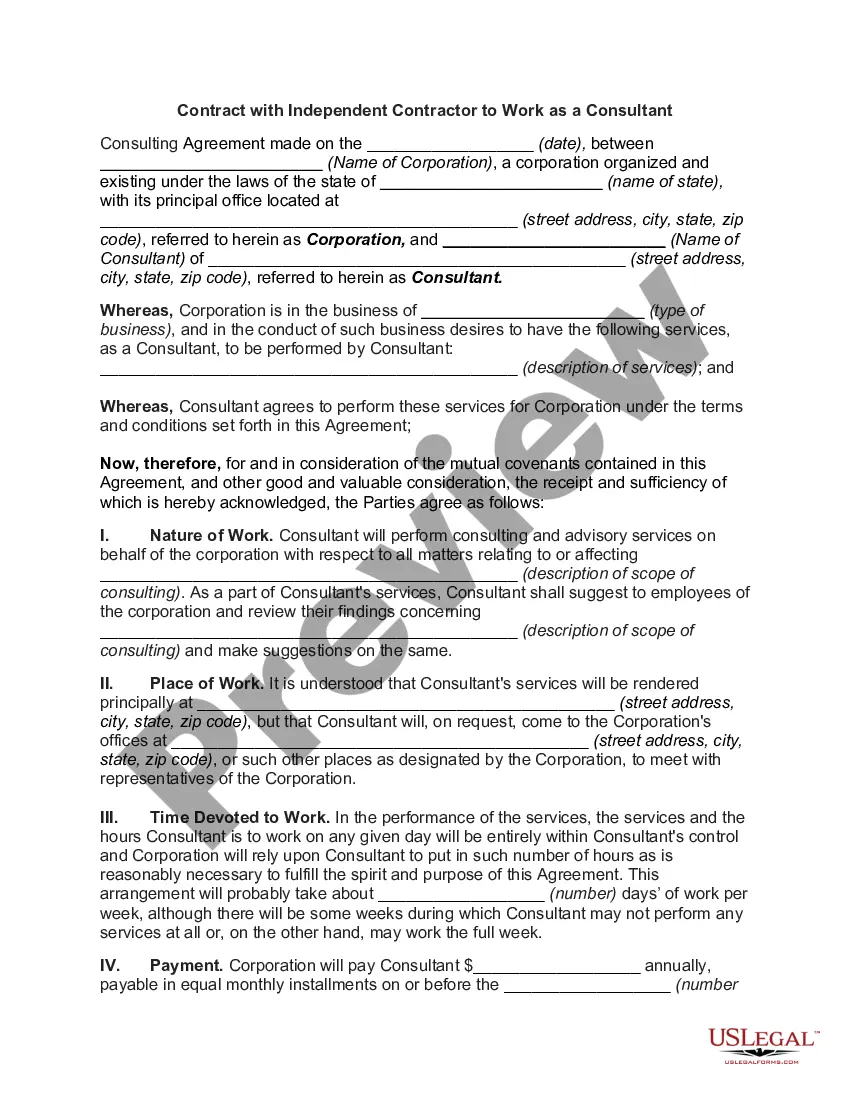
Get your form ready online
Our built-in tools help you complete, sign, share, and store your documents in one place.
Make edits, fill in missing information, and update formatting in US Legal Forms—just like you would in MS Word.
Download a copy, print it, send it by email, or mail it via USPS—whatever works best for your next step.
Sign and collect signatures with our SignNow integration. Send to multiple recipients, set reminders, and more. Go Premium to unlock E-Sign.
If this form requires notarization, complete it online through a secure video call—no need to meet a notary in person or wait for an appointment.
We protect your documents and personal data by following strict security and privacy standards.

Make edits, fill in missing information, and update formatting in US Legal Forms—just like you would in MS Word.

Download a copy, print it, send it by email, or mail it via USPS—whatever works best for your next step.

Sign and collect signatures with our SignNow integration. Send to multiple recipients, set reminders, and more. Go Premium to unlock E-Sign.

If this form requires notarization, complete it online through a secure video call—no need to meet a notary in person or wait for an appointment.

We protect your documents and personal data by following strict security and privacy standards.
Looking for another form?


Form popularity
FAQ
If you only provide handyman services in one specialty area, such as exclusively focusing on drywall and interior painting, you wouldn't need a license even if you make more than $15,000 a year.
The exam consists of 110 multiple choice questions and a score of 70% or higher is required to pass. Roughly 60% of the exam questions relate to the provisions of the Minnesota Residential Building Code and the rest relate to the statutes and rules governing the various aspects of the residential construction industry.
If your project has a well-defined scope of work, a lump sum contract is a straightforward solution since contractors should be able to accurately estimate costs. If the project scope is unclear, contractors can bid with time and materials contracts to mitigate risk.
Who does not need a contractor license? Residential building contractors whose gross annual receipts from their residential activities are less than $15,000 and have a Certificate of Exemption.
Licenses are required for all residential building contractors and remodelers in Minnesota who contract with a homeowner to construct or improve dwellings by offering more than one special skill.
A contractor who provides services in more than one special skill area must be licensed. Specialty contractors who provide only one special skill are not required to have a state license (except residential roofers).
You can verify if a contractor is licensed by calling the Minnesota Department of Labor and Industry at 651-284-5065.
10 Different Types of Contracts Type of ContractEveryday Use Implied Contracts Common in everyday transactions like dining out. Express Contracts Standard in formal business agreements. Simple Contracts Used for straightforward services or transactions. Unconscionable Contracts Often challenged in court for fairness.10 more rows •
The 'main contract' is generally that which is awarded by the client (sometimes referred to as the employer) to the general contractor, or main contractor, whose tender has been accepted.
How To Write A Construction Contract With 7 Steps Step 1: Define the Parties Involved. Step 2: Outline the Scope of Work. Step 3: Establish the Timeline. Step 4: Determine the Payment Terms. Step 5: Include Necessary Legal Clauses. Step 6: Address Change Orders and Modifications. Step 7: Sign and Execute the Contract.
