Training Contract For 2023 In Middlesex
Description

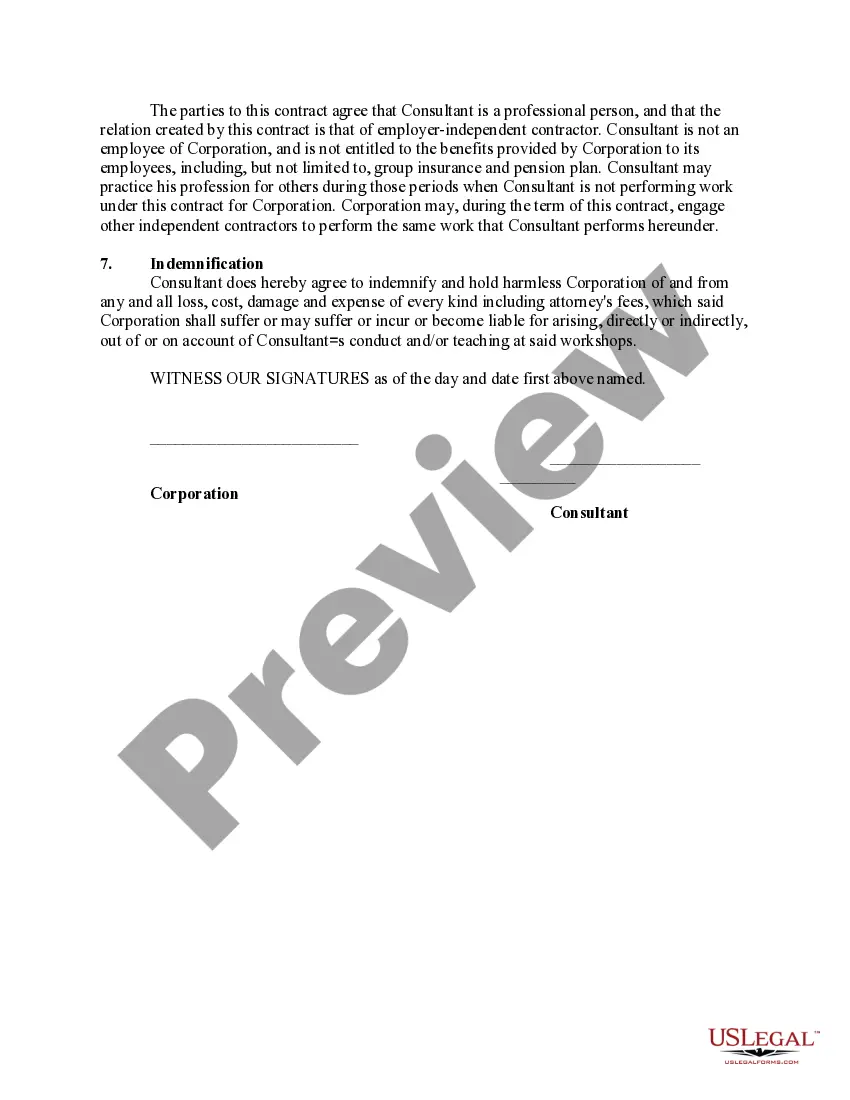
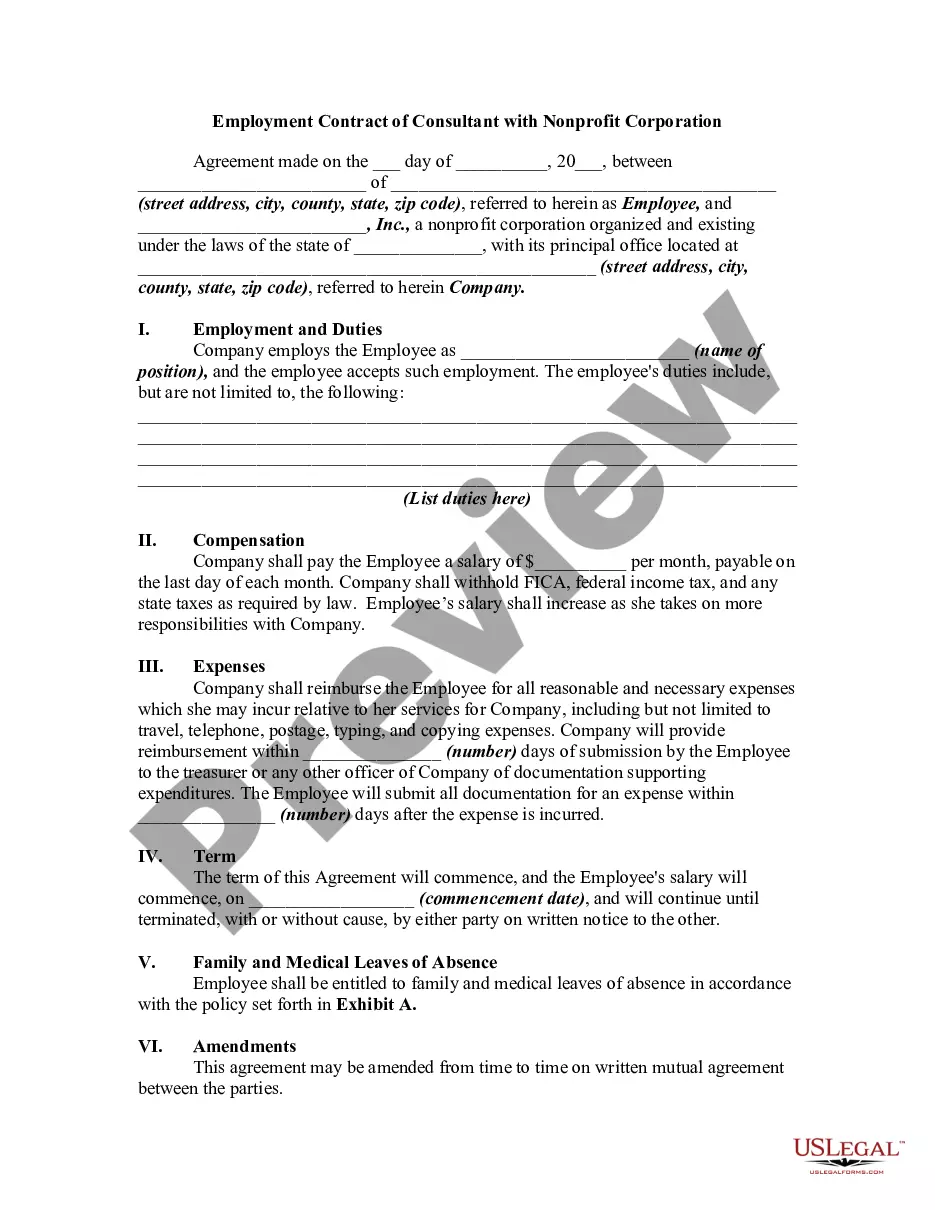
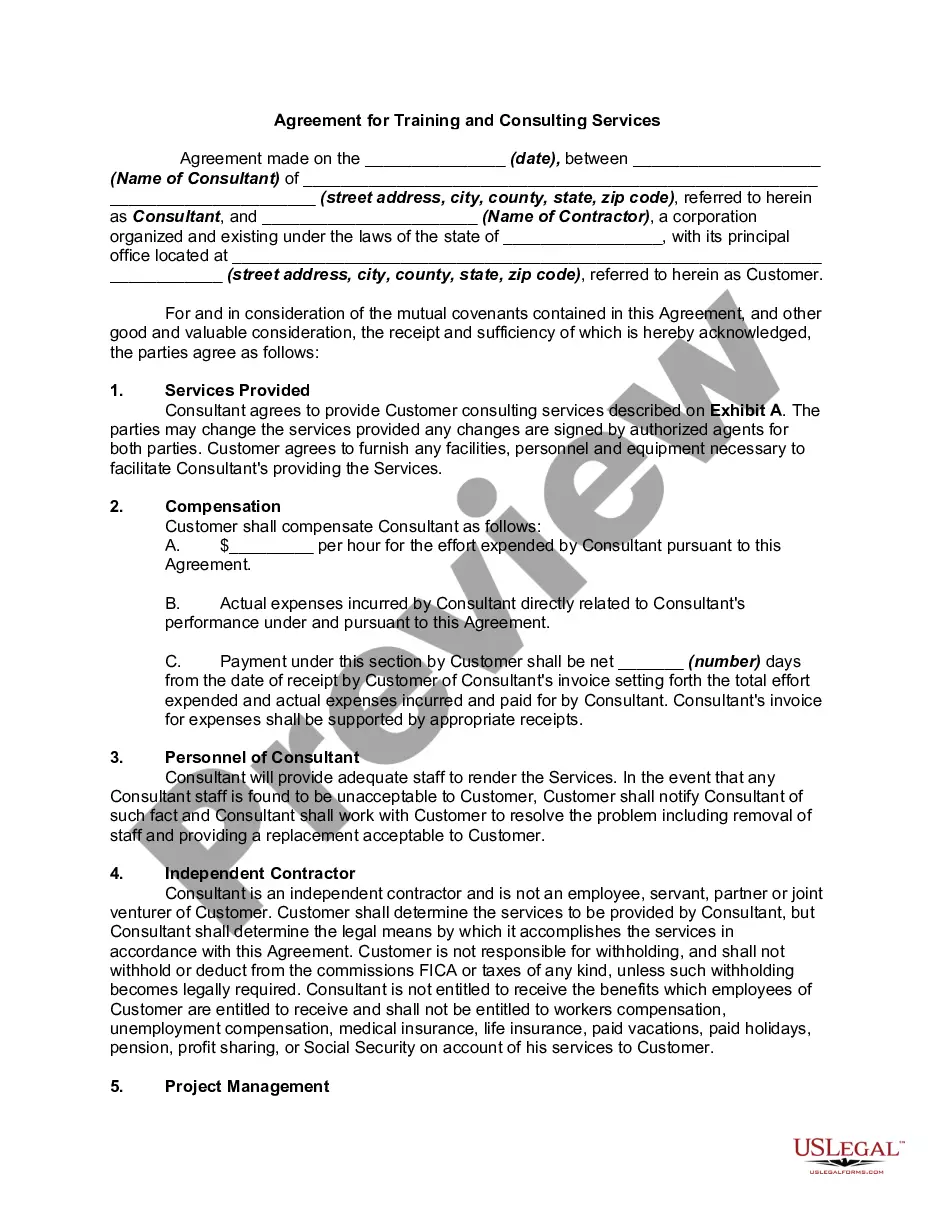
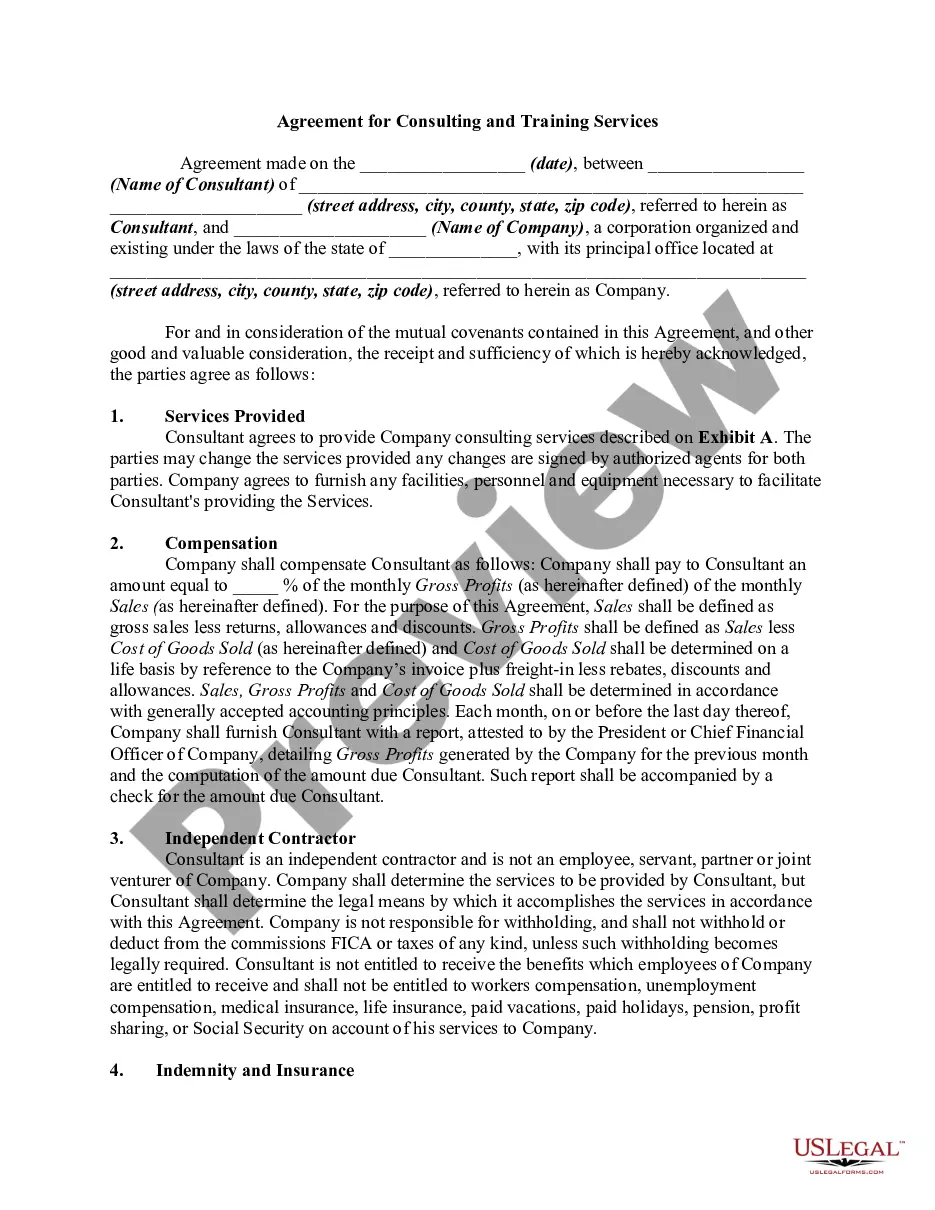
Get your form ready online
Our built-in tools help you complete, sign, share, and store your documents in one place.
Make edits, fill in missing information, and update formatting in US Legal Forms—just like you would in MS Word.
Download a copy, print it, send it by email, or mail it via USPS—whatever works best for your next step.
Sign and collect signatures with our SignNow integration. Send to multiple recipients, set reminders, and more. Go Premium to unlock E-Sign.
If this form requires notarization, complete it online through a secure video call—no need to meet a notary in person or wait for an appointment.
We protect your documents and personal data by following strict security and privacy standards.

Make edits, fill in missing information, and update formatting in US Legal Forms—just like you would in MS Word.

Download a copy, print it, send it by email, or mail it via USPS—whatever works best for your next step.

Sign and collect signatures with our SignNow integration. Send to multiple recipients, set reminders, and more. Go Premium to unlock E-Sign.

If this form requires notarization, complete it online through a secure video call—no need to meet a notary in person or wait for an appointment.

We protect your documents and personal data by following strict security and privacy standards.
Looking for another form?







Form popularity
FAQ
The traditional route is to get a law degree or a related degree, take the LPC – by 2032, the LPC will be completely phased out – and the SQE if you have a non-law degree. After the SQE you'll need to get a TC at a law firm, preferably one with a strong showing in contract law.
However, there are ways to show this without completing a vacation scheme. You can show your dedication to law by completing legal work experience, for instance, by shadowing a qualified lawyer or getting involved in pro bono work. If you're at university, your university might have a mooting society.
Yes, but any offer will depend on the firm successfully obtaining a work permit for you. If you are successful in securing a training contract, Debevoise will offer assistance to obtain the necessary work permits and visas.
Although the training contract placements and application counts vary between each firm, the success rate for each firm is almost always between 1%-3%. This is clear when you divide the number of places by the number of applicants per each firm. Now, this is a lot to take in, and in abstraction it may mean very little.
Most UK training contracts Orrick. Fried Frank. King & Spalding. Payne Hicks Beach. Wiggin. Haynes and Boone. Katten. Winston & Strawn.
Ing to a study by Chambers Student, 27.1% of lawyers at Magic Circle and other large London firms completed their undergraduate degrees at Oxford or Cambridge7. Advantages: Exceptional resources, alumni networks, and a high level of recruitment by leading firms.
The legal profession is really competitive in the UK as there are so many pathways to entry and many foreign students/qualified lawyers want to practice in the UK.
Yes. If you are a 'Swiss lawyer' you may practise in England and Wales on a permanent basis under your home professional title, provided that you were already registered as an REL with us, and maintain that registration. You will continue to be regulated by us and you must comply with our Standards and Regulations.
