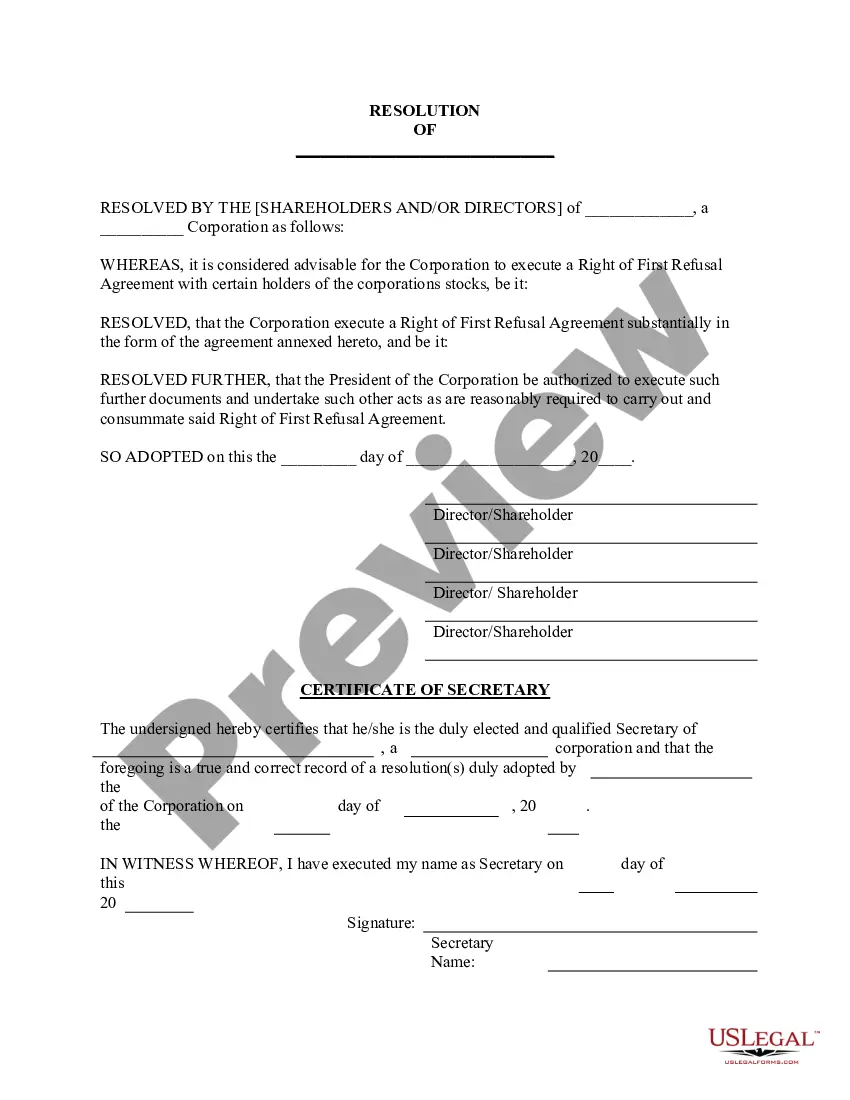
Training Contract For Barrister In Mecklenburg
Description

Get your form ready online
Our built-in tools help you complete, sign, share, and store your documents in one place.
Make edits, fill in missing information, and update formatting in US Legal Forms—just like you would in MS Word.
Download a copy, print it, send it by email, or mail it via USPS—whatever works best for your next step.
Sign and collect signatures with our SignNow integration. Send to multiple recipients, set reminders, and more. Go Premium to unlock E-Sign.
If this form requires notarization, complete it online through a secure video call—no need to meet a notary in person or wait for an appointment.
We protect your documents and personal data by following strict security and privacy standards.

Make edits, fill in missing information, and update formatting in US Legal Forms—just like you would in MS Word.

Download a copy, print it, send it by email, or mail it via USPS—whatever works best for your next step.

Sign and collect signatures with our SignNow integration. Send to multiple recipients, set reminders, and more. Go Premium to unlock E-Sign.

If this form requires notarization, complete it online through a secure video call—no need to meet a notary in person or wait for an appointment.

We protect your documents and personal data by following strict security and privacy standards.
Looking for another form?
Form popularity
FAQ
Although the training contract placements and application counts vary between each firm, the success rate for each firm is almost always between 1%-3%.
How to make your training contract applications stand out Think about what makes you, uniquely you. Be ruthless -- edit or delete any generic statements. Mention your previous interactions with the firm, no matter how small. Deploy all your hard work on building commercial awareness.
Most UK training contracts Orrick. Fried Frank. King & Spalding. Payne Hicks Beach. Wiggin. Haynes and Boone. Katten. Winston & Strawn.
Trainee Blog: What makes a standout trainee? We ask our supervisors... Attitude. Entering a team with a positive attitude to get stuck into the work at hand and showing a willingness to learn is key. Being Proactive. Confidence. Attention to detail. Organisation.
This article provides you with a step-by-step guide on how to write such a cover letter: Explain why you're writing. Introduce yourself to the recipient. Explain why you're applying to that firm. Explain why they should select you. Conclude your cover letter. Proofread your cover letter.
10 top tips on how to secure a training contract Make sure you're well-rounded. Get a good mark in first year. Apply for first year schemes. Attend networking events. Apply for vacation schemes. Don't apply for too many vacation schemes. Keep up to date with commercial events. Enjoy your vacation scheme.
Self-employed barristers with more than ten years' experience earn between £100,000 to £300,000 depending on their area of practice. A small percentage of barristers at the top end of the profession earn between £500,000 to £1million.
Qualified Foreign Lawyers from another jurisdiction who want to practise in England and Wales as barristers are required to submit an application to the Bar Standards Board (BSB). This application provides evidence of their legal qualifications.
Entry to the Bar is exceptionally competitive so you'll need at least a 2.2 in your undergraduate degree (if not better) to be considered. You will need as much relevant work experience as possible before you submit an application.
Becoming a barrister in England is a challenging process that requires several years of study and practical training. First, one must obtain an undergraduate degree, followed by a one-year Bar Course and a one-year pupillage, or apprenticeship with a practicing barrister.