Consultant Contract Under Foreign Trade In Houston
Description

Get your form ready online
Our built-in tools help you complete, sign, share, and store your documents in one place.
Make edits, fill in missing information, and update formatting in US Legal Forms—just like you would in MS Word.
Download a copy, print it, send it by email, or mail it via USPS—whatever works best for your next step.
Sign and collect signatures with our SignNow integration. Send to multiple recipients, set reminders, and more. Go Premium to unlock E-Sign.
If this form requires notarization, complete it online through a secure video call—no need to meet a notary in person or wait for an appointment.
We protect your documents and personal data by following strict security and privacy standards.
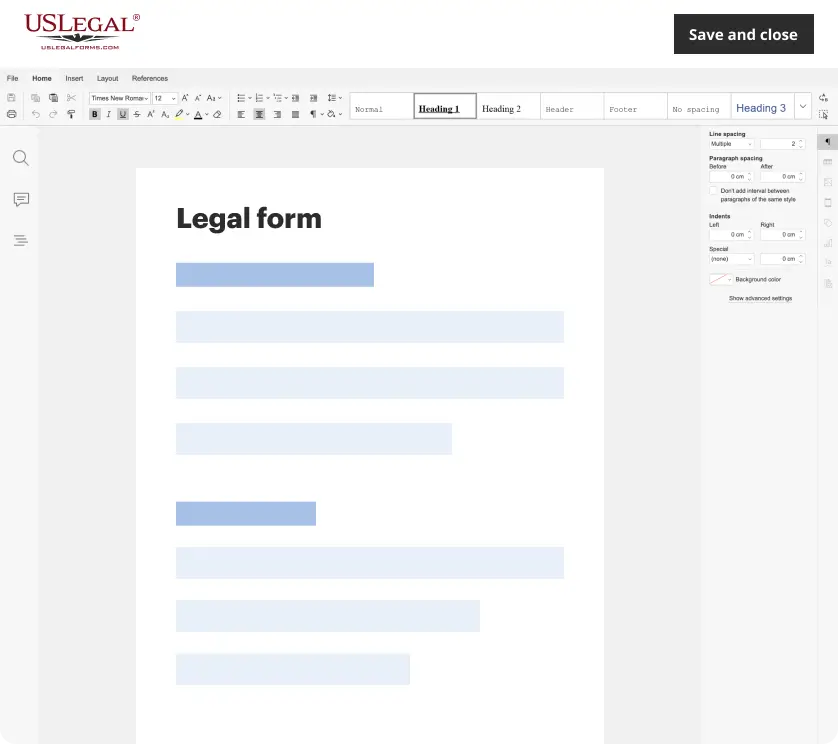
Make edits, fill in missing information, and update formatting in US Legal Forms—just like you would in MS Word.
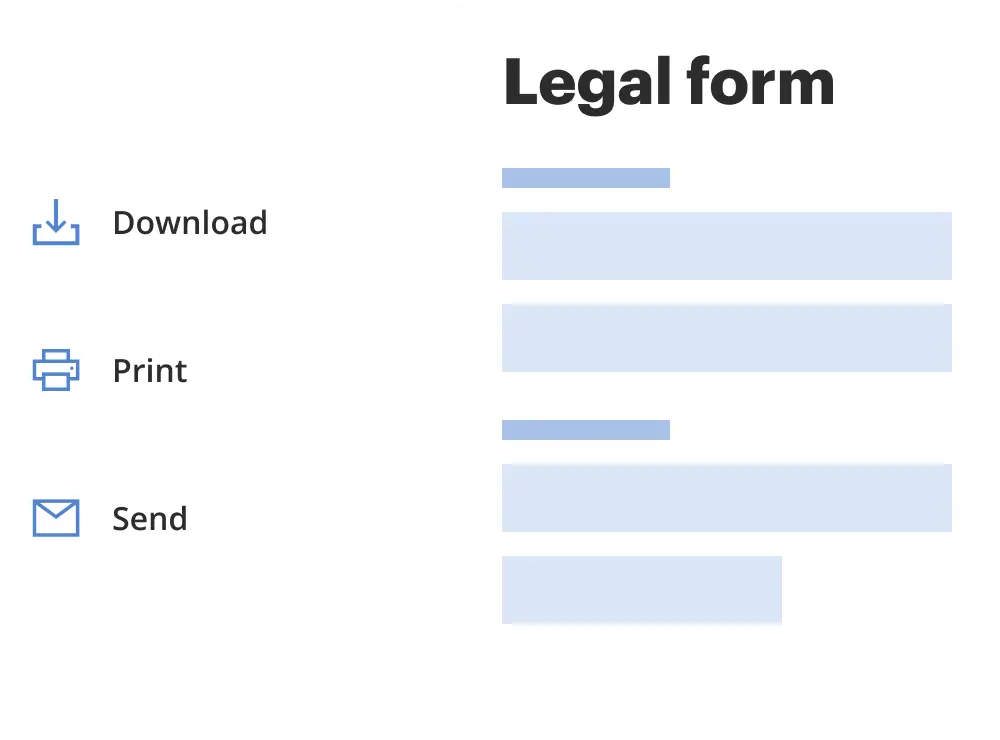
Download a copy, print it, send it by email, or mail it via USPS—whatever works best for your next step.
Sign and collect signatures with our SignNow integration. Send to multiple recipients, set reminders, and more. Go Premium to unlock E-Sign.

If this form requires notarization, complete it online through a secure video call—no need to meet a notary in person or wait for an appointment.
We protect your documents and personal data by following strict security and privacy standards.
Looking for another form?






Form popularity
FAQ
To become an international trader, you need to have a variety of qualifications and skills. Most employers seek traders who have at least a bachelor's degree in finance, economics, logistics, or business administration, although several years of experience in the import/export business can make up for lack of a degree.
A Foreign Trade Consultant is responsible for advising companies on international trade regulations, market entry strategies, and foreign market opportunities.
How to become an international trade specialist Earn a bachelor's degree. Consider pursuing a master's degree. Complete an internship. Become certified. Gain relevant industry experience. Analytical skills. Written and verbal communication. Cross cultural communication.
To work as a consultant, you'll need at least a bachelor's degree or equivalent. Many universities are offering international development programs, but you can also get a degree in business, economics, international relations, or a related field.
Start by identifying markets with high demand for your products using market research tools and trade statistics. Attend international trade fairs and exhibitions to connect with potential buyers and learn about new markets. Utilize government resources and export promotion councils for insights and support.
Bachelor of Arts in Global Trade Management – classic/cooperative. The Bachelor's degree program Global Trade Management (formerly International Business Administration and Foreign Trade (BA)) is a business administration degree program with a focus on international and especially foreign trade related aspects.
Seven steps to creating a successful international business Ask if your business is ready. Determine your target market. Don't skip market research. Choose your route to market. Understand the legal and tax issues. Start marketing. Anticipate logistical challenges.
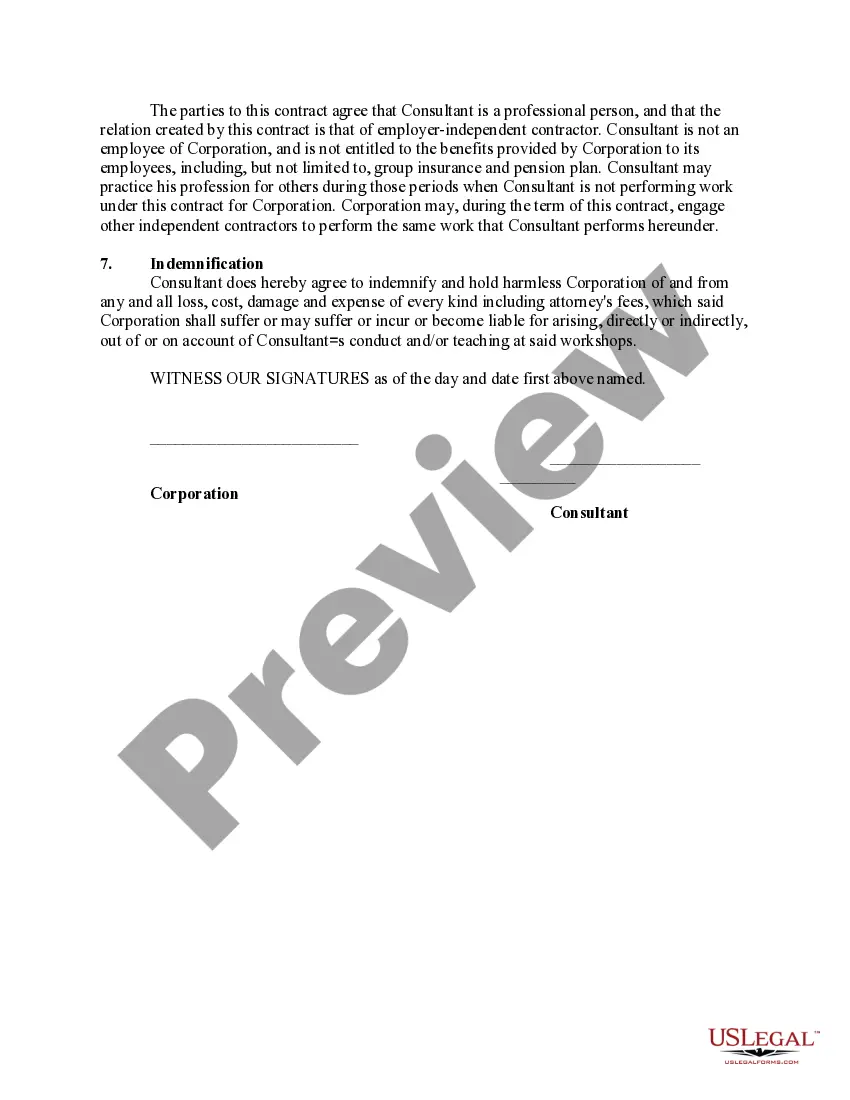
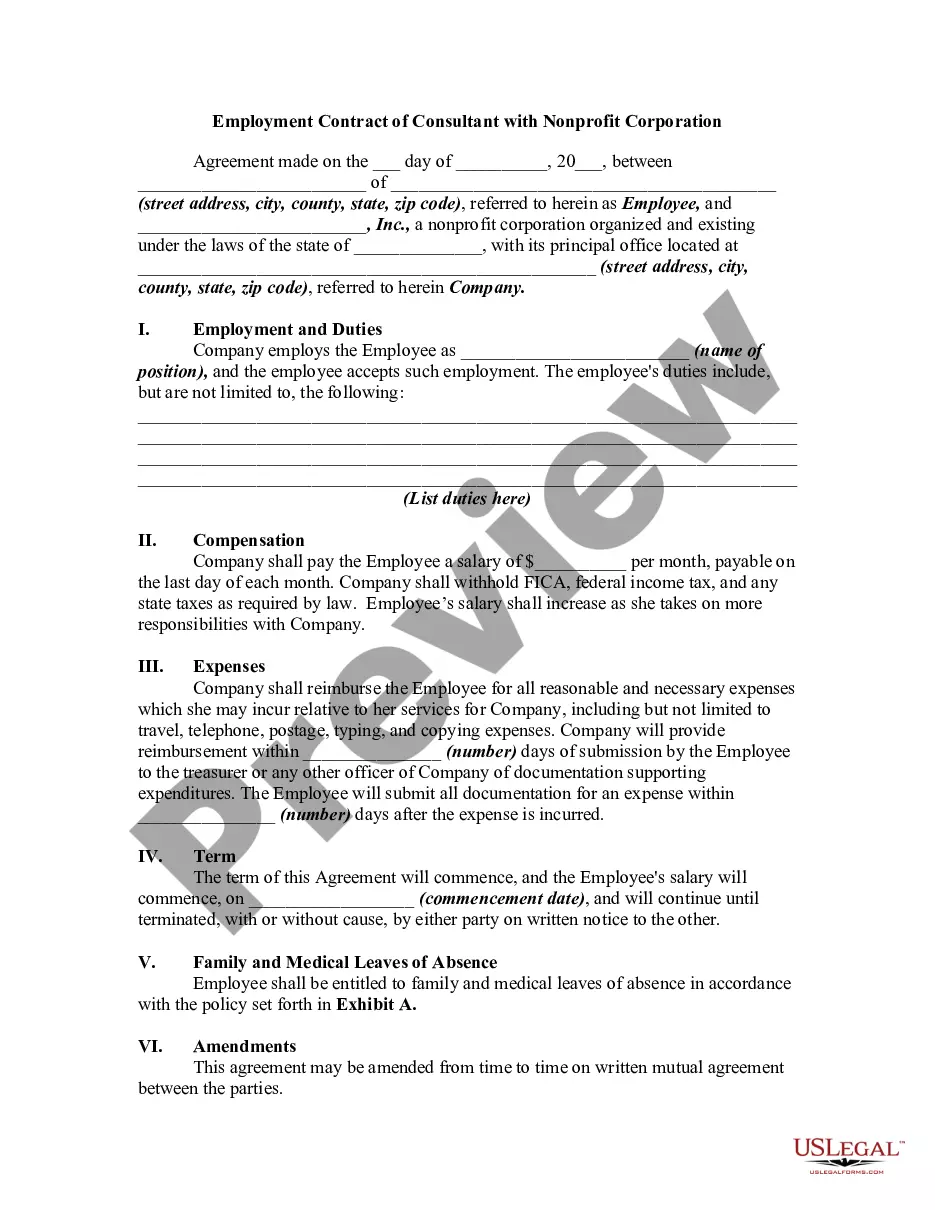
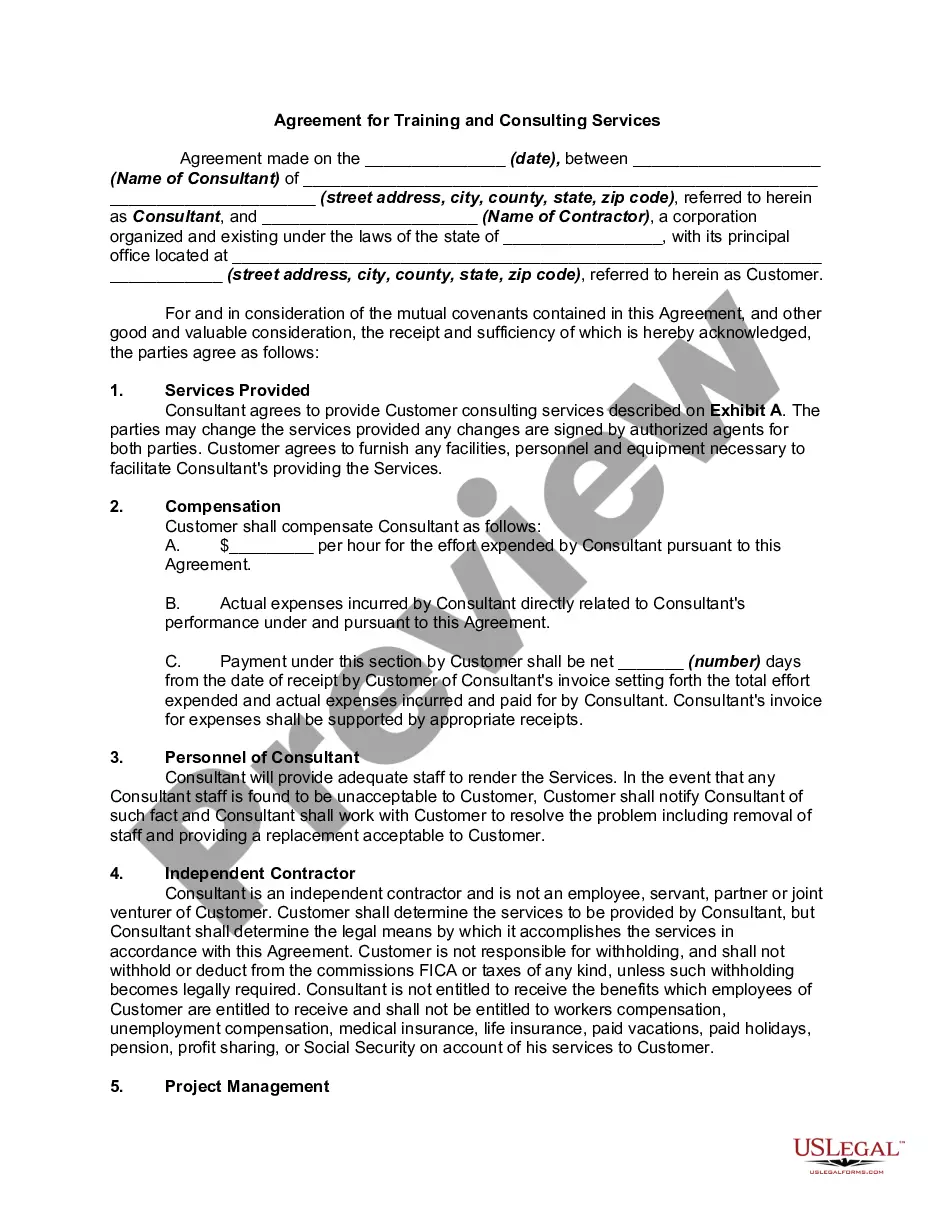
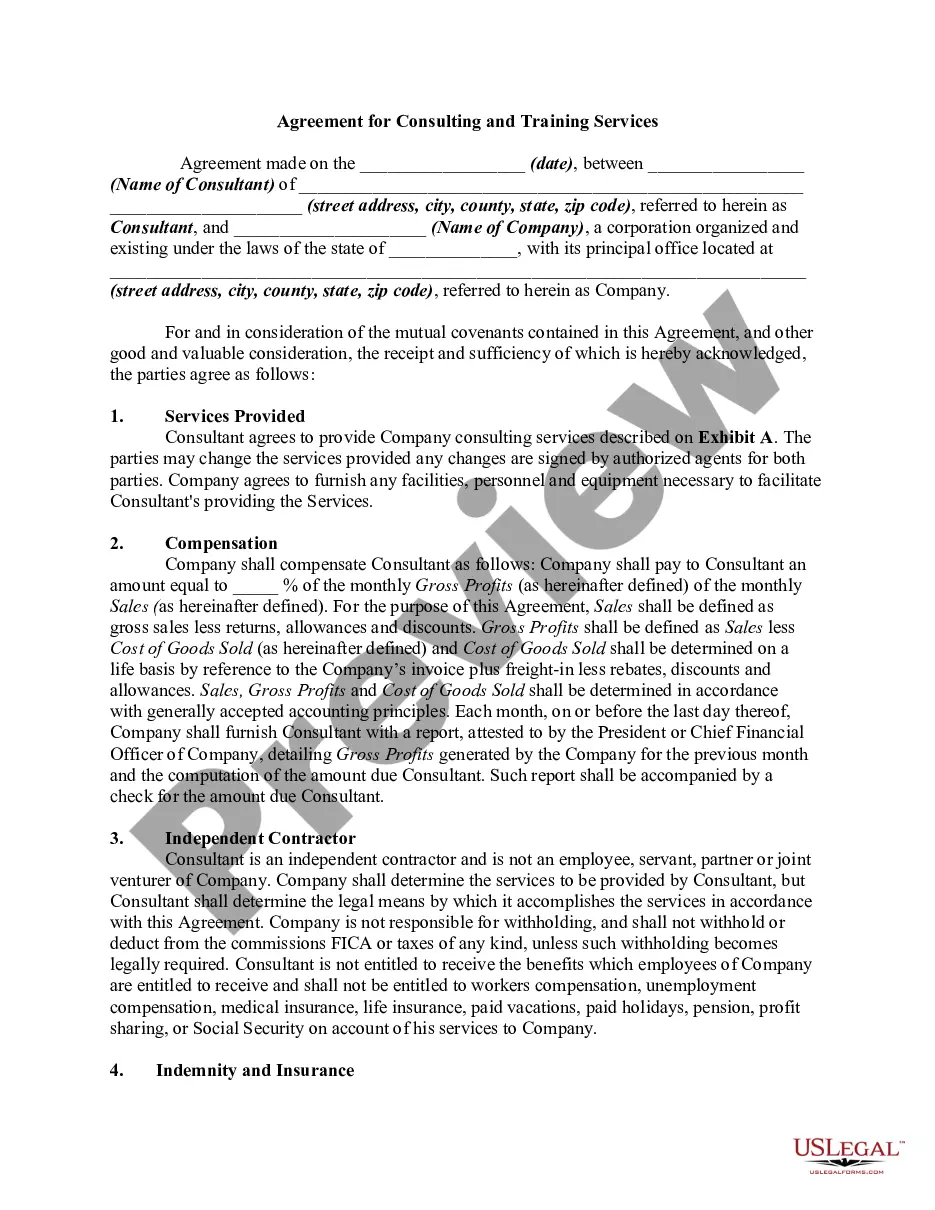
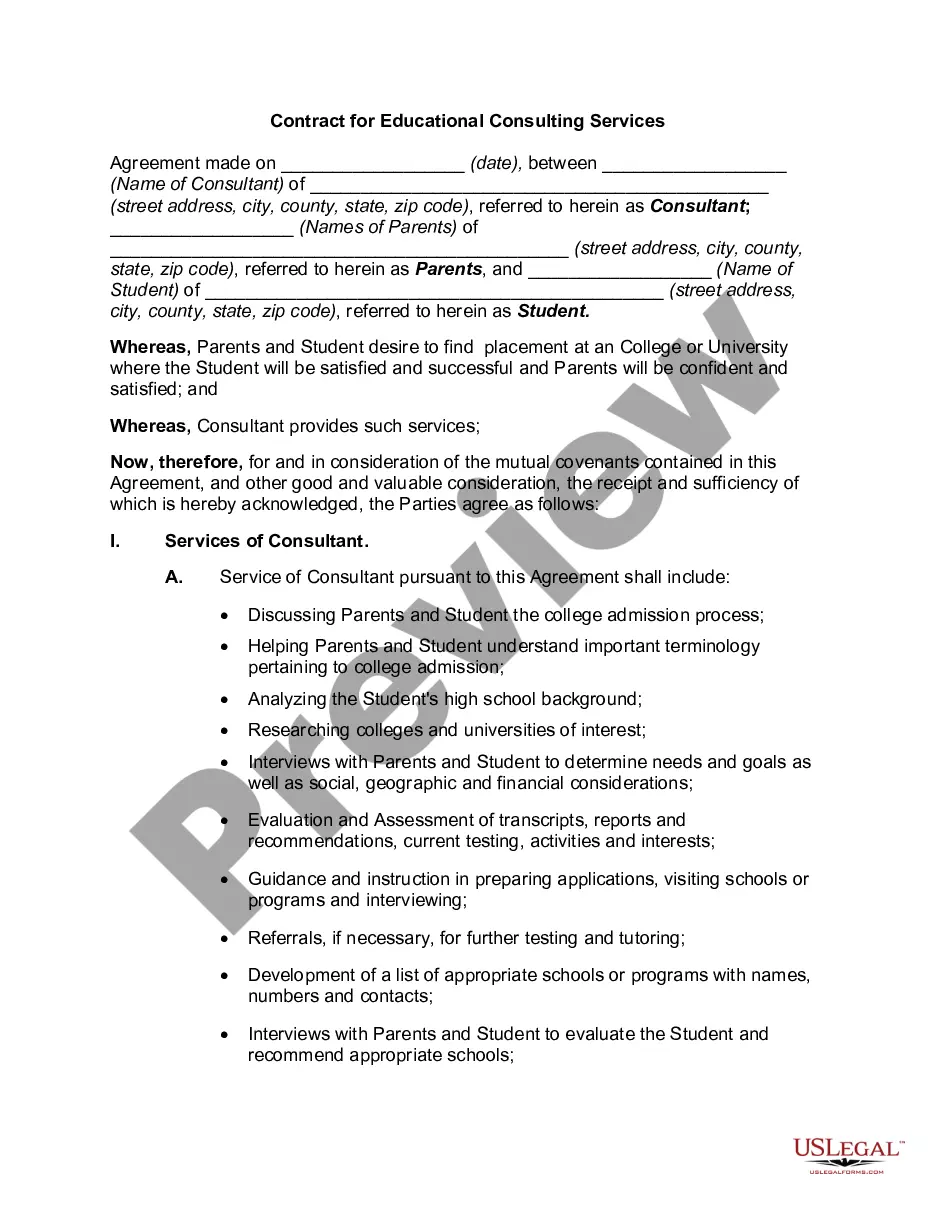
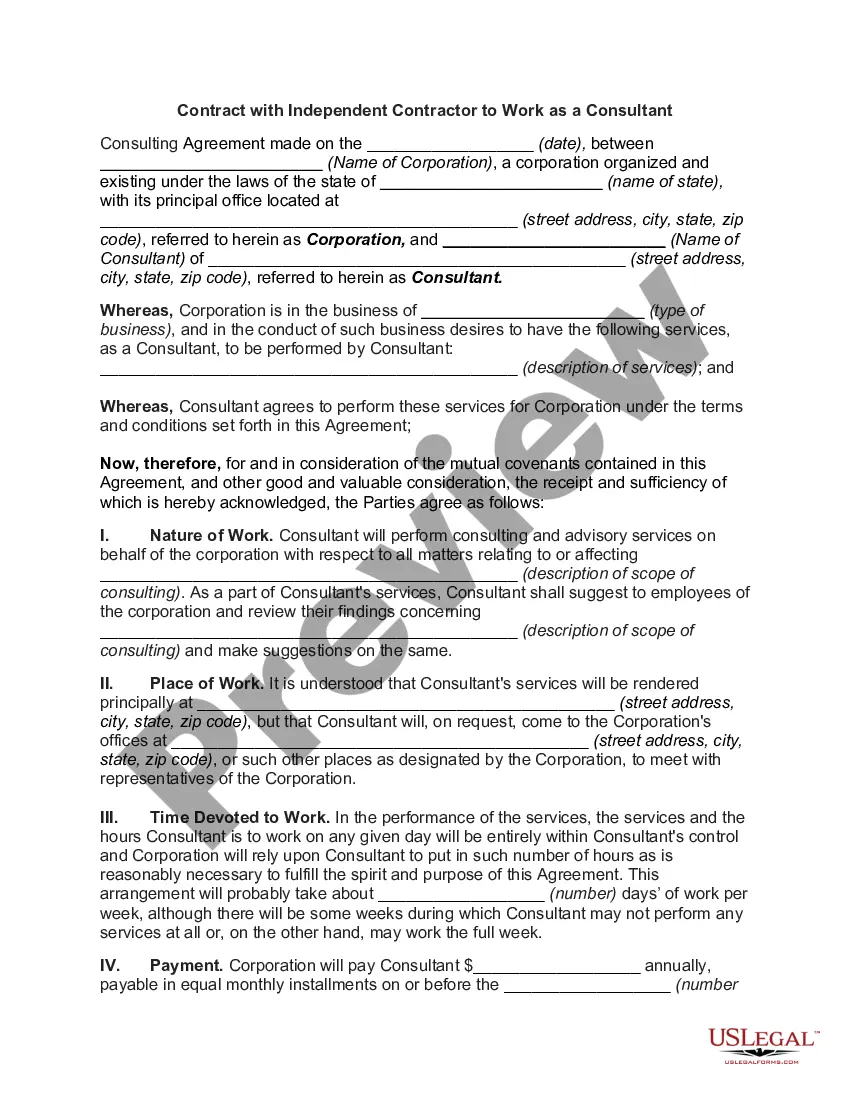
A consultancy agreement allows two parties to engage in a business relationship where one side works as an external consultant. A consultant can be either an individual or a company.
A consultancy agreement will delineate what both sides want from the relationship regarding targets and payment on either side. It may also include a sub consultancy agreement whereby a consultant intends to subcontract out any of the services that they are providing.
Here are six best practices to write a consulting contract that defines your project scope and protects both you and your business. Define Duties, Deliverables, and Roles. Prepare for Potential Risk. Specify Project Milestones and Engagement Time. Identify Expenses and Outline Payment Terms. Specify Product Ownership.
