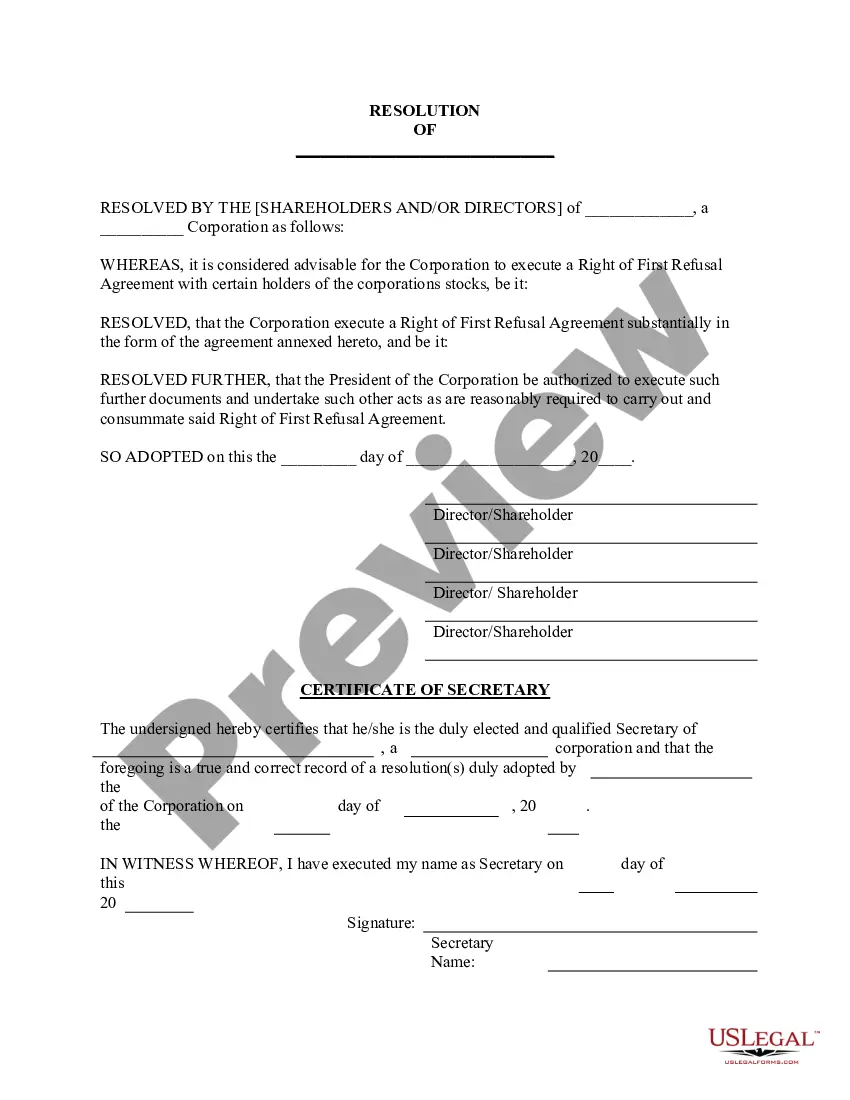
Training Contract For Barrister In Contra Costa
Description

Get your form ready online
Our built-in tools help you complete, sign, share, and store your documents in one place.
Make edits, fill in missing information, and update formatting in US Legal Forms—just like you would in MS Word.
Download a copy, print it, send it by email, or mail it via USPS—whatever works best for your next step.
Sign and collect signatures with our SignNow integration. Send to multiple recipients, set reminders, and more. Go Premium to unlock E-Sign.
If this form requires notarization, complete it online through a secure video call—no need to meet a notary in person or wait for an appointment.
We protect your documents and personal data by following strict security and privacy standards.

Make edits, fill in missing information, and update formatting in US Legal Forms—just like you would in MS Word.

Download a copy, print it, send it by email, or mail it via USPS—whatever works best for your next step.

Sign and collect signatures with our SignNow integration. Send to multiple recipients, set reminders, and more. Go Premium to unlock E-Sign.

If this form requires notarization, complete it online through a secure video call—no need to meet a notary in person or wait for an appointment.

We protect your documents and personal data by following strict security and privacy standards.
Looking for another form?








Form popularity
FAQ
US Bar Licensure Requirements Obtain a bachelor's degree. Pass the Law School Admission Test (LSAT®) Obtain a Juris Doctor Law Degree (JD) Complete the Multistate Professional Responsibility Examination (MPRE®) Pass your state's bar exam.
An 18 year-old has become the youngest person in the history of the English and Welsh legal system to be called to the Bar. New barrister Gabrielle Turnquest, of Florida, US, attended the ceremony at Lincoln's Inn this week.
From your undergraduate degree, to studying in law, to becoming licensed, it may take up to eight years in total to become a lawyer in Canada. This does not account for any delay in your studies, or other possible factors that will take you longer to finish law school.
You can qualify as a solicitor by gaining relevant legal work experience and passing the SQE assessments. This route requires a lot of practical experience and self-guided study.
Yes, lots of barristers (and solicitors) don't have law degrees. There are broadly two ways that you can start the qualifying process: either with a degree in law, or with a degree in a non-law subject supplemented by the one year CPE. ....
Open to non-law graduates. You can achieve your LLM even without a prior degree, via our three possible entry points: the Postgraduate Certificate, the Postgraduate Diploma, and the LLM.
Internationally educated lawyers who want to practice law in the U.S. must verify minimum legal education requirements, pass the bar examination in the jurisdiction where they will be working, and demonstrate strong moral character and fitness to serve as legal counsel.
Qualified Foreign Lawyers from another jurisdiction who want to practise in England and Wales as barristers are required to submit an application to the Bar Standards Board (BSB). This application provides evidence of their legal qualifications.