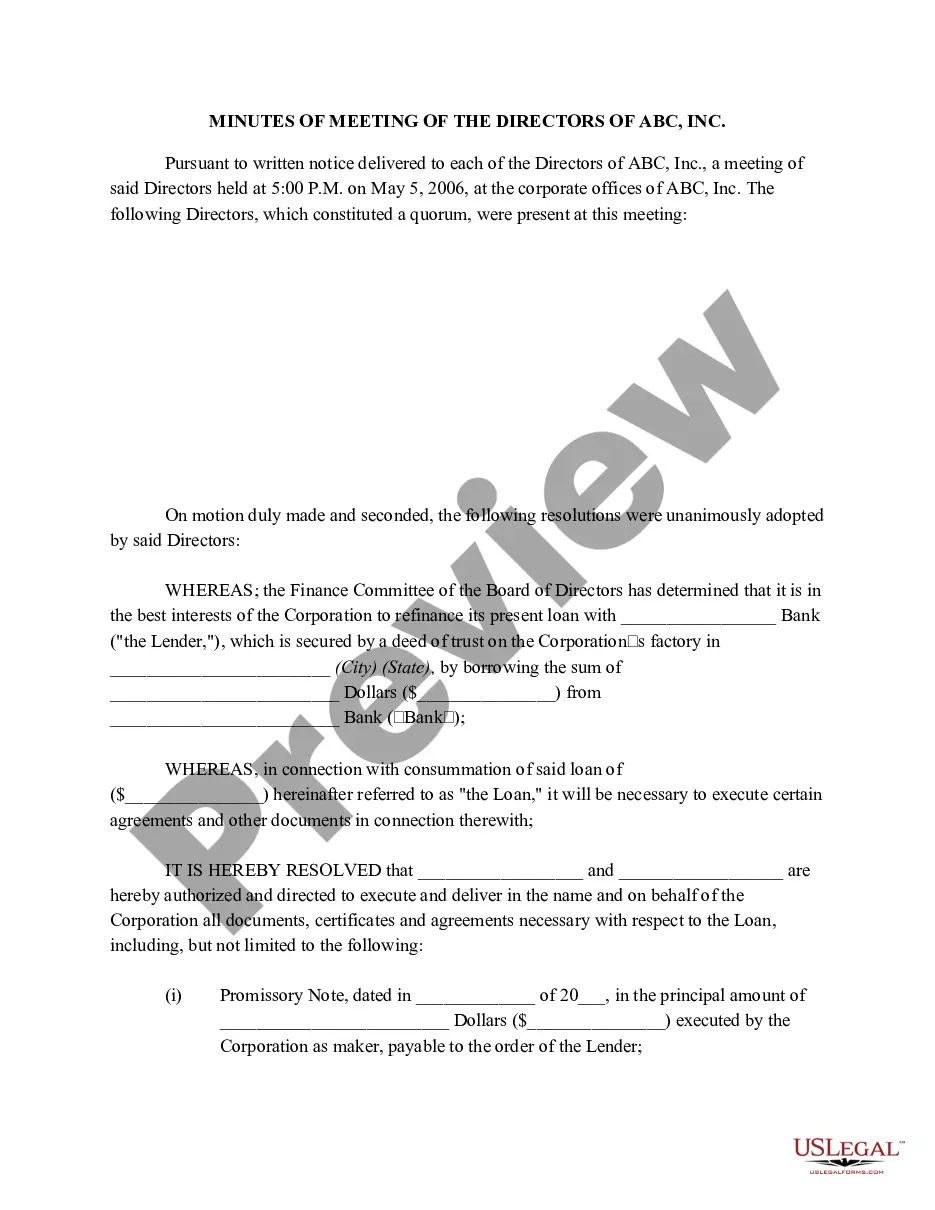
Corporate Refusal For 501 In Houston
Description
Get your form ready online
Our built-in tools help you complete, sign, share, and store your documents in one place.
Make edits, fill in missing information, and update formatting in US Legal Forms—just like you would in MS Word.
Download a copy, print it, send it by email, or mail it via USPS—whatever works best for your next step.
Sign and collect signatures with our SignNow integration. Send to multiple recipients, set reminders, and more. Go Premium to unlock E-Sign.
If this form requires notarization, complete it online through a secure video call—no need to meet a notary in person or wait for an appointment.
We protect your documents and personal data by following strict security and privacy standards.

Make edits, fill in missing information, and update formatting in US Legal Forms—just like you would in MS Word.

Download a copy, print it, send it by email, or mail it via USPS—whatever works best for your next step.

Sign and collect signatures with our SignNow integration. Send to multiple recipients, set reminders, and more. Go Premium to unlock E-Sign.

If this form requires notarization, complete it online through a secure video call—no need to meet a notary in person or wait for an appointment.

We protect your documents and personal data by following strict security and privacy standards.
Looking for another form?
Form popularity
FAQ
To be tax-exempt under section 501(c)(3) of the Internal Revenue Code, an organization must be organized and operated exclusively for exempt purposes set forth in section 501(c)(3), and none of its earnings may inure to any private shareholder or individual.
Earning too much income generated from unrelated activities can jeopardize an organization's 501(c)(3) tax-exempt status. This income comes from a regularly carried- on trade or business that is not substantially related to the organization's exempt purpose.
The Texas Business Organizations Code requires a nonprofit corporation to have at least three directors, one president, and one secretary. The same person cannot be both the president and secretary. Officers and directors must be natural persons, but may be known by other titles.
To receive a 501(c)(3) tax exemption, federal requirements stipulate that all members of your board of directors be unrelated. Texas requires only two officers appointed for every nonprofit: a president and a secretary. You may add other officers as preferred or needed while establishing your nonprofit.
Exemption requirements - 501(c)(3) organizations To be tax-exempt under section 501(c)(3) of the Internal Revenue Code, an organization must be organized and operated exclusively for exempt purposes set forth in section 501(c)(3), and none of its earnings may inure to any private shareholder or individual.
On the other hand, a denial by the IRS of 501(c)(3) status, known as an adverse determination, is a very difficult situation. An adverse determination can be appealed, but it is a enormous undertaking absolutely requiring professional assistance. Alternatively, the organization may choose to apply again from scratch.
Mail to IRS EO Classification, Mail Code 4910DAL, 1100 Commerce St., Dallas, TX 75242-1198 Fax to 214-413-5415, or Email to eoclass@irs. The IRS takes all complaints seriously and scrutinizes all referrals. For more information, go to: /IRS.
There are a number of ways that a charitable organization can have its 501(c)(3) status revoked: Failing to file a Form 990 with the IRS. Engaging in private benefit or private inurement. Lobbying. Political campaigning. Generating too much Unrelated Business Income. Failing to operate in ance with its purpose.
Common mistakes in meeting the Organizational Test can lead to your application's rejection. One frequent issue is incomplete or improper language in the articles of incorporation. For instance, failing to include specific language that reflects your nonprofit's purpose or using vague terms can raise red flags.