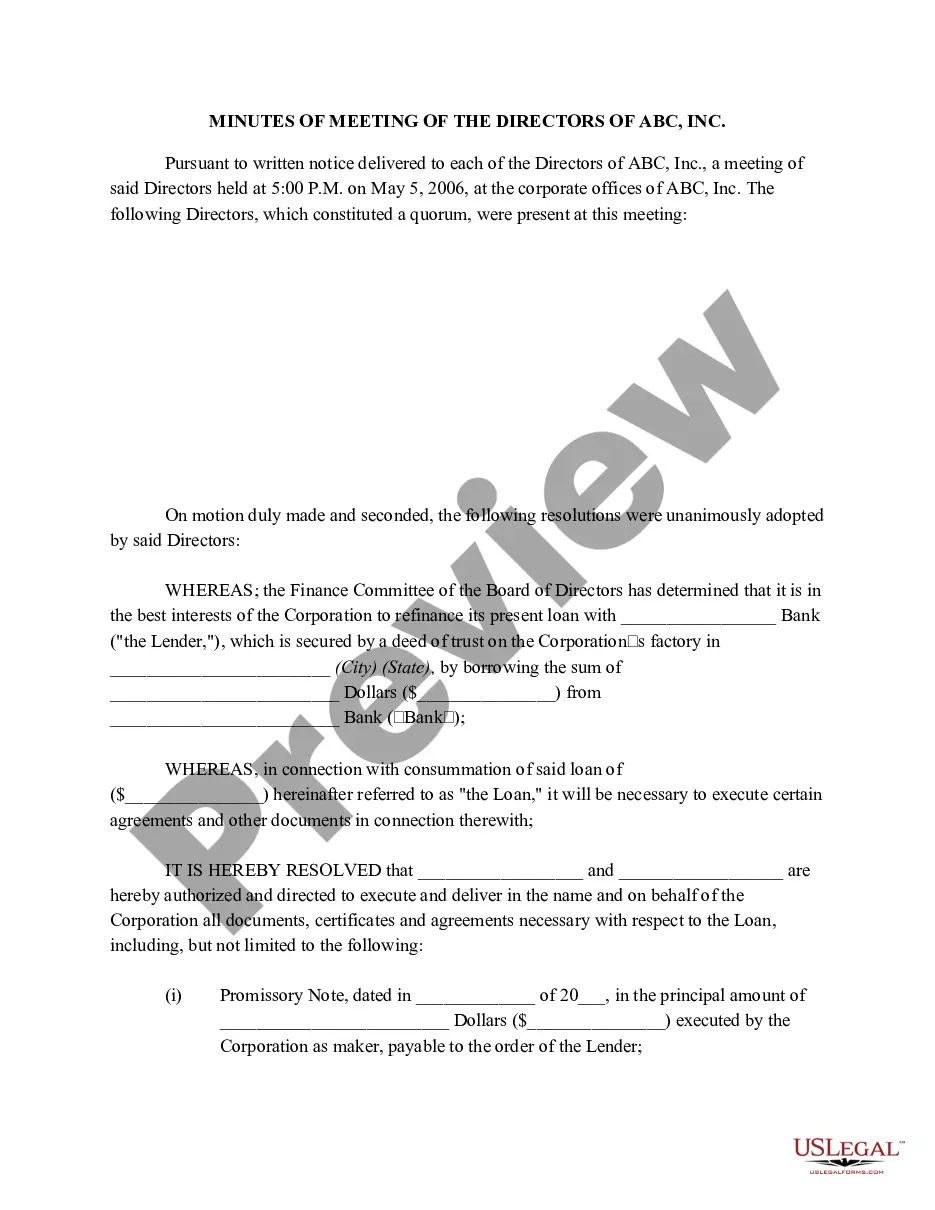
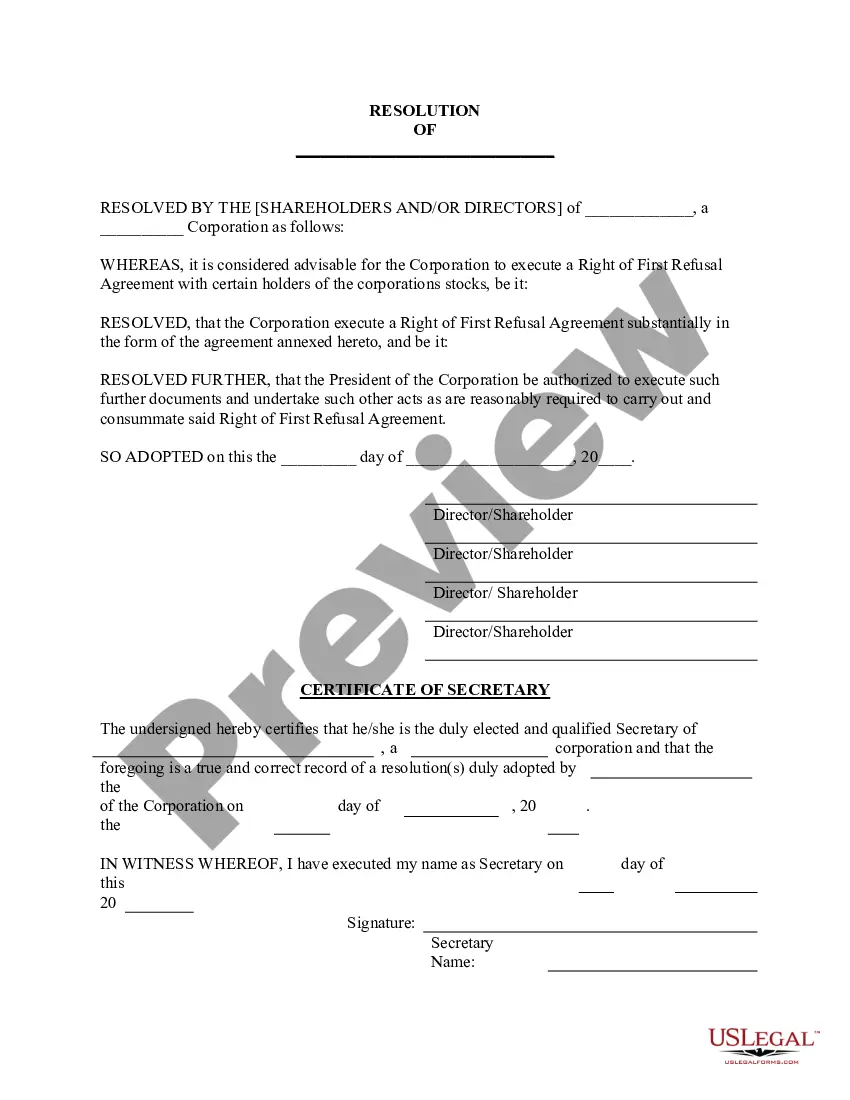
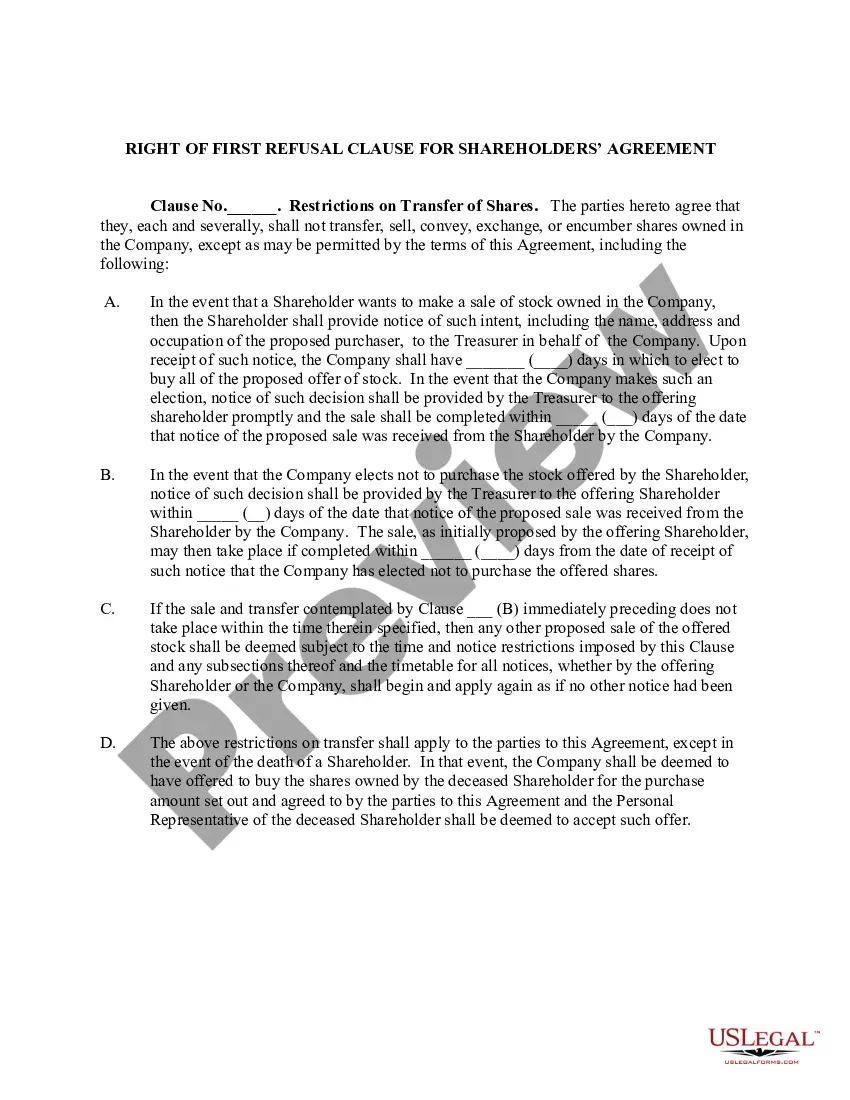
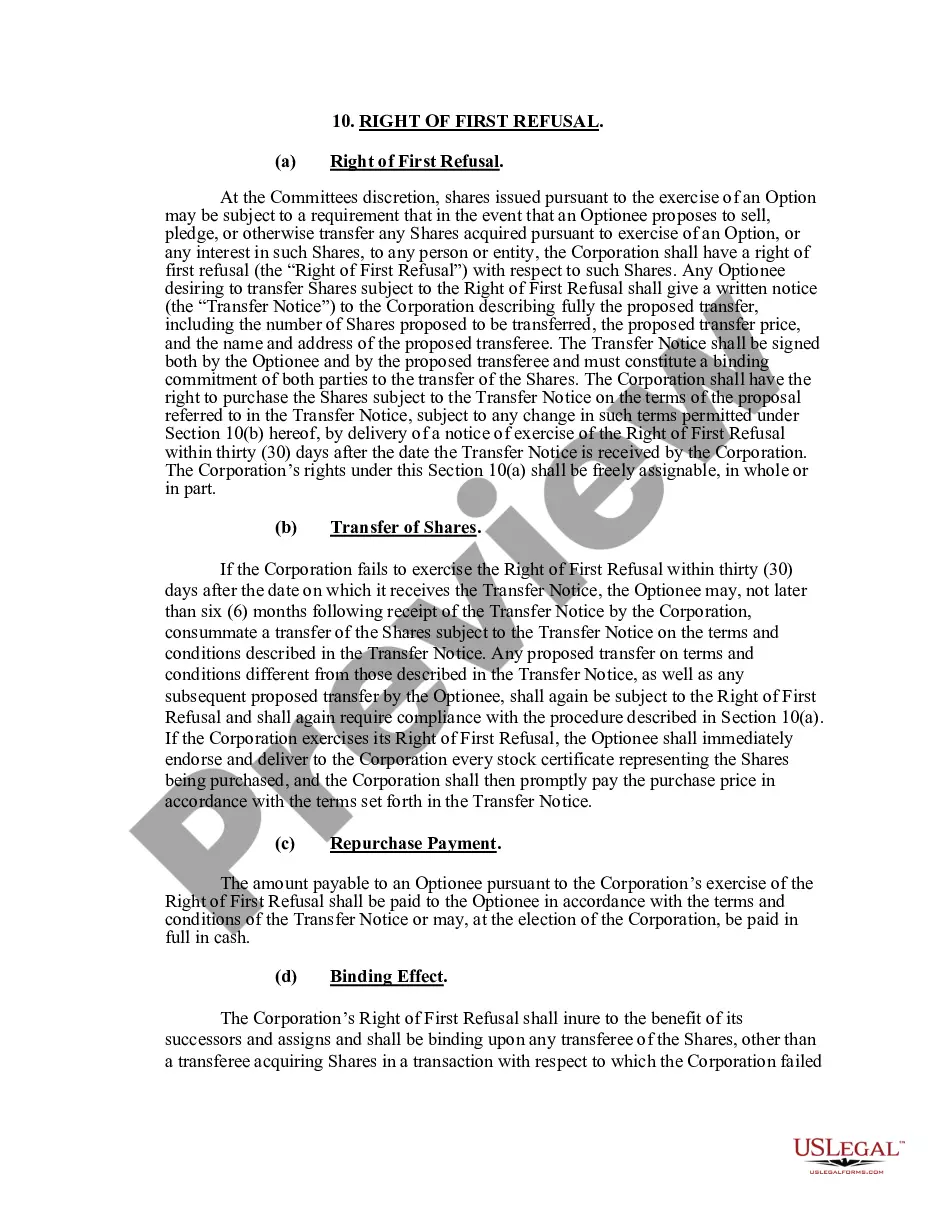
Corporate Refusal For 501 In Bexar
Description
Get your form ready online
Our built-in tools help you complete, sign, share, and store your documents in one place.
Make edits, fill in missing information, and update formatting in US Legal Forms—just like you would in MS Word.
Download a copy, print it, send it by email, or mail it via USPS—whatever works best for your next step.
Sign and collect signatures with our SignNow integration. Send to multiple recipients, set reminders, and more. Go Premium to unlock E-Sign.
If this form requires notarization, complete it online through a secure video call—no need to meet a notary in person or wait for an appointment.
We protect your documents and personal data by following strict security and privacy standards.

Make edits, fill in missing information, and update formatting in US Legal Forms—just like you would in MS Word.

Download a copy, print it, send it by email, or mail it via USPS—whatever works best for your next step.

Sign and collect signatures with our SignNow integration. Send to multiple recipients, set reminders, and more. Go Premium to unlock E-Sign.

If this form requires notarization, complete it online through a secure video call—no need to meet a notary in person or wait for an appointment.

We protect your documents and personal data by following strict security and privacy standards.
Looking for another form?




Form popularity
FAQ
The IRS determination letter notifies a nonprofit organization that its application for federal tax exemption under Section 501(c)(3) has been approved. This is an exciting day for an emerging nonprofit! Having your IRS determination letter in hand affords your nonprofit organization several unique advantages.
Mail to IRS EO Classification, Mail Code 4910DAL, 1100 Commerce St., Dallas, TX 75242-1198 Fax to 214-413-5415, or Email to eoclass@irs. The IRS takes all complaints seriously and scrutinizes all referrals. For more information, go to: /IRS.
Nonprofits seeking 501(c)(3) status must meet eligibility requirements in most states, which include serving charitable, religious, educational, social justice, or similar purposes. If your organization's purpose or structure does not meet these criteria, your application will be denied.
A 501(c)(3) determination letter is an official document issued by the United States Internal Revenue Service (IRS) signifying that a nonprofit organization gains tax-exempt status under section 501(c)(3) of the Internal Revenue Code (IRC).
The 501(c)(3) determination letter is proof of your organization's tax-exempt status. After your organization submits an application for 501(c)(3) tax-exempt status, the IRS will respond with a determination letter.
Earning too much income generated from unrelated activities can jeopardize an organization's 501(c)(3) tax-exempt status. This income comes from a regularly carried- on trade or business that is not substantially related to the organization's exempt purpose.
What Is a Determination Letter? A determination letter is a formal document issued by the Internal Revenue Service (IRS) that indicates whether or not a company's employee benefit plan has been found to meet the minimum legal requirements for special tax treatment.
Government entities are frequently asked to provide a tax-exempt number or “determination” letter to prove its status as a “tax-exempt” or charitable entity. For example, applications for grants from a private foundation or a charitable organization generally require this information as part of the application process.
If you wish the secretary of state to provide a preliminary determination on name availability, you may call (512) 463-5555, dial 7-1-1 for relay services, or e-mail your name inquiry to Corporations Section. A final determination cannot be made until the document is received and processed by the secretary of state.
If you do not know the file number, click on Find Entity. On the Find Entity Name Search screen, input the name of the entity for which you need to change entity information or status and click on Search.