Consultant Work Contract For 1099 In Clark
Description

Get your form ready online
Our built-in tools help you complete, sign, share, and store your documents in one place.
Make edits, fill in missing information, and update formatting in US Legal Forms—just like you would in MS Word.
Download a copy, print it, send it by email, or mail it via USPS—whatever works best for your next step.
Sign and collect signatures with our SignNow integration. Send to multiple recipients, set reminders, and more. Go Premium to unlock E-Sign.
If this form requires notarization, complete it online through a secure video call—no need to meet a notary in person or wait for an appointment.
We protect your documents and personal data by following strict security and privacy standards.

Make edits, fill in missing information, and update formatting in US Legal Forms—just like you would in MS Word.

Download a copy, print it, send it by email, or mail it via USPS—whatever works best for your next step.

Sign and collect signatures with our SignNow integration. Send to multiple recipients, set reminders, and more. Go Premium to unlock E-Sign.

If this form requires notarization, complete it online through a secure video call—no need to meet a notary in person or wait for an appointment.

We protect your documents and personal data by following strict security and privacy standards.
Looking for another form?








Form popularity
FAQ
If payment for services you provided is listed on Form 1099-NEC, Nonemployee Compensation, the payer is treating you as a self-employed worker, also referred to as an independent contractor. You don't necessarily have to have a business for payments for your services to be reported on Form 1099-NEC.
The new rule, which becomes effective March 11, 2024, rescinds the 2021 independent contractor rule issued under former President Donald Trump and replaces it with a six-factor test that considers: 1) opportunity for profit or loss depending on managerial skill; 2) investments by the worker and the potential employer; ...
The 2 year contractor rule is a provision that limits the amount of time a contractor can work for a company as an independent contractor without being considered an employee. It typically states contractor works company 2 years, may deemed employee legal tax purposes.
You'll need to file a tax return with the IRS if your net earnings from self-employment are $400 or more. Along with your Form 1040, you'll file a Schedule C to calculate your net income or loss for your business. You can file a Schedule C-EZ form if you have less than $5,000 in business expenses.
Yes, if you work as an independent contractor in the United States and earn $600 or more from a single client during the tax year, that client is required to provide you with a 1099-NEC form. This form reports the income you earned as a non-employee.
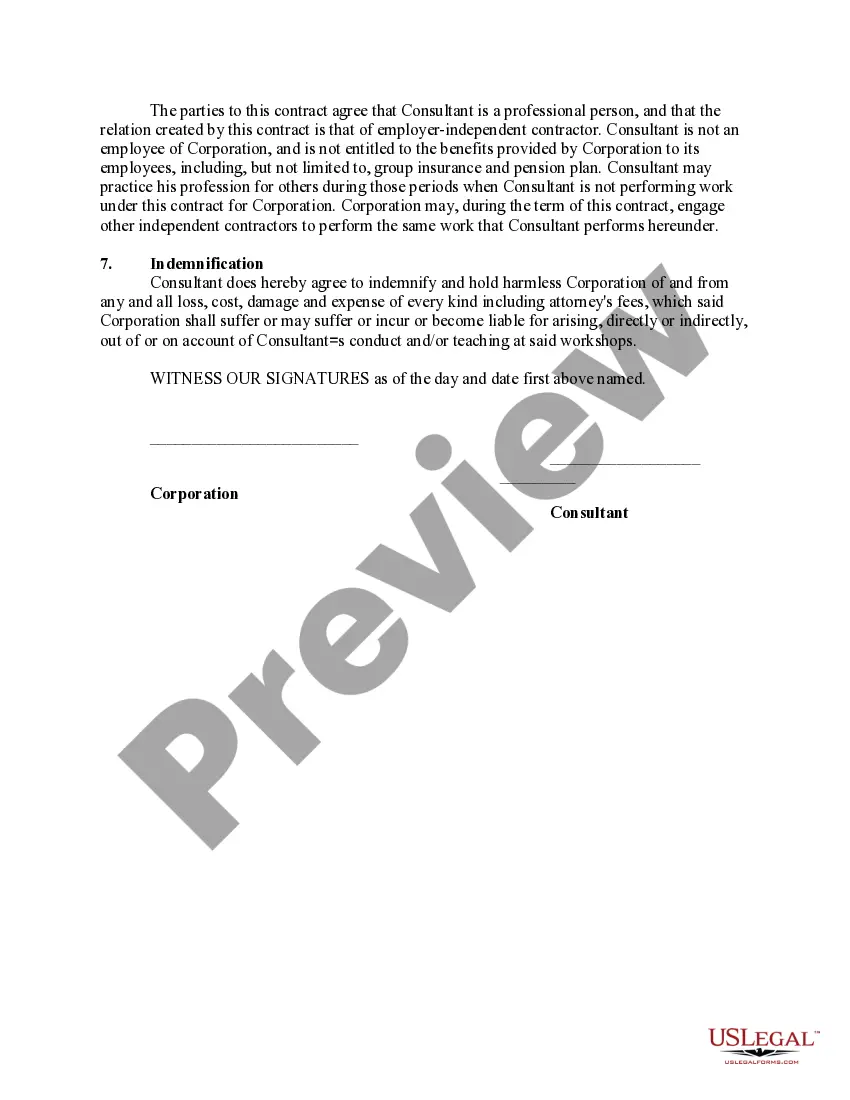
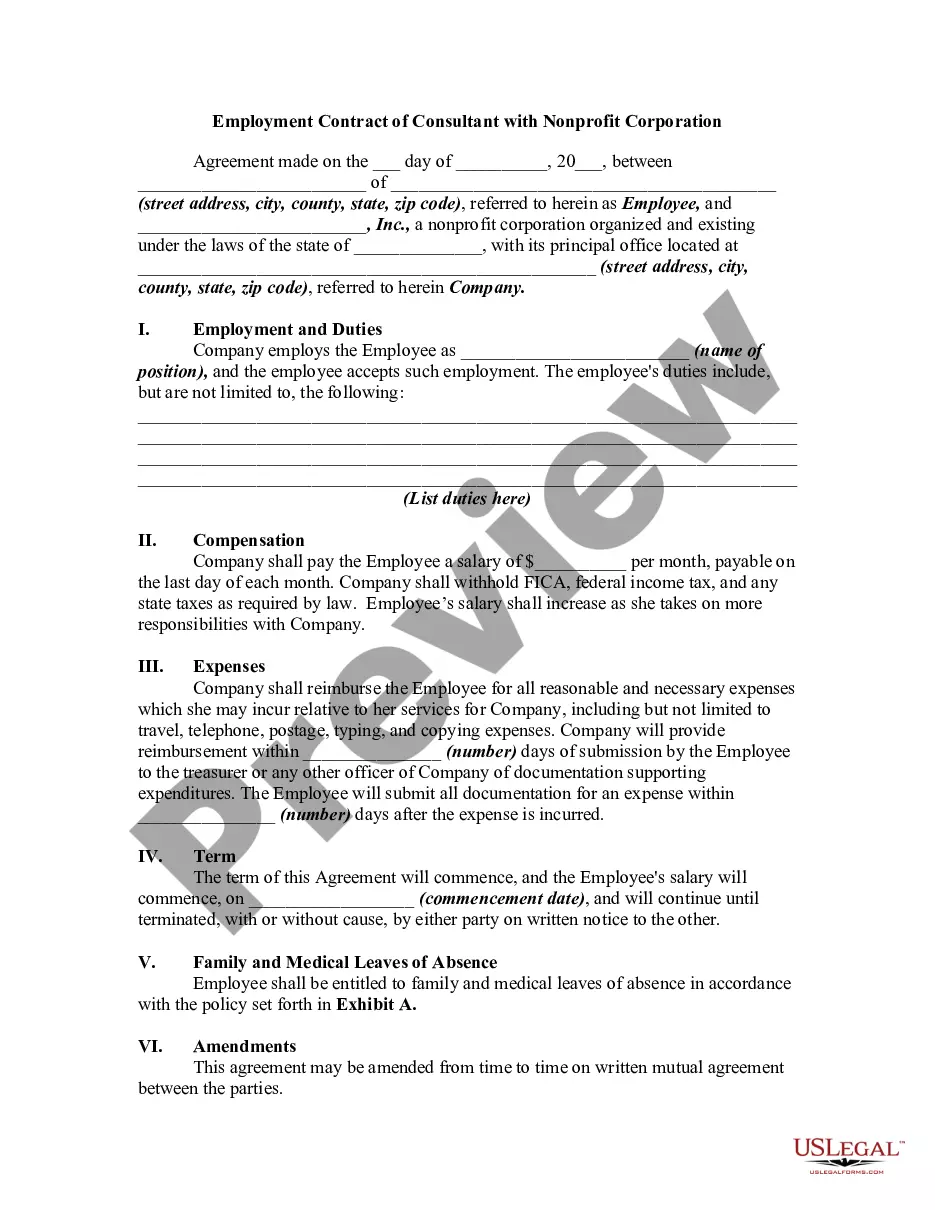
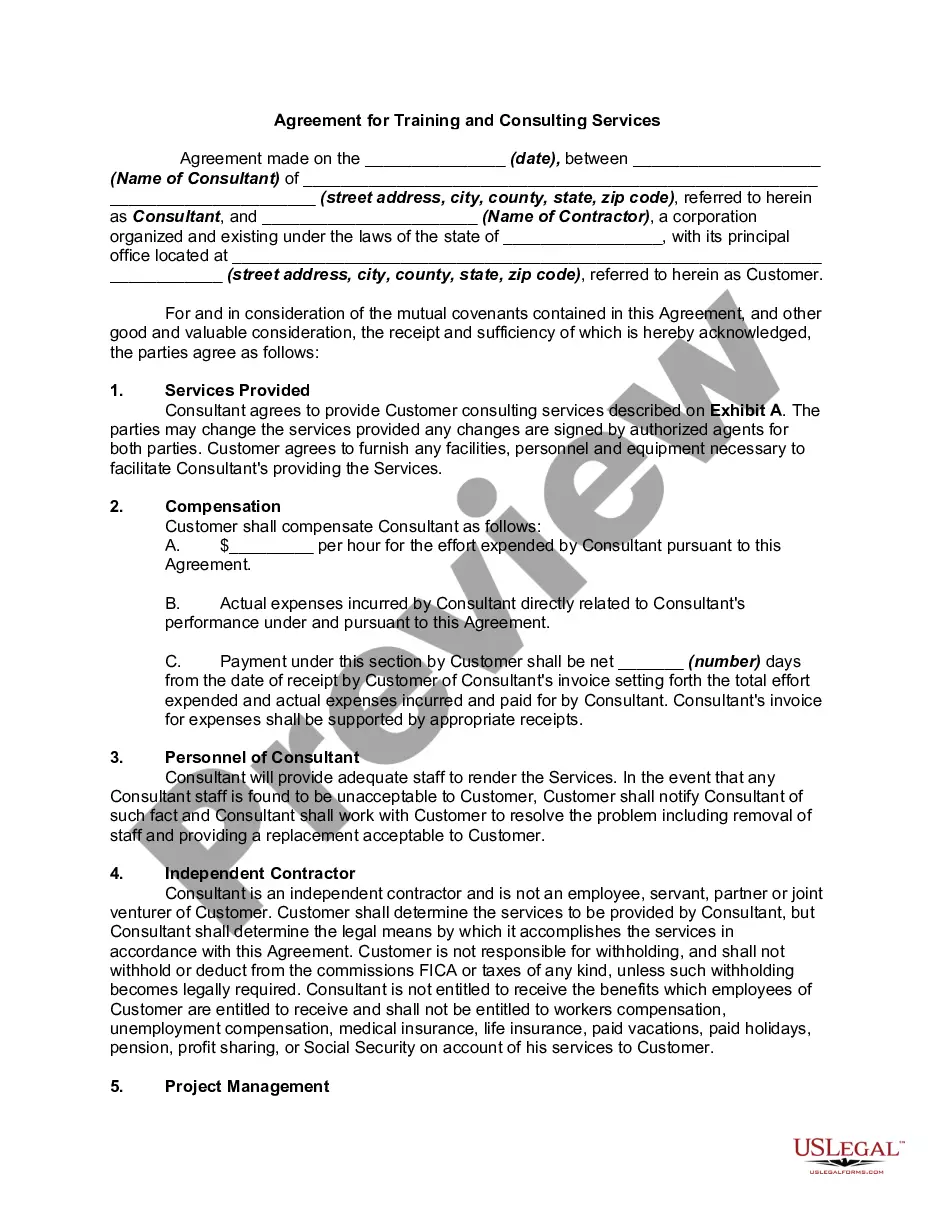
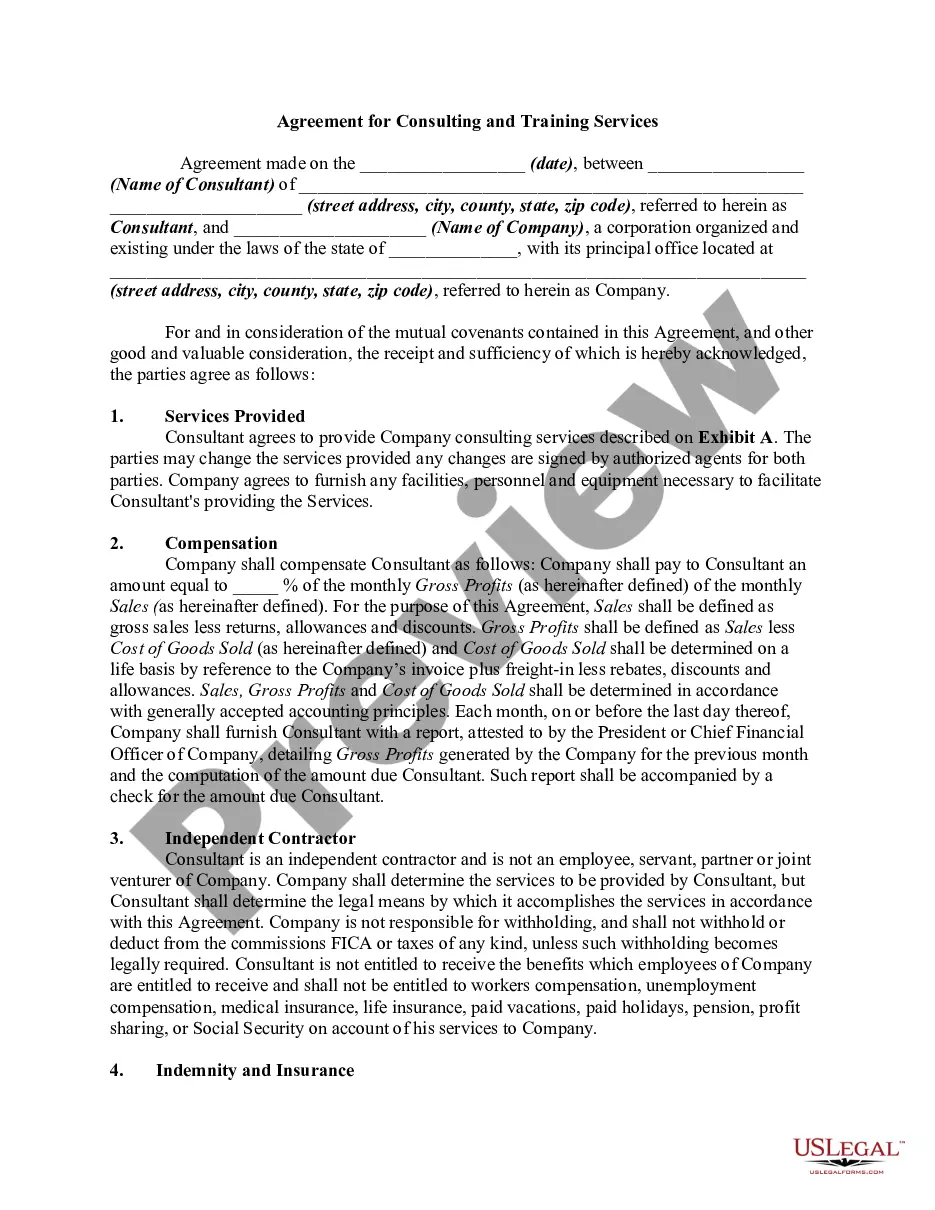
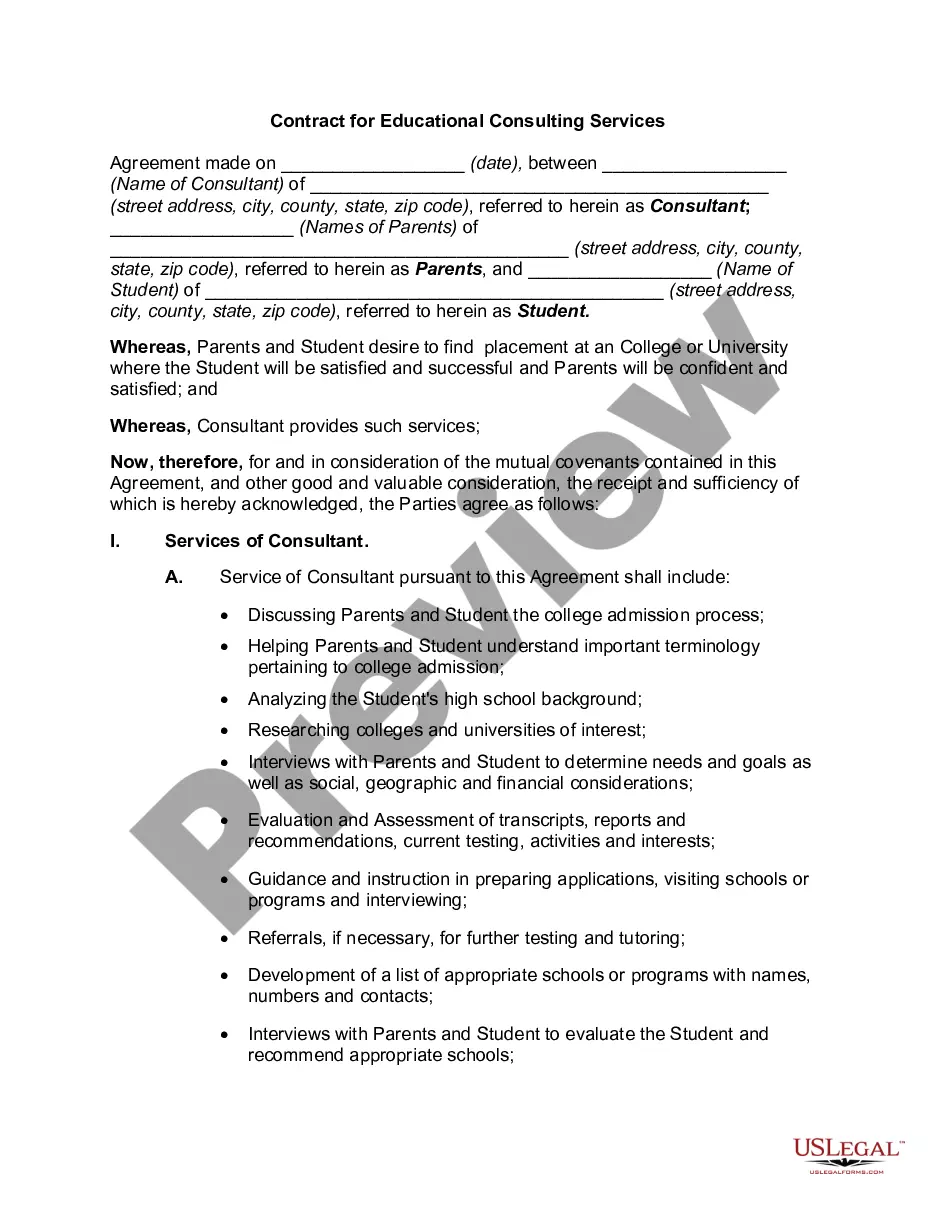
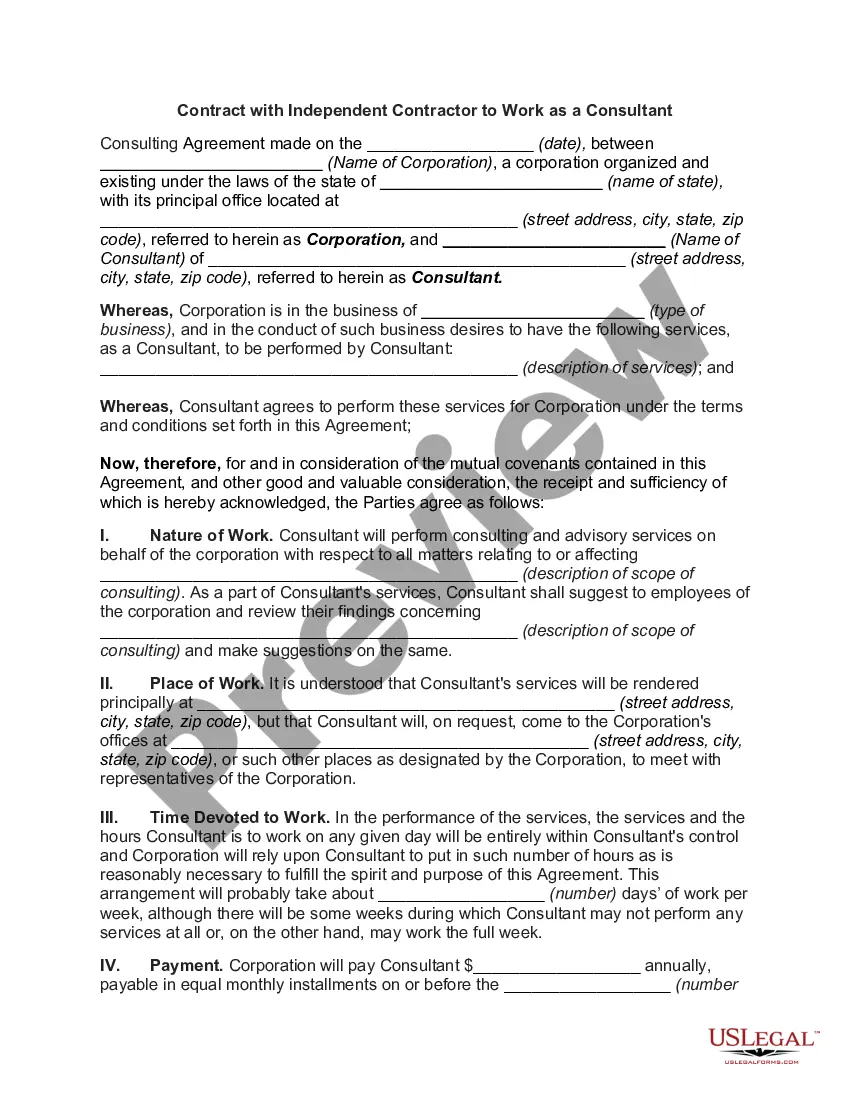
An independent contractor agreement is a legal document signed by your company and 1099 workers to outline terms and conditions of work. The agreement clarifies the nature of the relationship (for example, that the independent contractor is working on a per-project basis or for a fixed time period vs.
Put simply, a contractor could face legal consequences, including lawsuits, for canceling a project after work starts. However, there may be circumstances where a contractor may be justified in halting work. One instance is if the client is behind on payments.
The 2 year contractor rule is a provision that limits the amount of time a contractor can work for a company as an independent contractor without being considered an employee. It typically states contractor works company 2 years, may deemed employee legal tax purposes.
Every situation is different, but the general steps are as follows: Obtain the independent contractor's Form W-9, Request for Taxpayer Identification Number and Certification. Provide compensation for work performed. Remit backup withholding payments to the IRS, if necessary.
Here are six best practices to write a consulting contract that defines your project scope and protects both you and your business. Define Duties, Deliverables, and Roles. Prepare for Potential Risk. Specify Project Milestones and Engagement Time. Identify Expenses and Outline Payment Terms. Specify Product Ownership.
