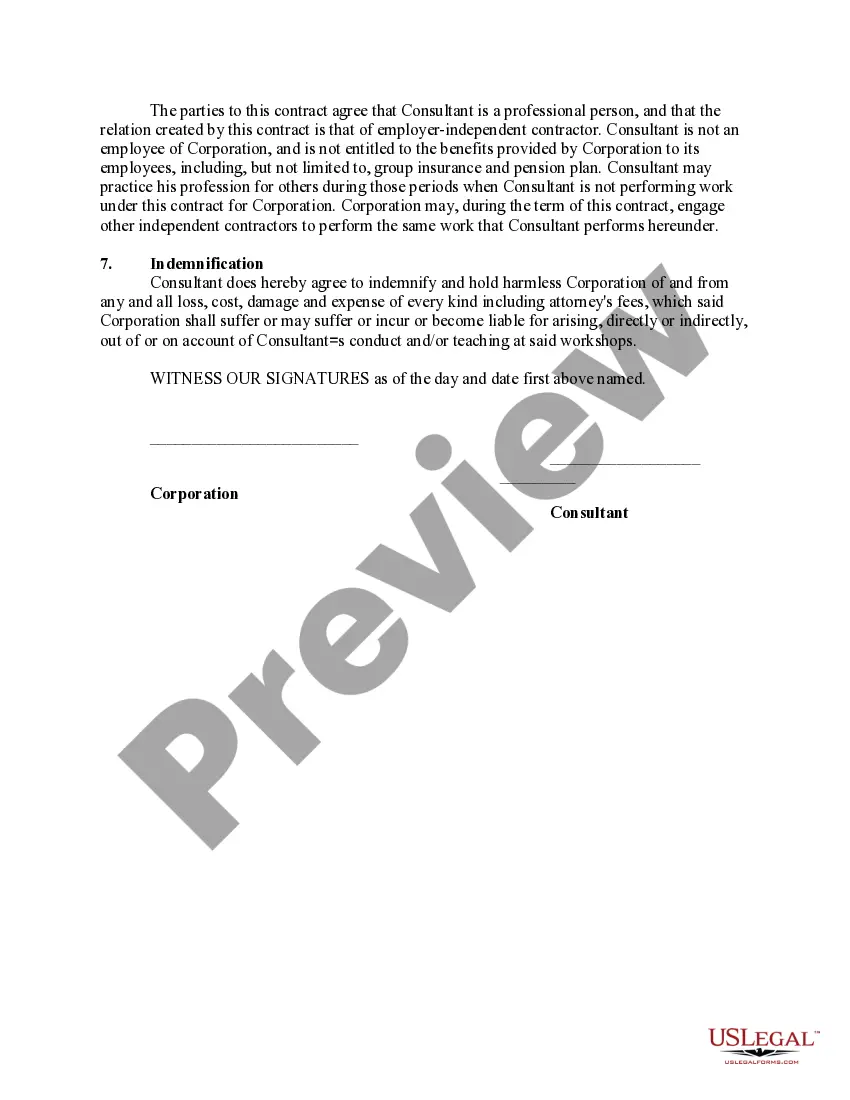
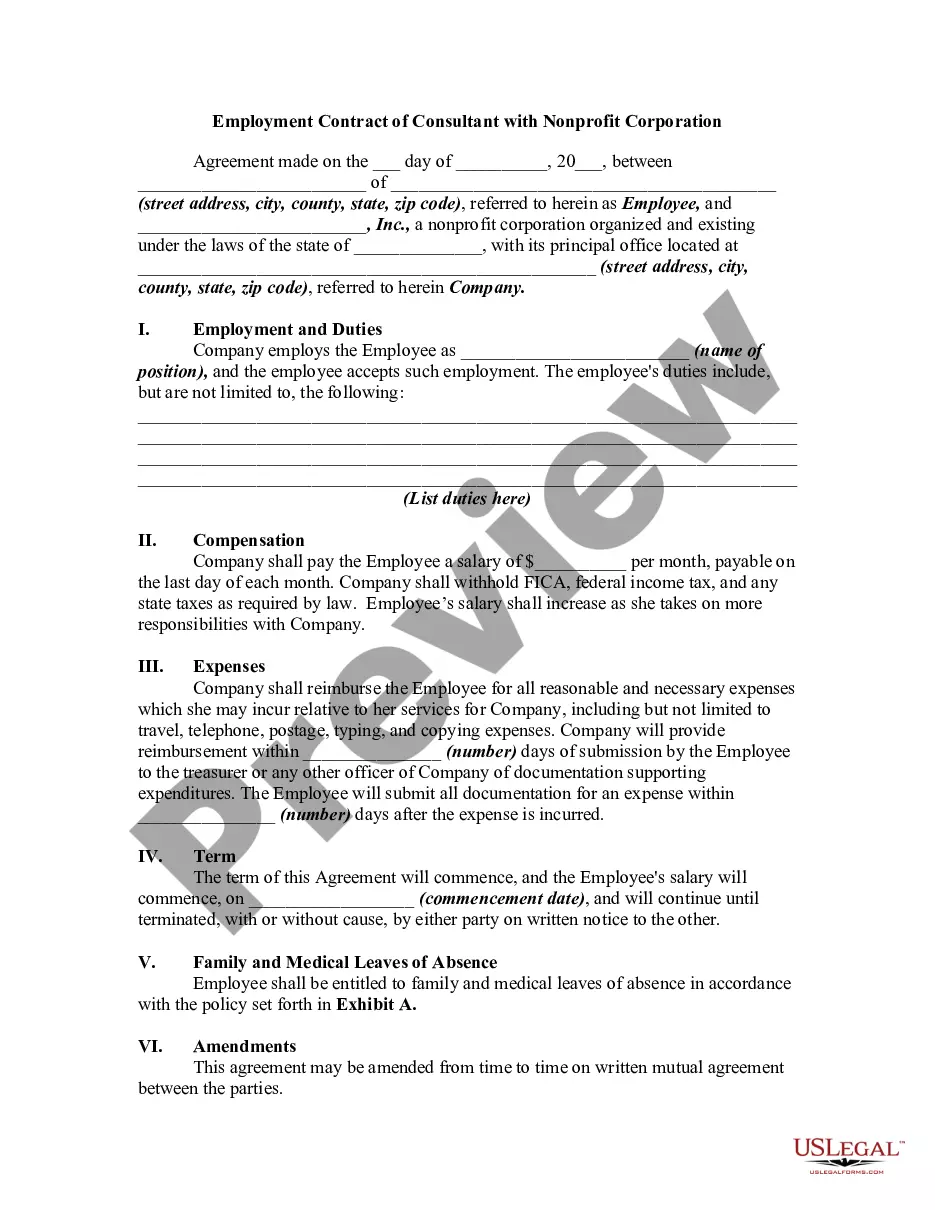
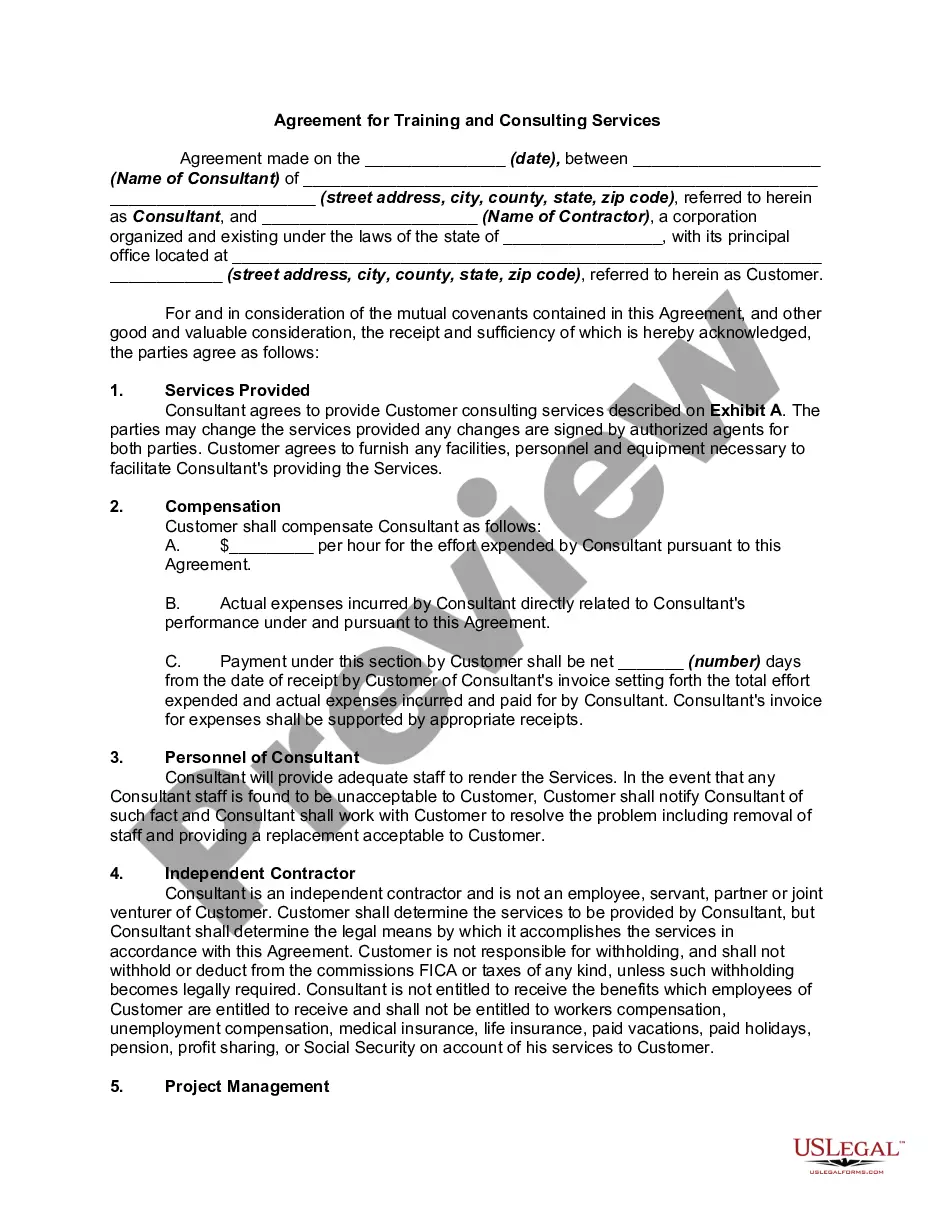
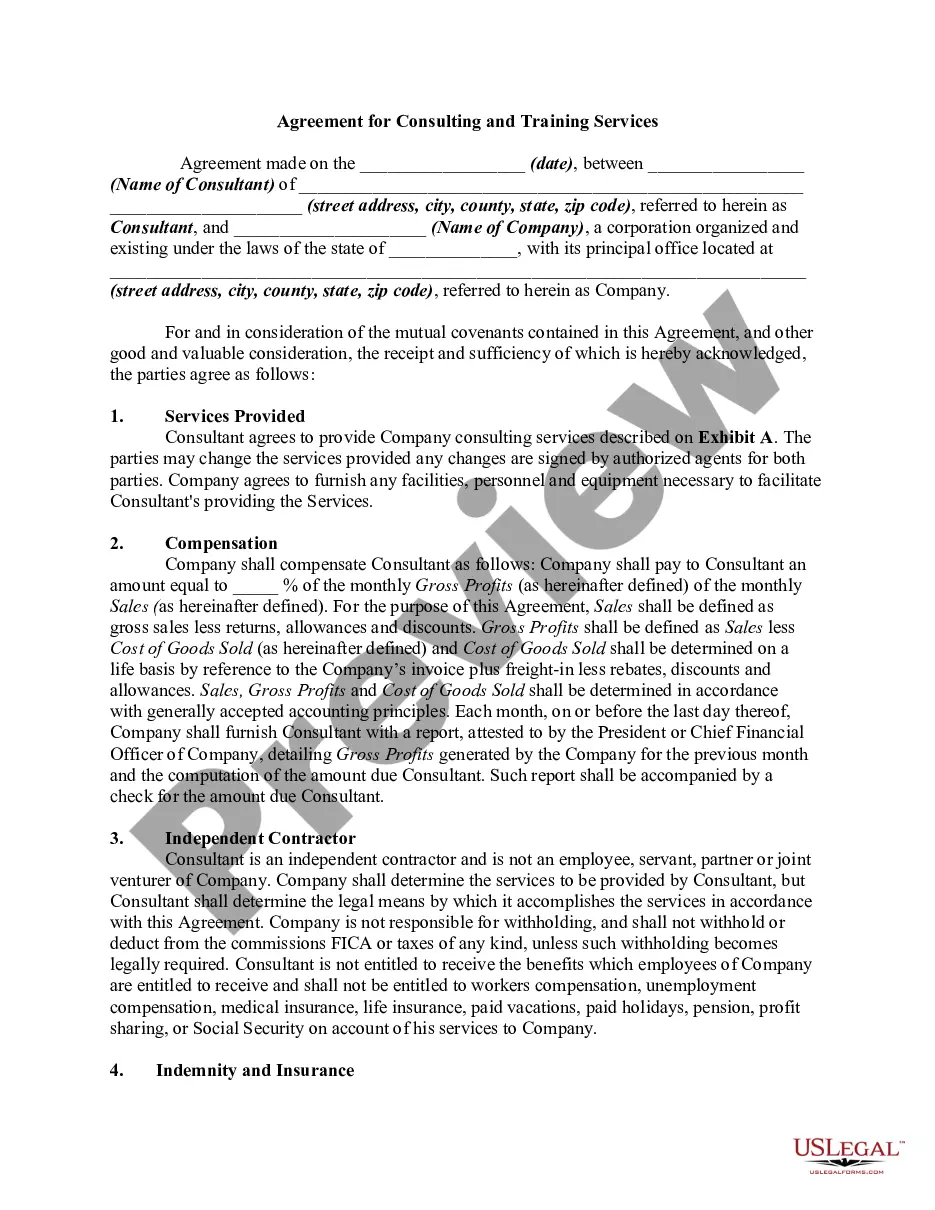
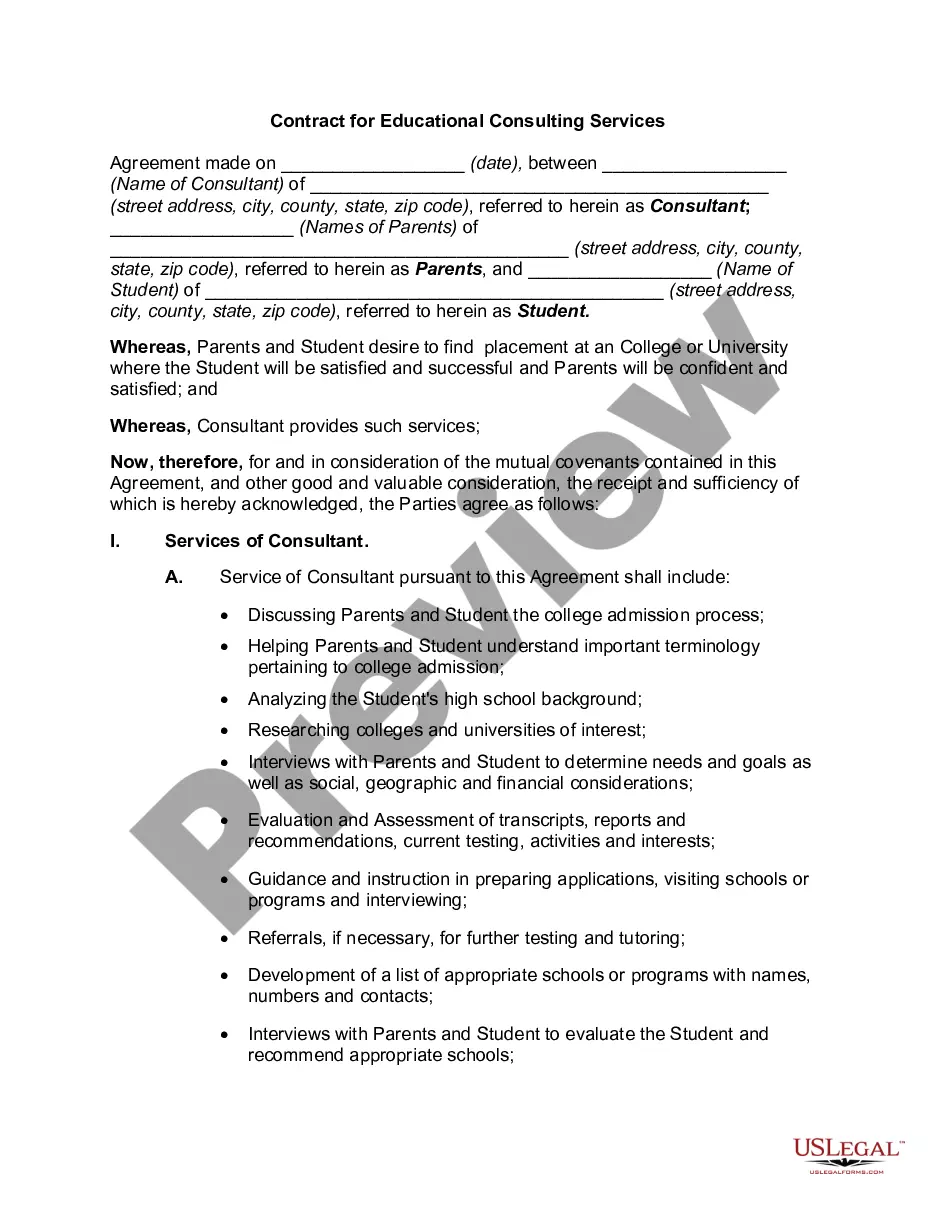
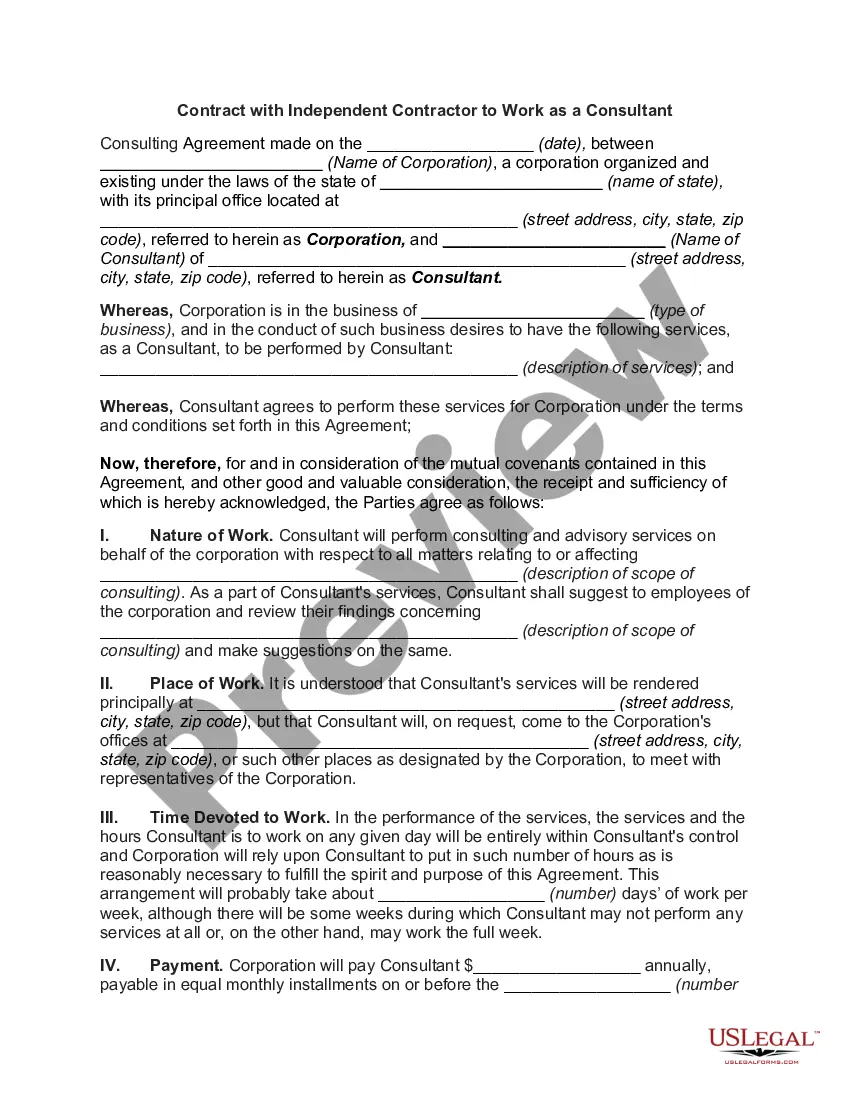
Consultant Work Contract For Accounting In Broward
Description

Get your form ready online
Our built-in tools help you complete, sign, share, and store your documents in one place.
Make edits, fill in missing information, and update formatting in US Legal Forms—just like you would in MS Word.
Download a copy, print it, send it by email, or mail it via USPS—whatever works best for your next step.
Sign and collect signatures with our SignNow integration. Send to multiple recipients, set reminders, and more. Go Premium to unlock E-Sign.
If this form requires notarization, complete it online through a secure video call—no need to meet a notary in person or wait for an appointment.
We protect your documents and personal data by following strict security and privacy standards.

Make edits, fill in missing information, and update formatting in US Legal Forms—just like you would in MS Word.

Download a copy, print it, send it by email, or mail it via USPS—whatever works best for your next step.

Sign and collect signatures with our SignNow integration. Send to multiple recipients, set reminders, and more. Go Premium to unlock E-Sign.

If this form requires notarization, complete it online through a secure video call—no need to meet a notary in person or wait for an appointment.

We protect your documents and personal data by following strict security and privacy standards.
Looking for another form?






Form popularity
FAQ
A consultancy agreement will delineate what both sides want from the relationship regarding targets and payment on either side. It may also include a sub consultancy agreement whereby a consultant intends to subcontract out any of the services that they are providing.
Here are six best practices to write a consulting contract that defines your project scope and protects both you and your business. Define Duties, Deliverables, and Roles. Prepare for Potential Risk. Specify Project Milestones and Engagement Time. Identify Expenses and Outline Payment Terms. Specify Product Ownership.
Follow these five steps to take to do to set yourself up for future contract opportunities. Consider Your Options and Plan Ahead. While it's natural to worry, it's better to plan out your options. Keep Potential Clients Informed. Use Your Network. Build Your Own Opportunities. Always Be Proactive.
To write a consulting contract, you'll need to comply with your state's contract laws. Make sure the contract includes an offer, acceptance, valid consideration, mutual assent, and a legal purpose. State the consideration each party is providing, such as consulting services and compensation.
How to draft a contract in 13 simple steps Start with a contract template. Understand the purpose and requirements. Identify all parties involved. Outline key terms and conditions. Define deliverables and milestones. Establish payment terms. Add termination conditions. Incorporate dispute resolution.
A consulting contract should offer a detailed description of the duties you will perform and the deliverables you promise the client. The agreement may also explain how much work you will perform at the client's office and how often you will work remotely.
Consultants typically set their business consultant fees one of three ways: Hourly rates. Project-based fees. Monthly retainers. Your knowledge and experience. Industry standards. The estimated time you'll spend on the project. Your overhead costs. Project size and complexity.
Consulting fees can have a significant impact on the profitability of a business. They are typically considered to be non-operating expenses, meaning that they do not directly contribute to revenue. As such, they are reported as an expense on the income statement, and their presence can affect the bottom line.
Certified public accountants (CPAs) act as advisors to individuals, businesses, financial institutions, nonprofit organizations, and government agencies. As management consultants, CPAs play a vital role in helping businesses get the most out of their resources and increase their efficiency.
Accounting consulting jobs may involve: Helping your business clients maintain efficient and accurate accounting practices. Providing your expertise to help clients understand the meaning behind their financial data and how those numbers affect their business.