Difference Between A Commercial And Retail Lease In Virginia
Description

Get your form ready online
Our built-in tools help you complete, sign, share, and store your documents in one place.
Make edits, fill in missing information, and update formatting in US Legal Forms—just like you would in MS Word.
Download a copy, print it, send it by email, or mail it via USPS—whatever works best for your next step.
Sign and collect signatures with our SignNow integration. Send to multiple recipients, set reminders, and more. Go Premium to unlock E-Sign.
If this form requires notarization, complete it online through a secure video call—no need to meet a notary in person or wait for an appointment.
We protect your documents and personal data by following strict security and privacy standards.

Make edits, fill in missing information, and update formatting in US Legal Forms—just like you would in MS Word.

Download a copy, print it, send it by email, or mail it via USPS—whatever works best for your next step.

Sign and collect signatures with our SignNow integration. Send to multiple recipients, set reminders, and more. Go Premium to unlock E-Sign.

If this form requires notarization, complete it online through a secure video call—no need to meet a notary in person or wait for an appointment.

We protect your documents and personal data by following strict security and privacy standards.
Looking for another form?









Form popularity
FAQ
Under Virginia law, regardless of whether you're covered by the VRLTA, all landlords must do these things: Follow building and housing codes affecting health and safety. Make all repairs needed to keep the place fit and habitable (livable). Keep the common areas clean and safe.
Conclusion. A commercial tenant's responsibilities extend well beyond paying rent. Tenants must adhere to lease terms, maintain their premises, comply with health and safety rules, carry appropriate insurance, and respect building management rules.
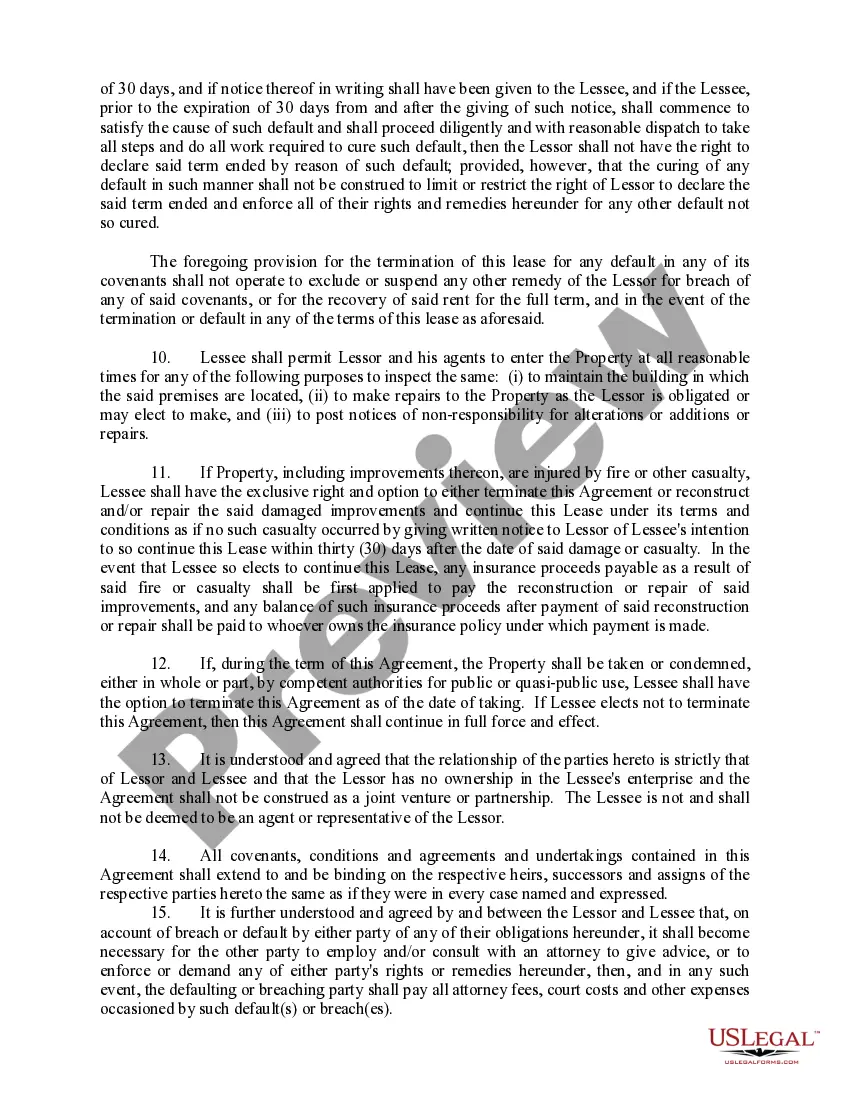
Applicability; right to terminate tenant. A. As used in this chapter, unless the context requires a different meaning, "nonresidential tenancy" means the rental of any real estate for purposes other than residential use, including business, industrial, or agricultural purposes.
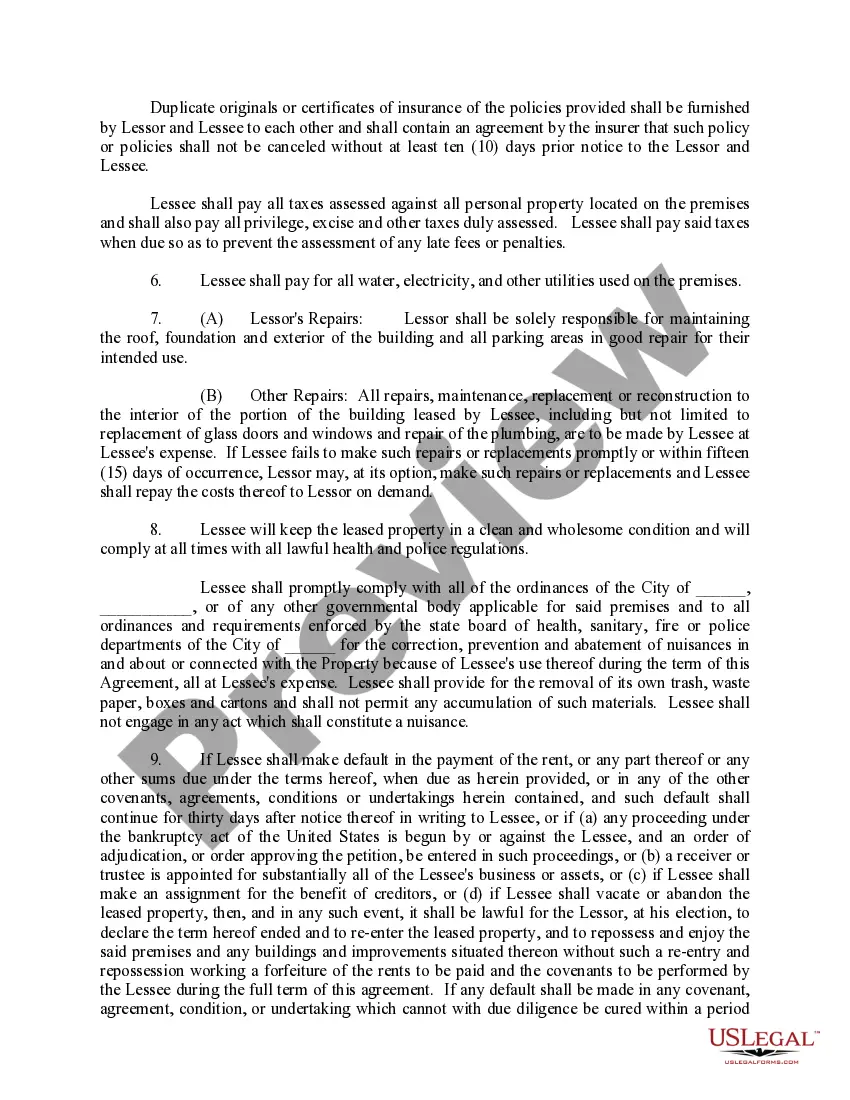
Tenant's maintenance responsibilities weeding the garden and mowing lawns, washing exterior windows, replacing standard light bulbs, and. telling the landlord immediately when things need to be maintained or repaired.
Each of these ten items relates to maintaining a fit premises as outlined by the Virginia Residential Landlord Tenant Act. Heating. Your property must have heat. Plumbing. Electrical. Running Water. Ventilation and Air-Conditioning. Trash. Common Areas. Mold.
Review the Lease Agreement. The assignor (current tenant) should review the existing lease agreement to understand the terms and conditions associated with the lease assignment. Obtain Landlord's Consent. Negotiate Terms. Deed of Assignment. Land Registry Notification. Completion and Handover.
Commercial Landlords The landlord is responsible for gas, fire and electrical safety. Managing asbestos and protecting workers from asbestos exposure. General maintenance and repairs. Minimum energy efficiency standards. Maintaining property insurance.
What are the Different Types of Commercial Leases? Gross Lease. Modified Gross Lease (also referred to as Double Net) Net Lease (also referred to as NNN)
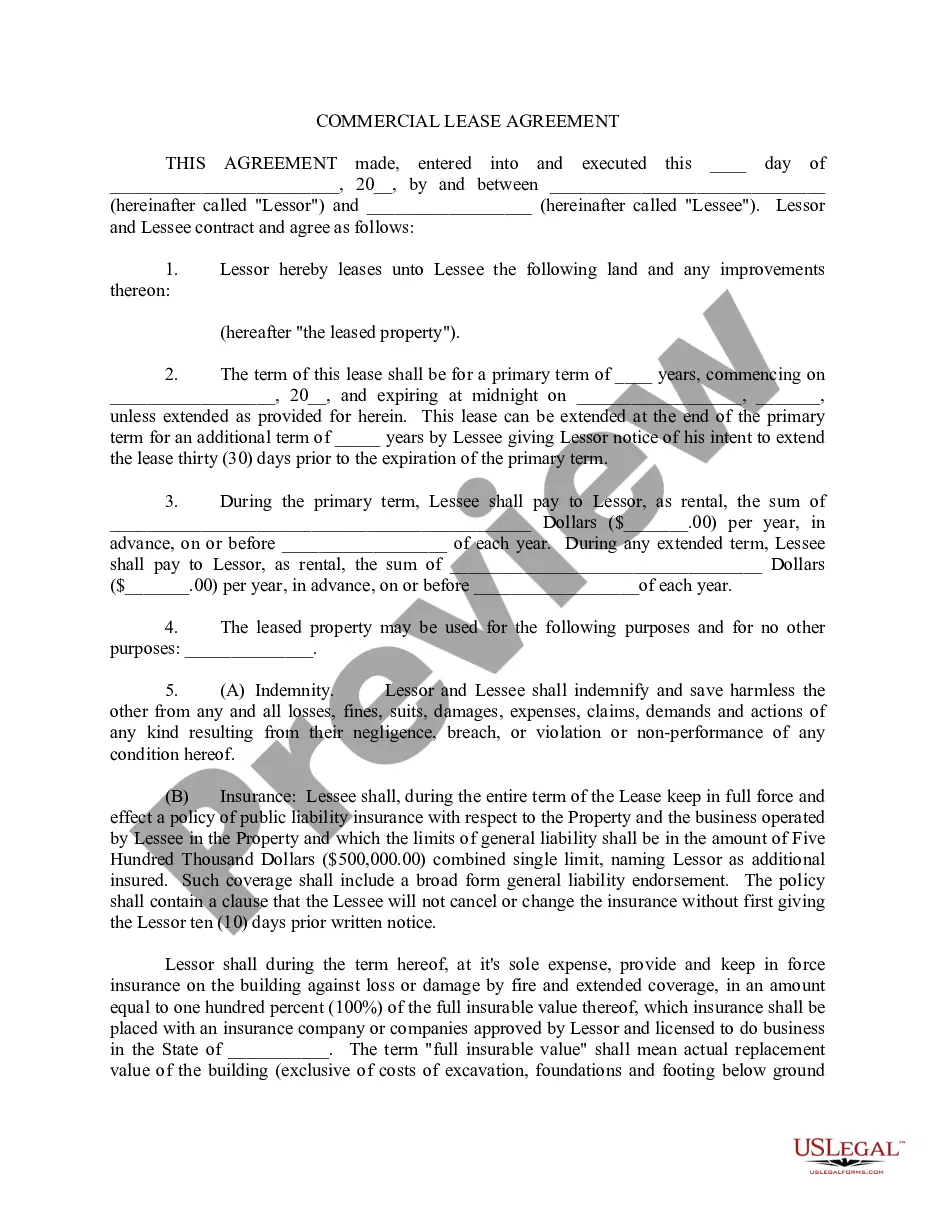
A commercial lease is meant to be an Agreement between the owner of a property and the person looking to initiate some sort of Businesses on that land. A retail lease is a kind of commercial lease in premises that are wholly or predominantly used for retail shop businesses.
What are the different types of commercial real estate? Office. Office buildings are generally categorized into two types: urban or suburban. Retail. Retail comprises the commercial spaces that host the retailers and restaurants we frequent. Industrial. Multifamily. Hotel. Special Purpose.
