Injury Lawyer For Assault In Phoenix
Description

Get your form ready online
Our built-in tools help you complete, sign, share, and store your documents in one place.
Make edits, fill in missing information, and update formatting in US Legal Forms—just like you would in MS Word.
Download a copy, print it, send it by email, or mail it via USPS—whatever works best for your next step.
Sign and collect signatures with our SignNow integration. Send to multiple recipients, set reminders, and more. Go Premium to unlock E-Sign.
If this form requires notarization, complete it online through a secure video call—no need to meet a notary in person or wait for an appointment.
We protect your documents and personal data by following strict security and privacy standards.

Make edits, fill in missing information, and update formatting in US Legal Forms—just like you would in MS Word.

Download a copy, print it, send it by email, or mail it via USPS—whatever works best for your next step.

Sign and collect signatures with our SignNow integration. Send to multiple recipients, set reminders, and more. Go Premium to unlock E-Sign.

If this form requires notarization, complete it online through a secure video call—no need to meet a notary in person or wait for an appointment.

We protect your documents and personal data by following strict security and privacy standards.
Looking for another form?


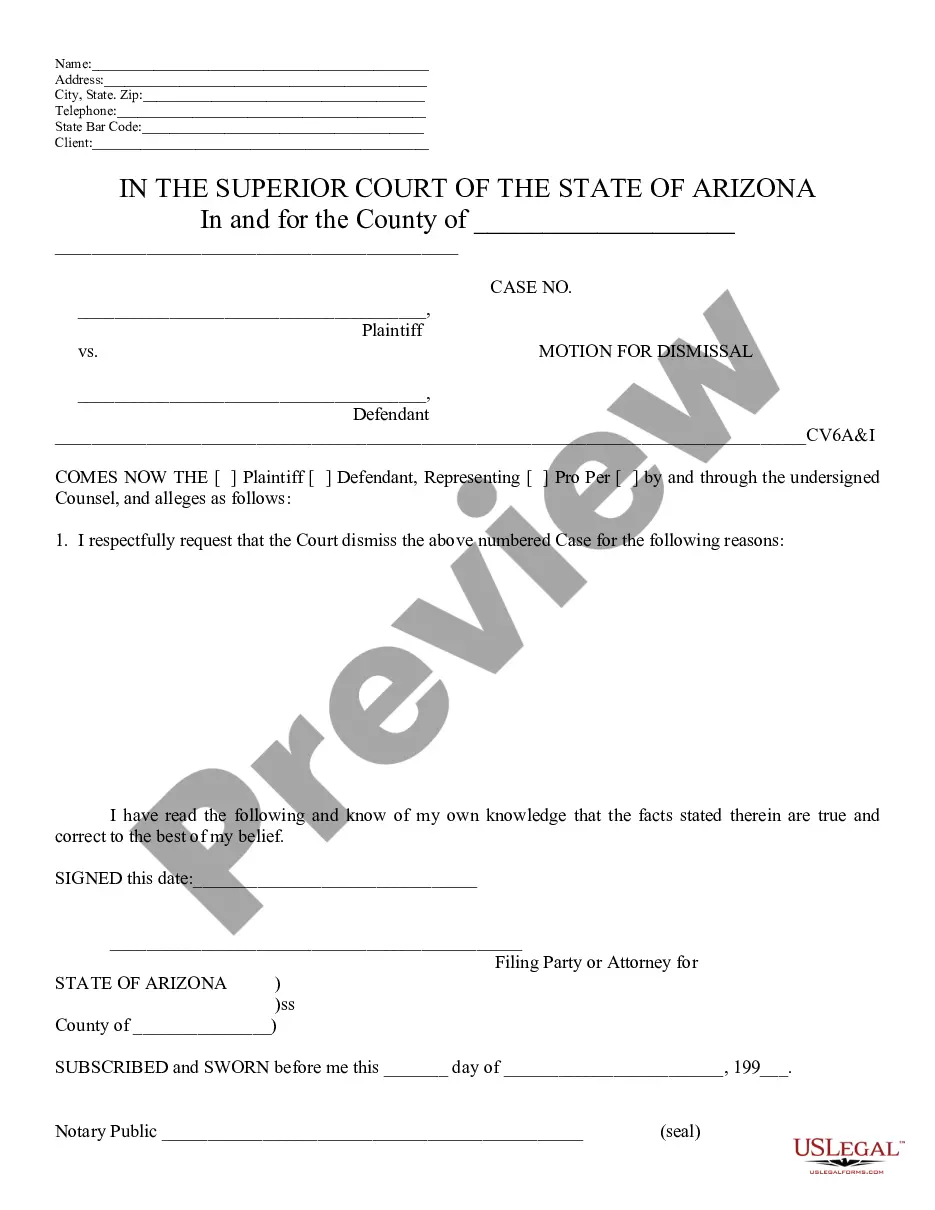

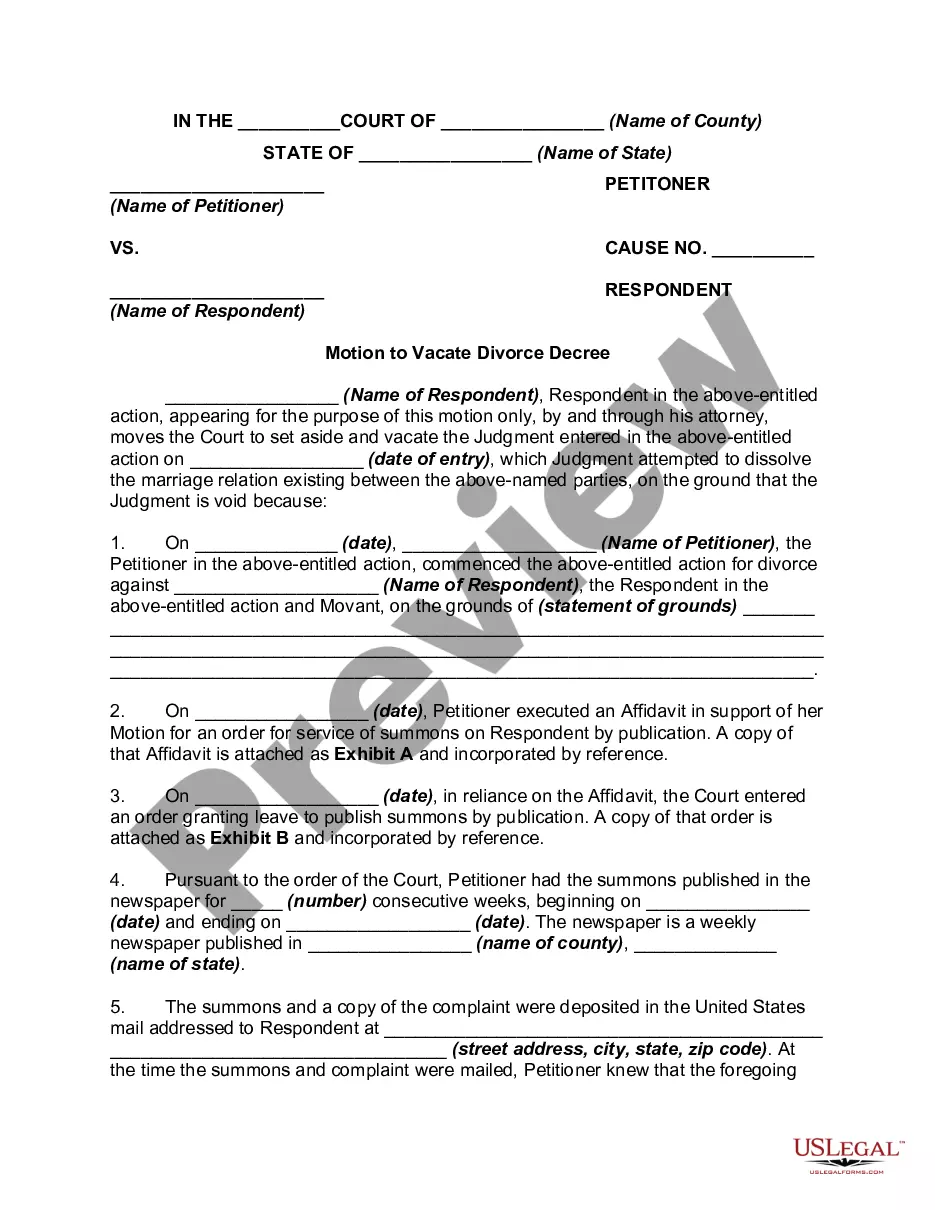
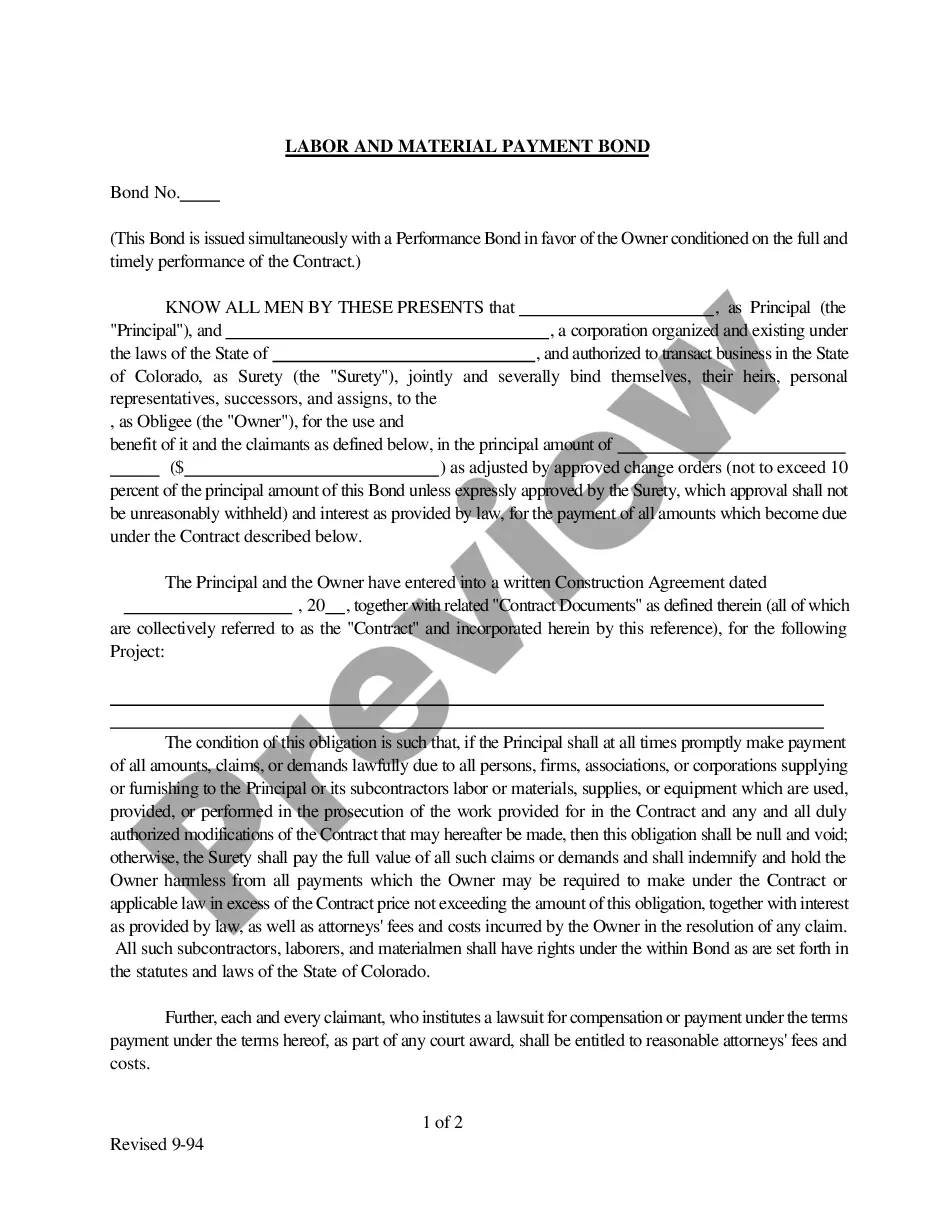



Form popularity
FAQ
Assault committed intentionally or knowingly pursuant to subsection A, paragraph 1 is a class 1 misdemeanor. Assault committed recklessly pursuant to subsection A, paragraph 1 is a class 2 misdemeanor. Assault committed pursuant to subsection A, paragraph 2 or 3 is a class 3 misdemeanor.
Assault and battery victims have the legal right to sue their attackers for damages. Pursuing a civil suit does not require that the defendant be convicted in a criminal trial or even charged with assault and battery.
A first offender can face 5 to 15 years of imprisonment. Defendants that were previously convicted of a dangerous offense can face 10 to 20 years, while a third-time offender could face 15 to 25 years in prison. Additionally, the fines can be as high as $150,000 for an aggravated assault conviction and sentence.
The intent is what allows you to consider it an assault claim. Essentially, a civil assault consists of any intentional, violent action that causes you to feel apprehension and physical harm. You do not even need to be fully struck for it to be considered a civil assault.
The most effective way to communicate with a personal injury lawyer is to be clear and honest. That is to say that a client should speak with the attorney in a frank and candid way about the details of the case in a manner that is not overly complex.
A person commits assault by: 1. Intentionally, knowingly or recklessly causing any physical injury to another person; or 2. Intentionally placing another person in reasonable apprehension of imminent physical injury; or 3. Knowingly touching another person with the intent to injure, insult or provoke such person.
Class 1 assault is a misdemeanor, and the fines can be up to $2500, with a maximum sentence of 6 months in jail. With a Class 2 assault, you can face up to $750 in fines and up to 4 months in jail. With a Class 3 assault, you can face fines of up to $500 and up to 30 days in jail.
